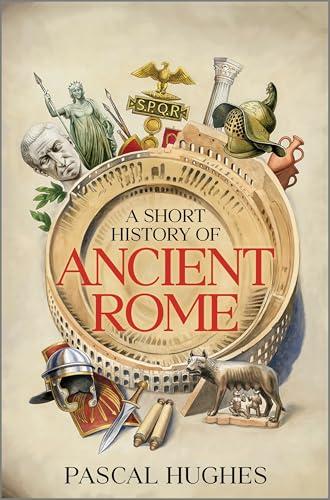
A Short History of Ancient Rome
Pascal Hughes
Mentioned 6 months ago
Jean-Bédel Bokassa Part 3: A Coronation for the Ages
Real Dictators is the award-winning podcast that explores the hidden lives of history's tyrants. Hosted by Paul McGann, with contributions from eyewitnesses and expert historians. New episodes available a week early for Noiser+ subscribers. You'll also get ad-free listening, early access and excl...
Recently mentioned
Pascal Hughes
Mentioned 6 months ago
Jean-Bédel Bokassa Part 3: A Coronation for the Ages
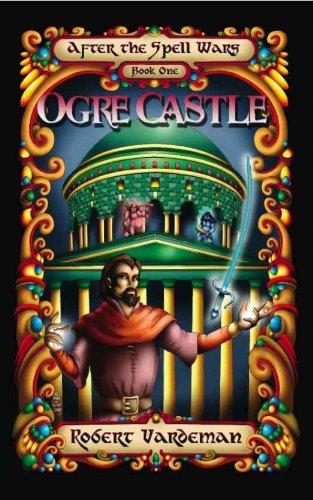
Robert E. Vardeman
Mentioned 6 months ago
Jean-Bédel Bokassa Part 2: The Power Grab, the Châteaux and the Missing Daughter

Charles Dickens
Mentioned 7 months ago
Introducing: Charles Dickens Ghost Stories - A Christmas Carol
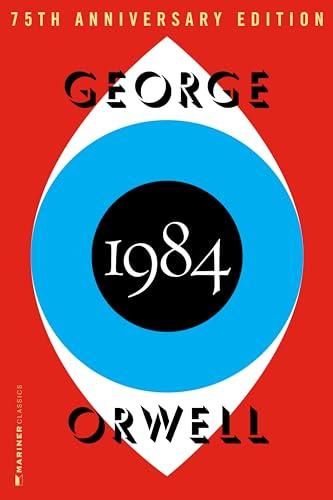
George Orwell
Mentioned 1 year ago
Fidel Castro Part 9: Down With Fidel!
Anthony DePalma
Mentioned 1 year ago
Fidel Castro Part 9: Down With Fidel!
Nicholas Griffin
Mentioned 1 year ago
Fidel Castro Part 8: Miami Vice
Mervyn J. Bain
Mentioned 1 year ago
Fidel Castro Part 6: The Cuban Missile Crisis
Anthony DePalma
Mentioned 1 year ago
Fidel Castro Part 3: The Mountain Guerrillas
Karl Marx
Mentioned 1 year ago
Fidel Castro Part 2: Shipwrecked in the Swamps
Alex Von Tunzelmann
Mentioned 1 year ago
Fidel Castro Part 1: Rise of ‘The Crazy One’
Lillian Guerra
Mentioned 1 year ago
Fidel Castro Part 1: Rise of ‘The Crazy One’
Jonathan M. Hansen
Mentioned 1 year ago
Fidel Castro Part 1: Rise of ‘The Crazy One’
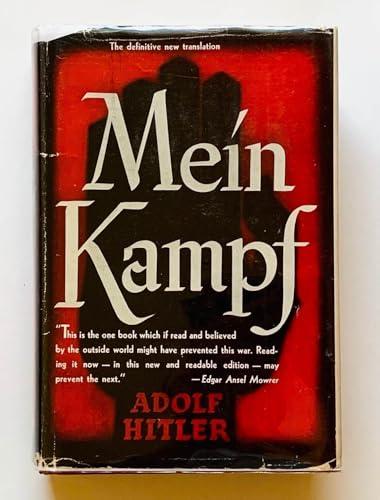
It was described as Hitler's autobiography, a propaganda piece that presented a distorted view of his life and rise to power, shaping how many people perceive him. He used it to portray himself as a messianic figure who would restore Germany to its former glory.
In Mein Kampf, he sort of says that he was sort of lower middle class and that his father was a clerk. And this was completely incorrect.
— Episode: Adolf Hitler Part 1: Birth of a Führer
It was described as Hitler's autobiography, a propaganda piece that presented a distorted view of his life and rise to power, shaping how many people perceive him. He used it to portray himself as a messianic figure who would restore Germany to its former glory.
In Mein Kampf, he sort of says that he was sort of lower middle class and that his father was a clerk. And this was completely incorrect.
In Mein Kampf, he'll describe years of scratching out a living as a starving artist, first in the city of Linz, then in Vienna.
He starts Mein Kampf with this kind of very fact that he is being born on the borderlands of those two countries.

It was described as providing a portrait of a Haitian tyrant, and its author commented on a particularly comedic coup attempt against the dictator Papa Doc Duvalier, involving only eight participants.
Duvalier was under threat almost from the start.
— Episode: Papa Doc Part 2: Haiti’s Dictator vs JFK
It was described as providing a portrait of a Haitian tyrant, and its author commented on a particularly comedic coup attempt against the dictator Papa Doc Duvalier, involving only eight participants.
Duvalier was under threat almost from the start.
Fortunately for him, most of the attempts, coup attempts if you like, were comic opera affairs.
And this one was particularly so because there were only eight of them involved.
There are some close to Duvalier who claim that after that illness, he became a different person.
It was almost as if he'd become something else, that he'd been transformed, if you like, by the combination of his physical frailty and his increasing realisation that he needed to be something other than a human being to survive as president of Haiti.
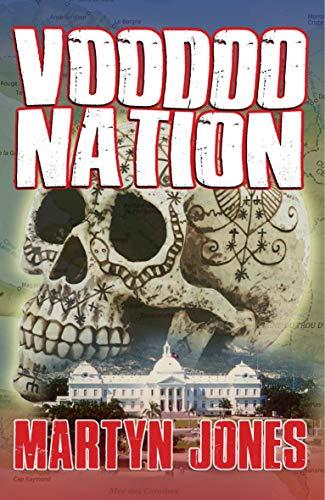
The author of this book discussed the impact of Fidel Castro's rise to power in Cuba on the political position of the Haitian dictator Francois "Papa Doc" Duvalier. It was suggested that this event gave Duvalier an opportunity to portray himself as an anti-communist ally, which helped him to maintain power.
The rise of Castro and the Cuban revolution was an absolute boon for Duvalier because it took the heat off him in terms of the State Department worrying about the Caribbean.
— Episode: Papa Doc Part 2: Haiti’s Dictator vs JFK
The author of this book discussed the impact of Fidel Castro's rise to power in Cuba on the political position of the Haitian dictator Francois "Papa Doc" Duvalier. It was suggested that this event gave Duvalier an opportunity to portray himself as an anti-communist ally, which helped him to maintain power.
The rise of Castro and the Cuban revolution was an absolute boon for Duvalier because it took the heat off him in terms of the State Department worrying about the Caribbean.
He was reportedly in a coma for quite a long period, and there is some evidence, though it's very hard to prove, that this may have created some brain damage or some long-lasting change in his behaviour.
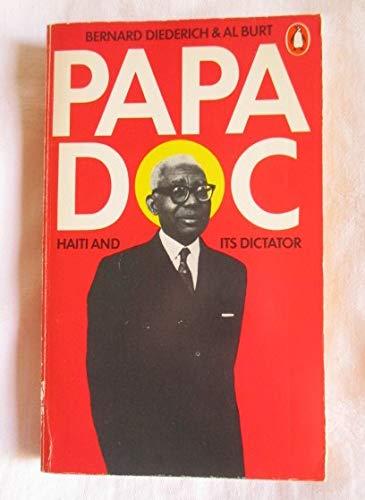
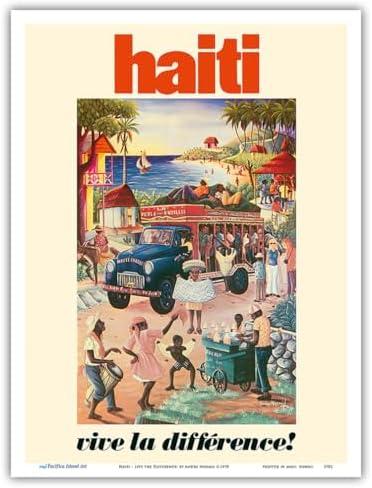
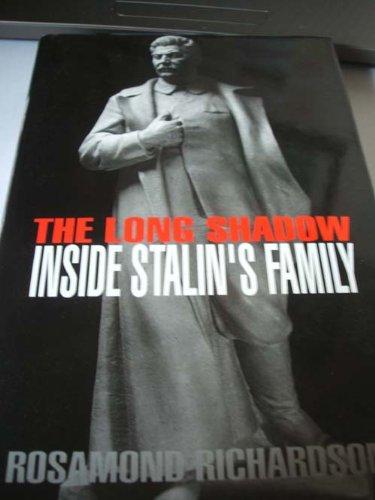
Inside Stalin's Family
This book was mentioned in relation to Stalin's background and personality; the author described Stalin as widely read but not intellectual, highlighting his practical skills and lack of academic background.
He was widely read, but he wasn't an intellectual. He didn't come from an academic background.
— Episode: Joseph Stalin Part 2: The Secretary Beco...
This book was mentioned in relation to Stalin's background and personality; the author described Stalin as widely read but not intellectual, highlighting his practical skills and lack of academic background.
He was widely read, but he wasn't an intellectual. He didn't come from an academic background.
He had a church education, which was very wide, but he didn't have that particular grain of academic intellectualism that Lenin and Trotsky had. He didn't have that university education.
He didn't have the Viennese coffee house background, and I think it made him feel inferior because his skills were so practical. He was a very pragmatic man as well as intelligent, but that is different from being intellectual.
He didn't want everybody particularly his family to know what was going on because millions of people were starving millions of people were sent into exile
the family were not necessarily revolutionaries of that ilk they wanted to change society they wanted the ideals of socialism to come into play but not at the extent of the deaths of millions of people they would have regarded this annihilation of the peasant classes as a betrayal of their ideals
This book, by journalist and author Rosamund Richardson, focuses on Stalin's family and offers insights into Stalin's character, highlighting his practicality and intelligence, but also his lack of intellectualism compared to his contemporaries.
He was widely read, but he wasn't an intellectual. He didn't come from an academic background.
— Episode: Joseph Stalin Part 2: The Secretary Beco...
This book, by journalist and author Rosamund Richardson, focuses on Stalin's family and offers insights into Stalin's character, highlighting his practicality and intelligence, but also his lack of intellectualism compared to his contemporaries.
He was widely read, but he wasn't an intellectual. He didn't come from an academic background.
He had a church education, which was very wide, but he didn't have that particular grain of academic intellectualism that Lenin and Trotsky had. He didn't have that university education. He didn't have the Viennese coffee house background, and I think it made him feel inferior because his skills were so practical. He was a very pragmatic man as well as intelligent, but that is different from being intellectual.
He didn't want everybody particularly his family to know what was going on because millions of people were starving millions of people were sent into exile the family were not necessarily revolutionaries of that ilk they wanted to change society they wanted the ideals of socialism to come into play but not at the extent of the deaths of millions of people they would have regarded this annihilation of the peasant classes as a betrayal of their ideals
Marie-France Bocassa, one of Bokassa's recognized children, wrote this memoir which painted a portrait of her father as a strict disciplinarian with high standards for his children. She wrote about the challenges the children faced due to their father having multiple wives, which led to difficult relationships with some stepmothers.
One of the things that Marie-France Bocassa writes about in her memoir is that one of the challenges that those kids faced was that their father had multiple wives and that the relationships among the...
— Episode: Jean-Bédel Bokassa Part 2: The Power Gra...
Marie-France Bocassa, one of Bokassa's recognized children, wrote this memoir which painted a portrait of her father as a strict disciplinarian with high standards for his children. She wrote about the challenges the children faced due to their father having multiple wives, which led to difficult relationships with some stepmothers.
One of the things that Marie-France Bocassa writes about in her memoir is that one of the challenges that those kids faced was that their father had multiple wives and that the relationships among the children and some of these wives were not always easy and that some of those stepmothers could be, in some cases, much more brutal than the father.
She paints an interesting portrait of her father as someone who was a strict disciplinarian, had very high standards for his children and could be quite dictatorial also in his home life, but also someone who was very, very important to her as she was growing up.
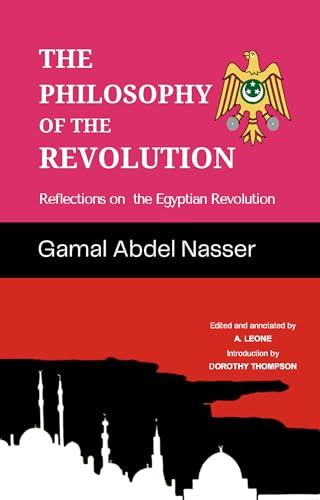
Reflections on the Egyptian Revolution (Edited & Annotated)
The book was mentioned as the work in which Nasser outlined his revolutionary ideals, and Gaddafi was described as revering it.
He puts pen to paper, outlining his ideals in a book called The Philosophy of the Revolution.
— Episode: Colonel Gaddafi Part 2: Gaddafi in Londo...
The book was mentioned as the work in which Nasser outlined his revolutionary ideals, and Gaddafi was described as revering it.
He puts pen to paper, outlining his ideals in a book called The Philosophy of the Revolution.
Gaddafi idolises Nasser, reveres Nasser's book and can recite whole speeches from memory.
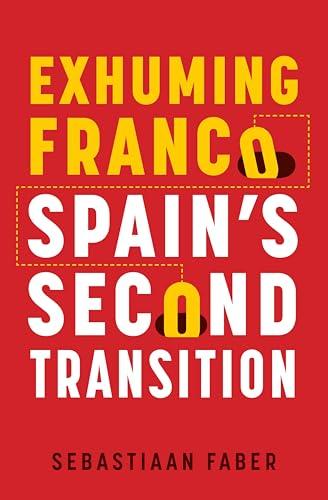
Spain's Second Transition, Second Edition
It was mentioned as the book authored by historian Dr Sebastian Faber, underscoring his expertise on the Spanish Civil War.
Dr Sebastian Faber is an historian of the Spanish Civil War and author of the book Exhuming Franco.
— Episode: Franco Part 3: The Spanish Civil War
It was mentioned as the book authored by historian Dr Sebastian Faber, underscoring his expertise on the Spanish Civil War.
Dr Sebastian Faber is an historian of the Spanish Civil War and author of the book Exhuming Franco.

The Biography of the Myth (Routledge Historical Biographies)
The host noted that Antonio Casola Sanchez had written a biography of Franco, emphasizing the mythic construction of his image.
Dr. Antonio Casola Sanchez is an historian and author of Franco, the biography of the myth.
— Episode: Franco Part 1: Spain’s Buried Past
The host noted that Antonio Casola Sanchez had written a biography of Franco, emphasizing the mythic construction of his image.
Dr. Antonio Casola Sanchez is an historian and author of Franco, the biography of the myth.
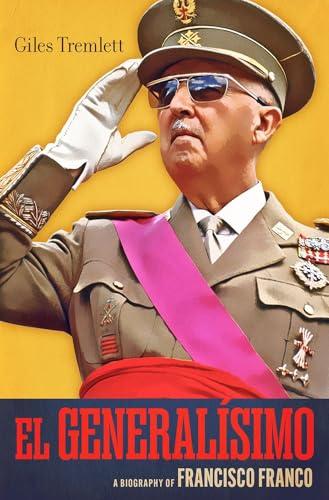
A Biography of Francisco Franco
The episode mentioned that historian Paul Preston had authored a biography simply titled Franco.
Sir Paul Preston is an historian and author of the biography Franco.
— Episode: Franco Part 1: Spain’s Buried Past
The episode mentioned that historian Paul Preston had authored a biography simply titled Franco.
Sir Paul Preston is an historian and author of the biography Franco.
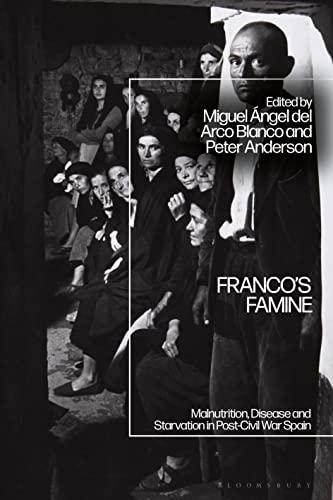
Malnutrition, Disease and Starvation in Post-Civil War Spain
The narrator highlighted that Peter Anderson had written a book called Franco's Famine about Spain's disastrous war with the United States.
Dr. Peter Anderson, historian and author of Franco's Famine, explains.
— Episode: Franco Part 1: Spain’s Buried Past
The narrator highlighted that Peter Anderson had written a book called Franco's Famine about Spain's disastrous war with the United States.
Dr. Peter Anderson, historian and author of Franco's Famine, explains.
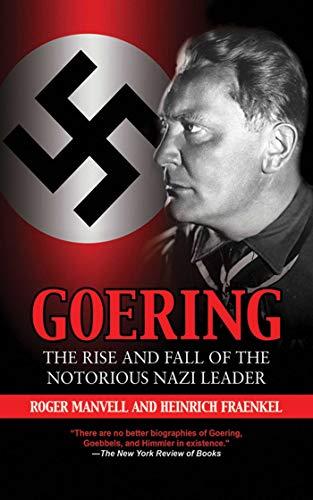
The Rise and Fall of the Notorious Nazi Leader
The host noted that James Wiley authored the book titled Gring and Gring, which examines Hermann Gring and his brother.
James Wiley is author of Gring and Gring, Hitler's henchman and his anti-Nazi brother.
— Episode: Adolf Hitler Part 5: The Stormtroopers A...
The host noted that James Wiley authored the book titled Gring and Gring, which examines Hermann Gring and his brother.
James Wiley is author of Gring and Gring, Hitler's henchman and his anti-Nazi brother.
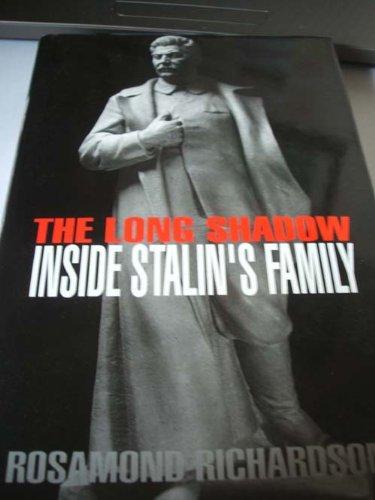
Inside Stalin's Family
Rosamund Richardson was noted as the author of The Long Shadow Inside Stalin's Family.
Rosamund Richardson is a journalist and author of The Long Shadow Inside Stalin's Family.
— Episode: Joseph Stalin Part 3: Hitler Attacks
Rosamund Richardson was noted as the author of The Long Shadow Inside Stalin's Family.
Rosamund Richardson is a journalist and author of The Long Shadow Inside Stalin's Family.
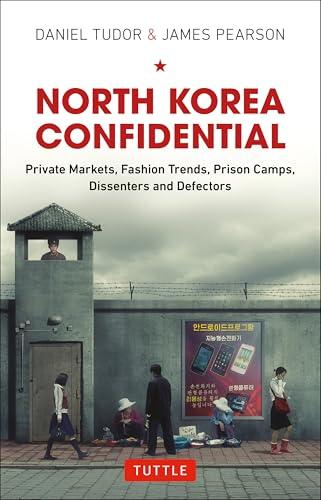
Private Markets, Fashion Trends, Prison Camps, Dissenters and Defectors
The host introduced James Pearson as the awardwinning journalist who had written North Korea Confidential, noting it as a published work about the country's secretive regime.
James Pearson is an awardwinning journalist and author of North Korea Confidential.
— Episode: Kim Jong-il Part 3: Nuclear Armed
The host introduced James Pearson as the awardwinning journalist who had written North Korea Confidential, noting it as a published work about the country's secretive regime.
James Pearson is an awardwinning journalist and author of North Korea Confidential.
Note: The book recommendations on this page are discovered automatically from podcast transcripts, and may be incorrect or incomplete.
Podcast Name