The Alchemist - Gift Edition
Paulo Coelho
Mentioned 3 months ago
Malala Yousafzai
Fresh Air from WHYY, the Peabody Award-winning weekday magazine of contemporary arts and issues, is one of public radio's most popular programs. Hosted by Terry Gross and Tonya Mosley, the show features intimate conversations with today's biggest luminaries. Subscribe to Fresh Air Plus! You'll enjoy...
Recently mentioned
Paulo Coelho
Mentioned 3 months ago
Malala Yousafzai
Jonathan Conyers
Mentioned 3 months ago
Malala Yousafzai
Loubna Mrie
Mentioned 5 months ago
A daughter's rebellion against a regime and her father
Oliver Jeffers
Mentioned 5 months ago
A daughter's rebellion against a regime and her father
Heather McGhee
Mentioned 5 months ago
Best Of: Mixed Marriage Project / How Racism Costs Everyone
Dorothy Roberts
Mentioned 5 months ago
Best Of: Mixed Marriage Project / How Racism Costs Everyone
Dorothy Roberts
Mentioned 5 months ago
Best Of: Mixed Marriage Project / How Racism Costs Everyone
Stokely Carmichael (Kwame Ture)
Mentioned 5 months ago
Best Of: Mixed Marriage Project / How Racism Costs Everyone
Emily Brontë
Mentioned 5 months ago
‘Sinners’ Songwriter Raphael Saadiq
Jon Meacham
Mentioned 5 months ago
‘Sinners’ Songwriter Raphael Saadiq
Dorothy Roberts
Mentioned 5 months ago
Love, Race & the ‘Mixed Marriage Project’
Heather Ann Thompson
Mentioned 5 months ago
Best Of: Fighting for free press in Russia / ‘Fear and Fury’
The Essential Guide to Jazz Stories on Film
The book was referenced in three episodes as part of Kevin Whitehead's bibliography, with hosts noting its philosophical take on music performance and its role as an essential guide to jazz stories on film. It was mentioned by Dave Davies, Kevin Whitehead himself, and Terry Gross, who highlighted Whitehead's expertise as a jazz historian.
Whitehead was cited as the author of Play the Way You Feel, a book that offers a philosophical look at music performance.
Kevin Whitehead is the author of New Dutch Swing, Why Jazz, and Play the Way You Feel.
The host referenced this title as part of Whitehead's bibliography while reviewing his background.
Kevin is the author of New Dutch Swing, Why Jazz, and Play the Way You Feel.
Kevin Whitehead was identified as the author of this book, described as an essential guide to jazz stories on film.
kevin whitehead is our jazz historian and author of the book Play the Way You Feel, the essential guide to jazz stories on film. roy haynes' centennial is being marked today with a jazz memorial and centennial celebration at st. peter's church in new york city.
Kevin Whitehead was identified as the author of Play the Way You Feel, described as an essential guide to jazz stories on film.
Kevin Whitehead is the author of Play the Way You Feel, the essential guide to jazz stories on film, Why Jazz, and New Dutch Swing, which has just been reissued.
The book was presented as an essential guide to jazz stories on film, highlighting Whitehead's expertise in connecting cinema and jazz history.
Kevin's latest book is Play the Way You Feel, the essential guide to jazz stories on film.
Kevin Whitehead was introduced as the author of this guide to jazz stories on film, underscoring its relevance to the discussion of jazz history.
Kevin Whitehead is the author of Play the Way You Feel, the essential guide to jazz stories on film, Why Jazz?, and New Dutch Swing, which has just been reissued.
Whitehead described his book as an essential guide to jazz stories on film, emphasizing the emotional connection to music.
Kevin Whitehead is the author of the book Play the Way You Feel, the essential guide to jazz stories on film.
Kevin Whitehead was identified as the author of the guide Play the Way You Feel, an essential guide to jazz stories on film.
Kevin Whitehead is the author of the book Play the Way You Feel, the essential guide to jazz stories on film.
The host noted that Kevin Whitehead had authored this book, listing it among his other works.
Kevin Whitehead is the author of the books Play the Way You Feel, The Essential Guide to Jazz Stories on Film, Why Jazz and New Dutch Swing.
The host noted that Kevin Whitehead authored the book "Play The Way You Feel" among several other titles about jazz.
Kevin Whitehead is the author of the books Play the Way You Feel, The Essential Guide to Jazz Stories on Film, Why Jazz, and New Dutch Swing.
Kevin Whitehead was identified as the author of this book during the episode's discussion of his work.
Kevin Whitehead is the author of the books Play the Way You Feel, The Essential Guide to Jazz Stories on Film, Why Jazz? and New Dutch Swing.
Kevin Whitehead was identified as the author of Play The Way You Feel, among several other titles he has written.
Kevin Whitehead is the author of the books Play the Way You Feel, The Essential Guide to Jazz Stories on Film, New Dutch Swing and Why Jazz.
The critic's book was cited as a guide to jazz storytelling in film and other media, and he was identified as its author while reviewing Angelica Sanchez's new album. It was presented as a recent publication by the reviewer himself.
Kevin Whitehead is the author of the book Play the Way You Feel the essential guide to jazz stories on film why jazz and new Dutch swing he reviewed nighttime creatures by jazz pianist Angelica Sanchez.
Whitehead was identified as the author of Play The Way You Feel among several other jazzrelated titles.
Kevin Whitehead is the author of the books Play the Way You Feel, The Essential Guide to Jazz Stories on Film, Why Jazz? and New Dutch Swing.
The host mentioned that Kevin Whitehead authored several books, including Play the Way You Feel, The Essential Guide to Jazz Stories on Film, Why Jazz, and New Dutch Swing.
Kevin Whitehead is the author of the books Play the Way You Feel, The Essential Guide to Jazz Stories on Film, Why Jazz, and New Dutch Swing.
Whitehead's authorship of the book was noted among several titles he had written about jazz.
Kevin Whitehead is the author of the books Play the Way You Feel, The Essential Guide to Jazz Stories on Film, Why Jazz? and New Dutch Swing.
Whitehead's guide offers essential insights into how jazz music is portrayed in film.
Kevin Whitehead is the author of the book Play the Way You Feel, the essential guide to jazz stories on film.
The title was listed among Kevin Whitehead's works during his introduction on the show.
Kevin Whitehead is the author of New Dutch Swing, Why Jazz, and Play the Way You Feel.
The transcript noted that Kevin Whitehead authored the book Play the Way You Feel.
Kevin Whitehead is the author of New Dutch Swing, Why Jazz, and Play the Way You Feel.
Kevin Whitehead was mentioned as the author of Play the Way You Feel, indicating it is a published book.
Jazz historian Kevin Whitehead is the author of New Dutch Swing, Why Jazz, and Play the Way You Feel.
A Revolutionary History from NPR Music
The book was highlighted across several episodes as a new NPR anthology that chronicled the revolutionary history of women in music, featuring original writing, illustrations, interviews, and photos. Hosts praised its stunning presentation and noted the accompanying audiobook, which compiled decades of interview excerpts from over 60 legendary artists. The consistent positive description indicated strong endorsement for listeners.
The anthology was promoted as a new NPR book offering original writing, illustrations, interviews and photos about women's impact on music.
Read about the impact of women in music with NPR's new book, How Women Made Music, A Revolutionary History from NPR Music.
This stunning anthology offers original writing and illustrations, interviews and photos.
The anthology was highlighted as a new NPR Music book offering a revolutionary history of women's contributions to music.
Read about sponsor... How Women Made Music, A Revolutionary History from NPR Music.
And the audiobook includes 52 years worth of interview excerpts with more than 60 legendary artists.
The host highlighted it as a new NPR Music anthology that explores the impact of women in music with original writing, illustrations and interviews. An audiobook version was also noted for containing decades of interview excerpts.
Read about the impact of women in music with NPR's new book, How Women Made Music, A Revolutionary History from NPR Music.
This stunning anthology offers original writing and illustrations, interviews, and photos.
And the audiobook includes 52 years worth of interview excerpts with more than 60 legendary artists.
The book was presented as a stunning anthology that offered original writing, illustrations, interviews and photos chronicling a revolutionary history of women in music, with an accompanying audiobook spanning five decades of interview excerpts.
How Women Made Music - A Revolutionary History from NPR Music. This stunning anthology offers original writing and illustrations, interviews and photos, and the audiobook includes 52 years worth of interview excerpts with more than 60 legendary artists.
The book was highlighted as a revolutionary history that chronicles the impact of women in music.
Read about the impact of women in music with NPR's new book, How Women Made Music, a revolutionary history from NPR Music.
The host introduced the new NPR book as a revolutionary history of women's impact on music, describing it as a stunning anthology with original writing, illustrations, interviews, photos, and an accompanying audiobook featuring decades of interview excerpts.
Read about the impact of women in music with NPR's new book, How Women Made Music, a revolutionary history from NPR Music. This stunning anthology offers original writing and illustrations, interviews, and photos. And the audiobook includes 52 years worth of interview excerpts with more than 60 legendary artists.
The host introduced the NPR anthology that explored the impact of women in music, describing it as a stunning collection of writing, illustrations, interviews, photos and an extensive audiobook.
Read about the impact of women in music with NPR's new book, How Women Made Music, A Revolutionary History from NPR Music. This stunning anthology offers original writing and illustrations, interviews and photos, and the audiobook includes 52 years worth of interview excerpts with more than 60 legendary artists.
Visit npr.org slash howwomenmademusic to order now.
The anthology was advertised as NPR's new book that chronicles the impact of women in music with original writing, illustrations, interviews and an accompanying audio version.
Read about the impact of women in music with NPR's new book, How Women Made Music, a revolutionary history from NPR music.
This stunning anthology offers original writing and illustrations, interviews and photos. And the audio book includes 52 years worth of interview excerpts with more than 60 legendary artists.
The new NPR book highlighted the contributions of women to music history and was offered as both a print and an audio version.
Celebrate the women who shaped music history with NPR's new book, How Women Made Music.
The book was presented as a new collection highlighting women who shaped music history, featuring interviews, original writing, illustrations, and photos, and it was also offered as an audiobook.
Celebrate the women who shaped music history with NPR's new book How Women Made Music. From Beyonce to Odetta, Joan Jett to Dolly Parton, this beautiful book is filled with interviews, original writing, illustrations, photos, and more.
Also available as an audiobook featuring interview excerpts with legendary musicians.
Visit npr.org slash How Women Made Music to pre-order now.
The new book celebrated women's contributions to music history, featuring interviews, writings, and photos of artists from Beyonc to Dolly Parton. It was promoted as an available audiobook as well.
Celebrate the women who shaped music history with NPR's new book, How Women Made Music. From Beyonc to Odetta, Joan Jett to Dolly Parton, this beautiful book is filled with interviews, original writing, illustrations, photos and more. Also available as an audiobook featuring interview excerpts with legendary musicians.
The book celebrated the women who shaped music history, featuring interviews, writings, illustrations, and photos of iconic artists.
Celebrate the women who shaped music history with NPR's new book, How Women Made Music.
From Beyonce to Odetta, Joan Jett to Dolly Parton, this beautiful book is filled with interviews, original writing, illustrations, photos and more.
Also available as an audiobook featuring interview excerpts with legendary musicians.
The program promoted NPR's new book that celebrates the contributions of women to music history. It was mentioned as an available audiobook and print edition.
Celebrate the women who shaped music history with NPR's new book, How Women Made Music.
The book celebrates women who shaped music history, featuring interviews, illustrations and photos.
Celebrate the women who shaped music history with NPR's new book, How Women Made Music. From Beyonc to Odetta, Joan Jett to Dolly Parton, this beautiful book is filled with interviews, original writing, illustrations, photos and more.
Visit npr.org slash How Women Made Music to pre-order now.
The host highlighted the new NPR book as a celebration of women who shaped music history, noting its rich content of interviews, writing, illustrations and photos.
Celebrate the women who shaped music history with NPR's new book, How Women Made Music.
From Beyonce to Odetta, Joan Jett to Dolly Parton, this beautiful book is filled with interviews, original writing, illustrations, photos and more.
The segment mentioned the NPR book "How Women Made Music," describing it as a beautifully illustrated collection of interviews and photos about women's contributions to music.
Celebrate the women who shaped music history with NPR's new book, How Women Made Music. From Beyonce to Odetta, Joan Jett to Dolly Parton, this beautiful book is filled with interviews, original writing, illustrations, photos and more.
Also available as an audiobook featuring interview excerpts with legendary musicians.
The segment promoted the new NPR book, describing it as a beautiful collection of interviews, original writing, illustrations, and photos that celebrates women ranging from Beyonc to Dolly Parton, and noted that an audiobook version was also available.
Celebrate the women who shaped music history with NPR's new book, How Women Made Music.
From Beyonce to Odetta, Joan Jett to Dolly Parton, this beautiful book is filled with interviews, original writing, illustrations, photos and more.
Also available as an audiobook featuring interview excerpts with legendary musicians.
Visit npr.org slash howwomenmademusic to pre-order now.
The hosts noted that Kevin Whitehead was the author of the title during discussions about Steve Cropper and Tom Stoppard. No further commentary was offered, indicating the book was mentioned only in passing.
The transcript noted that Kevin Whitehead was the author of New Dutch Swing.
Kevin Whitehead Is the author of New Dutch Swing Why Jazz And Play the Way You Feel
Kevin Whitehead was identified as the author of the book New Dutch Swing.
Kevin Whitehead is the author of New Dutch Swing
Kevin Whitehead was identified as the author of the book New Dutch Swing, mentioned in a brief promotional note.
Kevin Whitehead Is the author Of New Dutch Swing Why Jazz And Play the Way You Feel Tomorrow
Whitehead was introduced as the author of New Dutch Swing, a book about the history of Dutch jazz.
Kevin Whitehead is the author of New Dutch Swing, Why Jazz, and Play the Way You Feel.
The reviewer mentioned Kevin Whitehead as the author of this book while discussing his expertise on jazz history. It was cited alongside his other works on the genre.
Kevin is the author of New Dutch Swing, Why Jazz, and Play the Way You Feel.
New Dutch Swing was highlighted as a recently reissued book authored by Kevin Whitehead.
Kevin Whitehead is the author of Play the Way You Feel, the essential guide to jazz stories on film, Why Jazz, and New Dutch Swing, which has just been reissued.
Mentioned as a newly reissued work by Whitehead, it was grouped with his other jazzrelated publications.
Kevin Whitehead is the author of Play the Way You Feel, the essential guide to jazz stories on film, Why Jazz?, and New Dutch Swing, which has just been reissued.
The recently reissued book "New Dutch Swing" was mentioned as part of the discussion on jazz history.
And New Dutch Swing, which has just been reissued.
The host identified "New Dutch Swing" as one of Kevin Whitehead's published books.
Kevin Whitehead is the author of the books Play The Way You Feel, The Essential Guide to Jazz Stories on Film, Why Jazz, and New Dutch Swing.
Kevin Whitehead was identified as the author of this book during the episode's discussion of his work.
Kevin Whitehead is the author of the books Play The Way You Feel, The Essential Guide to Jazz Stories on Film, Why Jazz? and New Dutch Swing.
Kevin Whitehead was listed as the author of New Dutch Swing among his other publications.
Kevin Whitehead is the author of the books Play The Way You Feel, The Essential Guide to Jazz Stories on Film, New Dutch Swing and Why Jazz.
Whitehead was identified as the author of New Dutch Swing among several other jazzrelated titles.
Kevin Whitehead is the author of the books Play The Way You Feel, The Essential Guide to Jazz Stories on Film, Why Jazz? and New Dutch Swing.
The title "New Dutch Swing" was cited as another of Whitehead's published works on jazz.
Kevin Whitehead is the author of the books Play The Way You Feel, The Essential Guide to Jazz Stories on Film, Why Jazz? and New Dutch Swing.
The title was noted as one of the books written by jazz critic Kevin Whitehead during his introduction.
Kevin Whitehead is the author of New Dutch Swing, Why Jazz, and Play the Way You Feel.
The transcript noted that Kevin Whitehead authored the book New Dutch Swing.
Kevin Whitehead is the author of New Dutch Swing, Why Jazz, and Play the Way You Feel.
Kevin Whitehead was noted as the author of New Dutch Swing, indicating his role as a writer of a published book.
Jazz historian Kevin Whitehead is the author of New Dutch Swing, Why Jazz, and Play the Way You Feel.
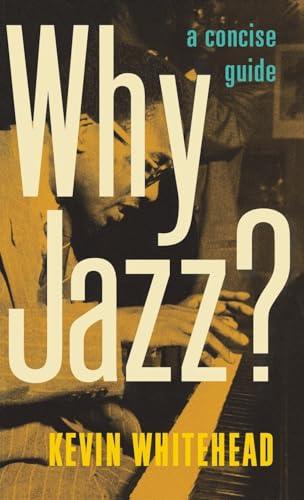
A Concise Guide
The book was referenced in three episodes as part of a rundown of Kevin Whitehead's jazz publications, highlighting his role as a writer on the genre's cultural impact. Hosts and guests, including Dave Davies and Whitehead himself, listed the title alongside his other works without delving into its contents. The mentions were brief and informational, indicating a casual acknowledgement rather than a strong endorsement.
Whitehead was mentioned as the author of Why Jazz, a book that examines the cultural impact of jazz music.
Kevin Whitehead is the author of New Dutch Swing, Why Jazz, and Play the Way You Feel.
The same segment highlighted another of Whitehead's titles, indicating his contributions to jazz literature.
Kevin is the author of New Dutch Swing, Why Jazz, and Play the Way You Feel.
Why Jazz was mentioned alongside Play the Way You Feel and New Dutch Swing as another title authored by Kevin Whitehead.
Kevin Whitehead is the author of Play the Way You Feel, the essential guide to jazz stories on film, Why Jazz, and New Dutch Swing, which has just been reissued.
The book was listed among Whitehead's recent titles, indicating its recent reissue and its focus on jazz appreciation.
Kevin Whitehead is the author of Play the Way You Feel, the essential guide to jazz stories on film, Why Jazz?, and New Dutch Swing, which has just been reissued.
The host listed "Why Jazz" as another title authored by Kevin Whitehead.
Kevin Whitehead is the author of the books Play The Way You Feel, The Essential Guide to Jazz Stories on Film, Why Jazz, and New Dutch Swing.
Kevin Whitehead was identified as the author of this book during the episode's discussion of his work.
Kevin Whitehead is the author of the books Play The Way You Feel, The Essential Guide to Jazz Stories on Film, Why Jazz? and New Dutch Swing.
Kevin Whitehead was mentioned as the author of Why Jazz, completing a list of his authored titles.
Kevin Whitehead is the author of the books Play The Way You Feel, The Essential Guide to Jazz Stories on Film, New Dutch Swing and Why Jazz.
Whitehead was identified as the author of Why Jazz? among several other jazzrelated titles.
Kevin Whitehead is the author of the books Play The Way You Feel, The Essential Guide to Jazz Stories on Film, Why Jazz? and New Dutch Swing.
Whitehead's book "Why Jazz?" was mentioned as part of his bibliography on jazz literature.
Kevin Whitehead is the author of the books Play The Way You Feel, The Essential Guide to Jazz Stories on Film, Why Jazz? and New Dutch Swing.
The title was mentioned as another book authored by Kevin Whitehead when his credentials were described.
Kevin Whitehead is the author of New Dutch Swing, Why Jazz, and Play the Way You Feel.
The transcript noted that Kevin Whitehead authored the book Why Jazz.
Kevin Whitehead is the author of New Dutch Swing, Why Jazz, and Play the Way You Feel.
Kevin Whitehead was identified as the author of Why Jazz, confirming it as one of his published works.
Jazz historian Kevin Whitehead is the author of New Dutch Swing, Why Jazz, and Play the Way You Feel.
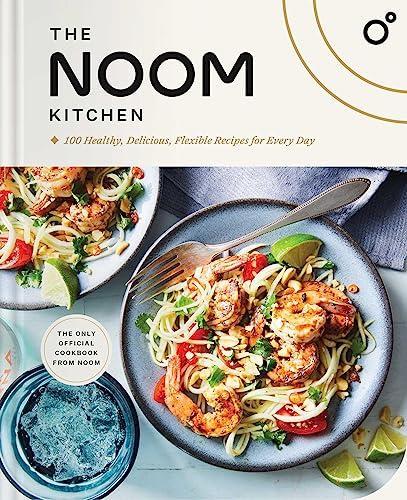
100 Healthy, Delicious, Flexible Recipes for Every Day
The book was highlighted as the company's inaugural cookbook, offering 100 healthy, delicious recipes aimed at improving everyday living. It was presented by the host as a recommended resource for listeners seeking flexible nutrition options. The overall tone was promotional and positive.
The Noom Kitchen was introduced as a cookbook offering 100 healthy recipes and was noted as being available for purchase wherever books are sold.
With their first ever cookbook, The Noom Kitchen, you can find 100 healthy and delicious recipes to promote better living.
Available to buy now wherever books are sold.
The sponsor highlighted it as their first ever cookbook containing 100 healthy and delicious recipes, and noted it was available for purchase.
With their first ever cookbook, The Noom Kitchen, you can find 100 healthy and delicious recipes to promote better living. Available to buy now wherever books are sold.
The cookbook was presented as Noom's first ever cookbook offering a hundred healthy and delicious recipes to promote better living.
With their first ever cookbook, The Noom Kitchen, you can find a hundred healthy and delicious recipes to promote better living. Available to buy now wherever books are sold.
The cookbook offered 100 healthy and delicious recipes aimed at promoting better living, marketed as the first-ever cookbook from the Noom brand.
With their first ever cookbook, The Noom Kitchen, you can find 100 healthy and delicious recipes to promote better living.
The advertisement promoted it as the first ever cookbook, offering 100 healthy and delicious recipes and noting it was available wherever books are sold.
With their first ever cookbook, The Noom Kitchen, you can find 100 healthy and delicious recipes to promote better living.
Available to buy now wherever books are sold.
The Noom Kitchen is a cookbook released by the Noom brand, offering 100 healthy recipes aimed at better living. It was mentioned in a sponsor readout as a newly published title.
With their firstever cookbook, The Noom Kitchen, you can find 100 healthy and delicious recipes to promote better living.
The sponsor segment announced Noom's first cookbook, The Noom Kitchen, featuring 100 healthy and delicious recipes.
Noom understands that not everyone is starting from the same place and takes that into account with their first ever cookbook, The Noom Kitchen. You can find 100 healthy and delicious recipes to promote better living.
The cookbook was mentioned as Noom's first one, featuring 100 healthy and delicious recipes intended to promote better living.
With their first ever cookbook, The Noom Kitchen, you can find 100 healthy and delicious recipes to promote better living, available to buy now wherever books are sold.
The Noom Kitchen was mentioned as the first cookbook from the Noom program, offering a hundred healthy recipes.
Noom understands that not everyone is starting from the same place and takes that into account with their first ever cookbook The Noom Kitchen you can find a hundred healthy and delicious recipes to promote better living.
It was promoted as a firstever cookbook offering 100 healthy and delicious recipes for better living.
with their first ever cookbook, The Noom Kitchen.
The book was brought up as a memorable childhood experience, highlighted as a classic comparable to other literary giants, and described by a guest as a treasured, formative read that he carried around obsessively. Hosts and guests recalled its impact and noted its significance in their personal and cultural narratives.
The host noted that the novel was interesting to discuss because it was experienced via cable TV during their childhood.
The process around The Color Purple is very interesting because we had cable TV.
Maureen mentioned this classic novel when comparing the new picks to earlier literary giants.
Neither are in league with say Portnoy's Complaint or The Color Purple, but nor are they mental styrofoam.
Pedro Pascal said he read the novel and even carried the paperback around, recalling how it moved him as a child. The host noted his longtime obsession with the story.
you being obsessed with The Color Purple ... to kill a mockingbird
so I had to get the book and I read the book ... I would hold it like a treasure
The documentary segment mentioned Alice Walker's early work, noting she was published in Ms. before she wrote The Color Purple.
Alice Walker, published in Ms. before she wrote The Color Purple.
The novel was referenced as the classic Alice Walker masterpiece and as an insular text that informed the musical film adaptation.
Alice Walker's The Color Purple ... the classic Alice Walker masterpiece. ... the book hadn't fully gone
I was thinking about how The Color Purple is such an insular text, meaning like it's a black world.
The novel was highlighted as the PulitzerPrizewinning 1982 book that inspired both the film and the musical adaptation discussed in the interview.
The Color Purple, which was first a Pulitzer Prizewinning novel written by Alice Walker in 1982, tells the tale of the lifelong struggles of Celie, an African American woman living in the South during the early 1900s, and the sisterhood of three women.
Well, it goes without saying that The Color Purple, it's really considered an American masterpiece, especially for black people. It was a Pulitzer Prize winning book, as we know, a Steven Spielberg film, an iconic musical, and now this film adaptation to the musical.
The novel was described as a PulitzerPrize winning American masterpiece that tells the story of Celie and the sisterhood of three women in the early 1900s South.
The Color Purple, which was first a Pulitzer Prize novel written by Alice Walker in 1982, tells the tale of the lifelong struggles of Celie, an AfricanAmerican woman living in the South during the early 1900s, and the sisterhood of three women.
Well, it goes without saying that The Color Purple, it's really considered an American masterpiece, especially for Black people. It was a Pulitzer Prize winning book, as we know, a Steven Spielberg film, an iconic musical, and now this film adaptation to the musical.
The novel was referenced as the source material for the film and musical adaptations, and the guest said he had read the book to prepare for his role.
The Color Purple was a novel, still is a novel, by Alice Walker that was adapted into a film starring Oprah Winfrey and later into a Broadway musical, and I went back to the source material and read the book to prepare for my role.
The novel was referenced as the source material for the film and Broadway musical adaptations, and Domingo mentioned reading it to prepare for his role.
The Color Purple was a novel, still is a novel by Alice Walker that was adapted into a film starring Oprah Winfrey and then that was adapted into a Broadway musical starring Cynthia Erivo.
Did you go back and watch any of them and reread the book for the movie?
I first saw the movie in 1985 and I think I've watched it maybe 50 to 100 times in my life and then I saw both versions of the musical... And then when I was offered Mister I went back all the way to the source material and read the book.
I feel like you know when people come and see this experience of The Color Purple they'll see it's a hybrid of sorts but it really is honoring the book in many ways.
The host noted the guest's fascination with the color purple, linking it to the wellknown novel.
I keep coming across these little details, like you being obsessed with the color purple. James Baldwin for colored girls to kill a mockingbird.
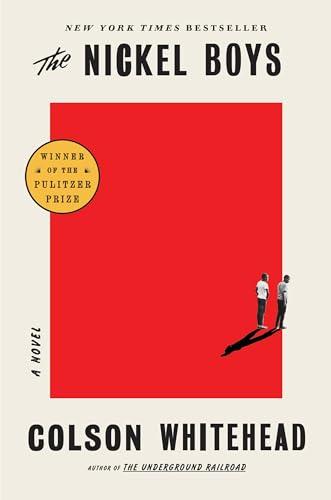
A Novel
The host introduced the book as a Pulitzer Prize‑winning novel that had been adapted into an Oscar‑nominated film, noting the filmmaker’s effort to visualize its world. Across episodes, the title was highlighted for its powerful depiction of abuse at the Dozier reform school and praised as a vivid, compelling story. The overall discussion was enthusiastic and appreciative of the book’s impact.
The host introduced it as a Pulitzer Prizewinning novel by Colson Whitehead that Ramll Ross had adapted for film, and Ross said he read the book and tried to picture its world while planning the adaptation.
This is Fresh Air, I'm Tanya Mosley, and today my guest is filmmaker RaMell Ross. His adaptation of Colson Whitehead's Pulitzer Prize-winning novel, The Nickel Boys, is nominated for an Academy Award for Best Adapted Screenplay and for Best Picture.
Reading Colson Whitehead's Nickel Boys, my first thought is, like, what's the world look like then, you know?
The host noted that the upcoming guest Rommel Ross was nominated for an Oscar for Best Adapted Screenplay for the film Nickel Boys, which is based on the novel of the same name.
Rommel Ross... nominated for an Oscar for Best Adapted Screenplay for the film Nickel Boys, which he also directed. The movie is also nominated for Best Picture.
The conversation referenced the new film Nickel Boys, which is based on the novel by Colson Whitehead.
I want to ask both of you, have either of you seen the new film Nickel Boys, based on the novel by Coltson Whitehead?
The novel was presented as a powerful story about the Dozier reform school, adapted into a film and praised for its vivid depiction of abuse.
Whitehead's 2019 novel, The Nickel Boys, has been adapted into a film of the same name now in theaters.
And that is Colson Whitehead reading from his new book, The Nickel Boys.
I signed 15,000 copies of The Nickel Boys.
His novel, The Nickel Boys, has been adapted into a film now in theaters.
It was cited as the second Pulitzer-winning novel by Whitehead, based on a true story of a reform school where boys were abused.
The second Pulitzer was for The Nickel Boys, based on the true story of a state reform school for boys, in which the boys were physically abused and dozens died.
Whitehead was referenced as the author of this Pulitzerwinning work alongside The Underground Railroad.
After writing two Pulitzer Prizewinning novels, The Underground Railroad and The Nickel Boys, he started writing crime novels set in Harlem.
The Nickel Boys was referenced as Whitehead's second Pulitzerwinning novel, based on a true story of a segregated reform school where boys were abused.
The second Pulitzer was for The Nickel Boys based on the true story of a segregated state reform school for boys in which the boys were physically abused and dozens died.
The host noted it was based on the true story of a segregated state reform school where boys were physically abused and many died.
The Nickel Boys, based on the true story of a segregated state reform school for boys, in which the boys were physically abused and dozens died.
The host mentioned that the author had previously written the Pulitzerwinning novel The Nickel Boys.
After writing two Pulitzer Prizewinning novels, The Underground Railroad and The Nickel Boys, he started writing crime novels set in Harlem.
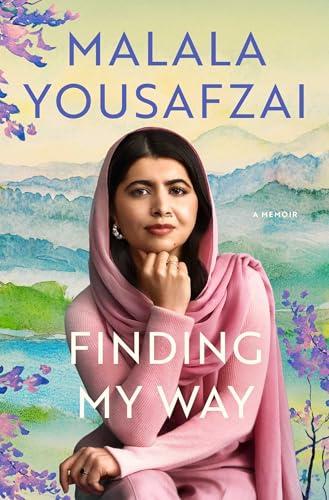
A Memoir
The host introduced the title as Malala Yousafzai's new memoir that reintroduces her, explores her college years, trauma and activism, and reveals the person beyond the public symbol, picking up where her first memoir left off. Tanya Mosley discussed the book across two episodes, highlighting its personal depth and continuation of her story.
The memoir was described as Malala's new memoir that reintroduces herself and explores her college years, trauma and activism.
Malala Yousafzai's new memoir is called Finding My Way.
The memoir was described as a new personal account that picks up where her first memoir left off and reveals the person beyond the public symbol.
Her new memoir, Finding My Way, reveals the person beyond the symbol.
This memoir, in a way, in many ways, picks up where your first memoir left off.
My guest today is Malala Yousafzai. We're talking about her new memoir, Finding My Way.
Malala Yousafzai's new memoir is called Finding My Way.
The show announced that Yousafzai would discuss her new memoir, Finding My Way, which details her life as a young Nobel Peace Prize laureate and her personal journey.
Tomorrow on Fresh Air, Malala Yousafzai, who became the youngest Nobel Peace Prize winner at age 17, discusses her new memoir, Finding My Way. It's about her life as a young woman navigating friendship, first love, and self-discovery, while living in the global spotlight.
The memoir was described as a new personal memoir that reveals the person beyond the public symbol and was the focus of the interview.
Her new memoir, Finding My Way, reveals the person beyond the symbol.
Could you read what you wrote about it in the book?
My guest today is Malala Yousafzai. We're talking about her new memoir, Finding My Way.
Malala Yousafzai's new memoir is called Finding My Way our interview was recorded in October.
It was described as a new memoir where the author shared a vulnerable story of a young woman navigating friendship, first love, and selfdiscovery while living in the global spotlight.
She became the youngest Nobel Peace Prize winner when she was 17 years old. In her new memoir, Finding My Way, she shares the vulnerable story of a young woman navigating friendship, first love, and self-discovery while living in the global spotlight.
The memoir was described as a new work that reveals the person beyond the public symbol and was the focus of the interview.
Her new memoir, Finding My Way, reveals the person beyond the symbol.
My guest today is Malala Yousafzai. We're talking about her new memoir, Finding My Way.
Her new memoir, Finding My Way, reveals the person beyond the symbol.
The memoir was described as sharing the vulnerable story of a young woman navigating friendship, first love and selfdiscovery while living in the global spotlight.
She became the youngest Nobel Peace Prize winner when she was 17 years old. In her new memoir, Finding My Way, she shares the vulnerable story of a young woman navigating friendship, first love, and selfdiscovery while living in the global spotlight.
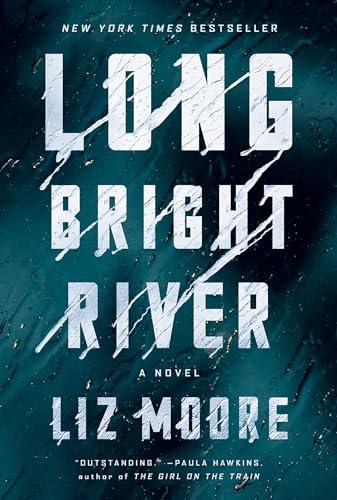
A Novel
The hosts highlighted the novel as a thriller set in a troubled Philadelphia neighborhood, focusing on a policewoman and her drug‑using sister, and noted its eight‑part TV adaptation on Peacock. They emphasized that the author considered it a breakthrough work that explores identity and reached a larger audience than her earlier books. Both Dave Davies and Liz Moore discussed its themes and popularity, presenting it positively to listeners.
The novel was identified as the source material for the Peacock series, described as an acclaimed, bestselling work that the show adapts.
Long Bright River is based on the bestselling novel by Liz Moore.
Based on the acclaimed novel by Liz Moore, who cowrote the series with Nicky Toscano, this eightpart story is set in Kensington, a struggling, opioidravaged, bluecollar Philadelphia neighborhood.
She mentioned it as Moore's previous superb novel about the opioid crisis in Philadelphia.
Moore's previous book, Long Bright River, was a superb novel about the opioid crisis in Philadelphia.
A superb novel about the opioid crisis in Philadelphia, mentioned as Moore's previous work.
Moore's previous book, Long Bright River, was a superb novel about the opioid crisis in Philadelphia.
The earlier novel by Moore was referenced as a superb social novel about the opioid crisis in Philadelphia.
Moore's previous book, Long Bright River, was a superb social novel about the opioid crisis in Philadelphia.
This thriller was about a policewoman in a troubled Philadelphia neighborhood where her drug-using sister worked as a sex worker. The novel was adapted into an eight-part TV series on Peacock, starring Amanda Seyfried, who received a Golden Globe nomination for her performance.
One, Long Bright River, a thriller about a policewoman patrolling a troubled Philadelphia neighborhood where her drug-using sister is a sex worker, was made into an eight-part TV series on Peacock.
This thriller, which was made into an eight-part TV series on Peacock starring Amanda Seyfried, is about a policewoman patrolling a troubled Philadelphia neighborhood where her drug-using sister is a sex worker. The author mentioned that the book deals with the mystery of identity, similar to her earlier novel 'The Unseen World.'
One, Long Bright River, a thriller about a policewoman patrolling a troubled Philadelphia neighborhood where her drug-using sister is a sex worker, was made into an eight-part TV series on Peacock.
And so Kensington itself was not receiving the national attention that it now receives.
Long Bright River and The God of the Woods are my quote unquote breakthrough novels in the sense that they've reached a larger audience than I ever had before but the only thing that differentiates them in my mind from my first novels are that one has they both each one contains a missing person at the start and therefore they are perceived as or categorized as thrillers or literary mysteries.
It was a thriller about a Philadelphia policewoman searching for her missing sister, set in the drugriddled Kensington neighborhood.
Let's talk about Longbright River. This is set in this Philadelphia neighborhood, Kensington, which has gotten some national attention. It's become a regional center for drug users just because it was a place where people learned they could score drugs.
The book was made into a series on Peacock, which you were cocreator, cowriter, executive producer for. I wasn't the showrunner, but I did have a lot of input and felt my input was respected.
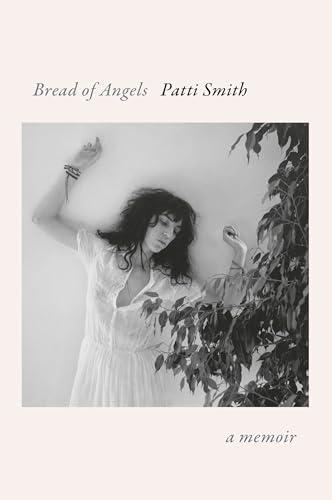
A Memoir
The hosts referenced the title as Patti Smith's newest memoir, noting its release while discussing her earlier work and recent activities such as touring and a Substack newsletter. Both episodes simply mentioned the book in passing without detailed analysis or endorsement.
The host mentioned that Patti Smith has a new memoir titled Bread of Angels, linking it to the discussion of her earlier work.
She has a new memoir called Bread of Angels.
The memoir was described as Patti Smith's newest book, highlighted while discussing her current activities and the reissue of her debut album.
These days, Patti Smith is still touring. She has a substack newsletter to chronicle her dreamiest thoughts and has a new memoir called Bread of Angels.
She also has a new memoir titled Bread of Angels coming up.
The new memoir was presented as both a sequel and a prequel to Just Kids, offering intimate updates about Smith's adoption story, paternity mystery, and sexual identity.
Bread of Angels is both a sequel and a prequel to Just Kids.
For instance, in Bread of Angels, Smith shares an update about the daughter she placed for adoption when she was 20, and reveals a mystery concerning her own paternity.
Maureen Corrigan noted it as Patti Smith's latest memoir, expanding on her 2010 memoir and delving into intimate material such as paternity secrets and her marriage to Fred Sonic Smith.
Patty Smith's latest memoir, Bread of Angels, expands upon her 2010 memoir that's since become a classic. Smith delves into more intimate material here, like the secret of her paternity, her sense of her own sexuality, and her 14year marriage to the late musician Fred Sonic Smith.
Smith's 2010 memoir was noted for its intimate exploration of personal history, including paternity, sexuality, and marriage.
Patti Smith's latest memoir Bread of Angels expands upon her 2010 memoir that's since become a classic, delving into more intimate material like the secret of her paternity, her sense of her own sexuality and her 14year marriage to the late musician Fred Sonic Smith.
Maureen Corrigan described Patti Smith's memoir Bread of Angels as a classic that expands on her earlier 2010 memoir, delving into intimate material such as paternity and sexuality.
Her latest memoir, Bread of Angels, expands upon her 2010 memoir that's since become a classic. Smith delves into more intimate material here, like the secret of her paternity, her sense of her own sexuality, and her 14year marriage to the late musician Fred Sonic Smith.
Corrigan referred to Patti Smith's 2010 memoir as a classic that delves into her paternity, sexuality and long marriage to Fred Sonic Smith, noting its intimate material.
Patti Smith's memoir Bread of Angels expands upon her 2010 memoir that's since become a classic, delving into the secret of her paternity, her sense of her own sexuality and her 14 year marriage to the late musician Fred Sonic Smith.
The book was cited as a staple of classic literature, appearing in a list of works read from a father's library, noted as a favorite novel for a text‑generation experiment, and referenced as part of the literary canon in a discussion of race. Guillermo del Toro, Vahini Vara, and Maureen Corrigan each highlighted it, emphasizing its status among enduring classics. The overall tone was appreciative and affirming.
Del Toro listed Moby Dick among the classic books he read from his father's library.
Moby Dick, Tom Huckleberry Finn, Edgar Allan Poe, Oscar Wilde.
Vara described typing the opening of the classic novel into an early AI model to see how it would continue the text.
I would just like I put in the beginning of Moby Dick, which is my favorite novel, and hit the button just to see what would happen.
Moby Dick was mentioned alongside other classic novels as part of the literary canon compared to The Great Gatsby.
All the other major contenders, and I'm thinking of books like Huckleberry Finn, Moby Dick, Beloved, foreground the issue of race.
Herzog referenced the novel as an example of a literary white whale while discussing metaphorical extremes.
In literature, you have it, for example, the white whale, Moby Dick, and the hunt for it.
Herzog used Moby Dick as an example of a literary metaphor about the white whale during the conversation.
there is a big metaphor like in literature you have it, for example, the white whale, Moby Dick, and the hunt for it or Don Quixote attacking the windmills with his lance.
Del Toro listed MobyDick among the classic novels he had read from his father's library.
He read them all. And that's where I read the Encyclopedia of Anatomy and Health. And that's where I read all my classics, you know, Moby Dick, Tom Sawyer, Huckleberry Finn, Edgar Allan Poe, Oscar Wilde.
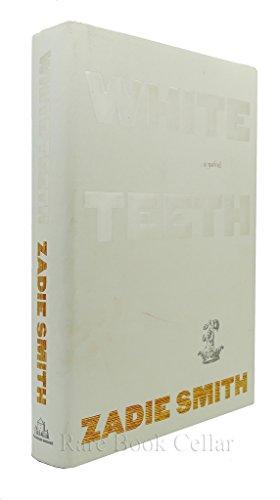
The host highlighted that the title was Zadie Smith's critically acclaimed bestselling debut, published when she was 25 in 2000, and noted her current perspective as a 50‑year‑old reflecting on generational gaps. The mention served to illustrate her career timeline rather than to recommend the work directly.
The host noted that it is Zadie Smith's critically acclaimed bestselling first novel, published when she was 25 in 2000, and that she is now 50.
Zadie Smith, her critically acclaimed bestselling first novel, White Teeth, was published when she was 25 in the year 2000. Now she's 50 and is looking at life as a middleaged woman and is thinking about the current generation gaps, including between millennials and Gen Xers.
The host noted that Zadie Smith's critically acclaimed bestselling debut, White Teeth, was first published when she was 25 in 2000, and that she is now 50.
Zadie Smith, her critically acclaimed best-selling first novel, White Teeth, was published when she was 25 in the year 2000. Now she's 50 and is looking at life as a middle-aged woman and is thinking about the current generation gaps, including between millennials and Gen Xers.
The host mentioned White Teeth as the debut novel that established Zadie Smith as a bestselling author.
including the novels White Teeth and On Beauty. Her new book, The Fraud, is a historical novel...
Smith became a critically acclaimed, bestselling author in her midtwenties with the publication of her novel White Teeth.
The book was cited as the breakthrough novel that made Smith a critically acclaimed bestselling author in her midtwenties.
She became a critically acclaimed bestselling author in her midtwenties with the publication of her novel White Teeth.
The host noted that Zadie Smith had published her debut novel, White Teeth, in 2000 when she was twentyfive, highlighting its critical success and bestseller status.
My guest Zadie Smith is probably tired of hearing this next sentence, but here goes. She published her first novel, White Teeth, in the year 2000 when she was 25. It was a critical success and an international bestseller.
Her first novel, White Teeth, was noted as having been published in 2000 when she was 25 and became a critical and international bestseller.
She published her first novel, White Teeth, in the year 2000 when she was 25.
A Novel
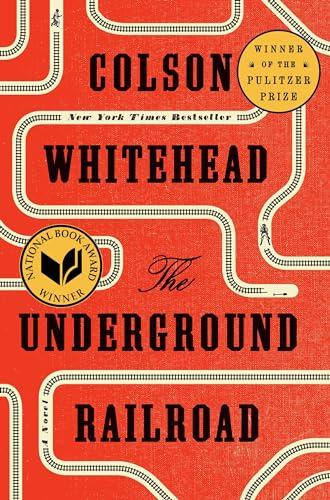
The title was highlighted for its critical acclaim, having won both the National Book Award and the Pulitzer Prize, and for being adapted into an Amazon series. Hosts such as Dave Davies, Terry Gross, and David Bianculli noted it as Whitehead's first Pulitzer‑winning novel and described it as an allegorical exploration of race in America through the perspectives of an escaped slave and a slave catcher. The consistent praise across episodes positioned the book as a standout work in the discussion.
The earlier novel was noted for its adaptation into a TV series and for winning the National Book Award and the Pulitzer Prize.
His 2016 novel, The Underground Railroad, was adapted into an Amazon TV series directed by Barry Jenkins, who directed Moonlight and If Beale Street Could Talk.
Your last book, The Underground Railroad, which won the National Book Award and the Pulitzer Prize, was a look at slavery.
It was mentioned as the first Pulitzer-winning novel by Whitehead, an allegory about race in America.
The first Pulitzer was for The Underground Railroad, an allegory about race in America, told through the stories of an escaped slave and a slave catcher.
Whitehead was noted for having written this Pulitzer Prizewinning novel before turning to crime fiction.
After writing two Pulitzer Prize-winning novels, The Underground Railroad and The Nickel Boys, he started writing crime novels set in Harlem.
The Underground Railroad was mentioned as the first of Whitehead's Pulitzerwinning novels, described as an allegory about race in America.
The first Pulitzer was for The Underground Railroad, an allegory about race in America told through the stories of an escaped slave and a slave catcher.
The host described it as an allegory about race in America that follows an escaped slave and a slave catcher.
The Underground Railroad, an allegory about race in America told through the stories of an escaped slave and a slave catcher.
The host mentioned that the author had previously written the Pulitzerwinning novel The Underground Railroad.
After writing two Pulitzer Prizewinning novels, The Underground Railroad and The Nickel Boys, he started writing crime novels set in Harlem.
A Novel
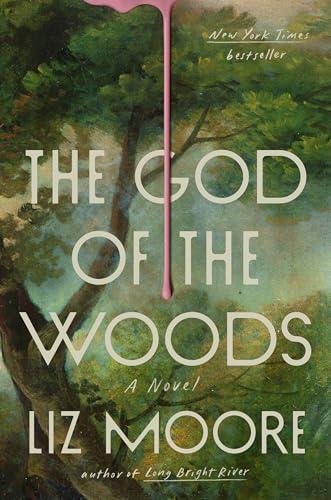
The book was highlighted as the author’s latest bestseller, focusing on a missing girl at an Adirondack summer camp, and was noted for being adapted into a Netflix series. Host Dave Davies relayed critic Maureen Corrigan’s praise, saying she felt completely immersed in its rich fictional world, and the author discussed the title’s evolution from a self‑help sounding name. The overall tone was enthusiastic, presenting the novel as a compelling and immersive read.
She described it as a gothicexcess story about two children from a wealthy family who disappear from a camp in the Adirondacks.
Liz Moore's The God of the Woods is something stranger and unforgettable, a gothicexcess about two children from the wealthy Van Laar family disappearing from a camp in the Adirondacks.
A gothictinged story about two missing Van Laar children in the Adirondacks, following Moore's earlier acclaimed novel Long Bright River.
Liz Moore's The God of the Woods has a touch of gothic excess about Moore's story, beginning with the premise that not one, but two children from the wealthy Van Laar family disappear from a camp in the Adirondacks some 14 years apart. Moore's previous book, Long Bright River, was a superb novel about the opioid crisis in Philadelphia.
The literary suspense novel was praised for its gothic excess and intricate plot involving missing children at a summer camp.
Liz Moore's extraordinary new literary suspense novel called The God of the Woods reminds me of Donna Tartt's 1992 debut, The Secret History. Both are thick, intricate novels featuring young people isolated in enclosed worlds ... The God of the Woods is something weirder and stranger and unforgettable.
The latest bestseller by the author centers on a missing girl at a summer camp located in the Adirondacks. One critic mentioned being thoroughly submerged in the rich fictional world for hours after reading it. The book was available in paperback as of the broadcast date.
Our book critic Maureen Corrigan said when she read it, quote, I was so thoroughly submerged in a rich fictional world that for hours I barely came up for air.
Liz Moore's latest novel, The God of the Woods, is now available in paperback.
This was the author's latest bestseller, which centers on a missing girl at a summer camp in the Adirondacks and was announced to be adapted into a Netflix TV series. The original title was 'Self-Reliance,' but it was changed because the publisher felt it sounded too much like a self-help book. The final title refers to the Greek god Pan, who was said to make people feel lost in the woods.
Our book critic Maureen Corrigan said when she read it, quote, I was so thoroughly submerged in a rich fictional world that for hours I barely came up for air.
Liz Moore's latest bestseller, The God of the Woods, is set in a remote children's camp in the Adirondacks, where a young camper goes mysteriously missing.
The original title of the novel was not The God of the Woods. I called it self-reliance for the entire time that I was writing it, up to about a year before its publication when everybody at Riverhead Books simultaneously broke the news to me that they hated the title self-reliance, which I don't blame them for.
The word Adirondack actually means 'The Bark Eaters,' which was a title she entertained.
Liz Moore's latest novel, The God of the Woods, is now available in paperback.
It was a mystery about a child who went missing from a remote Adirondack children's camp, exploring class conflict and survival skills.
I was so thoroughly submerged in a rich fictional world that for hours I barely came up for air.
The God of the Woods centers on one of these great camps. It's fictional, and the family in question is fictional. And just down the hill from the great camp is a summer camp from which their own 13yearold daughter goes missing.
The Origins of Our Discontents
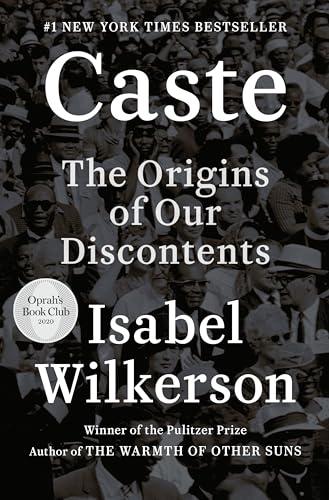
The book was referenced as the source material for the film Origin and was highlighted for its extensive examination of caste systems across history, drawing parallels between India, Nazi Germany, and the United States. Host Tanya Mosley and director Ava DuVernay discussed it, noting its academic depth, bestseller status, and the fact that DuVernay reread it multiple times despite its density. The overall tone conveyed that it was a compelling, rigorous work that listeners were encouraged to explore.
The book was cited as the source material for the film Origin, where it examined caste systems across history.
Origin is based on Wilkerson's book Cast, where she explores the concept of cast systems, drawing parallels to India, Nazi Germany and the United States.
The book was described as a bestselling, academic work that draws connections between India's caste system, Nazi Germany, and the historic subjugation of Black people in the United States; it was noted as dense and required multiple readings.
The film is inspired by Isabel Wilkerson's book Caste, The Origins of Our Discontents.
When my guest Ava DuVernay first read Isabel Wilkerson's book, Caste, The Origins of Our Discontents, she was so stunned she reread it two more times. The bestselling book draws a line between India's Caste system, the hierarchies of Nazi Germany, and the historic subjugation of Black people in the United States.
The book is academic in nature, 496 pages filled with facts and historical notes.
I think I was just trying to survive the pandemic, you know. I think of, it came out, the book, about two months after the murder of George Floyd... the book had sat on my nightstand for a while and you know, one of those pandemic days you pick it up and you start to explore and it drew me in but I didn't really understand it. It's a dense book.
And when I finally got through it, I wasn't satisfied with my retention of the theory, my real integration of it into my understanding. I felt that I had a surface understanding and so I read it again just to satisfy myself.
The book examined caste systems worldwide and linked them to American racial hierarchy; DuVernay read it multiple times and used its insights for her film.
the film is inspired by Isabel Wilkerson's book Caste, The Origins of Our Discontents.
When my guest Ava DuVernay first read Isabel Wilkerson's book, Caste, The Origins of Our Discontents, she was so stunned she re-read it two more times.
The bestselling book draws a line between India's Caste system, the hierarchies of Nazi Germany, and the historic subjugation of black people in the United States.
I think I was just trying to survive the pandemic... the book had sat on my nightstand for a while and I picked it up and it drew me in but I didn't really understand it.
It's a dense book, and when I finally got through it, I wasn't satisfied with my retention of the theory, my real integration of it into my understanding.
The host described it as a bestselling, academic work of 496 pages that links India's caste system, Nazi Germany's hierarchies, and the historic subjugation of Black Americans, and noted that DuVernay read it multiple times during the pandemic and found it dense yet compelling.
When my guest Ava DuVernay first read Isabelle Wilkerson's book Caste, The Origins of Our Discontents, she was so stunned she reread it two more times.
The bestselling book draws a line between India's Caste system, the hierarchies of Nazi Germany, and the historic subjugation of black people in the United States. The book is academic in nature, 496 pages filled with facts and historical notes.
Okay, so I want to put myself in the place where you were when you read Caste three times.
One of those pandemic days you pick it up and you start to explore and it drew me in, but I didn't really understand it. It's a dense book.
I think that's one of the reasons why I was attracted to the book.
The host mentioned the book while introducing the film review, noting it was written by PulitzerPrizewinning author IsabelWilkerson.
the book Cast, The Origins of Our Discontents by Pulitzer Prizewinning author Isabel Wilkerson
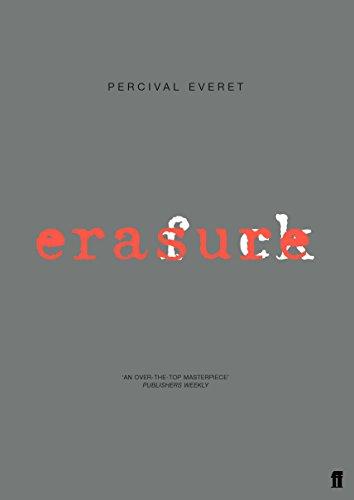
The book was repeatedly highlighted as the source material for the film American Fiction, with the hosts noting copies on set and discussing its satirical take on authenticity and identity. Cord Jefferson, the film’s director, said he devoured the novel and felt it spoke directly to his own life, underscoring its relevance. The overall tone was enthusiastic and endorsing.
Erasure, Everett's 2001 novel, satirically examines literary authenticity and identity, later adapted into the film American Fiction.
It's shaping up to be quite a year for Percival Everett; his 2001 novel Erasure was adapted into the acclaimed film American Fiction and his latest novel James has just come out.
The novel was mentioned as the source material for the film American Fiction and copies of it were noted to be on set during production.
The film is adapted and directed by Court Jefferson and is based on the novel Erasure by Percival Everett.
Copies of Percival Everett's Erasure lying around the set.
The novel Erasure was cited as the source material for the film American Fiction, and copies were seen around the set as the crew read it.
The film is adapted and directed by Kurt Jefferson and is based on the novel Erasure by Percival Everett.
The crew, you would see copies of Percival Everett's Erasure lying around the set. They were reading the book, wanting to understand more about this story that we were telling.
The novel was identified as the 2001 book that the film American Fiction adapts, and the director said he devoured it and felt it spoke directly to his own life.
The film is based on Percival Everett's 2001 book Erasure; I devoured it, reading it over and over, and it felt like a book written specifically for me, with themes that paralleled my own life.
The film American Fiction was said to be based on Percival Everett's 2001 novel Erasure, which Jefferson read avidly and felt a strong personal connection to.
In court, this film is based on Percival Everett's 2001 book, Erasure.
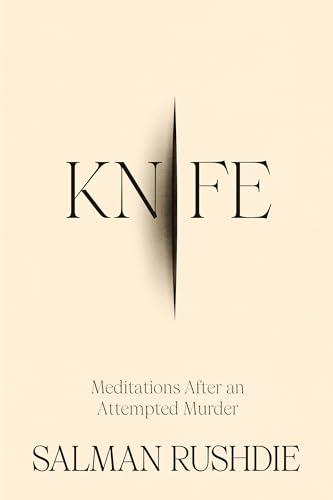
Meditations After an Attempted Murder
The book was highlighted as Salman Rushdie's memoir about the knife attack he survived, exploring the physical trauma and the existential questions it raised. Host Terry Gross and other interviewers discussed how Rushdie felt compelled to write it before tackling any other projects, noting its candid reflection on identity and survival. The conversation conveyed a strong endorsement of the memoir’s insight and emotional depth.
This was Salman Rushdie's new memoir detailing the knife attack that nearly killed him, the resulting damage to his body, and existential questions about facing death and finding identity in an altered state. He felt compelled to write it before he could write anything else.
His new book is called Knife.
Rushdie's new memoir is called Knife.
These are some of the questions Rushdie asked himself in his new memoir, Knife, Meditations After an Attempted Murder.
But his memoir, Knife, is a book he says he had to write before he could write anything else.
I'm grateful to say that Solomon Rushdie is my guest because I love his new memoir, and I'm grateful that he's alive.
This new memoir documented Rushdie's experience of being attacked, the physical damage he sustained, and deeper existential questions about facing death and redefining his identity afterward. He felt it was a book he had to write before he could move on to any other writing projects.
His new book is Knife.
These are some of the questions Rushdie asked himself in his new memoir Knife, Meditations After an Attempted Murder.
But his memoir Knife is a book he says he had to write before he could write anything else.
And I remember just like a pinata and let him just slash away.
And so it feels like it's back in my own authorial space and I feel more in charge of it you know and so it feels good. Instead of being a victim you're controlling the story.
This is the title of Salman Rushdie's new book, which discusses the knife attack he survived.
Rushdie's new book is called Knife.
Griffiths discussed Rushdie's memoir Knife, noting it was published and that it briefly mentioned their wedding day.
I interviewed your husband Salman Rushdie after his memoir Knife was published. And Knife is about the Knife attack on him when he was being interviewed at the Chautauqua Festival.
I read different parts of the memoir as Salman was writing it. Salman and I had a discussion about the writing in Knife about the wedding day.
Salman Rushdie wrote this memoir about the knife attack on him while he was being interviewed at the Chautauqua Festival.
I interviewed your husband, Salman Rushdie, after his memoir Knife was published. And Knife is about the Knife attack on him when he was being interviewed at the Chautauqua Festival in western upstate New York.
And he describes it as a day of like beautiful weather, a day of joy. He doesn't mention the death of your friend Aisha and the crisis mode that you were in.
And I think in the arc of Knife, having suddenly a detour to describe a very traumatizing wedding day would have changed the lens for the arc of Knife and what Knife was focusing on.
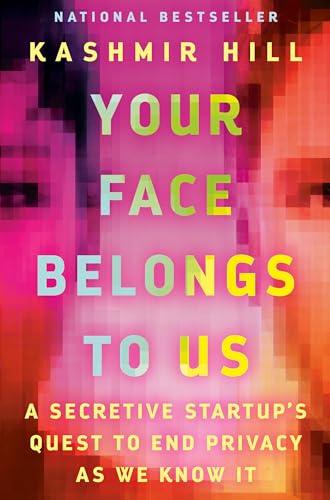
A Secretive Startup's Quest to End Privacy as We Know It
Across several episodes, the host introduced the book as a thorough investigation by Kashmir Hill into the rise of facial‑recognition technology and its alarming impact on privacy and civil liberties, using Clearview AI as a key example. The discussion emphasized the book’s relevance to understanding the threats posed by secretive AI startups and positioned it as essential listening for the audience.
The book was mentioned as the work authored by Kashmir Hill, exploring the rise of facial recognition technology and its impact on privacy.
Hill is also the author of Your Face Belongs to Us, A Secretive Startup's Quest to End Privacy as We Know It, which investigates the rise of facial recognition tech and its disturbing implications for civil liberties.
The book was described as a deep investigation into the rise of facialrecognition technology and its unsettling impact on privacy and civil liberties.
Hill is also the author of Your Face Belongs to Us, a secretive startup's quest to end privacy as we know it, which investigates the rise of facial recognition tech and its disturbing implications for civil liberties.
The book examined the rise of facialrecognition technology and its threat to privacy, using Clearview AI as a central case study.
author of Your Face Belongs to Us.
Now she has a new book called Your Face Belongs to Us, a secretive startup's quest to end privacy as we know it.
Kashmir Hill, thank you so much for your reporting in your new book.
The book examined the secretive startup Clearview AI and its impact on privacy, describing how the technology threatens personal anonymity.
Now she has a new book called Your Face Belongs to Us, a secretive startup's quest to end privacy as we know it.
My guest is Kashmir Hill, a tech reporter for The New York Times and author of the new book Your Face Belongs to Us.
Her new book is called Your Face Belongs to Us, a secretive startup's quest to end privacy as we know it.
I wrote this book right now because we need to figure out what we want or this will become very widespread.
Kashmir Hill is a tech reporter for The New York Times and author of the new book, Your Face Belongs to Us.
The book was mentioned as the work authored by the upcoming guest, Kashmir Hill, and the interview would focus on facial recognition technology and its implications.
My guest will be New York Times tech reporter Kashmir Hill, author of Your Face Belongs to Us.
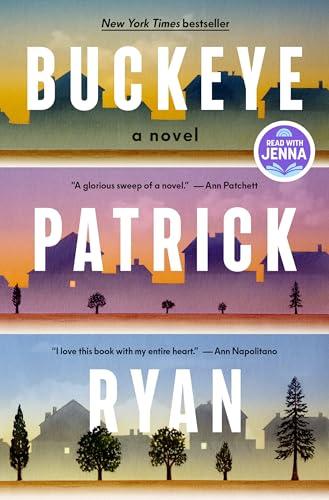
A Read with Jenna Pick
The book was described as a straightforward historical novel set in Ohio that spans from the pre‑World War II era to the close of the 20th century, focusing on the lives of two married couples. Maureen Corrigan highlighted its clear narrative approach in both episodes where it was mentioned.
Maureen Corrigan described it as a straightforward historical novel set in Ohio, spanning from preWorld WarII to the close of the 20thcentury and focusing on two married couples.
Patrick Ryan's Buckeye is a more straightforward historical novel, set, as its title indicates, in Ohio. Stretching from pre-World War II to the close of the 20th century, the story focuses on two married couples.
The historical novel traced Ohio's evolution from the preWorld War era to the end of the 20th century through the lives of two married couples.
Patrick Ryan's Buckeye is a more straightforward historical novel set as its title indicates in Ohio stretching from preWorld Juve to the close of the 20th century.
Maureen Corrigan described Patrick Ryan's Buckeye as a straightforward historical novel set in Ohio, spanning from preWorld WarII to the end of the 20th century.
Patrick Ryan's Buckeye is a more straightforward historical novel, set, as its title indicates, in Ohio. Stretching from preWorld WarII to the close of the 20th century, the story focuses on two married couples.
Corrigan described Buckeye as a straightforward historical novel set in Ohio that stretches from the early 20th century to the close of the 20th, focusing on two married couples.
Patrick Ryan's Buckeye is a more straightforward historical novel set as its title indicates in Ohio stretching from pre-World Juve to the close of the 20th century the story focuses on two married couples.
Maureen Corrigan reviewed the novel, describing its sweeping historical scope across two married couples from World WarII to the late20thcentury and praising its wry, contemplative tone.
The first big novel of the fall publishing season is out and our book critic Maureen Corrigan is on it -- here's her review of Buckeye by Patrick Ryan.
I began reading Buckeye backwards, my head moving from right to left by page nine; the title indicates Buckeye is ... the story which focuses on two married couples stretches from preWorldII to the close of the 20thcentury, following Margaret Salt and Felix, a closeted gay man, and later Cal Jenkins and Becky.
Ryan's previous books include the standout 2016 shortstory collection The Dream Life of Astronauts as well as three YA novels.
Cal was born with one leg two inches shorter than the other, keeping him out of WorldII and into Margaret's path; Becky discovers in childhood she can communicate with the dead, a gift that becomes a grim comfort during the Vietnam War.
If there's a flaw in this overwhelming novel it may be that the characters are a bit too uniformly eloquent and selfaware, but the epiphanies are expressed as beautifully as the prose itself.
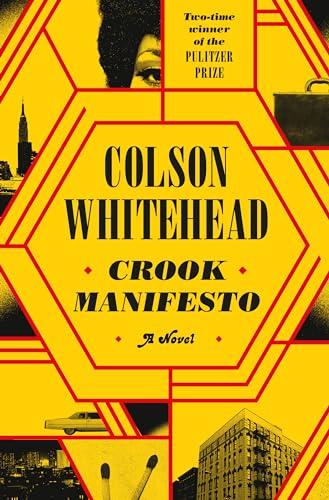
A Novel (The Harlem Trilogy)
The hosts highlighted the book as the sequel to a previous Harlem novel, set in early‑1970s Harlem and following Ray Carney as he returns to crime to secure concert tickets for his daughter. Terry Gross and guest David Bianculli described it as an entertaining crime story that spans small‑time crooks to revolutionaries and noted its recent paperback release. The discussion emphasized its engaging plot and place in Whitehead’s projected Harlem trilogy.
The novel was noted as the sequel to Harlem Shuffle, set in 1970s Harlem and had just been released in paperback. It follows Ray Carney as he is drawn back into crime to obtain concert tickets for his daughter.
It was published last summer and came out in paperback this week.
Crook Manifesto brings back the main character, Ray Carney, the owner of a furniture store on 125th Street in Harlem, who takes pride in upgrading his customers' living rooms with comfortable quality sofas and recliners.
In the opening of Crook Manifesto, he's been retired from crime for four years, but when his daughter insists she needs tickets to the Jackson 5 concert, he goes to a corrupt white cop to get them, which forces him to fence jewels.
Crook Manifesto is the second in Whitehead's projected trilogy of Harlem novels; the first, Harlem Shuffle, was set in the 60s and the third will be set in the 80s.
His latest novel Crook Manifesto has just been published in paperback.
Whitehead's latest crime novel was highlighted as an entertaining paperback release about Harlembased crime.
His most recent, Crook Manifesto, is an entertaining read about crime at every level, from smalltime crooks to revolutionaries, cops, politicians, and Harlem's elite. It's now out in paperback.
The host described Crook Manifesto as an entertaining crime novel set in Harlem during the early 1970s, a sequel to Harlem Shuffle. Later the interview highlighted it as Whitehead's new book and read a passage from it.
His new one, Crook Manifesto, is an entertaining read about crime at every level, from small-time crooks to revolutionaries, cops, politicians, and Harlem's elite.
The new novel, Crook Manifesto, takes place from 1971 to 76.
That's Colson Whitehead reading from his new novel Crook Manifesto.
His new book Crook Manifesto is a crime novel set in Harlem in the 70s. It's a sequel to his novel Harlem Shuffle, which was set in the 60s.
Colson Whitehead's new novel is Crook Manifesto.
The new sequel to Harlem Shuffle was presented as taking place from 1971 to 1976, following Ray Carney's return to crime after a retirement.
The new novel, Crook Manifesto, takes place from 1971 to 76.
That's Colson Whitehead reading from his new novel, Crook Manifesto.
The segment described Whitehead's new novel Crook Manifesto as an entertaining read about crime at every level.
His new one, Crook Manifesto, is an entertaining read about crime at every level, from smalltime crooks to revolutionaries, cops, politicians, and Harlem's elite.
Note: The book recommendations on this page are discovered automatically from podcast transcripts, and may be incorrect or incomplete.
Podcast Name