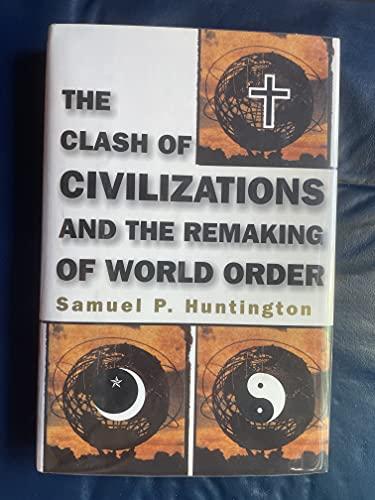
The Clash of Civilizations and the Remaking of World Order
Samuel P. Huntington
Mentioned 5 months ago
It Could Happen Here Weekly 220
There’s a reason the History Channel has produced hundreds of documentaries about Hitler but only a few about Dwight D. Eisenhower. Bad guys (and gals) are eternally fascinating. Behind the Bastards dives in past the Cliffs Notes of the worst humans in history and exposes the bizarre realities of th...
Recently mentioned
Samuel P. Huntington
Mentioned 5 months ago
It Could Happen Here Weekly 220
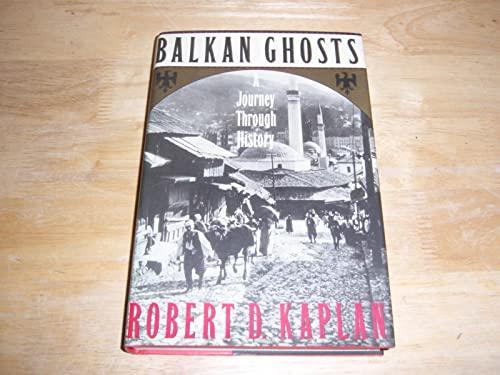
Robert D. Kaplan
Mentioned 5 months ago
It Could Happen Here Weekly 220
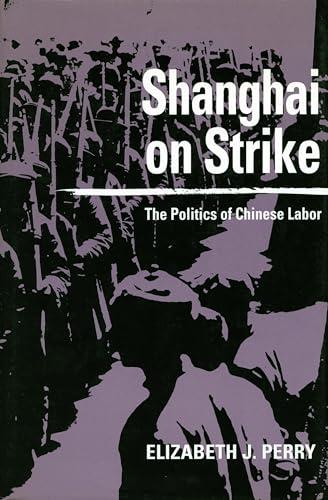
Elizabeth J. Perry
Mentioned 5 months ago
It Could Happen Here Weekly 220
J.R.R. Tolkien
Mentioned 5 months ago
Part One: How Jeffrey Epstein Helped Build the Modern World

Joshua Green
Mentioned 5 months ago
Part One: How Jeffrey Epstein Helped Build the Modern World

Professor Gilles Deleuze
Mentioned 5 months ago
It Could Happen Here Weekly 219

Madoka Kishi
Mentioned 5 months ago
It Could Happen Here Weekly 219
Samuel Miller McDonald
Mentioned 5 months ago
It Could Happen Here Weekly 219
Klaus Mann
Mentioned 5 months ago
It Could Happen Here Weekly 219
Mentioned 5 months ago
The Greg Bovino Episode Extravaganza!
Robert A. Heinlein
Mentioned 5 months ago
The Greg Bovino Episode Extravaganza!
John Lindsay-Poland
Mentioned 5 months ago
It Could Happen Here Weekly 218
A Plant's-Eye View of the World
The author discusses how plants that we thought we were domesticating were also domesticating us. This is because the plants have become reliant on humans to weed out competition, provide nutrients, and protect them from pests.
I read this book, I think last year, called Botany of Desire.
— Episode: It Could Happen Here Weekly 30
The author discusses how plants that we thought we were domesticating were also domesticating us. This is because the plants have become reliant on humans to weed out competition, provide nutrients, and protect them from pests.
I read this book, I think last year, called Botany of Desire.
And in it, the guy, what's his name? And in it, Michael Poulin talks about how the plants we thought we were domesticating domesticated us too.
The author talks about how the plants humans think they are domesticating are domesticating them too. The author's name was mentioned in the podcast but the book title was mentioned before that.
I read this book, I think last year, called Botany of Desire. And in it, the guy, what's his name? And in it, Michael Poulin talks about how the plants we thought we were domesticating domesticated us too.
It was mentioned as a book written by a British historian that was critical of the Irish famine. A passage was read from it about the Irish being conquered and subjugated.
The land system thus introduced was a method of government, a badge of conquest and a means of holding and subjection of the people.
— Episode: Part One: That Time Britain Did A Genoci...
It was mentioned as a book written by a British historian that was critical of the Irish famine. A passage was read from it about the Irish being conquered and subjugated.
The land system thus introduced was a method of government, a badge of conquest and a means of holding and subjection of the people.
Ireland was a conquered country, the Irish peasant a dispossessed man and his landlord an alien conqueror.
It was mentioned in the podcast, with an excerpt read from the book, which detailed the land system implemented by the English in Ireland and how it was a method of conquest and subjugation, leading to the dispossession of Irish peasantry.
The land system thus introduced was a method of government, a badge of conquest and a means of holding and subjection of the people.
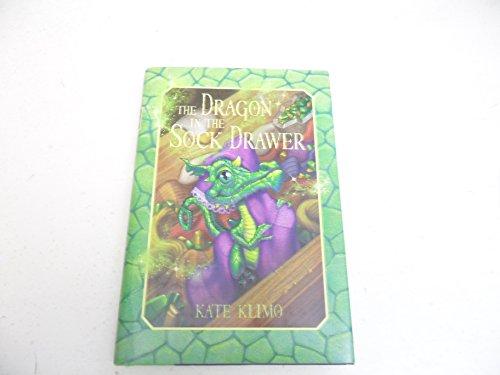
The Dragon in the Hydra, was written by Russell Maroon Schultz. It was described as an essay which discussed historical organizational methods that compared different forms of resistance to colonial settlement and enslavement.
The Dragon in the Hydra
— Episode: It Could Happen Here Weekly 28
The Dragon in the Hydra, was written by Russell Maroon Schultz. It was described as an essay which discussed historical organizational methods that compared different forms of resistance to colonial settlement and enslavement.
The Dragon in the Hydra
The Dragon in the Hydra is a historical study of organizational methods and compares different types of resistance to colonial settlement and enslavement. It talks about the maroon movement and compares centralized movements with decentralized movements.
Yeah, one thing I kind of want to plug is Russell Maroon Schultz wrote a really interesting, I don't know exactly what the name for it, essay, I guess, called The Dragon in the Hydra, which is a study of historical study of organizational methods and it's about basically a comparison of different kinds of resistance to colonial settlement and enslavement that talks a lot about the maroon movement, talks about the problems that these highly centralized top-down movements ran into versus the kind of stuff that these more decentralized, less hierarchical maroon movements face. It's really pretty short, so everyone should just read it because it's great.
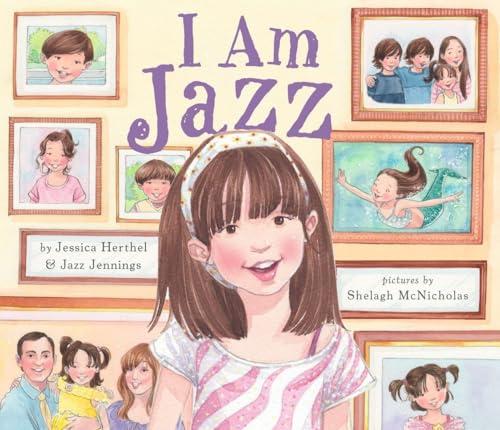
The picture book was included on a list of books that No Left Turn claimed were used to indoctrinate kids into a dangerous ideology.
The picture book I Am Jazz, Kate Bornstein's My Gender Workbook and the YA novel Two Boys Kissing also included as Margaret Atwood's The Handmaid's Tale.
— Episode: It Could Happen Here Weekly 27
The picture book was included on a list of books that No Left Turn claimed were used to indoctrinate kids into a dangerous ideology.
The picture book I Am Jazz, Kate Bornstein's My Gender Workbook and the YA novel Two Boys Kissing also included as Margaret Atwood's The Handmaid's Tale.
The picture book was indiscriminately targeted by No Left Turn because it simply featured queer people having lives.
The picture book I Am Jazz
A Step-by-Step Guide to Achieving World Peace Through Gender Anarchy and Sex Positivity
The book was included on a list of books that No Left Turn claimed were used to indoctrinate kids into a dangerous ideology.
The picture book I Am Jazz, Kate Bornstein's My Gender Workbook and the YA novel Two Boys Kissing also included as Margaret Atwood's The Handmaid's Tale.
— Episode: It Could Happen Here Weekly 27
The book was included on a list of books that No Left Turn claimed were used to indoctrinate kids into a dangerous ideology.
The picture book I Am Jazz, Kate Bornstein's My Gender Workbook and the YA novel Two Boys Kissing also included as Margaret Atwood's The Handmaid's Tale.
The book was indiscriminately targeted by No Left Turn because it simply featured queer people having lives.
Kate Bornstein's My Gender Workbook
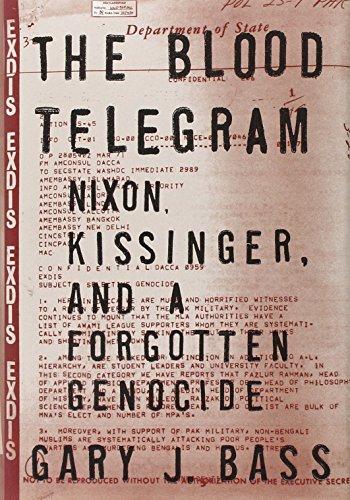
Nixon, Kissinger, and a Forgotten Genocide
The book was referenced for a passage that was read out loud, detailing Nixon's personality and a question about his potential with love and affection.
Despite all his global FaceTime, Nixon was a solitary, awkward, reclusive man. Kissinger, who could not bring himself to say that he was fond of the president, once famously asked, 'Can you imagine wh...
— Episode: Part Four: Kissinger
The book was referenced for a passage that was read out loud, detailing Nixon's personality and a question about his potential with love and affection.
Despite all his global FaceTime, Nixon was a solitary, awkward, reclusive man. Kissinger, who could not bring himself to say that he was fond of the president, once famously asked, 'Can you imagine what this man would have been had somebody loved him?'
Nixon's only true friend was Bebe Rebozo, a Florida banker. He said, 'It doesn't come natural to me to be a buddy-buddy boy.'
The book was referenced for its detailed account of Nixon's personality and his relationship with Kissinger, particularly highlighting Nixon's reclusive nature and Kissinger's assessment of the president's lack of love.
Despite all his global FaceTime, Nixon was a solitary, awkward, reclusive man. Kissinger, who could not bring himself to say that he was fond of the president, once famously asked, 'Can you imagine what this man would have been had somebody loved him?'
Nixon's only true friend was Bebe Rebozo, a Florida banker. He said, 'It doesn't come natural to me to be a buddy-buddy boy.'
Even H.R. Haldeman, the White House chief of staff, worried that the boss was too much in his own head and once tried to find the president a friend, tracking down an oil man whom Nixon had reportedly liked in his Los Angeles days and installing him in a bogus White House job.
Frank Mourning Cognac!
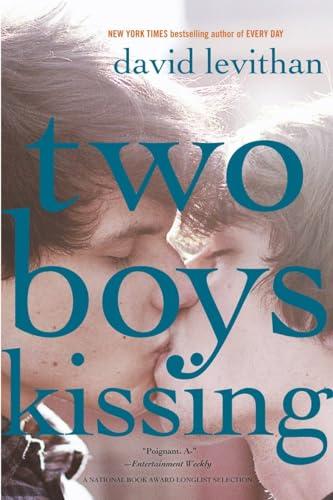
The YA novel was included on a list of books that No Left Turn claimed were used to indoctrinate kids into a dangerous ideology.
The picture book I Am Jazz, Kate Bornstein's My Gender Workbook and the YA novel Two Boys Kissing also included as Margaret Atwood's The Handmaid's Tale.
— Episode: It Could Happen Here Weekly 27
The YA novel was included on a list of books that No Left Turn claimed were used to indoctrinate kids into a dangerous ideology.
The picture book I Am Jazz, Kate Bornstein's My Gender Workbook and the YA novel Two Boys Kissing also included as Margaret Atwood's The Handmaid's Tale.
The YA novel was indiscriminately targeted by No Left Turn because it simply featured queer people having lives.
The YA novel Two Boys Kissing
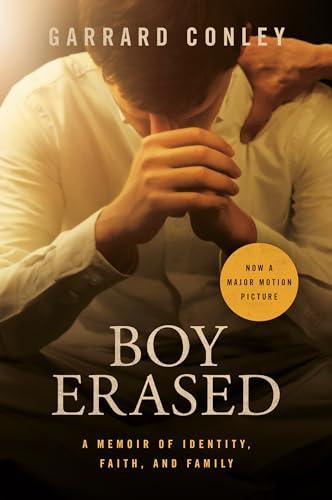
A Memoir
The book, which focuses on the effects of conversion therapy, was recommended by a guest as a resource for learning more about the topic.
And then if you want to learn more about the effects of the deconversion therapy universe, Gary Conley's book Boy Erased is fucking great.
— Episode: It Could Happen Here Weekly 27
The book, which focuses on the effects of conversion therapy, was recommended by a guest as a resource for learning more about the topic.
And then if you want to learn more about the effects of the deconversion therapy universe, Gary Conley's book Boy Erased is fucking great.
The book was highly recommended for learning more about the effects of the deconversion therapy universe.
Gary Conley's book Boy Erased is fucking great.

A Novel
The novel, written by a trans author, was recommended as a resource for learning about the experiences of trans people.
I would also recommend like if you want to have a like, you know, trans authors take on the transition, the novel de transition baby is out there. It exists is again one person's take. It's not a mono...
— Episode: It Could Happen Here Weekly 27
The novel, written by a trans author, was recommended as a resource for learning about the experiences of trans people.
I would also recommend like if you want to have a like, you know, trans authors take on the transition, the novel de transition baby is out there. It exists is again one person's take. It's not a monolithic thing but it's a it's a good novel.
The novel was recommended for learning more about a trans author's take on transitioning.
The novel de transition baby is out there. It exists is again one person's take. It's not a monolithic thing but it's a it's a good novel.
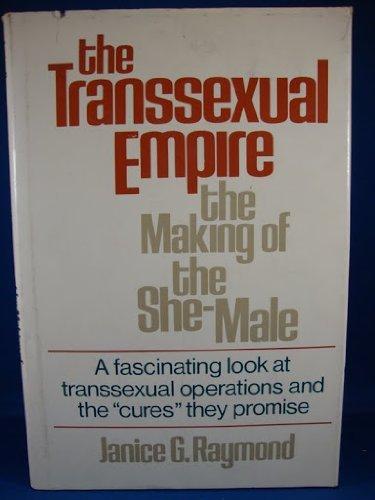
The making of the she-male
Raymond's book was described as vehemently transphobic.
Their heroes were people like Janice Raymond, author of the vehemently transphobic screen The transsexual empire.
— Episode: It Could Happen Here Weekly 27
Raymond's book was described as vehemently transphobic.
Their heroes were people like Janice Raymond, author of the vehemently transphobic screen The transsexual empire.
The book was described as vehemently transphobic and the author was largely run out of the mainstream American feminist movement with the rest of her TERF companions.
The transsexual empire
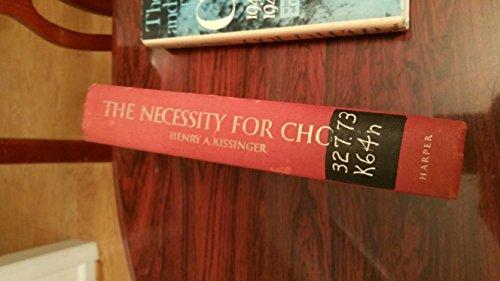
Prospects of American Foreign Policy
Kissinger's book, published in 1961, was a pessimistic look at US foreign policy and warned of a potential decline in American influence, even during a period of peak power.
So in 1961, he publishes a book titled The Necessity of Choice, which is his manifesto on how the United States should approach foreign policy in the 1960s.
— Episode: Part Two: Kissinger
Kissinger's book, published in 1961, was a pessimistic look at US foreign policy and warned of a potential decline in American influence, even during a period of peak power.
So in 1961, he publishes a book titled The Necessity of Choice, which is his manifesto on how the United States should approach foreign policy in the 1960s.
The United States cannot afford another decline like the one which has characterized the past decade and a half. 15 years of more of a deterioration of our position in the world, such as we have experienced since World War Two, would find us reduced to Fortress America in a world in which we had become largely irrelevant. Our margin of survival has narrowed dangerously.
Kissinger's book, 'The Necessity of Choice', was published in 1961 as a manifesto on US foreign policy during the 1960s. It conveyed a sense of urgency and a need for decisive action to maintain American influence globally.
So in 1961, he publishes a book titled The Necessity of Choice, which is his manifesto on how the United States should approach foreign policy in the 1960s.
The United States cannot afford another decline like the one which has characterized the past decade and a half.
15 years of more of a deterioration of our position in the world, such as we have experienced since World War Two, would find us reduced to Fortress America in a world in which we had become largely irrelevant.
Our margin of survival has narrowed dangerously.
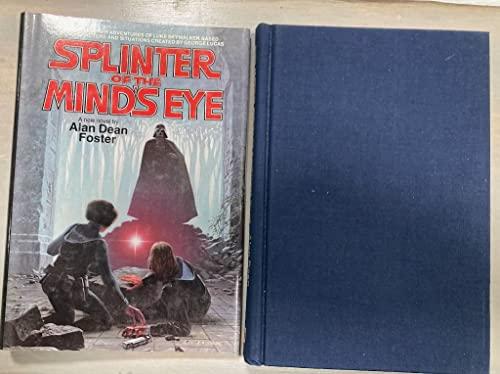
From the Adventures of Luke Skywalker
It was mentioned as a bad Star Wars book that the speaker owns.
Oh God. Which I am very curious to see who will get that joke.
— Episode: It Could Happen Here Weekly 26
It was mentioned as a bad Star Wars book that the speaker owns.
Oh God. Which I am very curious to see who will get that joke.
This is why I have a beautiful copy of Splinter in the Mind's Eye.
The book was mentioned in a joking manner, the speaker was curious to see who would get the joke.
This is why I have a beautiful copy of Splinter in the Mind's Eye.
Career Strategies for Law Enforcement Officers
The podcasters talked about a book called "The Thin Blue Line International", which discusses the global solidarity between cops.
I think there's a book called The Thin Blue Line International
— Episode: It Could Happen Here Weekly 24
The podcasters talked about a book called "The Thin Blue Line International", which discusses the global solidarity between cops.
I think there's a book called The Thin Blue Line International
The book was mentioned as a potential title for a book about the international network of police officers, but the speaker is unsure about the actual title.
I think there's a book called The Thin Blue Line International but it's, yeah, I mean that's a thing. You see this basically everywhere.
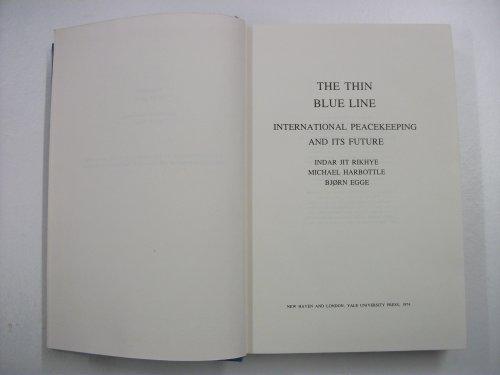
International peacekeeping and its future
The podcast host mentioned this book, possibly about international police solidarity.
I think there's a book called The thin blue line International, but it's, yeah, I mean, that, that's a thing, like, you see this basically everywhere. The cops like the the comps know...
— Episode: It Could Happen Here Weekly 24
The podcast host mentioned this book, possibly about international police solidarity.
I think there's a book called The thin blue line International, but it's, yeah, I mean, that, that's a thing, like, you see this basically everywhere. The cops like the the comps know which side they're on and it's the side of the other cops.
The speaker mentioned that they had seen a book by that name and it alluded to the international solidarity among police officers.
I think there's a book called The thin blue line International, but it's yeah, I mean, that, that's a thing like you see this basically everywhere. The cops like the the comps know which side they're on, and it's the side of the other cops.
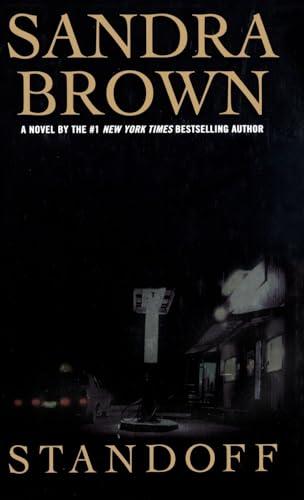
It focused on the Bundy occupation of the Malheur Wildlife Refuge and mentioned that the preamble of the Declaration of Independence was read at a community meeting there.
I'm going to quote from Jacqueline Keeler's book Standoff, which is about the Bundy occupation of the Malheur Wildlife Refuge.
— Episode: Part Two: How The Rich Ate Christianity
It focused on the Bundy occupation of the Malheur Wildlife Refuge and mentioned that the preamble of the Declaration of Independence was read at a community meeting there.
I'm going to quote from Jacqueline Keeler's book Standoff, which is about the Bundy occupation of the Malheur Wildlife Refuge.
Quote, on January 19th, 2016, Ryan Payne, a Malheur occupier and founder of Operation Mutual Aid, a militia coalition based in Montana, read the preamble of the Declaration of Independence at a community meeting held at the refuge.
The book discusses the Bundy occupation of the Malheur Wildlife Refuge. It was referenced to highlight the lasting impact of the early tactics of spiritual mobilization, demonstrating how they were used by anti-government groups decades later.
I'm going to quote from Jacqueline Keeler's book Standoff, which is about the Bundy occupation of the Malheur Wildlife Refuge. Quote, on January 19th, 2016, Ryan Payne, a Malheur occupier and founder of Operation Mutual Aid, a militia coalition based in Montana, read the preamble of the Declaration of Independence at a community meeting held at the refuge.
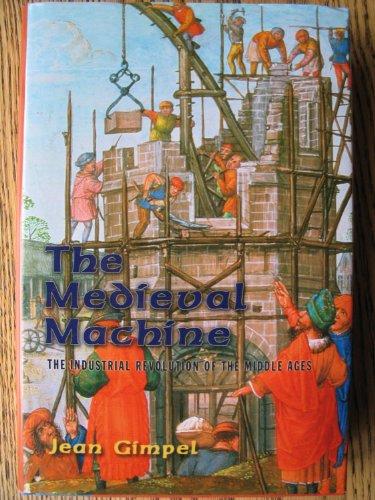
The Industrial Revolution Of The Middle Ages
It was mentioned as an example of technological advancement in the Middle Ages, suggesting that without the growth of capitalism, such inventions might have remained unused.
So many new types of machines were invented and put to use by 1300 that historian John Gimple wrote a book in 1976 called The Industrial Revolution of the Middle Ages.
— Episode: Part One: How The Rich Ate Christianity
It was mentioned as an example of technological advancement in the Middle Ages, suggesting that without the growth of capitalism, such inventions might have remained unused.
So many new types of machines were invented and put to use by 1300 that historian John Gimple wrote a book in 1976 called The Industrial Revolution of the Middle Ages.
It was published in 1976, and was referenced as an example of the technological advances during the Middle Ages, which the speaker believes were not made possible solely by capitalism.
So many new types of machines were invented and put to use by 1300 that historian John Gimple wrote a book in 1976 called The Industrial Revolution of the Middle Ages.
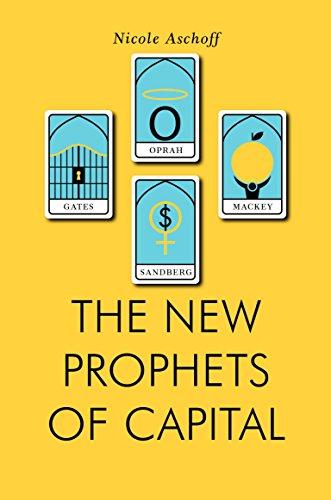
It was cited in the context of the New Deal, suggesting that some saw it as a way for capitalists to avoid a socialist revolution by maintaining the existing system.
actual socialists like Nicole Ashoff, who wrote The New Prophets of Capital, saw the new deal or see the new deal as it was essentially a way for capitalists who were more reasonable and less monstrou...
— Episode: Part One: How The Rich Ate Christianity
It was cited in the context of the New Deal, suggesting that some saw it as a way for capitalists to avoid a socialist revolution by maintaining the existing system.
actual socialists like Nicole Ashoff, who wrote The New Prophets of Capital, saw the new deal or see the new deal as it was essentially a way for capitalists who were more reasonable and less monstrous than some of the other capitalists to keep the system limping along without a socialist revolution.
Capital's ability to periodically present a new set of legitimating principles that facilitate the willing participation of society accounts for its remarkable longevity despite periodic bouts of deep crisis.
The podcast used excerpts from the book to highlight the unsettling aspects of Bill Gates's ideology, especially his focus on profit-driven solutions to global health issues, such as prioritizing cures for baldness over malaria.
As Bill Gates has wryly noted, they are more interested in cures for baldness than in cures for malaria. Why?
Melinda Gates argues that there is simply no rich world market for products like diarrhea or pneumonia vaccines.
Their solution is to use the Gates Foundation to create such a market in poor countries.
The KIPP schools follow an extended day strict disciplinary regime.
Students learn how to walk, get off the bus and use the restroom in the KIPP way. Students are not allowed to talk at school except to answer questions and they have to earn their desks.
It was mentioned as a book written by a Methodist minister in 1892, demonstrating that some clergy were embracing socialist ideas alongside their Christian faith.
Methodist minister Franklin Monroe Sprague wrote Socialism From Genesis to Revelation in 1892.
— Episode: Part One: How The Rich Ate Christianity
It was mentioned as a book written by a Methodist minister in 1892, demonstrating that some clergy were embracing socialist ideas alongside their Christian faith.
Methodist minister Franklin Monroe Sprague wrote Socialism From Genesis to Revelation in 1892.

Conversations on Anarchism
This book is an interesting exploration of anarchist societies.
There was At The Cafe by Marla Tester and there are some like utopian fictions out there, but, and like less than utopian, but still interesting explorations of anarchist societies li...
— Episode: It Could Happen Here Weekly 23
This book is an interesting exploration of anarchist societies.
There was At The Cafe by Marla Tester and there are some like utopian fictions out there, but, and like less than utopian, but still interesting explorations of anarchist societies like Ursula Killigren's The Dispossessed.
It is a utopian fiction, and a less than utopian, but still interesting exploration of anarchist societies.
I mean, like, there was At The Cafe by Marla Tester and there are some like utopian fictions out there, but, and like less than utopian, but still interesting explorations of anarchist societies like Ursula Killigren's The Dispossessed.

How Military Violence and War-Play Invade our Lives
This book is about video gaming and the relationship with the military.
There was an article in the Atlantic that was, it was actually like about a book from, I think it's Dexter Thomas, Warplay.
— Episode: It Could Happen Here Weekly 23
This book is about video gaming and the relationship with the military.
There was an article in the Atlantic that was, it was actually like about a book from, I think it's Dexter Thomas, Warplay.
The book talks about video gaming and the relationship with the military, and how the Pentagon avoids expensive efforts to create their own training simulators, while game developers get fat government checks.
And he said, the Pentagon avoids pitiful, expensive efforts to create their own training simulators and developers get fat government checks.
Note: The book recommendations on this page are discovered automatically from podcast transcripts, and may be incorrect or incomplete.
Podcast Name