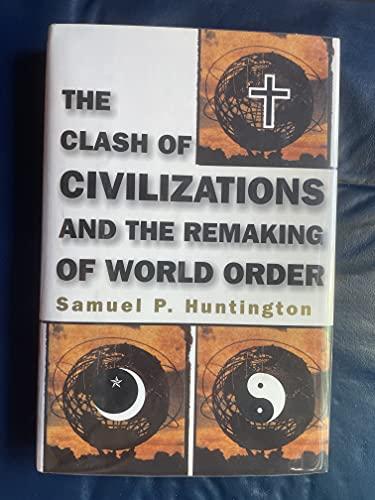
The Clash of Civilizations and the Remaking of World Order
Samuel P. Huntington
Mentioned 5 months ago
It Could Happen Here Weekly 220
There’s a reason the History Channel has produced hundreds of documentaries about Hitler but only a few about Dwight D. Eisenhower. Bad guys (and gals) are eternally fascinating. Behind the Bastards dives in past the Cliffs Notes of the worst humans in history and exposes the bizarre realities of th...
Recently mentioned
Samuel P. Huntington
Mentioned 5 months ago
It Could Happen Here Weekly 220
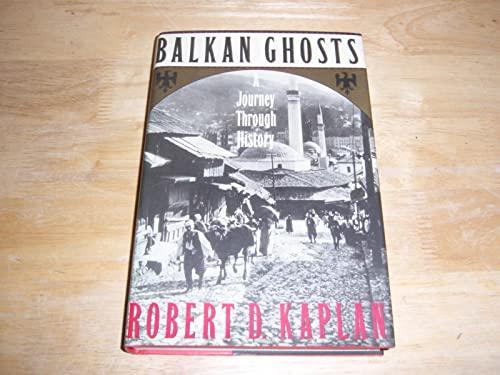
Robert D. Kaplan
Mentioned 5 months ago
It Could Happen Here Weekly 220
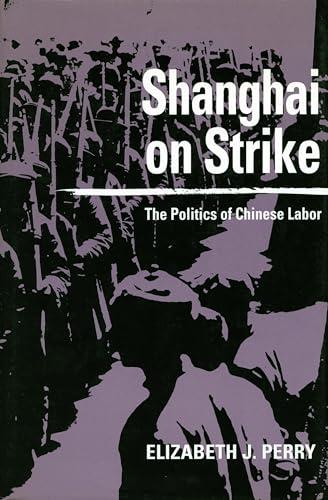
Elizabeth J. Perry
Mentioned 5 months ago
It Could Happen Here Weekly 220

J.R.R. Tolkien
Mentioned 5 months ago
Part One: How Jeffrey Epstein Helped Build the Modern World

Joshua Green
Mentioned 5 months ago
Part One: How Jeffrey Epstein Helped Build the Modern World

Professor Gilles Deleuze
Mentioned 5 months ago
It Could Happen Here Weekly 219

Madoka Kishi
Mentioned 5 months ago
It Could Happen Here Weekly 219
Samuel Miller McDonald
Mentioned 5 months ago
It Could Happen Here Weekly 219

Klaus Mann
Mentioned 5 months ago
It Could Happen Here Weekly 219
Mentioned 5 months ago
The Greg Bovino Episode Extravaganza!

Robert A. Heinlein
Mentioned 5 months ago
The Greg Bovino Episode Extravaganza!

John Lindsay-Poland
Mentioned 5 months ago
It Could Happen Here Weekly 218

The Unauthorized History
It was mentioned that the book discussed the increased popularity of Western style guns in the 1950s, along with a rise in accidental gun injuries and deaths, resulting in public support for stricter gun control.
Popular Science estimated that half a million Americans had started quickdraw shooting for fun. And by the end of the decade, 3000 Western style guns were selling per week, according to Frank Smythe a...
— Episode: Part Two: Harlon Carter: the Man Who Mil...
It was mentioned that the book discussed the increased popularity of Western style guns in the 1950s, along with a rise in accidental gun injuries and deaths, resulting in public support for stricter gun control.
Popular Science estimated that half a million Americans had started quickdraw shooting for fun. And by the end of the decade, 3000 Western style guns were selling per week, according to Frank Smythe and his book, The NRA, The Unauthorized History. At the same time, accidental gun wounds and deaths were on the rise, and three out of four Americans supported stricter gun control measures as a result.
It was referenced in a quote regarding the increase in gun sales in the 1950s, driven by Westerns and quickdraw shooting.
Popular Science estimated that half a million Americans had started quickdraw shooting for fun. And by the end of the decade, 3000 Western style guns were selling per week, according to Frank Smythe and his book, The NRA, The Unauthorized History.
My Battle Against the Industry that Radicalized America
It was described as a critical history of the Second Amendment. It was discussed in relation to the murder of Raymond Casiano by Harlan Carter, and was criticised for its framing of the event.
Carter loved guns from childhood. He was an excellent shot and would go on to win two national shooting titles and set 44 national shooting records during his lifetimes. His most infamous shot, howeve...
— Episode: Part One: Harlon Carter: the Man Who Mil...
It was described as a critical history of the Second Amendment. It was discussed in relation to the murder of Raymond Casiano by Harlan Carter, and was criticised for its framing of the event.
Carter loved guns from childhood. He was an excellent shot and would go on to win two national shooting titles and set 44 national shooting records during his lifetimes. His most infamous shot, however, came at the age of 17 when in defense of his mother, he unloaded a shotgun into the chest of a knife wielding Mexican teenager.
It was described as a critical history of the Second Amendment, focusing on the battle over gun control in American politics and providing context about the early racism within gun control laws. It was criticised for its subtle framing of a murder in a way that seemed to reinforce the perpetrator's claims of self-defense.
Carter loved guns from childhood. He was an excellent shot and would go on to win two national shooting titles and set 44 national shooting records during his lifetimes. His most infamous shot, however, came at the age of 17 when in defense of his mother, he unloaded a shotgun into the chest of a knife wielding Mexican teenager.

The book discusses three basic concepts of transformation: ruptural, interstitial, and symbiotic transformation.
You had ruptural transformation, interstitial transformation, and symbiotic transformation.
— Episode: It Could Happen Here Weekly 38
The book discusses three basic concepts of transformation: ruptural, interstitial, and symbiotic transformation.
You had ruptural transformation, interstitial transformation, and symbiotic transformation.
The book talks about three concepts of transformation: ruptural transformation, interstitial transformation, and symbiotic transformation. The authors mention the book when explaining the idea of interstitial revolution which is a theoretical means of societal transformation.
And so I think part of the issue when it comes to discussions of anarchism and infrastructure and supply lines and all these different things is that I think people have this misconception, there's this real strange idea of what an anarchist revolution looks like, where we flip a switch just overnight and boom, anarchist society. We have nothing in place, we have no organizations or systems, or networks in place, it's just boom, snap of fingers and all of a sudden we're all living under anarchy. But in reality, as Kropotkin expressed, there's no fallacy as harmful as the fallacy of the one day revolution. Obviously, there's going to be a transition. In fact, a lot of people like to define anarchism as an ongoing process moving further and further towards the ideal of anarchy. The whole idea is not whether or not there will be a transitional society, but what kind of transition that will be. And so in this period of transition is when we would be engaging in the different forms of social experimentation to manifest anarchist principles in every facet of life. And of course, this process will involve engaging with local conditions and local people, and allowing those communities, those individuals to determine for themselves what structures and systems are put in place. Part of the struggle is going to involve mirroring the society that we wish to create. So if our final goal is a communistic anarchistic society, then our methods must be as communistic and anarchistic as possible. The basic duality of means and ends. So when we speak of supply lines, when we speak of infrastructure, the reality is that existing infrastructure is not going to disappear overnight. We're not starting from complete scratch. This isn't a new Minecraft world where we have to go and punch some trees and start society all over again. Revolution is destructive, but it's also constructive and transformative. So we're not going to get rid of all experts and all expertise, we're not going to be floundering to figure out how to make penicillin. People in all fields and all industries and all layers and all backgrounds are going to be involved in the process, adapting their workplaces, adapting their industries towards sustainable and anarchic ends. And it's a process that's going on now and will continue because if we look at revolution as a combination of, I think Eric Olin Wright, he had in his book, Envisioning Real Utopias, three basic concepts of transformation. You had ruptural transformation, interstitial transformation, and symbiotic transformation. And so interstitial revolution is basically the idea, it's basically a mirror of prefigurative politics. It's a theoretical means of societal transformation through progressively and strategically enlarging spaces of social empowerment. And ruptural transformation is, of course, I guess the dichotomy between the insurrectionists and everybody else. Where you have these moments of social outbursts, these moments of rupture where social forms and social developments are undertaken and we sort of figure out how we are, or rather we directly fight back against the systems that are in place. I think rupture is one of the more exciting forms, it's the kind of form of revolution people tend to think of when they think of the term revolution, this idea of all these, this mass of people, this crowd of people storming the Bastille or whatever. But the real work of transformation is the stuff that occurs prior to and post those moments of rupture.

It was mentioned as being somewhat similar in concept to William Shatner's 'Tech War' series, particularly with the protagonist being a divorced man.
What's great about that is that is almost borderline similar to Isaac Asimov's The Caves of Steel novels.
— Episode: Part One: What's New with Alex Jones?
It was mentioned as being somewhat similar in concept to William Shatner's 'Tech War' series, particularly with the protagonist being a divorced man.
What's great about that is that is almost borderline similar to Isaac Asimov's The Caves of Steel novels.

Transforming U.S. Technology Development
It was compared to Tom Clancy's 'Net Force' novels, implying that both had questionable quality, especially given that they were partly based around the premise of the main character being divorced and having custody battles.
That's almost as accurate as written a novel for forty years. Let's just be I mean, I feel about that. The net four stories were nearly as accurate as Shatner's Tech War novels, which is quite accurat...
— Episode: Part One: What's New with Alex Jones?
It was compared to Tom Clancy's 'Net Force' novels, implying that both had questionable quality, especially given that they were partly based around the premise of the main character being divorced and having custody battles.
That's almost as accurate as written a novel for forty years. Let's just be I mean, I feel about that. The net four stories were nearly as accurate as Shatner's Tech War novels, which is quite accurate.
If I'm remembering correctly, they're basically like future detective stories, but the primary the center of every book is that this guy is incredibly divorced and keeps having custody.

Staub's book, written by a Holocaust survivor, provided a definition of genocide that was used in the podcast episode to analyze historical events and offered insights into what motivates perpetrators of genocide.
genocide means an attempt to exterminate a racial, ethnic, religious, cultural, or political group either directly through murder or indirectly by creating conditions that lead to the group's destruct...
— Episode: Part One: Ancient Genocide and the War o...
Staub's book, written by a Holocaust survivor, provided a definition of genocide that was used in the podcast episode to analyze historical events and offered insights into what motivates perpetrators of genocide.
genocide means an attempt to exterminate a racial, ethnic, religious, cultural, or political group either directly through murder or indirectly by creating conditions that lead to the group's destruction.
Staub's book was discussed, focusing on its analysis of the motivations behind perpetrators of various genocides, including the Holocaust, Rwanda, and Cambodia. His definition of genocide was also presented.
genocide means an attempt to exterminate a racial ethnic religious cultural or political group either directly through murder or indirectly by creating conditions that lead to the group's destruction.
Engaging Our Responsibility to Prevent Genocide
This book was mentioned as being freely available online. It was also highlighted for focusing on conflict within groups as a major risk factor for genocide.
one of the major genocidal risk factors is history of conflict within groups.
— Episode: Part One: Ancient Genocide and the War o...
This book was mentioned as being freely available online. It was also highlighted for focusing on conflict within groups as a major risk factor for genocide.
one of the major genocidal risk factors is history of conflict within groups.
Strauss's book was highlighted, with a particular focus on one of the main genocidal risk factors he described: a history of conflict within a group. It was mentioned that it was available to download for free online.
one of the major genocidal risk factors is history of conflict within groups.
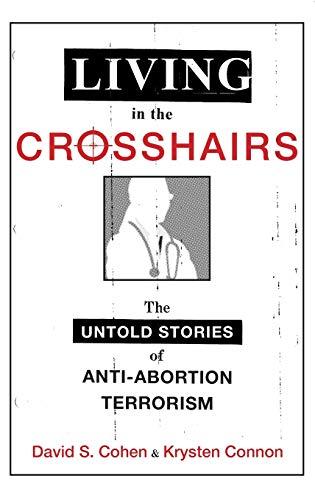
The Untold Stories of Anti-Abortion Terrorism and Law
The book contains interviews with abortion providers and their personal accounts of the constant harassment and threats they experienced from anti-abortion activists, including protests at their homes and workplaces, arson, and death threats.
The protesters stand at the entrance to the clinic's parking lot and badger the patients when they come in. They get screamed at. The protesters write down their license plates. They send them cards....
— Episode: It Could Happen Here Weekly 36
The book contains interviews with abortion providers and their personal accounts of the constant harassment and threats they experienced from anti-abortion activists, including protests at their homes and workplaces, arson, and death threats.
The protesters stand at the entrance to the clinic's parking lot and badger the patients when they come in. They get screamed at. The protesters write down their license plates. They send them cards. They make phone calls to their homes.
Someone mailed a letter postmarked the morning of the fire justifying killing the animals on Rodney's farm because Rodney "murdered little children."
Rodney is used to this type of verbal abuse and sometimes react in kind when a priest called him a murderer. Rodney responded by calling the priest a child molester. When the protesters told Rodney they were praying for him, he responded. "No, you're praying upon us. There's a difference."
Rodney is used to this type of verbal abuse and sometimes react in kind when a priest called him a murderer. Rodney responded by calling the priest a child molester.
These tactics include bombings arson anthrax scares and mass blockades extremists have also thrown butyric acid into clinics glued clinic lock shut locked themselves to clinic property using items such as bicycle locks or chains drilled holes into clinic roof. So that clinics flood invaded invaded clinics vandalized clinics made threatening phone calls tried to persuade patients to go to fake clinics, which we've talked about that in our episode on crisis pregnancy centers. But those that is also like part of the systemic campaign of terror is deceiving and humiliating people into not getting abortions.
The book was used to illustrate the tactics used against abortion providers and clinics, including harassing patients, stalking doctors, and making threats against their families. It described how protesters would write down license plates, send cards, make phone calls, and even follow doctors' children to school.
The protesters stand at the entrance to the clinic's parking lot and badger the patients when they come in. They get screamed at. The protesters write down their license plates. They send them cards. They make phone calls to their homes.
Those window blinds, Christina, who works at a clinic, explained while pointing at the huge windows that surround the conference table in one of her clients. You pull them down, you can look through them and you could find the protesters at the windows looking in.
Someone mailed a letter postmarked the morning of the fire justifying killing the animals on Rodney's farm because Rodney quote murdered little children. However, the letter was untraceable.
Rodney is used to this type of verbal abuse and sometimes react in kind when a priest called him a murderer. Rodney responded by calling the priest a child molester. When the protesters told Rodney they were praying for him, he responded. No, you're praying upon us. There's a difference.
These tactics include bombings arson anthrax scares and mass blockades extremists have also thrown butyric acid into clinics glued clinic lock shut locked themselves to clinic property using items such as bicycle locks or chains drilled holes into clinic roof.

The Army of God and Anti-Abortion Terror in the United States (PSI Guides to Terrorists, Insurgents, and Armed Groups)
The book focuses on the Army of God, a militant anti-abortion group, detailing their tactics, from nonviolent protests to arson, bombings, and ultimately, assassinations of abortion providers. The book highlights the escalation of violence within the group and the disturbing justification for violence based on a literal interpretation of the Bible.
The National Abortion Federation identifies 30 incidents of arson or bombing in 1984, exceeding the previous seven years combined.
— Episode: It Could Happen Here Weekly 36
The book focuses on the Army of God, a militant anti-abortion group, detailing their tactics, from nonviolent protests to arson, bombings, and ultimately, assassinations of abortion providers. The book highlights the escalation of violence within the group and the disturbing justification for violence based on a literal interpretation of the Bible.
The National Abortion Federation identifies 30 incidents of arson or bombing in 1984, exceeding the previous seven years combined.
those who truly love God would kill the baby killers.
The book was used to illustrate the history of violence used against abortion clinics, and how the tactics used were similar to those used by the segregationist movement, including arson, bombing, and assassination. The book also highlighted the group's use of rhetoric and a 'declaration of war' against abortion providers.
The National Abortion Federation identifies 30 incidents of arson or bombing in 1984, exceeding the previous seven years combined.
The series of bombings included but was not limited to the offices of the National Abortion Fund and the American Civil Liberties Union in Washington, D.C., as well as abortion clinics in Virginia, Maryland and Delaware.
The signature of the Army of God was also found in a subsequent clinic bombing in Saratosa, Florida.

It was referenced multiple times throughout the podcast as a source of information regarding the Liberian civil wars, particularly the details of the coup and the aftermath.
The senior ranking member of the coup party, although not its leader was Master Sergeant Samuel Doe, an almost entirely unknown figure. The decision was rather spontaneous and aided by alcohol.
— Episode: Part One: General Butt-Naked and the Lib...
It was referenced multiple times throughout the podcast as a source of information regarding the Liberian civil wars, particularly the details of the coup and the aftermath.
The senior ranking member of the coup party, although not its leader was Master Sergeant Samuel Doe, an almost entirely unknown figure. The decision was rather spontaneous and aided by alcohol.
The party set off on the evening of the 11th fully armed and made its way to the foot of the Barclay Training Center towards Capitol Hill and the executive mansion.
At about 0100 hours on the morning of the 12th, the coup party broke into the basement also without encountering any challenge and cautiously entered the upstairs section.
After the shooting Corporal Peno was asked what he thought he was doing and his reply was that he wanted to see Tolbert die in order to debunk a generally held belief that the president was a witch doctor.
The bulk of advancing forces were locally recruited youth handed guns and fortified by alcohol and cheaply sourced Chinese amphetamines known colloquially as bubbles. And of course a great deal of local marijuana.
It was referenced multiple times throughout the podcast, particularly when discussing the coup and the rise of Charles Taylor. It detailed the violence and political instability during the Liberian Civil War.
The senior ranking member of the coup party, although not its leader was Master Sergeant Samuel Doe, an almost entirely unknown figure.
The party set off on the evening of the 11th fully armed and made its way to the foot of the Barclay Training Center towards Capitol Hill and the executive mansion.
At about 0100 hours on the morning of the 12th, the coup party broke into the basement also without encountering any challenge and cautiously entered the upstairs section.
After the shooting Corporal Peno was asked what he thought he was doing and his reply was that he wanted to see Tolbert die in order to debunk a generally held belief that the president was a witch doctor.
The bulk of advancing forces were locally recruited youth handed guns and fortified by alcohol and cheaply sourced Chinese amphetamines known colloquially as bubbles.
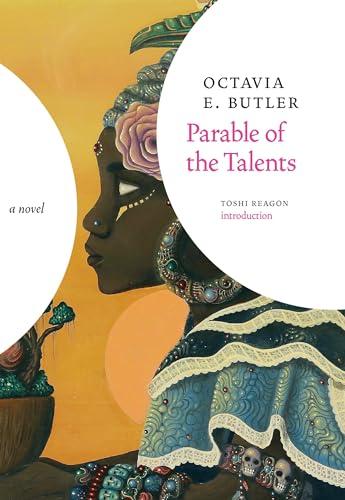
A Novel
This book picks up directly after Parable of the Sower, with Lauren establishing a community based on her Earthseed philosophy. She faces persecution after the election of an ultra-conservative president. The book is also told from the perspective of her daughter, who is navigating the discovery of her mother through her journals.
And with regard to the second book, as we had Trump come into office.
— Episode: It Could Happen Here Weekly 34
This book picks up directly after Parable of the Sower, with Lauren establishing a community based on her Earthseed philosophy. She faces persecution after the election of an ultra-conservative president. The book is also told from the perspective of her daughter, who is navigating the discovery of her mother through her journals.
And with regard to the second book, as we had Trump come into office.
She's very much a character who grows up in a world where all the adults are stuck.
She doesn't really draw much attention or spend much time thinking about things like ecosystem restoration or changing the, pushing back against the government or the economic system that is impoverishing and inflicting violence upon people.
This book directly follows 'Parable of the Sower' and follows Lauren Olamina's journey as she works on a community built around Earthseed and the persecution they face under the ultra-conservative President Jarrett's reign of terror. This book also delves deeper into Lauren's relationship with her daughter and the discovery of her mother through her journal entries.
She really emphasizes that change is neither good or bad, but it is potential.
And so that's when I get into the third book and things I learned about the third book when I was researching for this episode.
It is not the heaven that was hoped for, but gray, dank and utterly miserable.
It's like trying to graft humanity onto a new planet and it's it's it's like if humanity were a branch and this new plant was a tree and like both the tree and the branch are kind of rejecting each other.
And so the whole idea of Parallel of the Trickster and what have been the subsequent books was, you know, the continuation of the concept of choice, choosing to either, live together, work together, struggle together, or fight and scheme and lose their minds, break down, die and murder alone.
40th Anniversary Edition
It was mentioned as a memoir by a Vietnam veteran who was disillusioned with war after being injured in combat. His experience was in contrast to John Wayne's portrayal of war and masculinity.
he went to Vietnam to kill a commie for Jesus Christ and John Wayne.
— Episode: Part Three: John Wayne: A Dude Who Sucke...
It was mentioned as a memoir by a Vietnam veteran who was disillusioned with war after being injured in combat. His experience was in contrast to John Wayne's portrayal of war and masculinity.
he went to Vietnam to kill a commie for Jesus Christ and John Wayne.
It was Sands of Iwo Jima that inspired Ron Kovac to volunteer for the Marines during the Vietnam War a war that would cost him the use of his legs and lead to a disenchantment with war that he chronicled in his memoir born on the 4th of July
It was mentioned as Ron Kovic's memoir, in which he detailed his disillusionment with war after serving in Vietnam, inspired initially by John Wayne's films and his ideas of war and masculinity.
It was Sands of Iwo Jima that inspired Ron Kovac to volunteer for the Marines during the Vietnam War a war that would cost him the use of his legs and lead to a disenchantment with war that he chronicled in his memoir born on the 4th of July
Rebel Women in Prewar Japan
This book is a collection of Japanese feminist writings, mostly from people who were killed by the state because that was the fate of feminists in Japan during this period.
In 1892, the government forbid women to make political speeches. And in 1890 made it illegal for women to participate in political activities whatsoever. Women were forbidden to even listen to politic...
— Episode: It Could Happen Here Weekly 32
This book is a collection of Japanese feminist writings, mostly from people who were killed by the state because that was the fate of feminists in Japan during this period.
In 1892, the government forbid women to make political speeches. And in 1890 made it illegal for women to participate in political activities whatsoever. Women were forbidden to even listen to political speeches.
The police security regulations of 1900 reinforced these strictures. Article five of the regulations prohibited women from forming any political organization whatsoever.
cripples and disabled persons and wives cannot undertake any legal action.
The book is a collection of writings by Japanese feminist anarchists and features a quote highlighting the government's severe restrictions on women's political participation.
In 1892, the government forbid women to make political speeches. And in 1890 made it illegal for women to participate in political activities whatsoever. Women were forbidden to even listen to political speeches.
cripples and disabled persons and wives cannot undertake any legal action.
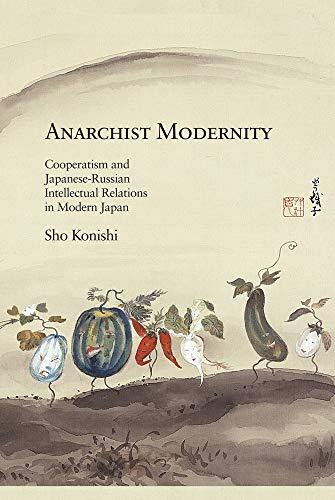
Cooperatism and Japanese-Russian Intellectual Relations in Modern Japan (Harvard East Asian Monographs)
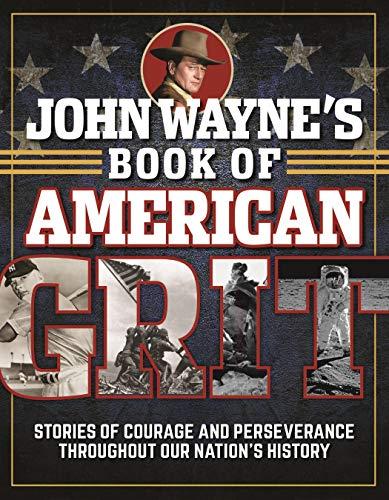
Stories of Courage and Perseverance throughout Our Nation's History
It was mentioned as a more respectful and classier book about John Wayne compared to Jensen's, providing information about Chata, his teenage mistress.
Chata's life before 1941 is a mystery.
— Episode: Part Two: John Wayne: A Dude Who Sucked
It was mentioned as a more respectful and classier book about John Wayne compared to Jensen's, providing information about Chata, his teenage mistress.
Chata's life before 1941 is a mystery.
It was described as a classier book about John Wayne's life, in contrast to Jensen's, which was considered to be more negative and written in a rather crude manner.
Chata's life before 1941 is a mystery.
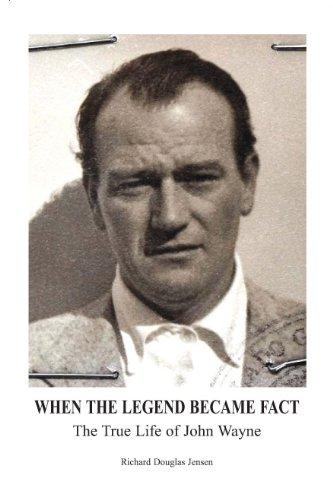
A book that was referenced when discussing John Wayne's physical abuse towards Marlene Dietrich, specifically the incident where he punched her in the face on set.
Duke handled her the way he handled every woman in his life when she provoked him he punched her and it didn't matter if it was in public on location for the spoilers in Lake Arrowhead, California Duk...
— Episode: Part Two: John Wayne: A Dude Who Sucked
A book that was referenced when discussing John Wayne's physical abuse towards Marlene Dietrich, specifically the incident where he punched her in the face on set.
Duke handled her the way he handled every woman in his life when she provoked him he punched her and it didn't matter if it was in public on location for the spoilers in Lake Arrowhead, California Duke and Marlene were rehearsing a scene for the film Duke suggested one way to play the scene and Marlene suggested another Duke pressed his point in Marlene finally shot back. That's a dumb idea Dukes face turned to stone and his eyes burned with suppressed rage as the camera was about to roll Duke angrily retied his Bandana, which he'd loosened between takes Duke tied a bigger than normal knot and Marlene saw it and told him you don't even know how to tie a bandana suddenly Duke exploded. He swung a huge fist in a roundhouse right and hit Marlene right in the face. She went flying landing hard in the rough dirt Marlene lay sprawled on the ground for a moment gathering her senses. She didn't cry now.
The podcasters discussed a quote from this book about John Wayne's rough treatment of Marlene Dietrich on the set of a movie, including a physical altercation and her reaction to it.
Duke handled her the way he handled every woman in his life when she provoked him he punched her and it didn't matter if it was in public or on location.
Duke suggested one way to play the scene and Marlene suggested another. Duke pressed his point and Marlene finally shot back, 'That's a dumb idea.' Duke's face turned to stone and his eyes burned with suppressed rage as the camera was about to roll.
Duke angrily retied his Bandana, which he'd loosened between takes. Duke tied a bigger than normal knot and Marlene saw it and told him, 'You don't even know how to tie a Bandana.' Suddenly Duke exploded. He swung a huge fist in a roundhouse right and hit Marlene right in the face.

The Life and Legend
It was referred to during the discussion of John Wayne's childhood, particularly regarding his mother's personality and the impact of his upbringing on him.
quote, an implacable woman married to a sweet ne'er do well.
— Episode: Part One: John Wayne: A Dude Who Sucked
It was referred to during the discussion of John Wayne's childhood, particularly regarding his mother's personality and the impact of his upbringing on him.
quote, an implacable woman married to a sweet ne'er do well.
Using a child's name is the P and a now you see it. Now you don't shell game was only the beginning of Marian's ragged childhood.
What probably happened is that his mother, a formidably strong willed read borderline unpleasant woman born Mary Brown in 1885 and Lincoln, Nebraska, simply appropriated the older boy's middle name for the preferred new arrival.
His last wife said that the stories came out only in fragments during their 20 years together. Mainly, he felt unloved by his mother and was quietly distressed by his father's ineffectuality.
Pushy dames really scared him, which I think means like women who knew what they wanted.
It was described as a biography of John Wayne and used as a source to provide insights into his early life and experiences. It was discussed in relation to his upbringing and relationship with his mother.
quote, an implacable woman married to a sweet ne'er do well.
Using a child's name is the P and a now you see it. Now you don't shell game was only the beginning of Marian's ragged childhood.
Marion stoutly insisted he was always feeding his horse, that he carried oats for the horse even on their daily commute to and from school.
His teacher and his parents stood up for him. The county vet examined the horse and diagnosed the wasting disease.
But a sense of outrage over being falsely accused never left him. I learned you can't always judge a person or a situation by the way it appears on the surface.
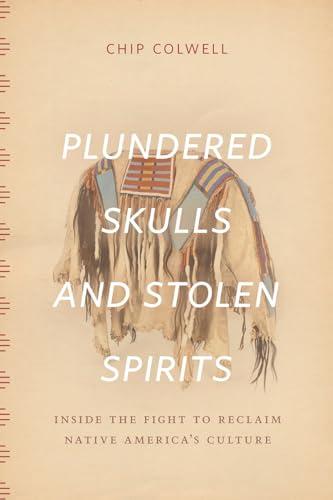
Inside the Fight to Reclaim Native America's Culture
It detailed the bone trade and the process of returning stolen skulls to their rightful tribes. It highlighted the slow pace of repatriation by institutions.
there's a book I found about the bone trade in in stolen bones called Plundered Skulls and Stolen Spirits by Chip Colwell
— Episode: The Audubon Guy Was A Monster
It detailed the bone trade and the process of returning stolen skulls to their rightful tribes. It highlighted the slow pace of repatriation by institutions.
there's a book I found about the bone trade in in stolen bones called Plundered Skulls and Stolen Spirits by Chip Colwell
It's a book that details the history of the trade in stolen human remains, including the work of Chip Colwell in museums, who helps put together groups of bones to send back to the tribes they were stolen from.
there's a book I found about the bone trade in in stolen bones called Plundered Skulls and Stolen Spirits by Chip Colwell who's like an ant doing part of his job is to like sit in a museum and put together groups of bones to send back to the tribes.
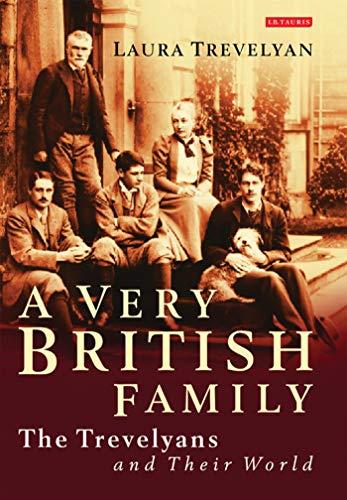
The Trevelyans and their World
It's a book about the Trevelyan family, written by Charles Trevelyan's descendant, that attempts to portray him in a more positive light, despite the famine's devastation.
I was interviewing a member of the Republican Sinn Fein in Southern Armagh and she asked if I was related to Charles Trevelyan. I said I was and she asked me how I could live in Ireland when I had the...
— Episode: Part Three: That Time Britain Did A Geno...
It's a book about the Trevelyan family, written by Charles Trevelyan's descendant, that attempts to portray him in a more positive light, despite the famine's devastation.
I was interviewing a member of the Republican Sinn Fein in Southern Armagh and she asked if I was related to Charles Trevelyan. I said I was and she asked me how I could live in Ireland when I had the blood of the Irish on my hands.
I'm not defending him or endorsing some of his actions, but I want to show he was more humane than has been portrayed. He did work very hard to try and improve the situation in Ireland and had a genuine concern for the welfare of the people.
He is vilified in Ireland and not wrongly because the policy enacted by the government at the time is impossible to defend a policy of effectively withholding relief and allowing market forces to take their courses brutal. However, what I'm taking what I'm taking issue with is the portrayal of him as someone who wanted the Irish to die.
Yes, he was a providentialist who felt the famine had been the will of God, but that's not the same as saying he wanted the Irish to die.
It was mentioned as being written by Charles Trevelyan's great-great-great-granddaughter in response to being confronted about the actions of her ancestor in causing the famine.
I was interviewing a member of the Republican Sinn Fein in Southern Armagh and she asked if I was related to Charles Trevelyan. I said I was and she asked me how I could live in Ireland when I had the blood of the Irish on my hands.
I'm not defending him or endorsing some of his actions, but I want to show he was more humane than has been portrayed. He did work very hard to try and improve the situation in Ireland and had a genuine concern for the welfare of the people.
He is vilified in Ireland and not wrongly because the policy enacted by the government at the time is impossible to defend a policy of effectively withholding relief and allowing market forces to take their courses brutal. However, what I'm taking what I'm taking issue with is the portrayal of him as someone who wanted the Irish to die.
Note: The book recommendations on this page are discovered automatically from podcast transcripts, and may be incorrect or incomplete.
Podcast Name