Podcast
Behind the Bastards
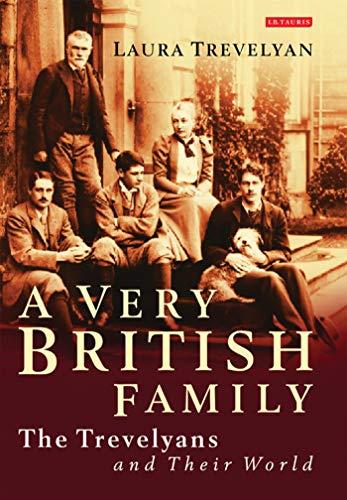
It's a book about the Trevelyan family, written by Charles Trevelyan's descendant, that attempts to portray him in a more positive light, despite the famine's devastation.
I was interviewing a member of the Republican Sinn Fein in Southern Armagh and she asked if I was related to Charles Trevelyan. I said I was and she asked me how I could live in Ireland when I had the...
— Episode: Part Three: That Time Britain Did A Geno...
Episode: Part Three: That Time Britain Did A Genocide in Ir...
It's a book about the Trevelyan family, written by Charles Trevelyan's descendant, that attempts to portray him in a more positive light, despite the famine's devastation.
I was interviewing a member of the Republican Sinn Fein in Southern Armagh and she asked if I was related to Charles Trevelyan. I said I was and she asked me how I could live in Ireland when I had the blood of the Irish on my hands.
I'm not defending him or endorsing some of his actions, but I want to show he was more humane than has been portrayed. He did work very hard to try and improve the situation in Ireland and had a genuine concern for the welfare of the people.
He is vilified in Ireland and not wrongly because the policy enacted by the government at the time is impossible to defend a policy of effectively withholding relief and allowing market forces to take their courses brutal. However, what I'm taking what I'm taking issue with is the portrayal of him as someone who wanted the Irish to die.
Yes, he was a providentialist who felt the famine had been the will of God, but that's not the same as saying he wanted the Irish to die.
Episode: Part Three: That Time Britain Did A Genocide in Ir...
It was mentioned as being written by Charles Trevelyan's great-great-great-granddaughter in response to being confronted about the actions of her ancestor in causing the famine.
I was interviewing a member of the Republican Sinn Fein in Southern Armagh and she asked if I was related to Charles Trevelyan. I said I was and she asked me how I could live in Ireland when I had the blood of the Irish on my hands.
I'm not defending him or endorsing some of his actions, but I want to show he was more humane than has been portrayed. He did work very hard to try and improve the situation in Ireland and had a genuine concern for the welfare of the people.
He is vilified in Ireland and not wrongly because the policy enacted by the government at the time is impossible to defend a policy of effectively withholding relief and allowing market forces to take their courses brutal. However, what I'm taking what I'm taking issue with is the portrayal of him as someone who wanted the Irish to die.