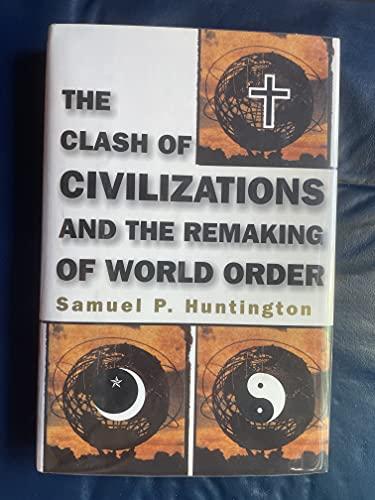
The Clash of Civilizations and the Remaking of World Order
Samuel P. Huntington
Mentioned 5 months ago
It Could Happen Here Weekly 220
There’s a reason the History Channel has produced hundreds of documentaries about Hitler but only a few about Dwight D. Eisenhower. Bad guys (and gals) are eternally fascinating. Behind the Bastards dives in past the Cliffs Notes of the worst humans in history and exposes the bizarre realities of th...
Recently mentioned
Samuel P. Huntington
Mentioned 5 months ago
It Could Happen Here Weekly 220
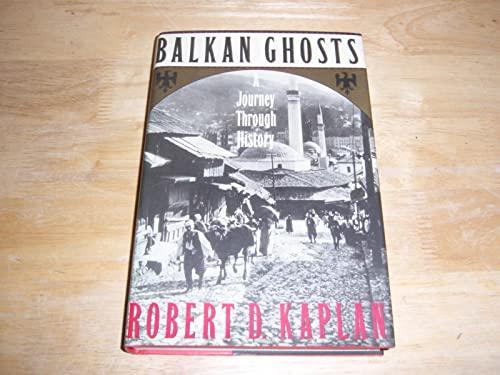
Robert D. Kaplan
Mentioned 5 months ago
It Could Happen Here Weekly 220
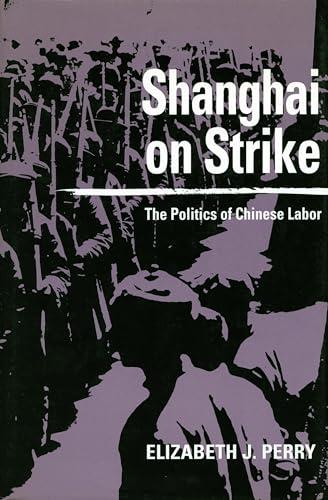
Elizabeth J. Perry
Mentioned 5 months ago
It Could Happen Here Weekly 220

J.R.R. Tolkien
Mentioned 5 months ago
Part One: How Jeffrey Epstein Helped Build the Modern World
Joshua Green
Mentioned 5 months ago
Part One: How Jeffrey Epstein Helped Build the Modern World

Professor Gilles Deleuze
Mentioned 5 months ago
It Could Happen Here Weekly 219

Madoka Kishi
Mentioned 5 months ago
It Could Happen Here Weekly 219
Samuel Miller McDonald
Mentioned 5 months ago
It Could Happen Here Weekly 219
Klaus Mann
Mentioned 5 months ago
It Could Happen Here Weekly 219

Mentioned 5 months ago
The Greg Bovino Episode Extravaganza!

Robert A. Heinlein
Mentioned 5 months ago
The Greg Bovino Episode Extravaganza!
John Lindsay-Poland
Mentioned 5 months ago
It Could Happen Here Weekly 218
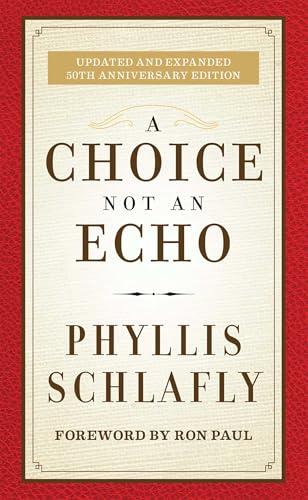
Updated and Expanded 50th Anniversary Edition
It was a pro-Goldwater book that was framed as a conspiracy theory about how the Republican party was being controlled by Eastern elites, and it became a huge success, reportedly selling nearly 3 million copies.
She writes a book called A Choice, Not an Echo. And this was like a pro-Goldwater argument.
— Episode: Part Two: Phyllis Schlafly: The Mother o...
It was a pro-Goldwater book that was framed as a conspiracy theory about how the Republican party was being controlled by Eastern elites, and it became a huge success, reportedly selling nearly 3 million copies.
She writes a book called A Choice, Not an Echo. And this was like a pro-Goldwater argument.
A Choice Not an Echo sells nearly 3 million copies and went on to hugely influence the California primary and the election.
It's generally seen as being a big part of what delivered Goldwater a surprise victory over Rockefeller.
And Phyllis for the rest of her life will brag that she self-publishes this book out of her garage and that it just becomes this massive hit that she just does all by her little old self.
The reality of the situation is that the John Birch Society bought like three million copies of this book to distribute it for free, and they handled the publication.
It was a pro-Goldwater book that presented a conspiracy theory about how the Republican primary was being stolen by party elites, and was distributed widely.
She writes a book called A Choice, Not an Echo. And this was like a pro-Goldwater argument.
A Choice Not an Echo sells nearly 3 million copies and went on to hugely influence the California primary and the election.
It's generally seen as being a big part of what delivered Goldwater a surprise victory over Rockefeller.
And Phyllis for the rest of her life will brag that she self-publishes this book out of her garage and that it just becomes this massive hit that she just does all by her little old self.
The reality of the situation is that the John Birch Society bought like three million copies of this book to distribute it for free, and they handled the publication.
It was a pro-Goldwater book that presented a conspiracy theory about how the Republican primary was being stolen by the party's elite. It was very successful and sold almost 3 million copies.
She writes a book called A Choice, Not an Echo.
A Choice Not an Echo sells nearly 3 million copies and went on to hugely influence the California primary and the election.
It's generally seen as being a big part of what delivered Goldwater a surprise victory over Rockefeller.
And Phyllis for the rest of her life will brag that she self-publishes this book out of her garage and that it just becomes this massive hit that she just does all by her little old self.
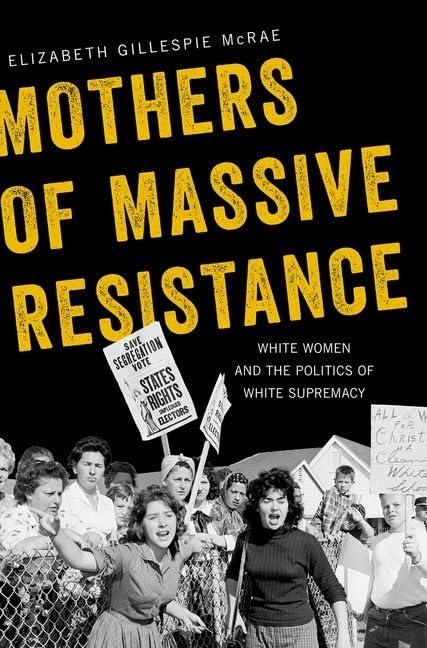
White Women and the Politics of White Supremacy
A book by Elizabeth Gillespie McRae that describes the grassroots movement as "white supremacist maternalism", which the author describes as a hatred and fear of anything that isn't white suburban moms.
a kind of white supremacist maternalism is how Elizabeth Gillespie Mcray described this grassroots movement in her book Mothers of Massive Resistance
— Episode: Part Two: Phyllis Schlafly: The Mother o...
A book by Elizabeth Gillespie McRae that describes the grassroots movement as "white supremacist maternalism", which the author describes as a hatred and fear of anything that isn't white suburban moms.
a kind of white supremacist maternalism is how Elizabeth Gillespie Mcray described this grassroots movement in her book Mothers of Massive Resistance
It described the grassroots movement Schlafly helped establish as 'white supremacist maternalism', characterized by the anxieties and prejudices of white, suburban mothers.
a kind of white supremacist maternalism is how elizabeth gillespie mcray described this grassroots movement in her book Mothers of Massive Resistance white women in the politics of white supremacy
This book describes the grassroots movement Schlafly built as 'white supremacist maternalism', a term that captures the ideology and the core demographic of her support.
a kind of white supremacist maternalism is how Elizabeth Gillespie Mcray described this grassroots movement in her book Mothers of Massive Resistance
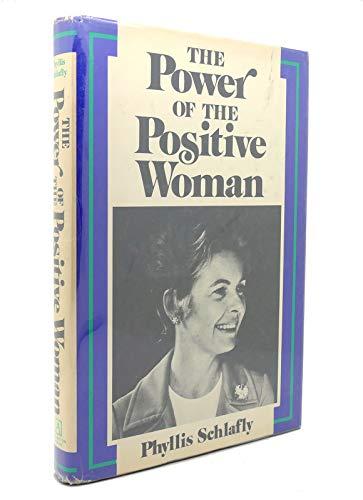
Published in 1977, this book compiled Schlafly's anti-gay ideas, including the notion that firemen should be able to refuse to work with gay colleagues due to their close living and working conditions.
her 1977 book The Power of Positive Woman compiled these anti-gay ideas and exclaimed that firemen who constantly risk their lives on our behalf should have the right to make a judgment that their clo...
— Episode: Part Two: Phyllis Schlafly: The Mother o...
Published in 1977, this book compiled Schlafly's anti-gay ideas, including the notion that firemen should be able to refuse to work with gay colleagues due to their close living and working conditions.
her 1977 book The Power of Positive Woman compiled these anti-gay ideas and exclaimed that firemen who constantly risk their lives on our behalf should have the right to make a judgment that their close living and working conditions make a homosexual co-worker intolerable
This book compiled Schlafly's anti-gay arguments and included the idea that gay coworkers could make an office space intolerable, even for firefighters.
her 1977 book the power of positive woman of the positive woman compiled these anti-gay ideas and exclaimed that firemen who constantly risk their lives on our behalf should have the right to make a judgment that their close living and working conditions make a homosexual co-worker intolerable
This book, published in 1977, compiled Schlafly's anti-gay ideas, which included the belief that gay coworkers were intolerable in the workplace.
her 1977 book The Power of Positive Woman compiled these anti-gay ideas and exclaimed that firemen who constantly risk their lives on our behalf should have the right to make a judgment that their close living and working conditions make a homosexual co-worker intolerable
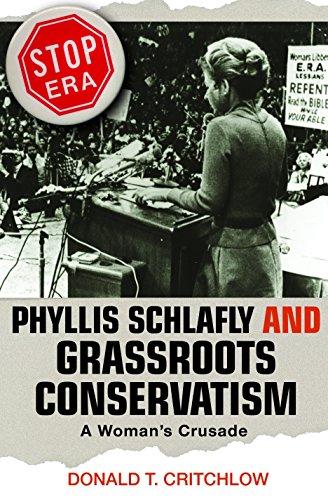
A Woman's Crusade (Politics and Society in Modern America, 54)
It was a deeply reported book that was very sympathetic to Phyllis Schlafly and described her early life as generally positive, but may have whitewashed her childhood experiences.
No tensions between the parents were evident to their children or revealed in correspondence or diaries. Dottie was an attractive woman devoted to her family
— Episode: Part One: Phyllis Schlafly: The Mother o...
It was a deeply reported book that was very sympathetic to Phyllis Schlafly and described her early life as generally positive, but may have whitewashed her childhood experiences.
No tensions between the parents were evident to their children or revealed in correspondence or diaries. Dottie was an attractive woman devoted to her family
her religious faith now combined with a well formed conservative ideology created a formidable political outlook.
Equally important, she learned from her work experience at AEA how to articulate complex issues and arguments into a simplified form easily understood by an average reader.
Much of her early political writings and speeches were derivative based on an extensive reading of conservative books and periodicals, government reports and liberal newspapers. Her originality lay in the way she framed issues.
what followed was a rather unusual courtship in which they usually saw each other once a week on the weekends, while the rest of the time they exchanged poetry and letters. These letters were intellectual exchanges about political and theological questions written as much to display the author's intelligence as to convey knowledge.
It was described as a well-researched book, but the narrator found it to be very sympathetic towards Phyllis Schlafly, potentially whitewashing details of her upbringing.
No tensions between the parents were evident to their children or revealed in correspondence or diaries. Dottie was an attractive woman devoted to her family
It was described as a deeply reported book, but it was also noted to be very sympathetic towards Phyllis Schlafly, potentially whitewashing certain aspects of her life, especially her early years.
No tensions between the parents were evident to their children or revealed in correspondence or diaries. Dottie was an attractive woman devoted to her family
her religious faith now combined with a well formed conservative ideology created a formidable political outlook.
Equally important, she learned from her work experience at AEA how to articulate complex issues and arguments into a simplified form easily understood by an average reader.
A Novel
It was a bibliographical guide to anti-communist books, published in 1958, which the author argued would lead readers to understand the United States was already in a total war with communists.
the American failure to grasp that we are already engaged in a total war with the communists.
— Episode: Part One: Phyllis Schlafly: The Mother o...
It was a bibliographical guide to anti-communist books, published in 1958, which the author argued would lead readers to understand the United States was already in a total war with communists.
the American failure to grasp that we are already engaged in a total war with the communists.
It was a guide to anti-communist books and urged readers to understand that the US was already engaged in a total war with the communists.
the American failure to grasp that we are already engaged in a total war with the communists.
It was a bibliographical guide to anti-communist books, which she believed would help readers understand that the United States was already in a full-fledged war against communism.
the American failure to grasp that we are already engaged in a total war with the communists.

How Global Counterinsurgency Transformed American Policing (Volume 56) (American Crossroads)
It was discussed that the book explores how global counterinsurgency transformed American policing, particularly through CIA-linked programs that trained former Border Patrol agents to work abroad.
According to Stuart Schrader in his forthcoming Badges without Borders, how global counterinsurgency transformed American policing.
— Episode: Part Two: The U.S. Border Patrol Is A Ni...
It was discussed that the book explores how global counterinsurgency transformed American policing, particularly through CIA-linked programs that trained former Border Patrol agents to work abroad.
According to Stuart Schrader in his forthcoming Badges without Borders, how global counterinsurgency transformed American policing.
It was discussed in the context of the Cold War, detailing how former Border Patrol agents were sent to train foreign police forces, particularly in Spanish-speaking countries like Guatemala and El Salvador.
According to Stuart Schrader in his forthcoming Badges without Borders, how global counterinsurgency transformed American policing.
It was discussed in the context of how the CIA used the Border Patrol to train foreign police in counterinsurgency tactics, particularly in Central America, during the Cold War.
According to Stuart Schrader in his forthcoming Badges without Borders, how global counterinsurgency transformed American policing.
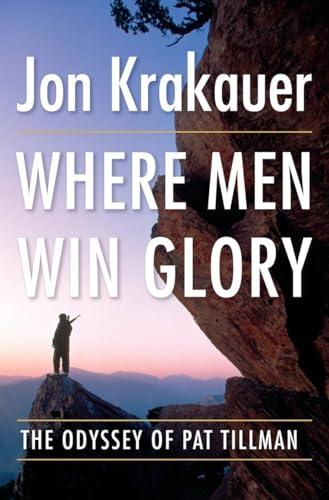
The Odyssey of Pat Tillman
It was described as a good book, although it contained a lot of information about high school football, and presented Pat Tillman as more sensitive than the typical 'meathead soldier' persona.
And there's a there's a number of articles, too, on on The Intercept and on Sports Illustrated that all talked about Pat Tillman.
— Episode: The Bastards Who Killed Pat Tillman
It was described as a good book, although it contained a lot of information about high school football, and presented Pat Tillman as more sensitive than the typical 'meathead soldier' persona.
And there's a there's a number of articles, too, on on The Intercept and on Sports Illustrated that all talked about Pat Tillman.
And they all paint a picture of a guy who's not what I expected going into this, who was really sensitive, who was constantly reading a book, always had a book in his hand, read the Koran and the Bible, but was not himself religious and in fact identified as an atheist.
One of them is the Krakauer book, Where Men Win Glory, which is a pretty good book, although it talks about a lot of high school football.
And he in general seems like a pretty progressive and not like reflexively patriotic dude, which is why it was kind of frustrating on September 25th, 2017 when President Donald Trump retweeted a post from - the Twitter name's user is Jmaga45.
According to the book Where Men Find Glory, quote, Wilkinson was the president's man on the ground at U.S. Central Command headquarters in Qatar, controlling and carefully shaping information about the war disseminated by the international press.
It was discussed as a good book that provided details about Tillman's life, but also included a lot about high school football.
And there's a there's a number of articles, too, on on The Intercept and on Sports Illustrated that all talked about Pat Tillman.
One of them is the Krakauer book, Where Men Win Glory,
And they all paint a picture of a guy who's not what I expected going into this, who was really sensitive, who was constantly reading a book,
always had a book in his hand, read the Koran and the Bible, but was not himself religious and in fact identified as an atheist.
According to a federal statute and several army regulations, Mary Tillman, as next of kin, was supposed to be notified that an investigation was underway,
It was discussed as a source for the podcast, detailing Pat Tillman's life and the circumstances surrounding his death. It was also noted for covering a lot of high school football.
And there's a there's a number of articles, too, on on The Intercept and on Sports Illustrated that all talked about Pat Tillman.
And they all paint a picture of a guy who's not what I expected going into this, who was really sensitive, who was constantly reading a book, always had a book in his hand, read the Koran and the Bible, but was not himself religious and in fact identified as an atheist.
According to a federal statute and several army regulations, Mary Tillman, as next of kin, was supposed to be notified that an investigation was underway, even if friendly fire was only suspected and be kept informed as additional information about the cause of death becomes known.
Instead, McChrystal and the soldiers under their command went to extraordinary lengths to prevent the Tillman family from learning the truth about how Pat died.
Shortly before the 2nd Ranger Battalion sent Pat's remains home from Afghanistan, he, Kozlerich, was arranging a repatriation ceremony when a sergeant approached him and said, hey, sir, Kevin Tillman doesn't want a chaplain involved in his repatriation ceremony.

Apocalyptic Visions in Contemporary America (Comparative Studies in Religion and Society Book 15)
It was discussed in relation to the 'cultic milieu' and how it rejects authority, with a focus on conspiracy theories that reject widely accepted beliefs.
The cultic milieu is by nature hostile to authority, both because it rejects the authority of such normative institutions as churches and universities and because no single institution within the mili...
— Episode: Part One: Bill Cooper: The Man Who Kille...
It was discussed in relation to the 'cultic milieu' and how it rejects authority, with a focus on conspiracy theories that reject widely accepted beliefs.
The cultic milieu is by nature hostile to authority, both because it rejects the authority of such normative institutions as churches and universities and because no single institution within the milieu has the authority to prescribe beliefs and practices for those within it.
As diverse as the cultic milieu is, however, Campbell finds in it unifying tendencies. One such tendency is its opposition to dominant cultural orthodoxies.
This is also a major characteristic of the culture of conspiracy, within which the reigning presumption is that any widely accepted belief must necessarily be false.
It was discussed in the context of a cultic milieu, which is a supportive cultural environment for cults to form. The book was mentioned while explaining how conspiracy theories became more prominent in American culture.
The cultic milieu is by nature hostile to authority, both because it rejects the authority of such normative institutions as churches and universities and because no single institution within the milieu has the authority to prescribe beliefs and practices for those within it.
Within a few months of the first modern claim of a flying saucer sighting in 1947, polls showed that 90% of the population had heard of them.
The Lear statement is brief, only seven printed pages, but dizzying in its claims.
It was discussed in relation to the cultic milieu and how it rejects authority and dominant cultural orthodoxies, which was seen as a precursor to the QAnon phenomenon.
The cultic milieu is by nature hostile to authority, both because it rejects the authority of such normative institutions as churches and universities and because no single institution within the milieu has the authority to prescribe beliefs and practices for those within it.
Within a few months of the first modern claim of a flying saucer sighting in 1947, polls showed that 90% of the population had heard of them.
The Lear statement is brief, only seven printed pages, but dizzying in its claims.
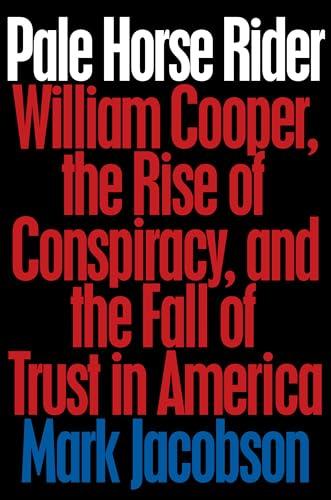
William Cooper, the Rise of Conspiracy, and the Fall of Trust in America
It was mentioned as a biography of William Cooper, detailing his childhood, including a traumatic plane crash he witnessed at the age of nine.
once while his father was assigned to Lodge's Field on Terciera Island in the Azores, the young Cooper was sitting in the base rec room watching a movie when the projector ground to a halt. The lights...
— Episode: Part One: Bill Cooper: The Man Who Kille...
It was mentioned as a biography of William Cooper, detailing his childhood, including a traumatic plane crash he witnessed at the age of nine.
once while his father was assigned to Lodge's Field on Terciera Island in the Azores, the young Cooper was sitting in the base rec room watching a movie when the projector ground to a halt. The lights came on and a plea was made for blood donors.
I knew immediately something terrible had happened. Running outside, Cooper saw that a B-29 Superfortress had crashed. I saw men on fire running through the night, Cooper wrote and behold, a pale horse. I was only nine years old but felt much older.
It was discussed as a biography of Bill Cooper, which provided context about his background and experiences. It highlighted Cooper's childhood and the events that shaped his worldview.
once while his father was assigned to Lodge's Field on Terciera Island in the Azores, the young Cooper was sitting in the base rec room watching a movie when the projector ground to a halt.
I knew immediately something terrible had happened. Running outside, Cooper saw that a B-29 Superfortress had crashed.
I saw men on fire running through the night, Cooper wrote and behold, a pale horse.
In his voluminous FBI file, Cooper's father, Jack, is quoted as saying that his son had been married or engaged at least nine times.
I began to see things at first that made no sense to me.
It's a biography of Bill Cooper that was discussed throughout the podcast, and was the source for many of the quotes shared about Bill's life, including his childhood and military career.
once while his father was assigned to Lodge's Field on Terciera Island in the Azores, the young Cooper was sitting in the base rec room watching a movie when the projector ground to a halt. The lights came on and a plea was made for blood donors.
I knew immediately something terrible had happened. Running outside, Cooper saw that a B-29 Superfortress had crashed. I saw men on fire running through the night, Cooper wrote and behold, a pale horse.
In his voluminous FBI file, Cooper's father, Jack, is quoted as saying that his son had been married or engaged at least nine times.
Right away, I knew I was seeing what I was not supposed to see. Material never intended for my eyes. The secrets were there.
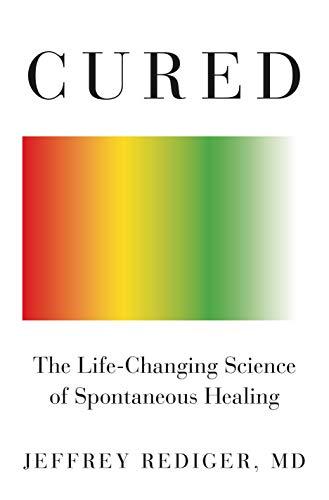
Strengthen Your Immune System and Heal Your Life
It was discussed that it focused on people who experienced spontaneous remission, and the speaker considered the author to potentially be a grifter due to his past appearances on Coast to Coast AM.
He does have a book out however, called Cured with an exclamation point.
— Episode: Part Two: John of God: Oprah's Favorite...
It was discussed that it focused on people who experienced spontaneous remission, and the speaker considered the author to potentially be a grifter due to his past appearances on Coast to Coast AM.
He does have a book out however, called Cured with an exclamation point.
It was mentioned as a book by a psychiatrist who also appeared on Coast to Coast AM, discussing spontaneous remission. It was implied that the author may be a grifter.
He does have a book out however, called Cured with an exclamation point. And it's about people going into spontaneous remission.
You don't go on Coast to Coast AM if you're like a credible person.
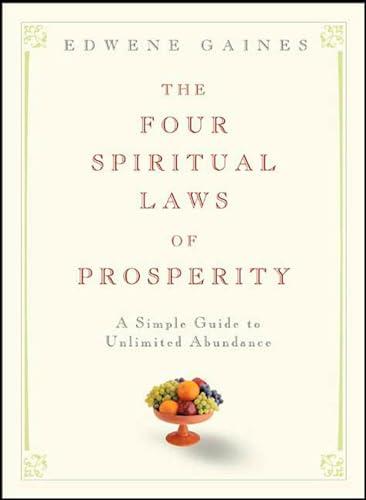
A Simple Guide to Unlimited Abundance
It was mentioned in passing, and it was suggested that the book's author, Edwin, a minister and motivational speaker, had a brain aneurysm that John of God allegedly cured.
Over a good Chilean red, Edwin, an ordained minister, motivational speaker and author of The Four Spiritual Laws of Prosperity recounted the story of her brain aneurysm deemed inopera...
— Episode: Part One: John of God: Oprah's Favorite...
It was mentioned in passing, and it was suggested that the book's author, Edwin, a minister and motivational speaker, had a brain aneurysm that John of God allegedly cured.
Over a good Chilean red, Edwin, an ordained minister, motivational speaker and author of The Four Spiritual Laws of Prosperity recounted the story of her brain aneurysm deemed inoperable by five neurosurgeons.

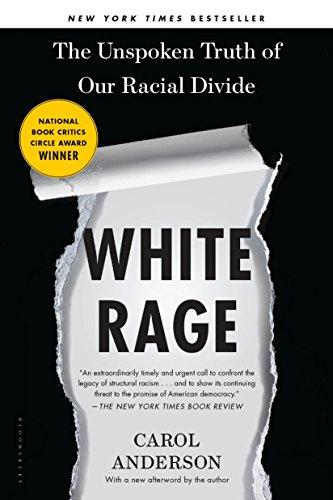
The Unspoken Truth of Our Racial Divide
It was described as a powerful book that discusses how Black advancement has historically sparked white rage in America.
The trigger for White Rage, inevitably, is Black advancement. It is not the mere presence of Black people that is the problem. Rather, it is Blackness with ambition, with drive, with...
— Episode: Behind the Police: How The Police Defeat...
It was described as a powerful book that discusses how Black advancement has historically sparked white rage in America.
The trigger for White Rage, inevitably, is Black advancement. It is not the mere presence of Black people that is the problem. Rather, it is Blackness with ambition, with drive, with purpose, with aspirations, and with demands for full and equal citizenship.
It was described as a powerful book about how Black advancement often sparks white rage and is not just due to the presence of Black people.
The trigger for White Rage, inevitably, is Black advancement. It is not the mere presence of Black people that is the problem. Rather, it is Blackness with ambition, with drive, with purpose, with aspirations, and with demands for full and equal citizenship.
It was described as a powerful book which highlighted that white rage is often triggered by Black advancement, rather than the mere presence of Black people.
The trigger for White Rage, inevitably, is Black advancement. It is not the mere presence of Black people that is the problem. Rather, it is Blackness with ambition, with drive, with purpose, with aspirations, and with demands for full and equal citizenship.
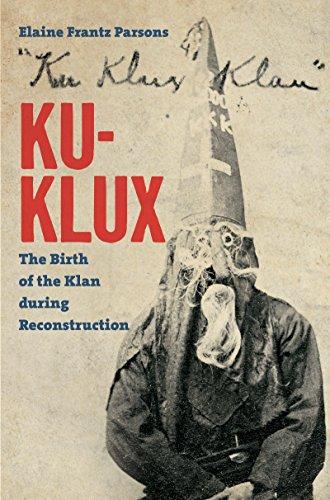
The Birth of the Klan during Reconstruction
It was discussed as being particularly helpful in understanding modern right-wing street violence and the absurdity of their tactics. The book explores the Klan's strategy of portraying violence as humor to evade consequences.
Ku Klux endeavored to portray victims' entirely rational fear of their physical violence as though it were superstition or gullibility. The victim tellingly failed to get the joke, allowing himself to...
— Episode: The History of American Police and the K...
It was discussed as being particularly helpful in understanding modern right-wing street violence and the absurdity of their tactics. The book explores the Klan's strategy of portraying violence as humor to evade consequences.
Ku Klux endeavored to portray victims' entirely rational fear of their physical violence as though it were superstition or gullibility. The victim tellingly failed to get the joke, allowing himself to be frightened by ghosts or devils.
It was mentioned and quoted regarding the KKK's use of costumes and absurd behavior to create terror, portraying victims' rational fear as superstition or gullibility.
Ku Klux endeavored to portray victims entirely rational fear of their physical violence as though it were superstition or gullibility. The victim tellingly failed to get the joke, allowing himself to be frightened by ghosts or devils.
The book was mentioned for its insightful look at the KKK's early days, explaining how they used absurd tactics to create terror and fear among Black communities.
Ku Klux endeavored to portray victims entirely rational fear of their physical violence as though it were superstition or gullibility. The victim tellingly failed to get the joke, allowing himself to be frightened by ghosts or devils.
The Hidden History of Racial Cleansing in America
Race and the Origins of Modern Policing in New York
It was referred to as a source on the history of New York policing, specifically detailing how the structure of bounties discouraged the apprehension of criminals and encouraged corruption amongst police officers.
The police reports published in the newspapers in these years are filled with accounts of instances in which the property was returned with financial rewards for the police officer, but in which the c...
— Episode: How The First Police Went From Gangsters...
It was referred to as a source on the history of New York policing, specifically detailing how the structure of bounties discouraged the apprehension of criminals and encouraged corruption amongst police officers.
The police reports published in the newspapers in these years are filled with accounts of instances in which the property was returned with financial rewards for the police officer, but in which the criminal was not brought to justice.
The officer received a larger fee or award for recovering the stolen property than he would have received for bringing the criminal in.
Often the arrangement was consummated even before the robbery or burglary took place.
An officer would be privy to a crime and after its commission would endeavor to recover the stolen property in return for a liberal reward.
Part of the reward would then go to the thief as a share.
It was mentioned as a history book about the New York Police, which was used as source material for the episode, and details about police corruption were discussed from this book.
The police reports published in the newspapers in these years are filled with accounts of instances in which the property was returned with financial rewards for the police officer, but in which the criminal was not brought to justice.
The officer received a larger fee or award for recovering the stolen property than he would have received for bringing the criminal in.
Often the arrangement was consummated even before the robbery or burglary took place.
An officer would be privy to a crime and after its commission would endeavor to recover the stolen property in return for a liberal reward.
Part of the reward would then go to the thief as a share.
It was referenced for detailing how police incentives during the early 1800s encouraged prioritizing the recovery of stolen goods over apprehending criminals, often leading to corrupt practices.
The police reports published in the newspapers in these years are filled with accounts of instances in which the property was returned with financial rewards for the police officer, but in which the criminal was not brought to justice.
The officer received a larger fee or award for recovering the stolen property than he would have received for bringing the criminal in.
Often the arrangement was consummated even before the robbery or burglary took place.
An officer would be privy to a crime and after its commission would endeavor to recover the stolen property in return for a liberal reward.
Part of the reward would then go to the thief as a share.
Law and Violence in Virginia and the Carolinas (Harvard Historical Studies)
It was described as the most comprehensive history of slave patrols, highlighting the role of white supremacy and the unified obligation of white individuals to suppress the black population.
The history of police work in the South grows out of this early fascination by white patrollers with what African-American slaves were doing. Most law enforcement was by definition, white patrolmen wa...
— Episode: Slavery, Mass Murder and the Birth of Am...
It was described as the most comprehensive history of slave patrols, highlighting the role of white supremacy and the unified obligation of white individuals to suppress the black population.
The history of police work in the South grows out of this early fascination by white patrollers with what African-American slaves were doing. Most law enforcement was by definition, white patrolmen watching, catching or beating black slaves.
With us, every citizen is concerned in the maintenance of order and in promoting honesty and industry among those of the lowest class who are our slaves. And our habitual vigilance renders standing armies, whether of soldiers or policemen, entirely unnecessary. Small guards in our cities and occasional patrols in the country ensure us a repose and security known nowhere else.
It was described as the most comprehensive history of slave patrols, highlighting their role in maintaining white supremacy and the social classes involved.
The history of police work in the South grows out of this early fascination by white patrollers with what African-American slaves were doing. Most law enforcement was by definition, white patrolmen watching, catching or beating black slaves.
With us, every citizen is concerned in the maintenance of order and in promoting honesty and industry among those of the lowest class who are our slaves. And our habitual vigilance renders standing armies, whether of soldiers or policemen, entirely unnecessary. Small guards in our cities and occasional patrols in the country ensure us a repose and security known nowhere else.
This book was described as the most comprehensive study of slave patrols yet, detailing the transition of this institution into formalized police departments in the American South after the Civil War.
The history of police work in the South grows out of this early fascination by white patrollers with what African-American slaves were doing. Most law enforcement was by definition, white patrolmen watching, catching or beating black slaves.
Policemen in southern towns continued to carry out those aspects of urban slave patrolling that seemed race neutral, but in reality were applied selectively.
Published by Sage Press, it was referenced for its insights into how slave patrollers transitioned into policing freed Black people in the post-Civil War era, highlighting the seamless transition from slave patrols to public police forces.
During early reconstruction, several groups merged with what was formerly known as slave patrols to maintain order over African American citizens. Groups such as the federal military, the state militi...
— Episode: Slavery, Mass Murder and the Birth of Am...
Published by Sage Press, it was referenced for its insights into how slave patrollers transitioned into policing freed Black people in the post-Civil War era, highlighting the seamless transition from slave patrols to public police forces.
During early reconstruction, several groups merged with what was formerly known as slave patrols to maintain order over African American citizens. Groups such as the federal military, the state militia and the Ku Klux Klan took over the responsibilities of earlier slave patrols and were known to be even more violent than their predecessors. Over time, these groups began to resemble and operate similar to some of the newly established police departments in the United States.
This textbook was mentioned to provide insight into the seamless transition from slave patrols to policing freed Black people in the post-war South.
During early reconstruction, several groups merged with what was formerly known as slave patrols to maintain order over African American citizens. Groups such as the federal military, the state militia and the Ku Klux Klan took over the responsibilities of earlier slave patrols and were known to be even more violent than their predecessors.
This textbook by a North Dakota State professor, published by Sage Press, provided information on the transition of slave patrols into police departments and the persistence of certain policing practices.
During early reconstruction, several groups merged with what was formerly known as slave patrols to maintain order over African American citizens.
the transition from slave patrols to publicly funded police agencies was seamless in the southern region of the United States.

The book was used as a prop in a makeshift medical study of 'machetism' in which Sophie hit it with a machete and other objects while blindfolded.
I'm going to guide your hand down towards the object. The copy of based instinct that you're going to hit just so you know where it is.
— Episode: Part Two: The Bastard Who Invented Homeo...
The book was used as a prop in a makeshift medical study of 'machetism' in which Sophie hit it with a machete and other objects while blindfolded.
I'm going to guide your hand down towards the object. The copy of based instinct that you're going to hit just so you know where it is.
Now, I'm going to guide your hand down again to the copy of Basic Instinct.
I stabbed it pretty hard.
A VHS copy of the book was used during a makeshift experiment on a podcast guest. The book was also used as a surface to hit for an experiment about using a machete to treat earaches.
The copy of based instinct that you're going to hit just so you know where it is.
Now, I'm going to guide your hand down again to the copy of Basic Instinct.
Note: The book recommendations on this page are discovered automatically from podcast transcripts, and may be incorrect or incomplete.
Podcast Name