
Podcast
Behind the Bastards
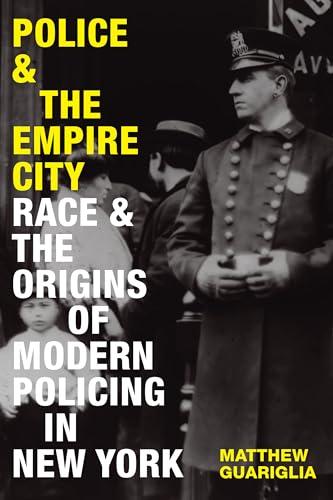
It was referred to as a source on the history of New York policing, specifically detailing how the structure of bounties discouraged the apprehension of criminals and encouraged corruption amongst police officers.
The police reports published in the newspapers in these years are filled with accounts of instances in which the property was returned with financial rewards for the police officer, but in which the c...
— Episode: How The First Police Went From Gangsters...
Episode: How The First Police Went From Gangsters, To An Ar...
It was referred to as a source on the history of New York policing, specifically detailing how the structure of bounties discouraged the apprehension of criminals and encouraged corruption amongst police officers.
The police reports published in the newspapers in these years are filled with accounts of instances in which the property was returned with financial rewards for the police officer, but in which the criminal was not brought to justice.
The officer received a larger fee or award for recovering the stolen property than he would have received for bringing the criminal in.
Often the arrangement was consummated even before the robbery or burglary took place.
An officer would be privy to a crime and after its commission would endeavor to recover the stolen property in return for a liberal reward.
Part of the reward would then go to the thief as a share.
Episode: How The First Police Went From Gangsters, To An Ar...
It was mentioned as a history book about the New York Police, which was used as source material for the episode, and details about police corruption were discussed from this book.
The police reports published in the newspapers in these years are filled with accounts of instances in which the property was returned with financial rewards for the police officer, but in which the criminal was not brought to justice.
The officer received a larger fee or award for recovering the stolen property than he would have received for bringing the criminal in.
Often the arrangement was consummated even before the robbery or burglary took place.
An officer would be privy to a crime and after its commission would endeavor to recover the stolen property in return for a liberal reward.
Part of the reward would then go to the thief as a share.
Episode: How The First Police Went From Gangsters, To An Ar...
It was referenced for detailing how police incentives during the early 1800s encouraged prioritizing the recovery of stolen goods over apprehending criminals, often leading to corrupt practices.
The police reports published in the newspapers in these years are filled with accounts of instances in which the property was returned with financial rewards for the police officer, but in which the criminal was not brought to justice.
The officer received a larger fee or award for recovering the stolen property than he would have received for bringing the criminal in.
Often the arrangement was consummated even before the robbery or burglary took place.
An officer would be privy to a crime and after its commission would endeavor to recover the stolen property in return for a liberal reward.
Part of the reward would then go to the thief as a share.