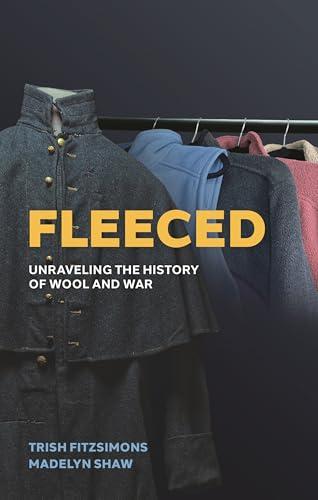
Fleeced
Trish FitzSimons
Mentioned 4 months ago
The Longest Fence in the World
Design is everywhere in our lives, perhaps most importantly in the places where we've just stopped noticing. 99% Invisible is a weekly exploration of the process and power of design and architecture. From award winning producer Roman Mars. Learn more at 99percentinvisible.org.
Recently mentioned
Trish FitzSimons
Mentioned 4 months ago
The Longest Fence in the World
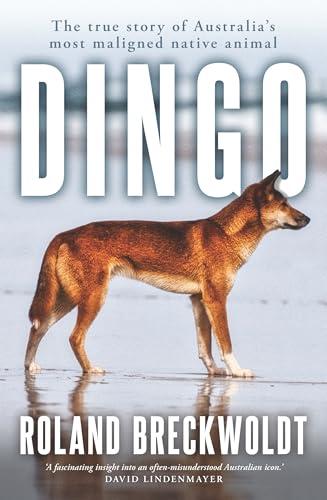
Roland Breckwoldt
Mentioned 4 months ago
The Longest Fence in the World
Annabel Barber
Mentioned 5 months ago
Artistic License Redux
Keith Houston
Mentioned 5 months ago
The Em Dash
Laurence Sterne
Mentioned 5 months ago
The Em Dash
Jane Austen
Mentioned 5 months ago
The Em Dash
Herman Melville
Mentioned 5 months ago
The Em Dash
Charlotte Bronte
Mentioned 5 months ago
The Em Dash
Charles Dickens
Mentioned 5 months ago
The Em Dash
Wendy MacNaughton
Mentioned 6 months ago
Audio Flux
Lin Johnson
Mentioned 6 months ago
Exit Interview With Michael Bierut
Roman Mars
Mentioned 6 months ago
Beyond the 99% Invisible City
The book was mentioned in the context of a building name that was a sly reference to the villains, 'Infantes de Carrion', in the epic poem.
There's a building in Santiago named Infantes de Carrion, which sounds nice, even noble. Infantes means children of kings in Spanish. And Carrion has the double R, which gives it prestige.
— Episode: The Zanzibar and Other Building Poems
The book was mentioned in the context of a building name that was a sly reference to the villains, 'Infantes de Carrion', in the epic poem.
There's a building in Santiago named Infantes de Carrion, which sounds nice, even noble. Infantes means children of kings in Spanish. And Carrion has the double R, which gives it prestige.
And these are not just any villains. They were real bastards. They raped a girl in the book.
It was mentioned as the source of the quote about regretting life, and was part of a monument in New York City built in 1989, incorporating both Whitman and O'Hara's work.
One need never leave the confines of New York to get all the greenery one wishes. I can't even enjoy a blade of grass unless I know there's a subway handy. Or a record store. Or some other sign that p...
— Episode: Some Other Sign that People Do Not Total...
It was mentioned as the source of the quote about regretting life, and was part of a monument in New York City built in 1989, incorporating both Whitman and O'Hara's work.
One need never leave the confines of New York to get all the greenery one wishes. I can't even enjoy a blade of grass unless I know there's a subway handy. Or a record store. Or some other sign that people do not totally regret life.

It was a short story collection that the speaker, Noel, was reading while working on a GEICO advertising campaign. The title story, about a caveman-themed tourist attraction, helped inspire the campaign's 'so easy a caveman can do it' slogan.
Noel was also in the midst of reading the short story collection, Pastorelia, by the writer George Saunders.
— Episode: What Gave You That Idea
It was a short story collection that the speaker, Noel, was reading while working on a GEICO advertising campaign. The title story, about a caveman-themed tourist attraction, helped inspire the campaign's 'so easy a caveman can do it' slogan.
Noel was also in the midst of reading the short story collection, Pastorelia, by the writer George Saunders.
The title story is about a theme park where tourists come to learn how other civilizations live.
It was like taking a natural cave with stalactites and stalagmites and then showing what life was like back in caveman times by hiring these low-ran actors.
And then all of a sudden I'm like, wait a second, these cavemen from the Saunders book, like that's perfect. And the whole slogan came to me fully formed.
Like the George Saunders story, the ads are funny, but also a little sad.
It was a short story that George Saunders read in a literary journal at the Chicago Public Library. He found it impactful because of its connection to his own lived experience and found that it spurred him to develop his own style of writing.
Then he came across a short story called Hot Ice by a Chicago author named Stuart Dybeck.
— Episode: What Gave You That Idea
It was a short story that George Saunders read in a literary journal at the Chicago Public Library. He found it impactful because of its connection to his own lived experience and found that it spurred him to develop his own style of writing.
Then he came across a short story called Hot Ice by a Chicago author named Stuart Dybeck.
It was the first time I'd ever had the experience of reading a work of literature that was set in a physical place and time that I knew.
The book was mentioned in the context of Trappist beers, and the author, a brewer himself, was interviewed about the scarcity of Westvleteren beer.
No, the Americans said West Flateren is the best beer of the world.
— Episode: The Best Beer in the World
The book was mentioned in the context of Trappist beers, and the author, a brewer himself, was interviewed about the scarcity of Westvleteren beer.
No, the Americans said West Flateren is the best beer of the world.
He's the author of a book called Trappist, The Seven Heavenly Beers.
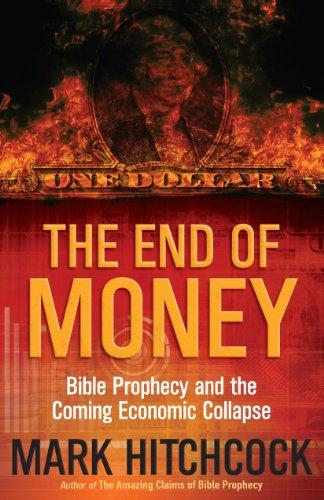
It was mentioned as the book of the podcast guest, and the speaker found the book's concept that a better designed banknote is still just a piece of paper, to be rather interesting.
My name is David Woolman, my book is The End of Money.
— Episode: The Colour of Money
It was mentioned as the book of the podcast guest, and the speaker found the book's concept that a better designed banknote is still just a piece of paper, to be rather interesting.
My name is David Woolman, my book is The End of Money.
I mean his book is called The End of Money after all.
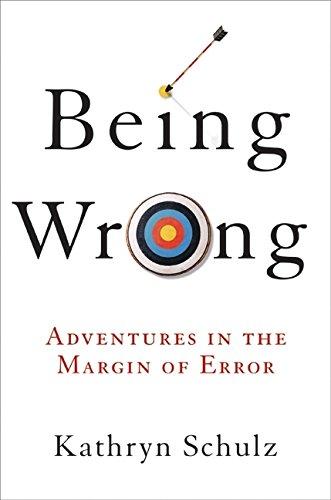
Adventures in the Margin of Error
The book's author, Katherine Schultz, was interviewed and discussed the book's concept of being wrong, using the example of the Tacoma Narrows Bridge collapse.
The thing about Being Wrong is that before you know you're wrong, it feels exactly like being right.
— Episode: Galloping Gertie
The book's author, Katherine Schultz, was interviewed and discussed the book's concept of being wrong, using the example of the Tacoma Narrows Bridge collapse.
The thing about Being Wrong is that before you know you're wrong, it feels exactly like being right.
This is Katherine Schultz, author of Being Wrong, Adventures in the Margin of Error.
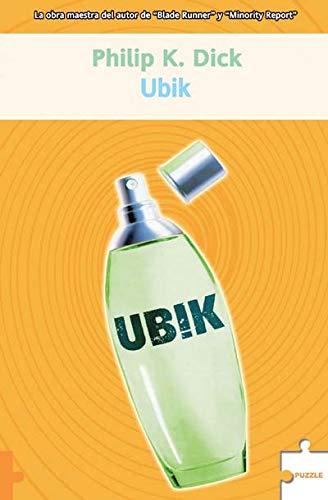
It was mentioned in relation to Philip K. Dick's dystopian view of the relationship between humans and objects, particularly in the context of a scene where a door refuses to open unless paid.
In the world of Philip K Dick, humans are often at the mercy of objects like taxis, coffee makers and doors.
— Episode: The Human-Human Interface
It was mentioned in relation to Philip K. Dick's dystopian view of the relationship between humans and objects, particularly in the context of a scene where a door refuses to open unless paid.
In the world of Philip K Dick, humans are often at the mercy of objects like taxis, coffee makers and doors.
Here's a scene from his book Ubik. The door refused to open. It said five cents please.
Philip K Dick's view of the future of objects was definitely dystopian and he needed it for like drama reasons but in truth we've had a rapport with objects throughout the centuries.
Benjamin Walker...he's always subscribed to Dick's dystopian vision of man versus object...
He also sports a Philip K Dick inspired Ubik tattoo on his arm.
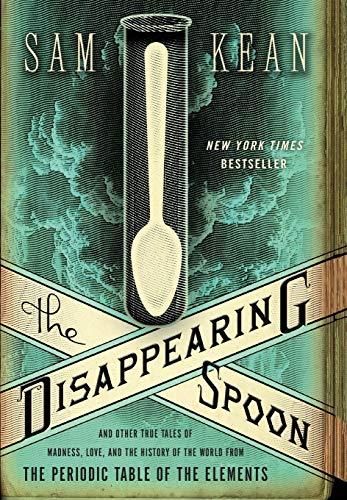
And Other True Tales of Madness, Love, and the History of the World from the Periodic Table of the Elements
It was presented as a book that tells two tales of madness, love, and the history of the world through the periodic table of the elements.
My name is Sam Keen. The book is The Disappearing Spoon and other two tales of madness, love, and the history of the world from the periodic table of the elements.
— Episode: Periodic Table
It was presented as a book that tells two tales of madness, love, and the history of the world through the periodic table of the elements.
My name is Sam Keen. The book is The Disappearing Spoon and other two tales of madness, love, and the history of the world from the periodic table of the elements.

The Original Edition With Complete Illustrations
They mentioned it as another beloved classic among their alltime favorites.
I love Alice in Wonderland.
— Episode: The Power Broker Breakdown Wrap-Up
They mentioned it as another beloved classic among their alltime favorites.
I love Alice in Wonderland.
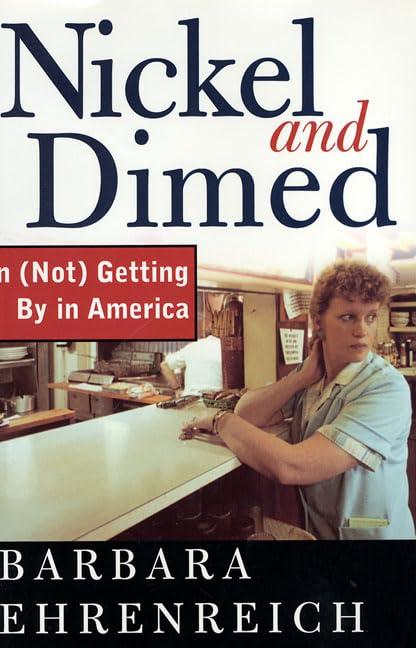
On (Not) Getting By in America
Clara noted that articles she edited at Harper's later formed Ehrenreich's influential 2001 book about lowwage work.
Those essays later became part of Ehrenreich's seminal 2001 book, Nickel and Dimed.
— Episode: The Power Broker #10: Clara Jeffery
Clara noted that articles she edited at Harper's later formed Ehrenreich's influential 2001 book about lowwage work.
Those essays later became part of Ehrenreich's seminal 2001 book, Nickel and Dimed.
I love the way that Caro writes each of these sections. He starts each of them with a similar mirroring phrase.
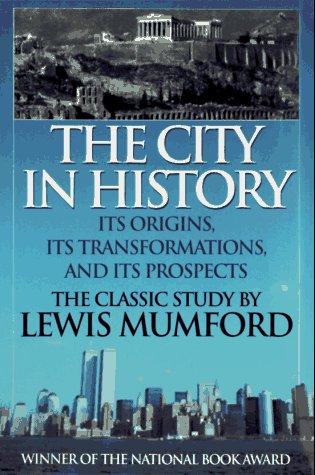
Its Origins, Its Transformations, and Its Prospects
The hosts praised Mumford's historical work, calling it a favorite that informed their thinking about urban development.
I love his book, The City in History.
— Episode: The Power Broker #10: Clara Jeffery
The hosts praised Mumford's historical work, calling it a favorite that informed their thinking about urban development.
I love his book, The City in History.
He's a big fan of his. I love his book, The City in History.
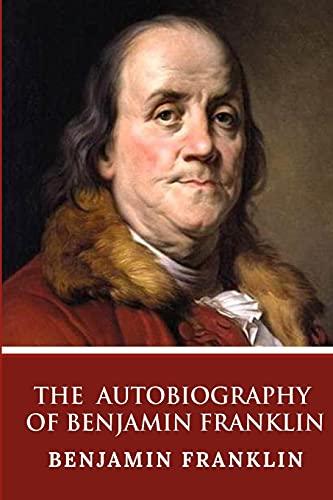
Tom cited Franklin's autobiography to illustrate how the founding father used personal tragedy to argue for vaccination against disease.
when he wrote his autobiography, he very movingly went back to that episode
— Episode: Constitution Breakdown #5: Dr. Tom Fried...
Tom cited Franklin's autobiography to illustrate how the founding father used personal tragedy to argue for vaccination against disease.
when he wrote his autobiography, he very movingly went back to that episode

They said it is a short nonfiction book they have read many times and love for its insights on power dynamics in interviews.
The nonfiction book that I think I probably have read the most times is The Journalist And The Murderer, which I love. It helped me think differently about the power difference betwee...
— Episode: The Power Broker Breakdown Wrap-Up
They said it is a short nonfiction book they have read many times and love for its insights on power dynamics in interviews.
The nonfiction book that I think I probably have read the most times is The Journalist And The Murderer, which I love. It helped me think differently about the power difference between people interviewing other people.
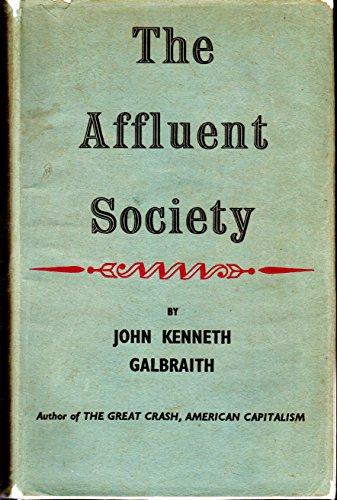
The book was cited as a famous work that critiqued consumerism and highlighted economic abundance in postwar America.
John Kenneth Galbraith, you know, a legendary liberal economist of that era, writes this famous book called The Affluent Society and talks about, you know, these people camping and ea...
— Episode: Build, Interrupted: A Conversation with...
The book was cited as a famous work that critiqued consumerism and highlighted economic abundance in postwar America.
John Kenneth Galbraith, you know, a legendary liberal economist of that era, writes this famous book called The Affluent Society and talks about, you know, these people camping and eating their food out of plastic containers amidst all this trash.
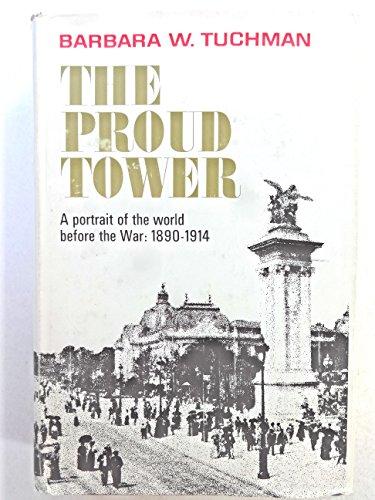
Roman highlighted the book as an exceptional work of history.
The Proud Tower is exceptional.
— Episode: The Power Broker Breakdown Wrap-Up
Roman highlighted the book as an exceptional work of history.
The Proud Tower is exceptional.
Note: The book recommendations on this page are discovered automatically from podcast transcripts, and may be incorrect or incomplete.
Podcast Name