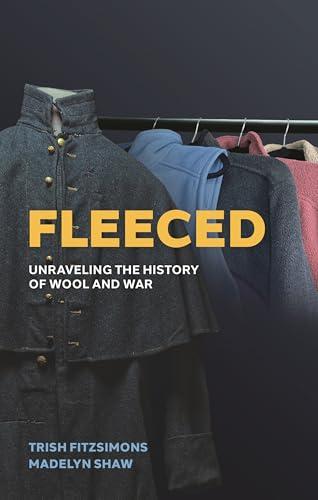
Fleeced
Trish FitzSimons
Mentioned 4 months ago
The Longest Fence in the World
Design is everywhere in our lives, perhaps most importantly in the places where we've just stopped noticing. 99% Invisible is a weekly exploration of the process and power of design and architecture. From award winning producer Roman Mars. Learn more at 99percentinvisible.org.
Recently mentioned
Trish FitzSimons
Mentioned 4 months ago
The Longest Fence in the World
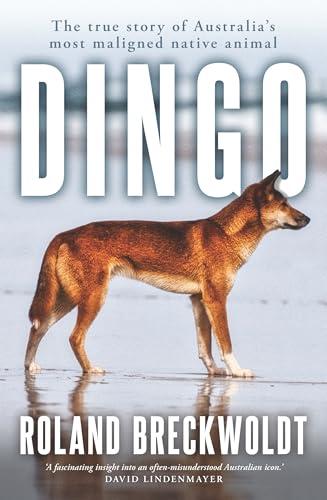
Roland Breckwoldt
Mentioned 4 months ago
The Longest Fence in the World
Annabel Barber
Mentioned 5 months ago
Artistic License Redux
Keith Houston
Mentioned 5 months ago
The Em Dash
Laurence Sterne
Mentioned 5 months ago
The Em Dash
Jane Austen
Mentioned 5 months ago
The Em Dash
Herman Melville
Mentioned 5 months ago
The Em Dash
Charlotte Bronte
Mentioned 5 months ago
The Em Dash
Charles Dickens
Mentioned 5 months ago
The Em Dash
Wendy MacNaughton
Mentioned 6 months ago
Audio Flux
Lin Johnson
Mentioned 6 months ago
Exit Interview With Michael Bierut
Roman Mars
Mentioned 6 months ago
Beyond the 99% Invisible City
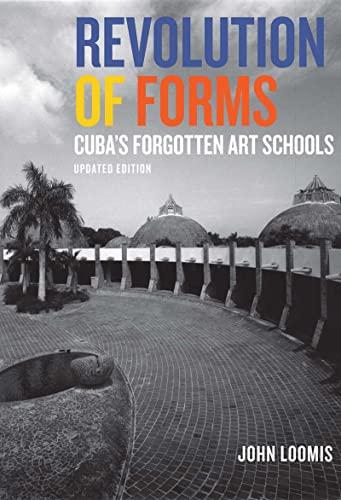
Cuba's Forgotten Art Schools
It was published in 1999 and told the story of the Cuban art schools, which was previously a taboo subject, inspiring many and eventually prompting Fidel Castro to commit to restoring them.
John Loomis who we've been talking to throughout this episode published his book about the schools called Revolution of Forms.
— Episode: Viva La Arquitectura!
It was published in 1999 and told the story of the Cuban art schools, which was previously a taboo subject, inspiring many and eventually prompting Fidel Castro to commit to restoring them.
John Loomis who we've been talking to throughout this episode published his book about the schools called Revolution of Forms.
And through Revolution of Forms Felipe finally learned the story of this place where he had studied for five years.
The year Revolution of Forms came out, Fidel Castro publicly committed to restoring them.
Special thanks of course to John Loomis, author of Revolution of Forms.
I was accused in Cuba of being an employee of the CIA and writing this book to embarrass Cuba and that's... I don't think it embarrasses Cuba. I hope not.
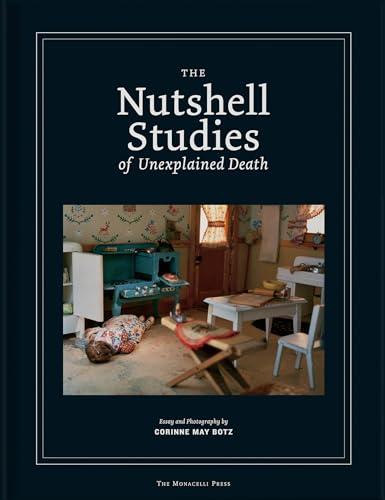
It was written by Corinne Vatz after seven years of research on Frances Glesner-Lee and features amazing photographs of the Nutshell Studies.
Corinne spent seven years researching Frances Glesner-Lee.
— Episode: The Nutshell Studies
It was written by Corinne Vatz after seven years of research on Frances Glesner-Lee and features amazing photographs of the Nutshell Studies.
Corinne spent seven years researching Frances Glesner-Lee.
Corinne Botts' book, The Nutshell Studies of Unexplained Death, is full of amazing photographs of the nutshells, some of which you can see on our website is 99pi.org.
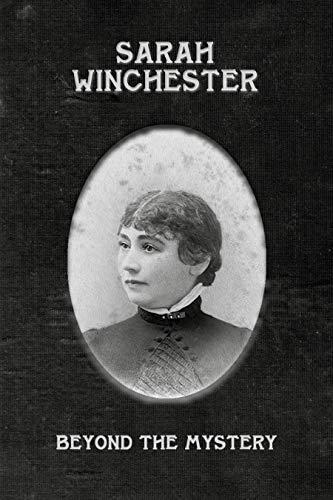
Beyond the Mystery
Mary Jo Ignafo wrote a book that challenges some of the myths about Sarah Winchester, such as her reasons for building her famous house, and instead provided evidence that she was a forward-thinking and savvy businesswoman.
She wrote a book about Sarah Winchester that challenges some of the myths about her.
— Episode: Mystery House
Mary Jo Ignafo wrote a book that challenges some of the myths about Sarah Winchester, such as her reasons for building her famous house, and instead provided evidence that she was a forward-thinking and savvy businesswoman.
She wrote a book about Sarah Winchester that challenges some of the myths about her.
Sarah herself didn't write a memoir or speak to the press but Mary Jo did find documents that helped her understand who the real Sarah Winchester may have been.
2 Year Pocket Planner January 2025 - December 2026
It was discussed as a book about the history of the calendar, including the Roman and Egyptian calendars, and how they influenced the calendar we use today.
That is David Ewing Duncan and I am the author of calendar.
— Episode: The Calendar
It was discussed as a book about the history of the calendar, including the Roman and Egyptian calendars, and how they influenced the calendar we use today.
That is David Ewing Duncan and I am the author of calendar.
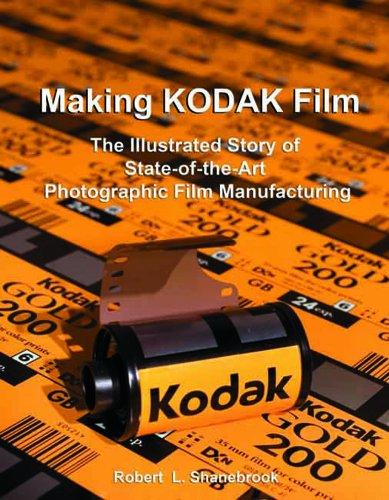
It was mentioned as a book written by a Kodak employee that details the previously top-secret process of how Kodak film was made, with many pictures of the factory.
Robert wrote a book about how Kodak film was made called making Kodak film.
— Episode: The Calendar
It was mentioned as a book written by a Kodak employee that details the previously top-secret process of how Kodak film was made, with many pictures of the factory.
Robert wrote a book about how Kodak film was made called making Kodak film.
It was mentioned in relation to the redesigning of US currency, arguing against it due to the currency representing national identity and stability. It was noted that the book is about the future of money and not necessarily paper banknotes.
My name is David Wolman, my book is The End of Money.
— Episode: The Colour of Money (R)
It was mentioned in relation to the redesigning of US currency, arguing against it due to the currency representing national identity and stability. It was noted that the book is about the future of money and not necessarily paper banknotes.
My name is David Wolman, my book is The End of Money.
For a lot of people our currency is a physical touchstone of our national identity.
And that other concern is that when you redesign the money you remind people what currency is and what gives the currency value.
And of course what gives the currency value is our belief that it's valuable and in the religious sense of it nothing more than faith or trust or worship whatever you want to call it makes a dollar worth a dollar or worth whatever you're going to buy with it.
I don't think it's that remarkable. Congratulations to the Aussies and the scientists who came up with polymer banknotes and I think they profited well because of that innovation but I'm just not convinced it's a very world-changing kind of thing it's it's pretty.
A Cultural History of Barbed Wire
It was mentioned as a cultural history book on barbed wire, and was discussed in relation to its use in warfare, particularly during World War I and its presence in concentration camps in World War II.
Hi, my name is Alan Krell and I'm the author of The Devil's Rope, A Cultural History of Barbed Wire.
— Episode: Devil’s Rope
It was mentioned as a cultural history book on barbed wire, and was discussed in relation to its use in warfare, particularly during World War I and its presence in concentration camps in World War II.
Hi, my name is Alan Krell and I'm the author of The Devil's Rope, A Cultural History of Barbed Wire.
Alan says that World War I is the first time barbed wire really becomes widely associated with being a tool of war.
Ellen Krell's book, The Devil's Rope, is a really great resource for this.
The Fence that Changed the West
It was described as a book written by Joanne Liu, a Texas-based writer and editor, that explores the impact of barbed wire on the development of the American West.
Joanne Liu, who you heard throughout the piece, wrote Barbed Wire, The Fence That Changed the West.
— Episode: Devil’s Rope
It was described as a book written by Joanne Liu, a Texas-based writer and editor, that explores the impact of barbed wire on the development of the American West.
Joanne Liu, who you heard throughout the piece, wrote Barbed Wire, The Fence That Changed the West.
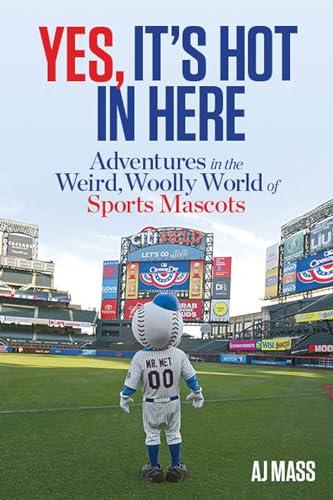
Adventures in the Weird, Woolly World of Sports Mascots
It was discussed as a book about sports mascots, written by AJ Mass, who was previously the person inside of the Mr. Met costume.
That's AJ Mass, writer for ESPN.com and author of a book all about sports mascots called Yes, It's Hot in Here.
— Episode: La Mascotte
It was discussed as a book about sports mascots, written by AJ Mass, who was previously the person inside of the Mr. Met costume.
That's AJ Mass, writer for ESPN.com and author of a book all about sports mascots called Yes, It's Hot in Here.
The Original Unabridged And Complete Edition (Plato Classics)
It was referenced as a text where Plato debates the ideal diet for a society, including the question of whole grain or white bread, with an underlying connection to societal values and anxieties.
In Plato's Republic, Plato sets up this kind of debate about whether the ideal polis, the ideal society or city-state should function on a diet of whole grain gruel associated with rural life or kind...
— Episode: Good Bread
It was referenced as a text where Plato debates the ideal diet for a society, including the question of whole grain or white bread, with an underlying connection to societal values and anxieties.
In Plato's Republic, Plato sets up this kind of debate about whether the ideal polis, the ideal society or city-state should function on a diet of whole grain gruel associated with rural life or kind of cidified white bread cakes.
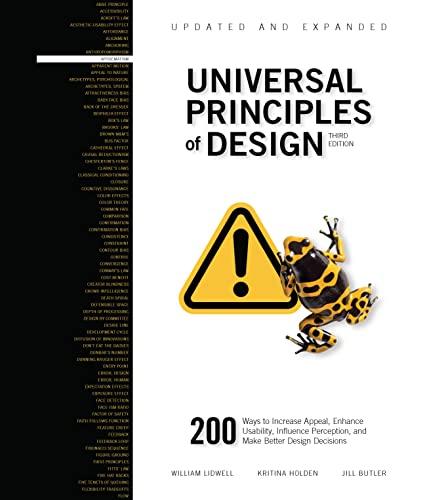
200 Ways to Increase Appeal, Enhance Usability, Influence Perception, and Make Better Design Decisions (Rockport Universal)
It was recommended as a fun, insightful, and quick-read encyclopedia of design principles. It was consulted often and highly recommended by Roman Mars.
Will's book, Universal Principles of Design, is one of my two go-to recommendations for books about design.
— Episode: Genesis Object
It was recommended as a fun, insightful, and quick-read encyclopedia of design principles. It was consulted often and highly recommended by Roman Mars.
Will's book, Universal Principles of Design, is one of my two go-to recommendations for books about design.
It's fun, insightful, quick-hit encyclopedia of all kinds of design principles.
I consult it all the time. I highly recommend it.
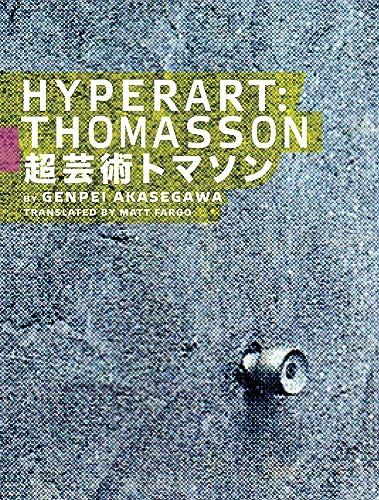
Thomasson
It was a book of collected photographs and writings by Akasagawa Genpei about urban leftovers, published in 1985, which Matt Fargo translated into English in 2009.
In 1985, Akasagawa published a book of these collected photographs and writings, which Matt Fargo translated into English for the first time in 2009.
— Episode: Thomassons
It was a book of collected photographs and writings by Akasagawa Genpei about urban leftovers, published in 1985, which Matt Fargo translated into English in 2009.
In 1985, Akasagawa published a book of these collected photographs and writings, which Matt Fargo translated into English for the first time in 2009.
After Matt translated Akasagawa's original book, which, by the way, is entitled Hyper Art Thomasson, the American publishers wanted to get a conversation going stateside.
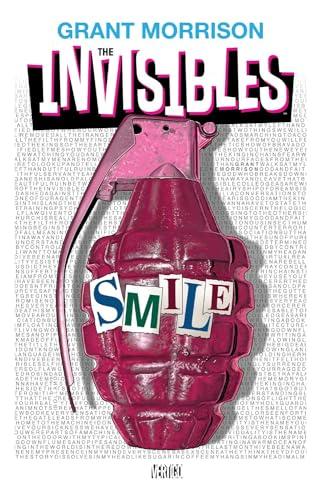
It was mentioned as a book of portraits of people who are highly skilled but largely unknown, referred to as 'invisibles', such as Jim Harding, the environmental graphic designer.
My book is called Invisibles, the Power of Anonymous Work in an Age of Relentless Self-Promotion.
— Episode: Walk This Way
It was mentioned as a book of portraits of people who are highly skilled but largely unknown, referred to as 'invisibles', such as Jim Harding, the environmental graphic designer.
My book is called Invisibles, the Power of Anonymous Work in an Age of Relentless Self-Promotion.
David Zweig's book is a series of portraits of people whom he refers to as invisibles. Invisibles are people who are highly skilled professionals, people who are really important to whatever enterprise or endeavor that they're a part of, that their work really has a big effect on the overall outcome, but yet who are largely unknown, never thought of by the public or the end user.
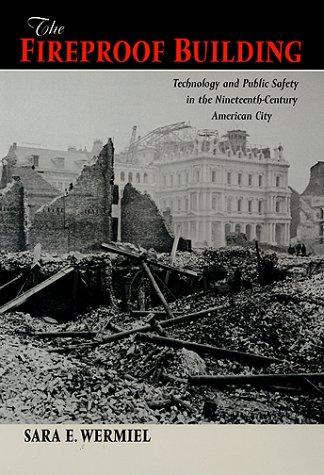
Technology and Public Safety in the Nineteenth-Century American City (Studies in Industry and Society)
It was mentioned as one of Professor Sarah Wormeel's books, discussing technology and public safety related to fire in 19th-century American cities, and it was likely discussed as a reference in the context of fire safety in building design.
One of my books is called 'The Fireproof Building'. I can't remember the subtitle. It's 'The Fireproof Building', Technology and Public Safety in the 19th Century Ame...
— Episode: Good Egress
It was mentioned as one of Professor Sarah Wormeel's books, discussing technology and public safety related to fire in 19th-century American cities, and it was likely discussed as a reference in the context of fire safety in building design.
One of my books is called 'The Fireproof Building'. I can't remember the subtitle. It's 'The Fireproof Building', Technology and Public Safety in the 19th Century American City.
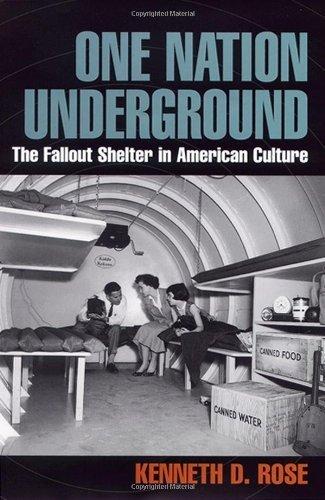
The Fallout Shelter in American Culture
It was mentioned that Kenneth D. Rose wrote this book about fallout shelters in American culture, and that the subject of shelters was inescapable in the early 1960s.
I'm Kenneth D. Rose. I wrote One Nation Underground, the fallout shelter in American culture.
— Episode: Cold War Kids
It was mentioned that Kenneth D. Rose wrote this book about fallout shelters in American culture, and that the subject of shelters was inescapable in the early 1960s.
I'm Kenneth D. Rose. I wrote One Nation Underground, the fallout shelter in American culture.
And he says, in fact, there was a lot of debate going on at the time about fallout shelters.
The subject was virtually inescapable in the early 1960s.
Every newspaper was running articles on shelters and the potential for survival.
And Dr. Rose also believes... Americans simply did not like the image of themselves cowering underground.
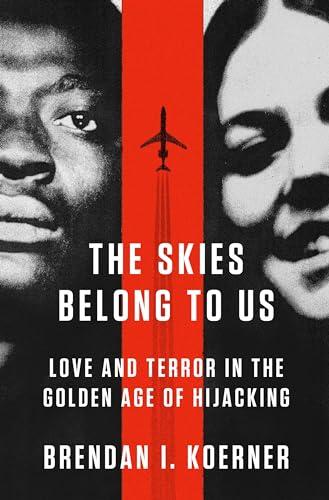
Love and Terror in the Golden Age of Hijacking (ALA Notable Books for Adults)
The book, 'The Skies Belong to Us', was discussed in relation to the history of skyjacking, particularly during the golden age of hijacking and the motivations behind it.
Brendan I. Kerner author of The Skies Belong to Us love and terror in the golden age of hijacking says
— Episode: Skyjacking
The book, 'The Skies Belong to Us', was discussed in relation to the history of skyjacking, particularly during the golden age of hijacking and the motivations behind it.
Brendan I. Kerner author of The Skies Belong to Us love and terror in the golden age of hijacking says
Note: The book recommendations on this page are discovered automatically from podcast transcripts, and may be incorrect or incomplete.
Podcast Name