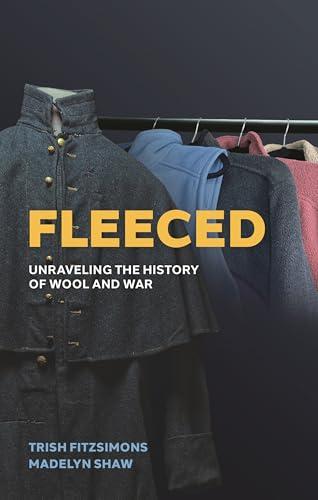
Fleeced
Trish FitzSimons
Mentioned 4 months ago
The Longest Fence in the World

Design is everywhere in our lives, perhaps most importantly in the places where we've just stopped noticing. 99% Invisible is a weekly exploration of the process and power of design and architecture. From award winning producer Roman Mars. Learn more at 99percentinvisible.org.
Recently mentioned
Trish FitzSimons
Mentioned 4 months ago
The Longest Fence in the World
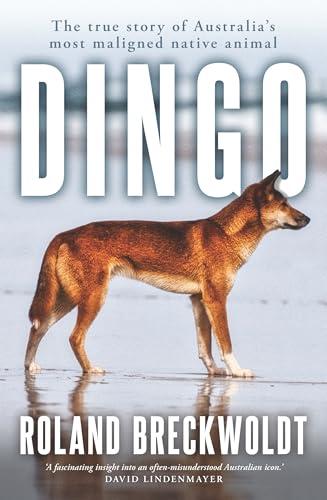
Roland Breckwoldt
Mentioned 4 months ago
The Longest Fence in the World
Annabel Barber
Mentioned 5 months ago
Artistic License Redux
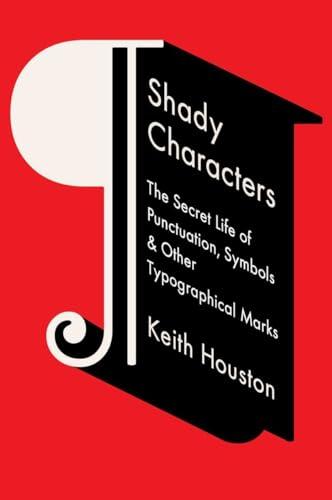
Keith Houston
Mentioned 5 months ago
The Em Dash
Laurence Sterne
Mentioned 5 months ago
The Em Dash
Jane Austen
Mentioned 5 months ago
The Em Dash
Herman Melville
Mentioned 5 months ago
The Em Dash
Charlotte Bronte
Mentioned 5 months ago
The Em Dash
Charles Dickens
Mentioned 5 months ago
The Em Dash
Wendy MacNaughton
Mentioned 6 months ago
Audio Flux
Lin Johnson
Mentioned 6 months ago
Exit Interview With Michael Bierut

Roman Mars
Mentioned 6 months ago
Beyond the 99% Invisible City
A Guide for Health Care Professionals (Heritage)
It was published in 1992 and was the first medical textbook on the subject of delivering bad news to patients, a critical area Rob had extensive experience in as an oncologist.
When Rob Buckman wrote the book on how to give bad news, it was from his experience as an oncologist having to give it several times a week.
— Episode: Breaking Bad News
It was published in 1992 and was the first medical textbook on the subject of delivering bad news to patients, a critical area Rob had extensive experience in as an oncologist.
When Rob Buckman wrote the book on how to give bad news, it was from his experience as an oncologist having to give it several times a week.
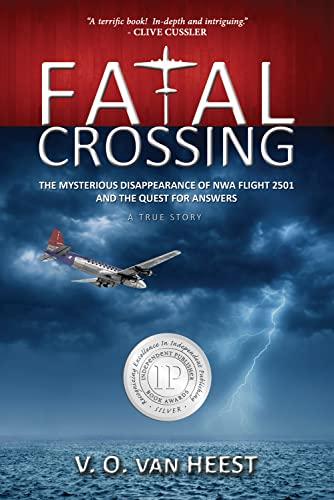
The Mysterious Disappearance of NWA Flight 2501 and the Quest for Answers
It focused on the British R101 airship, detailing its design, construction and ultimately, its tragic crash in France, highlighting a critical moment in airship history.
The rise and dramatic fall of Britain's last great airship is the primary subject of Bill Hammack's new book called Fatal Flight.
— Episode: Airships and the Future that Never Was
It focused on the British R101 airship, detailing its design, construction and ultimately, its tragic crash in France, highlighting a critical moment in airship history.
The rise and dramatic fall of Britain's last great airship is the primary subject of Bill Hammack's new book called Fatal Flight.

It was mentioned that an expanded text version of the podcast interview would be included in a new book about the firm that would be published by Standards Manual.
An expanded text version of this interview will be included in a new book about the firm that will be published by Standards Manual in May of 2018.
— Episode: Making a Mark: Visual Identity with Tom...
It was mentioned that an expanded text version of the podcast interview would be included in a new book about the firm that would be published by Standards Manual.
An expanded text version of this interview will be included in a new book about the firm that will be published by Standards Manual in May of 2018.
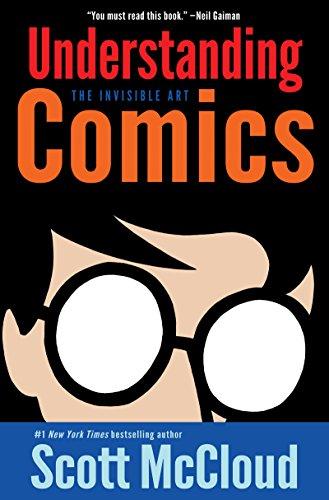
The Invisible Art
It was described as a seminal deconstruction of comics, explaining how the medium works through pictures and words, and was the culmination of years of ideas from the author.
Scott's book, Understanding Comics, which is 25 years old this year, is a seminal deconstruction of comics as an art form and mode of communication.
— Episode: Speech Bubbles: Understanding Comics wit...
It was described as a seminal deconstruction of comics, explaining how the medium works through pictures and words, and was the culmination of years of ideas from the author.
Scott's book, Understanding Comics, which is 25 years old this year, is a seminal deconstruction of comics as an art form and mode of communication.
A little cartoon Scott jumps between panels of the 215-page book, explaining how pictures and words in combination create a new language for telling stories and describing the world.
The book was the culmination of a bunch of ideas that had been swirling around Scott's head for years.
Probably best known for non-fiction comics, especially a book called Understanding Comics, where I explain how comics work in comics form, but I've also done fiction work, and I have a lot of different interests.

It was described as a large, box-like comic book with comics in many different shapes, which was meant to stimulate the mind.
If I just had a few, I would probably start with Chris Ware's Building Stories, which is a giant box like a Milton Bradley game box, which has comics in a million different shapes bec...
— Episode: Speech Bubbles: Understanding Comics wit...
It was described as a large, box-like comic book with comics in many different shapes, which was meant to stimulate the mind.
If I just had a few, I would probably start with Chris Ware's Building Stories, which is a giant box like a Milton Bradley game box, which has comics in a million different shapes because that definitely sets the mind going.
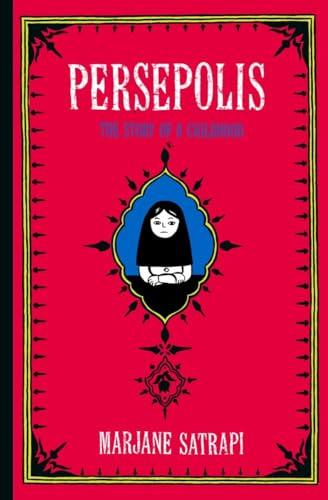
The Story of a Childhood
It was described as a tuning fork for a lot of comics after it, due to its ability to create a credible and personal voice with human-made drawings.
I would throw in a couple of crazy web comics where you can go in any direction. I would have at least one silent comic from Jim Woodring. I would include Persepolis because I think <...
— Episode: Speech Bubbles: Understanding Comics wit...
It was described as a tuning fork for a lot of comics after it, due to its ability to create a credible and personal voice with human-made drawings.
I would throw in a couple of crazy web comics where you can go in any direction. I would have at least one silent comic from Jim Woodring. I would include Persepolis because I think Persepolis really was a tuning fork for a lot that came after.
They just feel so credible, so personal, and they open a door to another experience.
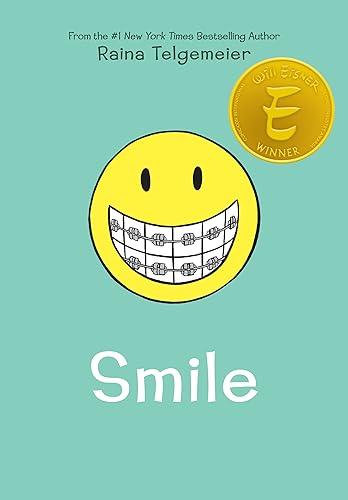
A Graphic Novel
It was described as a best-selling comic for children that depicted a personal experience of the author's childhood, and was devoid of any superheroes.
In fact, the best-selling cartoonist in America now is Raina Telgemeier who does comics for kids. And those comics don't have any superheroes in them. Her biggest one was Smile which...
— Episode: Speech Bubbles: Understanding Comics wit...
It was described as a best-selling comic for children that depicted a personal experience of the author's childhood, and was devoid of any superheroes.
In fact, the best-selling cartoonist in America now is Raina Telgemeier who does comics for kids. And those comics don't have any superheroes in them. Her biggest one was Smile which was just about when she was a kid and she lost two of her front teeth and had to have reconstructive surgery. That's all it is.
Uncomfortable Truths About Our Air-Conditioned World (and Finding New Ways to Get Through the Summer)
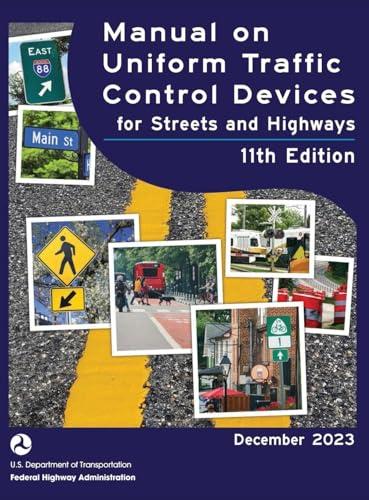
It was described as not being a light read, but more like a book to be read on a lazy Sunday afternoon, and it contained all the specifications for road signs in California.
The MUTCD, the Manual on Uniform Traffic Control Devices, quote, to provide for uniform standards and specifications for all official traffic control devices in California. It's not a beach read. I ha...
— Episode: Guerrilla Public Service Redux
It was described as not being a light read, but more like a book to be read on a lazy Sunday afternoon, and it contained all the specifications for road signs in California.
The MUTCD, the Manual on Uniform Traffic Control Devices, quote, to provide for uniform standards and specifications for all official traffic control devices in California. It's not a beach read. I have it. It's more of a lazy Sunday afternoon read.
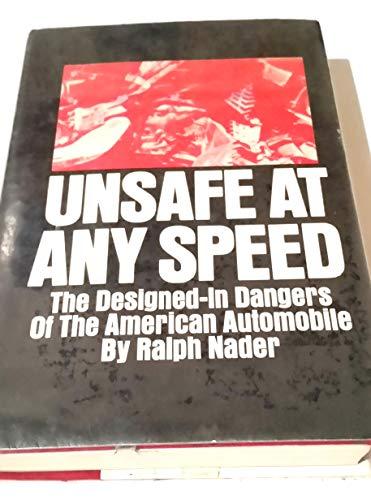
It was discussed as a bestseller that highlighted the auto industry's resistance to safety features and their prioritization of style over safety, becoming a catalyst for change.
And he had read Unsafe At Any Speed.
— Episode: The Nut Behind the Wheel
It was discussed as a bestseller that highlighted the auto industry's resistance to safety features and their prioritization of style over safety, becoming a catalyst for change.
And he had read Unsafe At Any Speed.
Unsafe At Any Speed was an unlikely bestseller by a car safety obsessed young lawyer named Ralph Nader.
The book took research by people like Hugh de Haven and turned it into a scorching indictment of the auto industry.
It showed car companies had actually patented safety technology, including the collapsible steering column.
They just weren't using it.
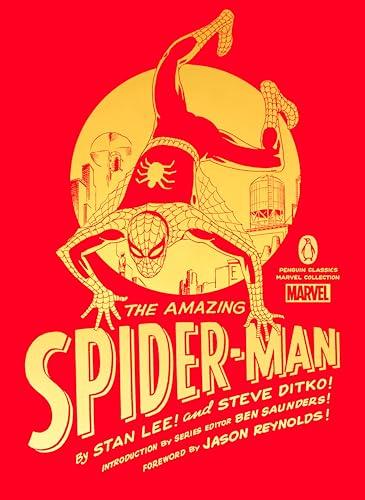
It was mentioned as the book Roman Mars was reading while on a train in Chicago, during a layover, in his youth.
My plan was to stay on the train listen to the ball game and read The Amazing Spider-Man number 38.
— Episode: A 700-Foot Mountain of Whipped Cream
It was mentioned as the book Roman Mars was reading while on a train in Chicago, during a layover, in his youth.
My plan was to stay on the train listen to the ball game and read The Amazing Spider-Man number 38.

The Grand Budapest Hotel
It was mentioned in relation to the design of a notebook for the character Gustav, which was initially without lines and later changed at the actor's request.
When I was working on The Grand Budapest Hotel, I had to make a little notebook for Ralph Fiennes' character Gustav.
— Episode: Hero Props: Graphic Design in Film & Tel...
It was mentioned in relation to the design of a notebook for the character Gustav, which was initially without lines and later changed at the actor's request.
When I was working on The Grand Budapest Hotel, I had to make a little notebook for Ralph Fiennes' character Gustav.
And Gustav is a very precise character. And when Ralph Fiennes came in for his costume fitting, he had his notebook and all the other props that he needed for his character. He just noticed that there were no lines in the notebook, which made him a notebook with blank pages.
So we took the prop back up to the studio and we remade the notebook and we sent it back down again with lines and that was fine.
But then after the film came out and I started doing some magazine interviews about designing graphic props, I used this as an example because I thought it was quite interesting and quite a good example of the level of detail that we actually go into.
But of course, all the journalists heard was that I was saying that Ralph Fiennes is some kind of diva.
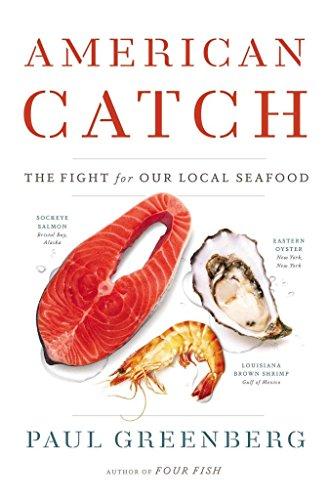
The Fight for Our Local Seafood
It was discussed in relation to Hurricane Sandy and how it highlighted the importance of the ocean to New York City and its past, detailing New York's relationship with the sea.
His most recent book is called American Catch.
— Episode: Oyster-tecture
It was discussed in relation to Hurricane Sandy and how it highlighted the importance of the ocean to New York City and its past, detailing New York's relationship with the sea.
His most recent book is called American Catch.
In his book, American Catch, he documents several different groups who are working really hard to try and bring back the New York oyster.
SCAPE / Landscape Architecture
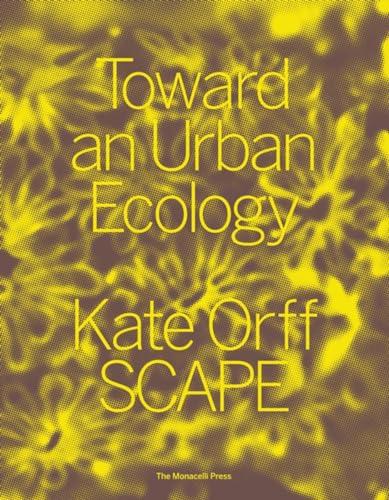
It was mentioned in passing as being authored by the landscape architect Kate Orff, who also was the first landscape architect to receive a MacArthur Genius Award.
She's a landscape architect and founder of the firm Scape, based in Manhattan. And she's the author of the new book Towards an Urban Ecology.
— Episode: Oyster-tecture
It was mentioned in passing as being authored by the landscape architect Kate Orff, who also was the first landscape architect to receive a MacArthur Genius Award.
She's a landscape architect and founder of the firm Scape, based in Manhattan. And she's the author of the new book Towards an Urban Ecology.

The Astonishing Story of Gaudí’s Unfinished Masterpiece
It was mentioned at the end of the podcast as a book about Gaud and the Sagrada Familia, and it was described as a book that would give the listeners more details about what was discussed in the episode.
For more detail on everything you heard today, check out Guy's Van Hensbergen's new book, The Sagrada Familia, Gaud's Heaven on Earth.
— Episode: La Sagrada Familia
It was mentioned at the end of the podcast as a book about Gaud and the Sagrada Familia, and it was described as a book that would give the listeners more details about what was discussed in the episode.
For more detail on everything you heard today, check out Guy's Van Hensbergen's new book, The Sagrada Familia, Gaud's Heaven on Earth.
How Big Data Increases Inequality and Threatens Democracy
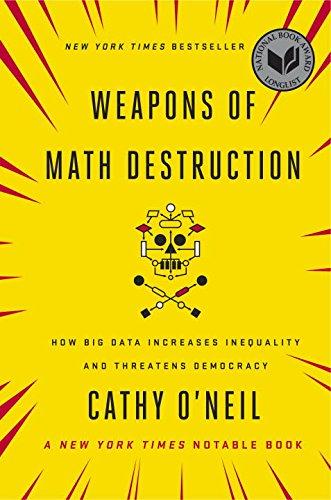
It was discussed in detail as an example of how algorithms can negatively impact individuals and populations, particularly in areas like criminal justice, teacher evaluation, and hiring practices.
I'm Cathy O'Neil. I'm a mathematician, data scientist, activist, and author. I wrote the book, Weapons of Math Destruction, How Big Data Increases Inequality and Threatens Democracy.
— Episode: The Age of the Algorithm
It was discussed in detail as an example of how algorithms can negatively impact individuals and populations, particularly in areas like criminal justice, teacher evaluation, and hiring practices.
I'm Cathy O'Neil. I'm a mathematician, data scientist, activist, and author. I wrote the book, Weapons of Math Destruction, How Big Data Increases Inequality and Threatens Democracy.
And they're characterized by three properties, that they're very widespread and important. So like they make important decisions about a lot of people. Number two, that they're secret, that the people don't understand how they're being scored. And number three, that they're destructive.
She calls them Weapons of Math Destruction.
We're shifting the blame, if you will, from the society, which is the one that should own these problems to the individual and punishing them for it.
O'Neill gets that different jobs require people with different personality types, but she says a hiring algorithm is a blunt and unregulated tool that ends up disqualifying big categories of people, which makes it a classic weapon of math destruction.
Note: The book recommendations on this page are discovered automatically from podcast transcripts, and may be incorrect or incomplete.
Podcast Name