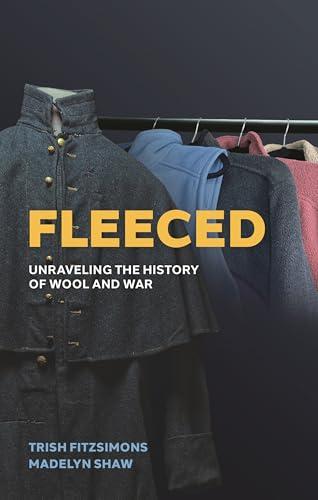
Fleeced
Trish FitzSimons
Mentioned 4 months ago
The Longest Fence in the World
Design is everywhere in our lives, perhaps most importantly in the places where we've just stopped noticing. 99% Invisible is a weekly exploration of the process and power of design and architecture. From award winning producer Roman Mars. Learn more at 99percentinvisible.org.
Recently mentioned
Trish FitzSimons
Mentioned 4 months ago
The Longest Fence in the World
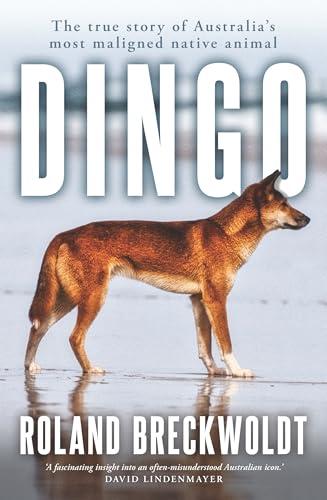
Roland Breckwoldt
Mentioned 4 months ago
The Longest Fence in the World
Annabel Barber
Mentioned 5 months ago
Artistic License Redux
Keith Houston
Mentioned 5 months ago
The Em Dash
Laurence Sterne
Mentioned 5 months ago
The Em Dash
Jane Austen
Mentioned 5 months ago
The Em Dash
Herman Melville
Mentioned 5 months ago
The Em Dash
Charlotte Bronte
Mentioned 5 months ago
The Em Dash
Charles Dickens
Mentioned 5 months ago
The Em Dash
Wendy MacNaughton
Mentioned 6 months ago
Audio Flux
Lin Johnson
Mentioned 6 months ago
Exit Interview With Michael Bierut
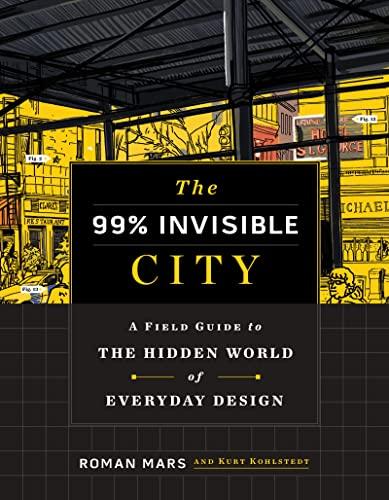
Roman Mars
Mentioned 6 months ago
Beyond the 99% Invisible City

Historical Memory in Chinese Politics and Foreign Relations (Contemporary Asia in the World)
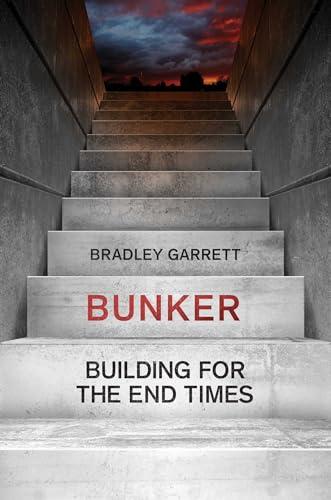
Building for the End Times
It explored the architecture of doomsday bunkers, both private and government-owned, as well as the motivations behind their construction in the modern era, particularly the 'second doom boom'.
I'm the author of Bunker building for the end times
— Episode: The Doom Boom
It explored the architecture of doomsday bunkers, both private and government-owned, as well as the motivations behind their construction in the modern era, particularly the 'second doom boom'.
I'm the author of Bunker building for the end times
Bradley Garrett's book is called Bunker building for the end times It is so good.
You can get it now in hardback and it will be out in paperback later this year
a link to the book Bunker building for the end times.
It's so good. You don't want to get it.

It was mentioned as a book about steam heating, specifically its history and how it relates to the 1918 flu pandemic and the Fresh Air Movement.
He wrote a book called the lost art of steam heat I mean basically he's just really into heating
— Episode: Mini-Stories: Volume 11
It was mentioned as a book about steam heating, specifically its history and how it relates to the 1918 flu pandemic and the Fresh Air Movement.
He wrote a book called the lost art of steam heat I mean basically he's just really into heating
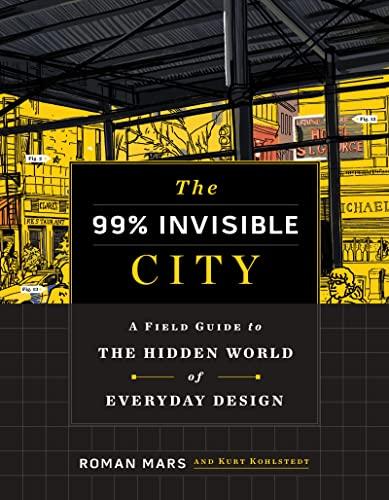
A Field Guide to the Hidden World of Everyday Design
The podcast hosts, Roman Mars and Kurt Colston, answered fan questions on Reddit after the publication of this book, which led to further discussions about design.
So after we published our book The 99 Percent Invisible City Kurt Colston and I went on Reddit to answer some questions from fans and one of them asked us if we'd be interested in covering left handed...
— Episode: Mini-Stories: Volume 10
The podcast hosts, Roman Mars and Kurt Colston, answered fan questions on Reddit after the publication of this book, which led to further discussions about design.
So after we published our book The 99 Percent Invisible City Kurt Colston and I went on Reddit to answer some questions from fans and one of them asked us if we'd be interested in covering left handedness.
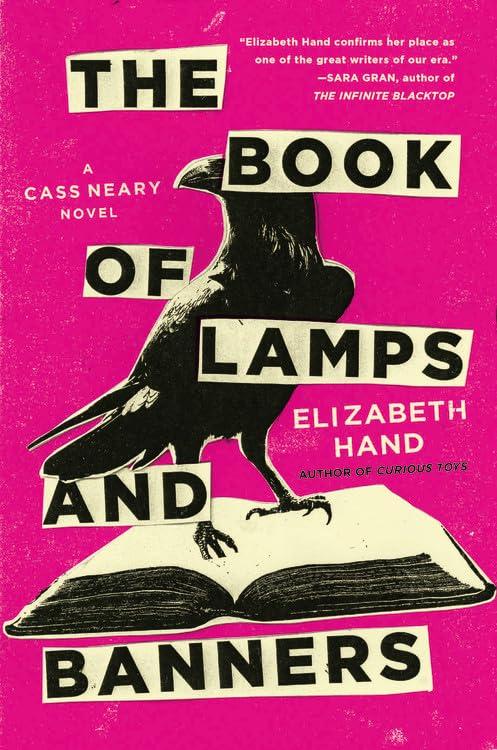
It was mentioned at the end of the episode, as the most recent book by Liz Hand, a science fiction author who was interviewed during the podcast.
Her new book, it's a novel called The Book of Lamps and Banners.
— Episode: Mini-Stories: Volume 9
It was mentioned at the end of the episode, as the most recent book by Liz Hand, a science fiction author who was interviewed during the podcast.
Her new book, it's a novel called The Book of Lamps and Banners.
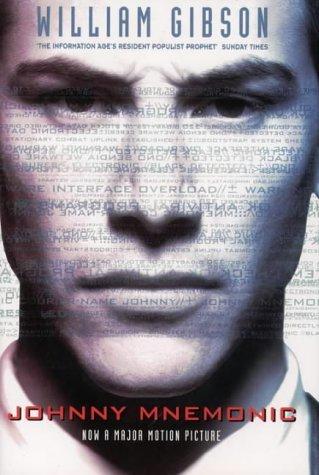
Script by William Gibson (5-Feb-1996) Hardcover
Terry Bisson, a sci-fi author, mentioned that he wrote the novelization of the Keanu Reeves film Johnny Mnemonic, as a way to earn money during a stage of his writing career.
He did some pretty big movies actually, like Johnny Mnemonic, the Keanu Reeves movie.
— Episode: Mini-Stories: Volume 9
Terry Bisson, a sci-fi author, mentioned that he wrote the novelization of the Keanu Reeves film Johnny Mnemonic, as a way to earn money during a stage of his writing career.
He did some pretty big movies actually, like Johnny Mnemonic, the Keanu Reeves movie.
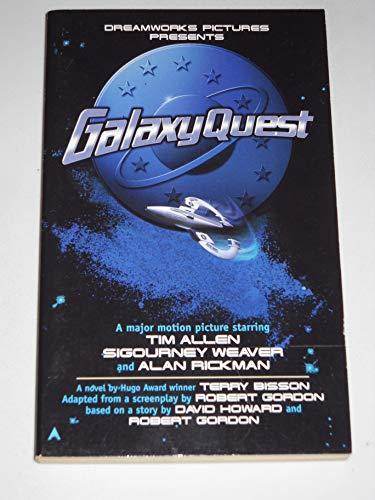
A Novel
Terry Bisson was said to have written the novelization of the film Galaxy Quest. The ending was rewritten several times to reflect changes made to the film during post-production.
He did Galaxy Quest.
— Episode: Mini-Stories: Volume 9
Terry Bisson was said to have written the novelization of the film Galaxy Quest. The ending was rewritten several times to reflect changes made to the film during post-production.
He did Galaxy Quest.
Terry was telling me actually when he was writing the Galaxy Quest book, they kept changing the ending.
They kept rewriting the damn script and they probably had these groups that told them what ending they liked and stuff like that. I had to rewrite the last 10, 15 pages of it three or four times.
Learn Why Pulsed Electromagnetic Field (PEMF) Therapy Supercharges Your Health Like Nothing Else!
Terry Bisson wrote the novelization of The Fifth Element, a Bruce Willis film. It was considered to be a bestseller, as people hoped it would clarify some of the more obscure plot details of the film.
He did a Bruce Willis sci-fi movie that you may remember called The Fifth Element.
— Episode: Mini-Stories: Volume 9
Terry Bisson wrote the novelization of The Fifth Element, a Bruce Willis film. It was considered to be a bestseller, as people hoped it would clarify some of the more obscure plot details of the film.
He did a Bruce Willis sci-fi movie that you may remember called The Fifth Element.
And it sold really well. I think the reason it sold was because people thought, well, maybe the book will explain what's going on in the movie because there was a lot of stuff in the movie that didn't make sense.
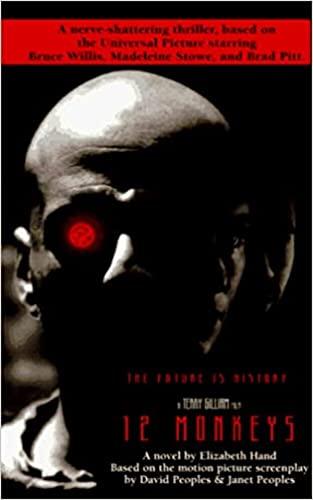
Liz Hand, a sci-fi writer, mentioned that she wrote the novelization of the film 12 Monkeys, based only on the screenplay and without seeing the film itself.
And she pretty much confirmed everything that Terry said, like she did 12 Monkeys, she did the X-Files movie and she said, yeah, all you ever get is the script.
— Episode: Mini-Stories: Volume 9
Liz Hand, a sci-fi writer, mentioned that she wrote the novelization of the film 12 Monkeys, based only on the screenplay and without seeing the film itself.
And she pretty much confirmed everything that Terry said, like she did 12 Monkeys, she did the X-Files movie and she said, yeah, all you ever get is the script.
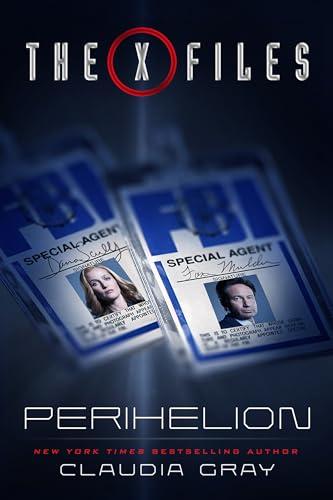
Perihelion
Liz Hand, a sci-fi writer, mentioned that she wrote the novelization of the X-Files film, based only on the screenplay and without seeing the film itself.
And she pretty much confirmed everything that Terry said, like she did 12 Monkeys, she did The X-Files movie and she said, yeah, all you ever get is the script.
— Episode: Mini-Stories: Volume 9
Liz Hand, a sci-fi writer, mentioned that she wrote the novelization of the X-Files film, based only on the screenplay and without seeing the film itself.
And she pretty much confirmed everything that Terry said, like she did 12 Monkeys, she did The X-Files movie and she said, yeah, all you ever get is the script.
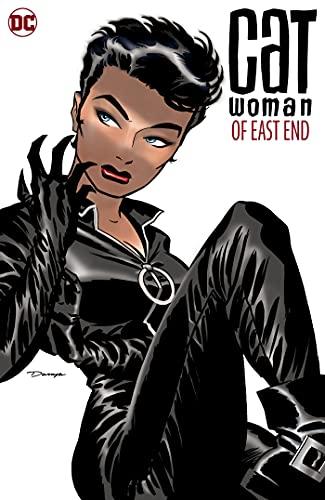
Liz Hand wrote the novelization of the film Catwoman, a notoriously bad film. The screenplay was poor, and she added several cat fables to the story to increase the volume of content. One of these fables was later published in a short story anthology.
I won't say that the novelization of Catwoman is my finest moment, but it was a paycheck.
— Episode: Mini-Stories: Volume 9
Liz Hand wrote the novelization of the film Catwoman, a notoriously bad film. The screenplay was poor, and she added several cat fables to the story to increase the volume of content. One of these fables was later published in a short story anthology.
I won't say that the novelization of Catwoman is my finest moment, but it was a paycheck.
So what I ended up doing, there was a character in the book, in the screenplay rather. It was a supporting character who was like a renowned catologist, a supposed anthropologist archaeologist who specialized in cats.
And so what I thought was like, okay, I know what I can do, even though this is totally out of line. I'm just going to do it anyway. So I wrote three or four little cat, I made up three or four little cat fables or fairy tales.
And actually one of these folktales that Liz wrote turned out so well that she managed to get it published in a couple of short story anthologies, including this one anthology of stories about cats where it's a story by Stephen King, a story by George R.R. Martin, and then also her short story that was originally in the Catwoman novelization.
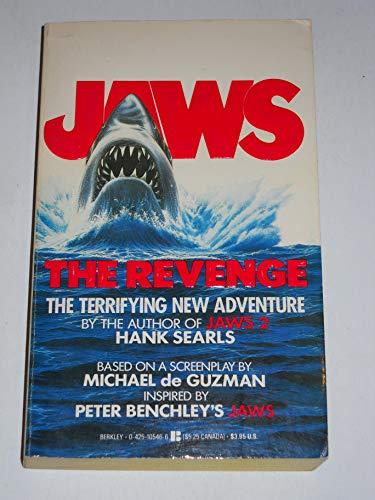
The Revenge
The writer of the novelization of Jaws: The Revenge added an explanation for the shark's continued pursuit of the Brody family, which was an ancient voodoo curse. This was considered a poor, unnecessary addition to the story.
And the writer added this whole backstory about why the shark in Jaws keeps chasing the same family.
— Episode: Mini-Stories: Volume 9
The writer of the novelization of Jaws: The Revenge added an explanation for the shark's continued pursuit of the Brody family, which was an ancient voodoo curse. This was considered a poor, unnecessary addition to the story.
And the writer added this whole backstory about why the shark in Jaws keeps chasing the same family.
And the explanation is a voodoo curse.
I think in Jaws the Revenge, the shark follows Ellen Brody like down to the Bahamas or something.
So ancient curse is the easiest way to connect those dots.
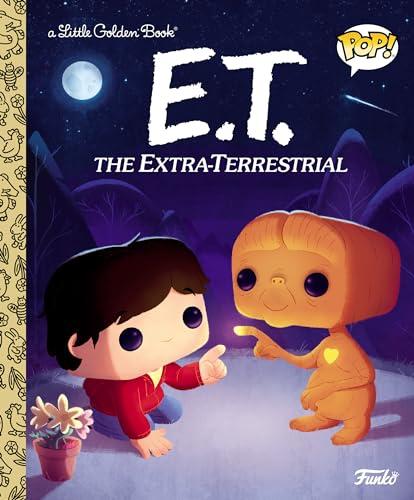
The novelization of E.T. the Extra-Terrestrial mentioned M&Ms instead of Reese's Pieces, as the candy used to lure E.T., because a deal hadn't been struck with Reese's Pieces yet.
So in the novel, it's M&Ms because they hadn't struck a deal with Reese's Pieces yet.
— Episode: Mini-Stories: Volume 9
The novelization of E.T. the Extra-Terrestrial mentioned M&Ms instead of Reese's Pieces, as the candy used to lure E.T., because a deal hadn't been struck with Reese's Pieces yet.
So in the novel, it's M&Ms because they hadn't struck a deal with Reese's Pieces yet.
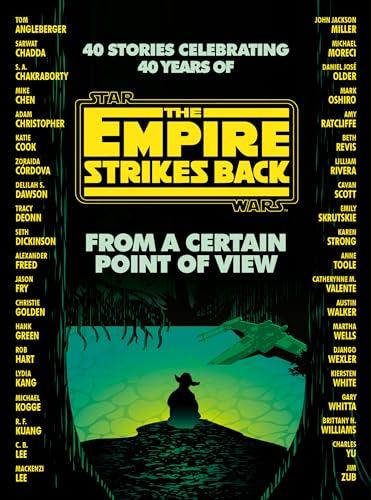
The Empire Strikes Back (Star Wars)
The novelization of The Empire Strikes Back described Yoda as blue, instead of green. Yoda is widely recognized for his distinct green skin.
In the novel, Yoda is blue.
— Episode: Mini-Stories: Volume 9
The novelization of The Empire Strikes Back described Yoda as blue, instead of green. Yoda is widely recognized for his distinct green skin.
In the novel, Yoda is blue.
If you had to describe Yoda, first thing you say is he's a green dude. Like he's hall of fame green thing.
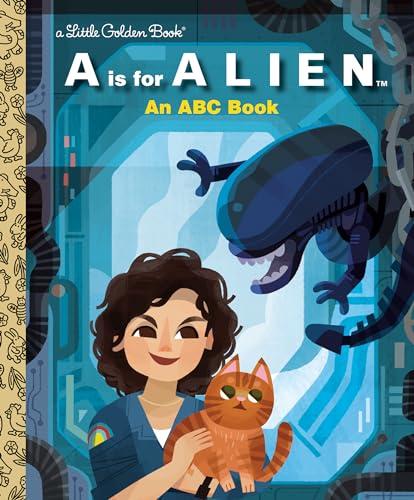
An ABC Book (20th Century Studios) (Little Golden Book)
The novelization of Alien was considered a classic. It avoided describing the alien in detail, as the author was denied access to the creature during the writing process, and the screenplay provided little information.
So I found this old article about Alan Dean Foster who wrote the novelization and he says he went to the studio and was like, hey, can I see the alien? And they said no.
— Episode: Mini-Stories: Volume 9
The novelization of Alien was considered a classic. It avoided describing the alien in detail, as the author was denied access to the creature during the writing process, and the screenplay provided little information.
So I found this old article about Alan Dean Foster who wrote the novelization and he says he went to the studio and was like, hey, can I see the alien? And they said no.
There was a vague suggestion of something tall and heavy. This is a bit later on. Above the helpless figure was a faint outline, something man-shaped, but definitely not a man.
And that novelization of Alien is seen as a classic of the genre. It was an actual bestseller.
![[Movie pamphlet] 'Transformers/Dark Side Moon "Directed by: Michael Bay. New York: Shia Labeouf. ro-zi-・hantexinton Cover](https://media.podcastbookpicks.com/books/9017.jpg)
Michael Bay. New York
It was mentioned as an example of a movie novelization, as being one of those action blockbusters that people might question why anyone would read.
I don't know Transformers Dark Side of the Moon or something and you think why would anyone read that thing?
— Episode: Mini-Stories: Volume 9
It was mentioned as an example of a movie novelization, as being one of those action blockbusters that people might question why anyone would read.
I don't know Transformers Dark Side of the Moon or something and you think why would anyone read that thing?
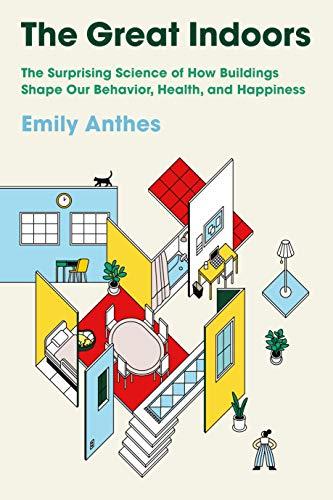
The Surprising Science of How Buildings Shape Our Behavior, Health, and Happiness
It explored the surprising science of how buildings impact human behavior, health, and happiness, highlighting the largely unstudied indoor environments and the microbes that live within them.
And my book is The Great Indoors, the surprising science of how buildings shape our behavior, health, and happiness.
— Episode: The Great Indoors
It explored the surprising science of how buildings impact human behavior, health, and happiness, highlighting the largely unstudied indoor environments and the microbes that live within them.
And my book is The Great Indoors, the surprising science of how buildings shape our behavior, health, and happiness.
It is so good. It's a 99 PI book through and through you're going to love it.
It was mentioned as a book written by James Crawford. GeoCities was mentioned as a small section of it, relating to its virtual existence.
This is James Crawford, the author of Falling Glory, the Lives and Deaths of History's Greatest Buildings.
— Episode: The Lost Cities of Geo
It was mentioned as a book written by James Crawford. GeoCities was mentioned as a small section of it, relating to its virtual existence.
This is James Crawford, the author of Falling Glory, the Lives and Deaths of History's Greatest Buildings.
James Crawford's book is called Falling Glory, The Lives and Deaths of History's Greatest Buildings.
GeoCities is just one small section of that book.
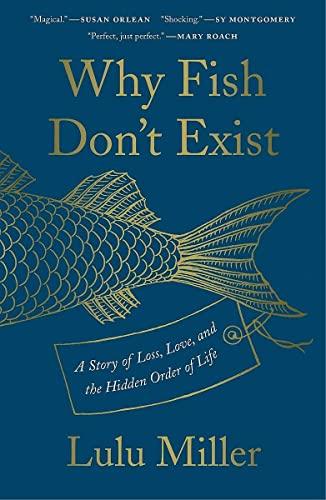
A Story of Loss, Love, and the Hidden Order of Life
It was mentioned that Lulu Miller is the author of this book, and it was the subject of a walking exercise, where people were encouraged to pick up objects of each color of the rainbow.
Lulu Miller is a radio producer and author of the book, Why Fish Don't Exist.
— Episode: Take a Walk
It was mentioned that Lulu Miller is the author of this book, and it was the subject of a walking exercise, where people were encouraged to pick up objects of each color of the rainbow.
Lulu Miller is a radio producer and author of the book, Why Fish Don't Exist.

Digital Life Beyond the West
It was written by a digital anthropologist who studied users coming online in India, Brazil, and Africa, focusing on how people in developing countries desired entertainment and pleasure over productivity.
I'm a professor at Erasmus University Rotterdam. I'm a digital anthropologist and I've authored a number of books, the recent one being The Next Billion Users.
— Episode: 99pi Presents The Next Billion Users
It was written by a digital anthropologist who studied users coming online in India, Brazil, and Africa, focusing on how people in developing countries desired entertainment and pleasure over productivity.
I'm a professor at Erasmus University Rotterdam. I'm a digital anthropologist and I've authored a number of books, the recent one being The Next Billion Users.
Even though her book and expertise is also about The Next Billion Users, she does not work for Google.
Over the 10 years of researching users coming online in India, Brazil and countries in Africa, Payal has had first-hand experience with companies and agencies introducing technology with the notion that it will be adopted by people in poor countries to make themselves more productive, to get themselves out of poverty. In short, to make their lives better.
Note: The book recommendations on this page are discovered automatically from podcast transcripts, and may be incorrect or incomplete.
Podcast Name