
The Creature from Jekyll Island
G. Edward Griffin
Mentioned 1 day ago
Iran War Expected to Spark Global Energy Crisis. Here’s What Americans Can Expect at the Pump.

The Tucker Carlson Show is your beacon of free speech and honest reporting in a media landscape dominated by misinformation. The only solution to ending the propaganda spiral is by telling the truth. That's our job. Every day. No matter what.
Recently mentioned
G. Edward Griffin
Mentioned 1 day ago
Iran War Expected to Spark Global Energy Crisis. Here’s What Americans Can Expect at the Pump.
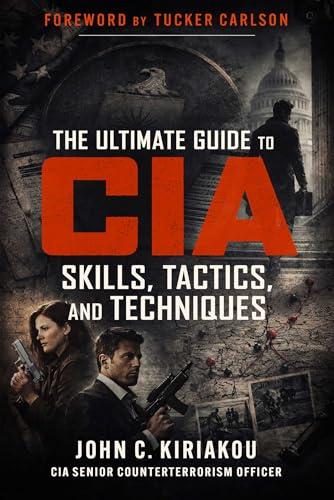
John Kiriakou
Mentioned 2 days ago
Ex-CIA Agent John Kiriakou on the CIA’s Most Successful Lying Techniques
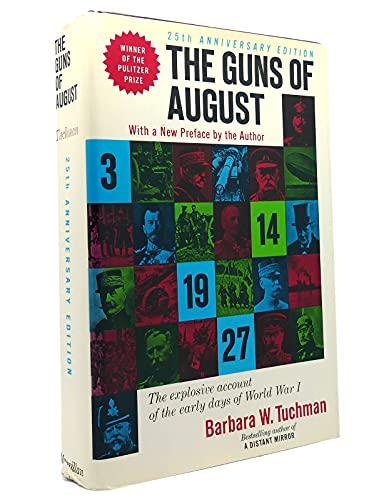
Barbara Wertheim Tuchman
Mentioned 3 days ago
WAR UPDATE: Military Insider Gives Terrifying Prediction & Reveals How Unprepared America Truly Is
Charlie Mackesy
Mentioned 6 days ago
Pink Floyd’s Roger Waters on 9/11, JFK, Gaza, and Why the Israel Lobby Is Trying to Destroy Him

National Commission on Terrorist Attacks
Mentioned 6 days ago
Pink Floyd’s Roger Waters on 9/11, JFK, Gaza, and Why the Israel Lobby Is Trying to Destroy Him
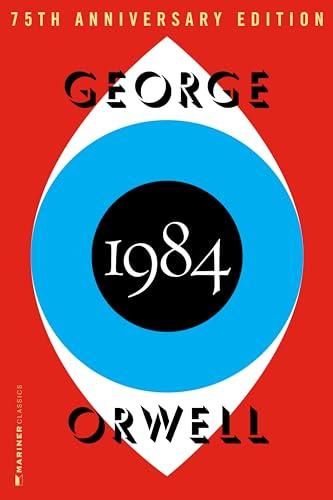
George Orwell
Mentioned 1 week ago
Whistleblower Reveals the Largest Mass Surveillance Operation in History and the Coming Slave State
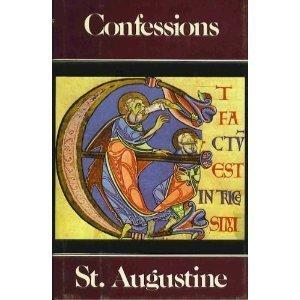
Bishop of Hippo Augustine, Saint
Mentioned 1 week ago
Jay Dyer: Demons in Hollywood, CIA, Secret Societies, Lone Gunmen, Epstein & Attacks on Christianity
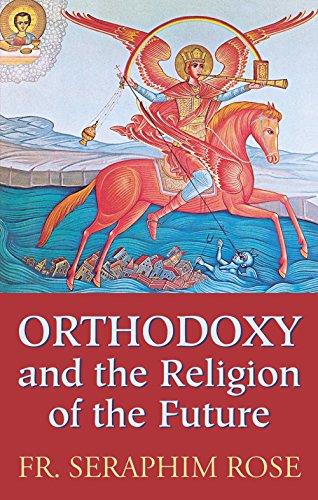
Seraphim Rose
Mentioned 1 week ago
Jay Dyer: Demons in Hollywood, CIA, Secret Societies, Lone Gunmen, Epstein & Attacks on Christianity
Heiko A. Oberman
Mentioned 1 week ago
Jay Dyer: Demons in Hollywood, CIA, Secret Societies, Lone Gunmen, Epstein & Attacks on Christianity
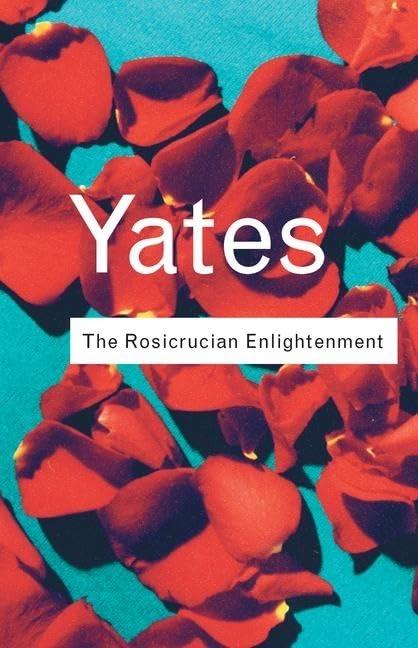
Frances Yates
Mentioned 1 week ago
Jay Dyer: Demons in Hollywood, CIA, Secret Societies, Lone Gunmen, Epstein & Attacks on Christianity
Jacques Attali
Mentioned 1 week ago
Jay Dyer: Demons in Hollywood, CIA, Secret Societies, Lone Gunmen, Epstein & Attacks on Christianity
Aldous Huxley
Mentioned 1 week ago
Jay Dyer: Demons in Hollywood, CIA, Secret Societies, Lone Gunmen, Epstein & Attacks on Christianity

Concerning Computers, Minds, and the Laws of Physics
The book was brought up during a discussion about AI and the nature of consciousness, where the host referenced its argument that the mind cannot be reduced to a computer. It highlighted Penrose’s use of Gödel’s incompleteness theorem to claim human knowledge surpasses formal systems. The mention positioned the title as a thought‑provoking counterpoint in the debate.
Ancient DNA and the New Science of the Human Past
During a conversation with guest Amjad Masad, David Reich's work was referenced regarding deep human history. The discussion highlighted the book's focus on the "great leap forward" 40,000 years ago, analyzing the sudden emergence of culture and metaphysics in the human past.
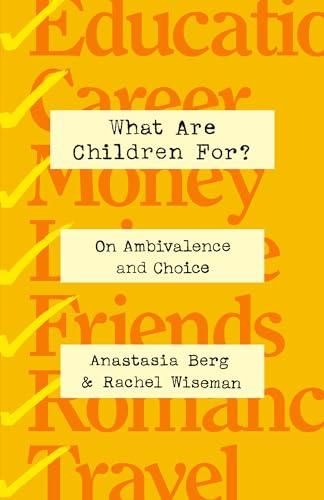
On Ambivalence and Choice
The episode introduced Anastasia Berg’s philosophical investigation into the declining birth rate and liberal ambivalence toward having children by reviewing its coverage in major publications. The discussion highlighted the book’s premise that progressive success narratives often leave little room for family, framing waiting to have children as an "ethical imperative." Ultimately, the hosts used the book to argue against the leftist tendency to focus on the economic burden of children, emphasizing instead the necessity of viewing children as a "universal and immutable good."
The New York Times and the New Yorker published articles about "What Are Children For?" These articles discussed the book's leftist perspective on the declining birth rate and the ambivalence towards having children among liberals.
For progressives, waiting to have children has become a kind of ethical imperative. They go on to say, The success narratives of modern liberal life leave little room for having a family. They say this is not just a recipe for unhappiness. It also reflects a deep confusion. And they go on to write as follows. The question of children ultimately transcends politics in deciding whether to have them. We confront a philosophical challenge. Is life, however imperfect and however challenging, however fraught with political disagreement and disaster, worth living?
This person Jay talks about how the messaging from leftists around children is all about their economic value, how much they're going to cost, what kind of a burden they're going to be, as opposed to the goodness they bring into the world and our lives. And the piece ends as follows. We should talk about them as a universal and immutable good.

During his discussion with Tucker Carlson, author Dr. Ben Carson actively promoted his book, A War of Whispers Standard Edition 2nd Edition. He described the work as an analysis of the cultural war being waged against the traditional nuclear family structure. Carson stressed the critical importance of this structure for societal well-being, noting that research consistently shows children raised in traditional families outperform others across all developmental parameters.
Dr. Carson mentioned this book of his, which focuses on the importance of traditional nuclear families and the cultural war against them, impacting children's development and societal well-being.
Because if you look at the think tanks, the liberal think tanks and the conservative think tanks and all the study groups, they all agree that children raised in a traditional nuclear family do much better on all parameters than those who are not.

Guest Jack Posobiec referenced C. S. Lewis’s classic, The Screwtape Letters, during a discussion about political manipulation and spiritual warfare. He specifically used the book's framework to explain how propaganda and other forces infiltrate the human heart and influence behavior. The text was treated as a crucial reference point for understanding contemporary societal corruption.
The book, by C.S. Lewis, was referenced in relation to the infiltration of the human heart by demonic forces and the use of propaganda to influence behavior.
C.S. Lewis, of course, Screwtape Letters, all of this, talk about it, how this is how you're able to infiltrate the human heart.
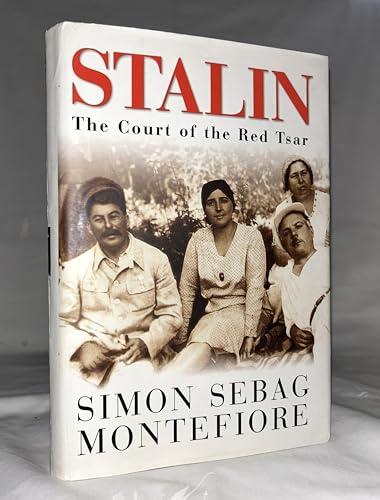
The Court of the Red Tsar
The book was highly recommended by Jack Posobiec, who called it the "most amazing book" on the subject. Posobiec highlighted how author Simon S Montefiore utilized internal archives and personal correspondence to provide deep insight into Stalin’s character. Specifically, the biography was referenced to illustrate the depth of Stalin's genuine, ideological convictions.
The book, focusing on Stalin's personal correspondence, was mentioned to illustrate Stalin's genuine belief in his ideology.
Simon Sebag-Bontefiori wrote the most amazing book about Stalin with access to the internal archives called, in the Court of the Red Czar, I think it's called.

The reign of Richard II (Manchester Medieval Sources MUP)
During his appearance, guest Jack Posobiec briefly mentioned the book while referencing historical media projects he had previously been involved with. Posobiec noted that "Chronicles of the Revolution" had been the subject of a past podcast series he produced alongside discussions on "China files." The specific historical content of the medieval text was not discussed by the hosts.
This book was mentioned as part of a podcast series discussing the Chinese revolution.
we had done this like podcast series on Chronicles of the Revolution and China files.

The book was casually mentioned by Mike Cernovich, who noted that he had recently read and enjoyed it. Cernovich, a fan of Paulo Coelho's work, highlighted Hippie as one of Coelho's enjoyable "side quest books," comparing it favorably to his more famous title, The Alchemist.
Mentioned briefly as another book by Paulo Coelho that the speaker enjoyed.
I like Paulo Aquila books a lot. And he's famous for The Alchemist, but he's written a bunch of other little side quest books. I read Hippie recently and I thought, I don't know what this guy looks like.
During the episode, Ari Shaffir referenced the book as a notable example of Philip Roth's humorous and controversial portrayal of Jewish-American life. He briefly mentioned it without offering a detailed endorsement or critique, simply noting its cultural relevance.
The guest mentioned this book by Philip Roth, known for its humorous and controversial depiction of Jewish-American life.
Yeah, Philip Roth. Portnoy's Complaint guy.
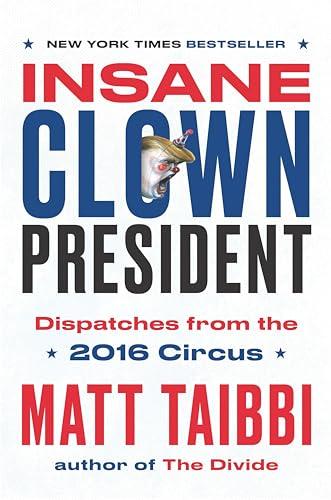
Dispatches from the 2016 Circus
The author referenced the book during the interview, noting that he had written it about Donald Trump and stating that he was not a fan of the former president while also expressing skepticism toward the Russiagate allegations. No endorsement or critique of the book itself was offered, making the mention largely incidental.
Taibbi discussed his book about Donald Trump, stating that he is not a fan of Trump but did not believe the claims made against him in the Russiagate scandal.
I had a book out at the time called Insane Clown President about Donald Trump.
I'm not a fan of the guy, right?
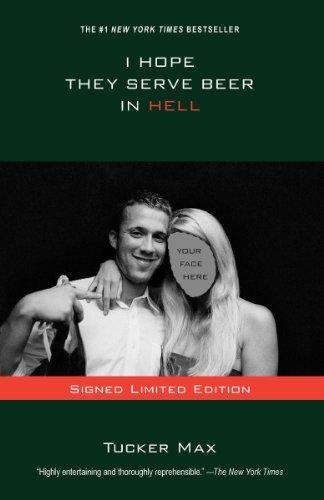
The book was brought up while discussing the author's transition from a wild, party‑filled twenties to a settled life on a Texas homestead, noting its humorous stories about drinking and dating. It was highlighted as a New York Times bestseller that sold millions of copies, with the host mentioning its popularity and the author noting his significant sales figures.
It was a collection of humorous stories about the author's experiences in his twenties, involving drinking, partying, and dating. The book was a New York Times bestseller and sold millions of copies.
He wrote a bunch of best-selling books sold millions of copies the most famous of which was called I Hope They Serve Beer In Hell
I wrote four frat tire books...three like were published all three were...New York Times bestsellers, I think I've sold about four and a half ish million of those books

The book was referenced as the final entry in the author's series, marking his retirement from writing about drinking, partying, and dating, and he said it gave him a sense of freedom even though many still associate him with that earlier material.
This was described as the last in a series of books, and marked the author's retirement from writing about drinking, partying, and dating. It concluded with a statement about the author moving on from that part of his life.
And then that kind of did set me free although most people who know me know me from that stuff
And then I wrote the last in the series was assholes finished first And I put it like a retirement at the end where I'm like I'm not gonna write this stuff talk about it anymore
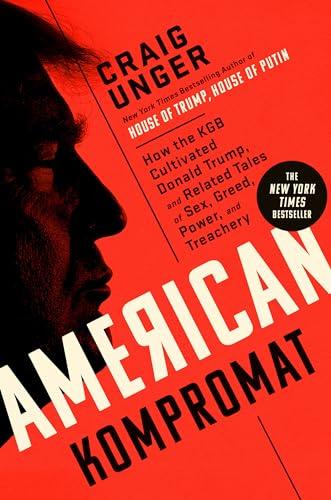
How the KGB Cultivated Donald Trump, and Related Tales of Sex, Greed, Power, and Treachery
In the episode, the host referenced the book while discussing a documentary on Christian nationalism, noting that it highlighted how some Christian leaders were being portrayed in a misleading way. The conversation suggested the title offered context for the film's attempt to link religious figures with extremist groups, but it was not presented as a primary recommendation. Overall, the book was mentioned to support the host's critique of the documentary's narrative.
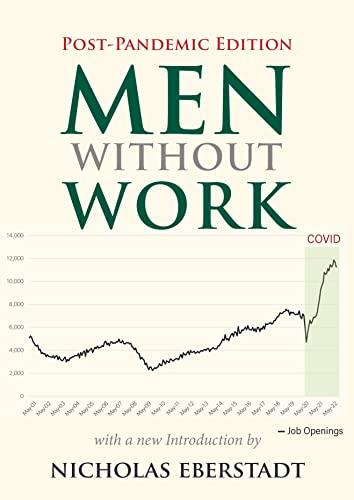
Post-Pandemic Edition (2022) (New Threats to Freedom Series)
Mike Rowe referenced the book in an episode, noting that it highlighted a troubling trend of able‑bodied men neither seeking employment nor engaging in productive activities, instead spending thousands of hours annually on screens. He described it as a great work that underscored a significant societal issue. The discussion conveyed strong endorsement of its insights.
Mike Rowe referenced this book in relation to the number of able-bodied men not working and spending excessive time on screens. He implied that the book highlighted a significant societal issue.
according to Nicholas Everstad and a book called Men without Work, Great book. We're sitting all not only not working but affirmatively not looking for work, spending an excess of 2,000 hours a year wiping and looking at screens.

The Case for Bringing Christianity Back into Modern Culture - Leading by Faith to Convert Secularism
In the episode featuring Pastor Doug Wilson, the title was described as advocating the reintroduction of Christianity into modern culture. Tucker Carlson noted that Wilson has authored several books, including this one, and Wilson briefly referenced the concept of embracing the term. The discussion was primarily informational without strong endorsement.
It was described as a book advocating for the reintroduction of Christianity into modern culture. The author stated he wrote several books, including this one.
He's the author of several books, including a book called Mere Christendom, the case for bringing Christianity back into modern culture.
So that was our embrace of the term.
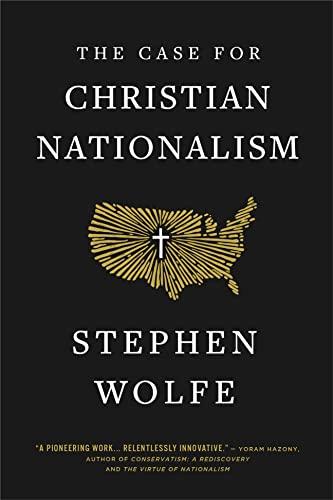
Pastor Doug Wilson highlighted the book as a scholarly defense of Christian nationalism, outlining its historical background and core ideology. He referenced the author by name and indicated that the work supported the viewpoint they embraced. The discussion conveyed a positive endorsement of the title.
This book was mentioned as a scholarly defense of Christian nationalism, its history and ideology. The author is referenced as having written the book and is mentioned by name.
published The Case for Christian Nationalism by Stephen Wolf.
So we embraced it to that extent.

Black Sheep in Pastors' Homes
In the episode, the author briefly referenced the title of his own book, noting that he had written it, but did not discuss its content or arguments in any depth. The mention served only as a passing reference rather than a recommendation or critique.
The book's title is mentioned by the author, but its content isn't discussed in detail.
I wrote a book on this called The Neglected Qualification.
Courage, Faith, and Resistance in a New Dark Age
The hosts discussed the book as a personal account of the author's doubts about lockdowns and the Covid vaccine, noting the backlash she endured for speaking out. They said it encapsulated her view of recent events and the emergence of a two‑tier society. The overall tone was descriptive rather than an endorsement.
Naomi Wolf discussed the book in a segment where its thesis—that the West, particularly America, has lost its covenant with God and allowed negative forces to reenter society—aligned with her observations about the pandemic. She highlighted how this perspective offered a compelling lens on current events, indicating that the ideas resonated with her analysis.
Note: The book recommendations on this page are discovered automatically from podcast transcripts, and may be incorrect or incomplete.
Podcast Name