
Podcast
The Tucker Carlson Show
The episode introduced Anastasia Berg’s philosophical investigation into the declining birth rate and liberal ambivalence toward having children by reviewing its coverage in major publications. The discussion highlighted the book’s premise that progressive success narratives often leave little room for family, framing waiting to have children as an "ethical imperative." Ultimately, the hosts used the book to argue against the leftist tendency to focus on the economic burden of children, emphasizing instead the necessity of viewing children as a "universal and immutable good."
Episode: Bonus: JD Vance with Megyn Kelly, on Democrats' An...
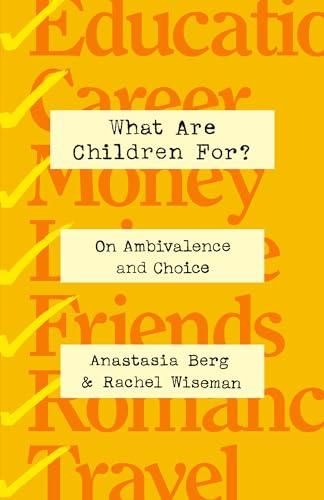
The New York Times and the New Yorker published articles about "What Are Children For?" These articles discussed the book's leftist perspective on the declining birth rate and the ambivalence towards having children among liberals.
For progressives, waiting to have children has become a kind of ethical imperative. They go on to say, The success narratives of modern liberal life leave little room for having a family. They say this is not just a recipe for unhappiness. It also reflects a deep confusion. And they go on to write as follows. The question of children ultimately transcends politics in deciding whether to have them. We confront a philosophical challenge. Is life, however imperfect and however challenging, however fraught with political disagreement and disaster, worth living?
This person Jay talks about how the messaging from leftists around children is all about their economic value, how much they're going to cost, what kind of a burden they're going to be, as opposed to the goodness they bring into the world and our lives. And the piece ends as follows. We should talk about them as a universal and immutable good.