Podcast
The Bulwark Podcast
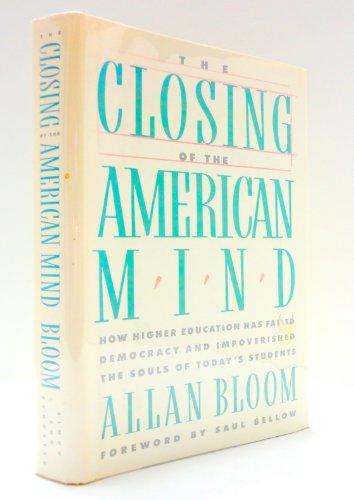
Charlie Sykes highlighted the book as a seminal conservative work that warned against moral relativism and nihilism, arguing that the denial of truth and suppression of reason threatened civilization. He noted that its critique of the new left and the loss of shared goals made it especially relevant today. The discussion framed the title as a highly influential and prescient analysis for conservatives.
Episode: Will Saletan: The Annihilation of Truth
The speaker referenced a book by conservatives about moral relativism to contrast past beliefs with current Republican abandonment of those standards.
if I can read the closing of the American mind, what conservatives thought about moral relativism, you know, and right and wrong and how that's been completely upended.
Episode: Peter Wehner: A Polite Zealot
This book, published in 1987, was described as having electrified conservatives over the previous 50 years for warning about the dangers of moral relativism and nihilism.
one of the books that most electrified conservatives over the last 50 years was Ellen Bloom's, The Closing of the American Mind, which was published in 1987.
The Closing of the American Mind, warned of the dangers posed by moral relativism and nihilism of accepting everything and denying reasons power.
And Bloom argued that the denial of truth and the suppression of reason were leading to a crisis of civilization, and that that was the fault of the new left.
The haunting question raised by Alan Bloom is more relevant now than it was when he first posed it. When there are no shared goals or a vision of the public good, is the social contract any longer possible?
Episode: Peter Wehner: A Polite Zealot
This book, published in 1987, was discussed as having electrified conservatives by warning against the dangers of moral relativism and nihilism, arguing that denying truth and suppressing reason led to a crisis of civilization; its themes are now considered more relevant than ever.
one of the books that most electrified conservatives over the last 50 years was Ellen Bloom's, The Closing of the American Mind, which was published in 1987.
The Closing of the American Mind, warned of the dangers posed by moral relativism and nihilism of accepting everything and denying reasons power.
Bloom argued that the denial of truth and the suppression of reason were leading to a crisis of civilization, and that that was the fault of the new left.
The haunting question raised by Alan Bloom is more relevant now than it was when he first posed it. When there are no shared goals or a vision of the public good, is the social contract any longer possible?