Project Hail Mary
Andy Weir
Mentioned 1 week ago
Selects: The First Road Trip
If you've ever wanted to know about champagne, satanism, the Stonewall Uprising, chaos theory, LSD, El Nino, true crime and Rosa Parks, then look no further. Josh and Chuck have you covered.
Recently mentioned
Andy Weir
Mentioned 1 week ago
Selects: The First Road Trip
Stephen King
Mentioned 1 week ago
Selects: The First Road Trip
John Steinbeck
Mentioned 2 weeks ago
Kola: The World’s Deepest Hole
STEINBECK JOHN
Mentioned 2 weeks ago
Kola: The World’s Deepest Hole
Bethany McLean
Mentioned 3 weeks ago
Selects: How Enron Fooled the World
Fyodor Dostoevsky
Mentioned 4 weeks ago
Short Stuff: Why does it feel good to be scared?
Eleanor Johnson
Mentioned 4 weeks ago
Short Stuff: Why does it feel good to be scared?
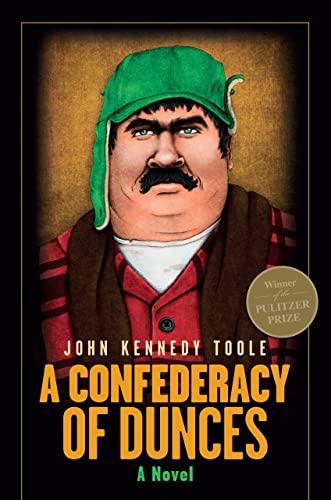
John Kennedy Toole
Mentioned 4 weeks ago
Some Interesting Curses
Mordecai RICHLER
Mentioned 4 weeks ago
Some Interesting Curses
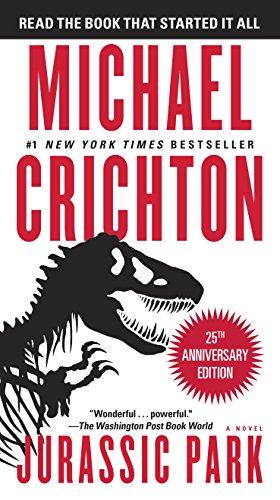
Michael Crichton
Mentioned 1 month ago
The Stuff You Should Know Doin’ Science Playlist: How Chaos Theory Changed the Universe
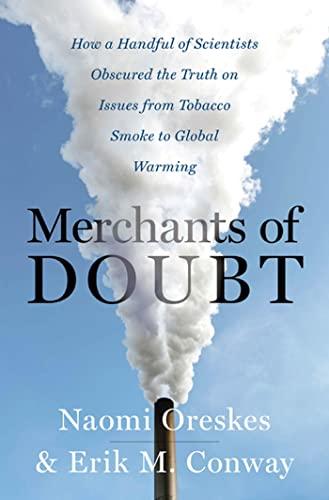
Naomi Oreskes
Mentioned 1 month ago
How Global Warming Works
Richard Hooker
Mentioned 1 month ago
M*A*S*H: The Story of the 4077th
A Journal of the Pilgrims at Plymouth
It was discussed as a promotional brochure-like text intended to attract investors to the Plymouth Colony and thus, is not necessarily a reliable historical source.
Mort's Relation written in 1622 by William Bradford, who was clearly the governor, longtime governor of Plymouth.
— Episode: Selects: Who was America's first murdere...
It was discussed as a promotional brochure-like text intended to attract investors to the Plymouth Colony and thus, is not necessarily a reliable historical source.
Mort's Relation written in 1622 by William Bradford, who was clearly the governor, longtime governor of Plymouth.
His cousin, George Morton wrote, he was a separatist and he wrote this book or an account.
But as it turns out, as you point out, because you wrote this, Mort's Relation was written to attract funding for Plymouth.
It was basically like a lengthy, in-depth brochure to attract investors.
And what are you going to say? You're not going to say, we're starving to death over here. Right. We're having a really hard time. We're probably not going to make it. People are committing bestiality.
Bauhaus, Black Magick and Benediction
A listener sent a signed copy of David Jay's book, 'Who Killed Mr. Moonlight', which was mentioned briefly and in a positive manner at the end of the podcast.
Elizabeth Henry sent us a signed copy of Who Killed Mr. Moonlight by the one and only David Jay of Bauhaus.
— Episode: Selects: How Nitrous Oxide Works
A listener sent a signed copy of David Jay's book, 'Who Killed Mr. Moonlight', which was mentioned briefly and in a positive manner at the end of the podcast.
Elizabeth Henry sent us a signed copy of Who Killed Mr. Moonlight by the one and only David Jay of Bauhaus.
The Original 1920 Girl Scout Handbook
The 1927 Girl Scout Handbook contained the first printed recipe for s'mores, originally called 'some mores', and it was mentioned that a single s'more is very filling.
And by the way, if you like s'mores like I do, I like s'mores anything. Sure, me too. You can thank the Girl Scouts for that because they are the ones with the first recorded recipe for s'mores.
— Episode: Girl Scouts: More than cookie sellers
The 1927 Girl Scout Handbook contained the first printed recipe for s'mores, originally called 'some mores', and it was mentioned that a single s'more is very filling.
And by the way, if you like s'mores like I do, I like s'mores anything. Sure, me too. You can thank the Girl Scouts for that because they are the ones with the first recorded recipe for s'mores.
Back in 1927, there was a Girl Scout handbook that had the first printed recipe for s'mores. It was so old timey they were called some mores.
It wasn't turned into a contraction until the 70s.
Apparently in this 1927 article, it says that while they're called s'mores, just one is plenty filling basically. I'm paraphrasing.
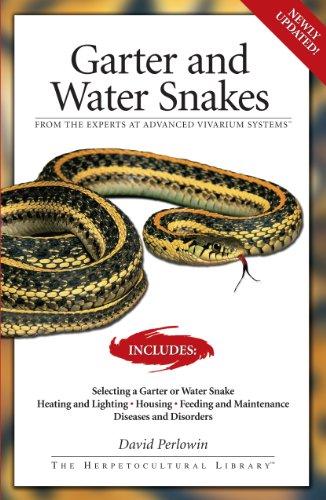
From the Experts at advanced vivarium systems (The Herpetocultural Library)
It was mentioned as a book written by Doug Welser, a wildlife biologist, and was published in 2001 by Power Kids. It was said to probably still be relevant and that he worked with the Academy of Natural Sciences at Drexel University in Philly.
And you know, it's not like he wrote a book called Garter Snakes.
— Episode: Short Stuff: Garter Snakes
It was mentioned as a book written by Doug Welser, a wildlife biologist, and was published in 2001 by Power Kids. It was said to probably still be relevant and that he worked with the Academy of Natural Sciences at Drexel University in Philly.
And you know, it's not like he wrote a book called Garter Snakes.
Oh, wait a minute. He did.
I feel bad if this gets back to him. I'm sure it's a great book, Doug.
Yeah. And well done.
Yeah, you can get it. It's published by Power Kids back in 2001 and it's probably basically evergreen. Plus it's not like he's just a slouch too. He's with the Academy of Natural Sciences at Drexel University in Philly.
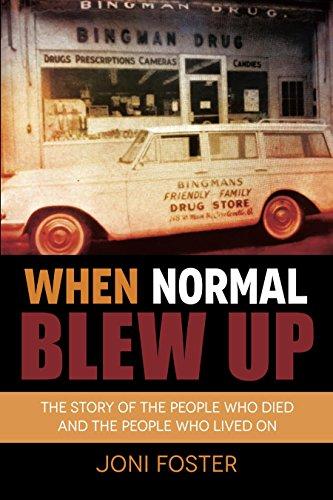
The Story of the People Who Died and the People Who Lived On
It was mentioned in the context of the Terry versus Ohio case and how it led to Terry stops, which was presented as a justification for searches and seizures based on articulable suspicion.
It's really, really worth reading. Uh, it's called why Baltimore blew up. It was in Rolling Stone like a month or two ago.
— Episode: Selects: How Profiling Works
It was mentioned in the context of the Terry versus Ohio case and how it led to Terry stops, which was presented as a justification for searches and seizures based on articulable suspicion.
It's really, really worth reading. Uh, it's called why Baltimore blew up. It was in Rolling Stone like a month or two ago.
It was the first mention of palindromes in the English language and was published in 1636, but the palindrome itself was written in Latin.
By modern day, of course, I mean the 1630s. Yeah, the first mention of palindromes in English is in Camden's Remains by John Philippot from 1636.
— Episode: Short Stuff: Palindromes
It was the first mention of palindromes in the English language and was published in 1636, but the palindrome itself was written in Latin.
By modern day, of course, I mean the 1630s. Yeah, the first mention of palindromes in English is in Camden's Remains by John Philippot from 1636.
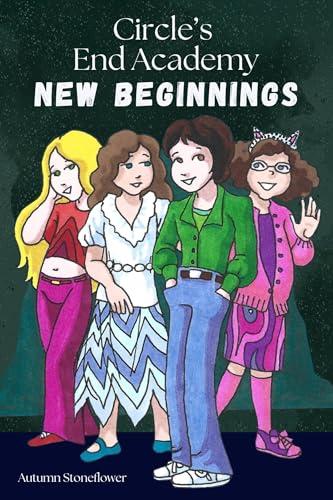
New Beginnings
It was described as a masterpiece and was mentioned as good party music, which is ironic given its mellow nature.
His record Stoneflower is just a masterpiece from beginning to end.
— Episode: Muzak: Easy Listening Goodness
It was described as a masterpiece and was mentioned as good party music, which is ironic given its mellow nature.
His record Stoneflower is just a masterpiece from beginning to end.
Yeah, that's good party music.
It was suggested as the oldest printed book, in the context of modern printing, but the discussion also acknowledged earlier forms of printing in China.
If you're talking about a printed book in the understanding of printing that we have here in the modern world, well then that's easy to settle. The Gutenberg Bible or the book printed right before the...
— Episode: Short Stuff: What's the oldest book?
It was suggested as the oldest printed book, in the context of modern printing, but the discussion also acknowledged earlier forms of printing in China.
If you're talking about a printed book in the understanding of printing that we have here in the modern world, well then that's easy to settle. The Gutenberg Bible or the book printed right before the Gutenberg Bible.

Kind Brothers Series, Book 4
It was mentioned as a book written by Jacques Valle, who was also the inspiration for a character in Close Encounters of the Third Kind, and a skeptic who aimed to debunk the Philadelphia Experiment.
And he was also the author of the book, The Fourth of July.
— Episode: Selects: What was the Philadelphia Exper...
It was mentioned as a book written by Jacques Valle, who was also the inspiration for a character in Close Encounters of the Third Kind, and a skeptic who aimed to debunk the Philadelphia Experiment.
And he was also the author of the book, The Fourth of July.
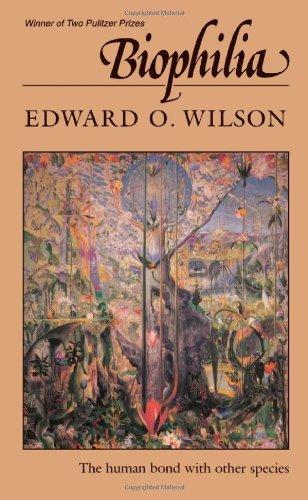
It was mentioned as the book where the term 'biophilia' was first used, in the context of humans' innate connection with nature, and that he was considered a 21st-century Darwin.
But I think it was Edward O. Wilson who, he's kind of known as the, you know, the 21st century Darwin. He's a biologist and a writer and a philosopher and an ant specialist. But he wrote a book in 198...
— Episode: What is biophilic design?
It was mentioned as the book where the term 'biophilia' was first used, in the context of humans' innate connection with nature, and that he was considered a 21st-century Darwin.
But I think it was Edward O. Wilson who, he's kind of known as the, you know, the 21st century Darwin. He's a biologist and a writer and a philosopher and an ant specialist. But he wrote a book in 1984 called Biophila.
And I think that was where, huh? I think it's biophilia.
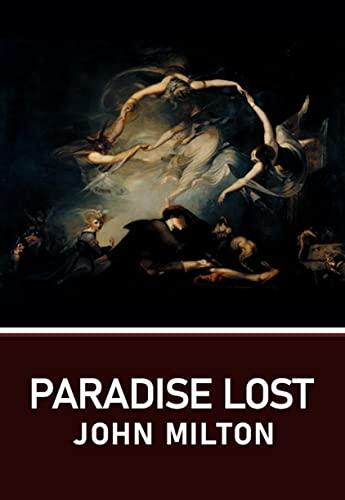
It was mentioned as being inspired by John Milton's 'Paradise Lost'. It was also noted that Blake spearheaded the Romantic movement.
Confusingly Blake also wrote his own epic poem called Milton which was inspired by the story of Milton's writing Paradise Lost.
— Episode: What is biophilic design?
It was mentioned as being inspired by John Milton's 'Paradise Lost'. It was also noted that Blake spearheaded the Romantic movement.
Confusingly Blake also wrote his own epic poem called Milton which was inspired by the story of Milton's writing Paradise Lost.
Blake was a true renaissance man who spearheaded the romantic movement.

Atlantic and Gulf Coasts (Little River, South Carolina to Econfina River, Florida. Includes Puerto Rico and the U.S. Virgin Islands) 2024
It was mentioned as a book containing pictures and information about lighthouses, but one of the speakers did not have the opportunity to look it up before the podcast.
And there's like a whole book called the light list where it has pictures of them and it has...
— Episode: Selects: How Lighthouses Work
It was mentioned as a book containing pictures and information about lighthouses, but one of the speakers did not have the opportunity to look it up before the podcast.
And there's like a whole book called the light list where it has pictures of them and it has...
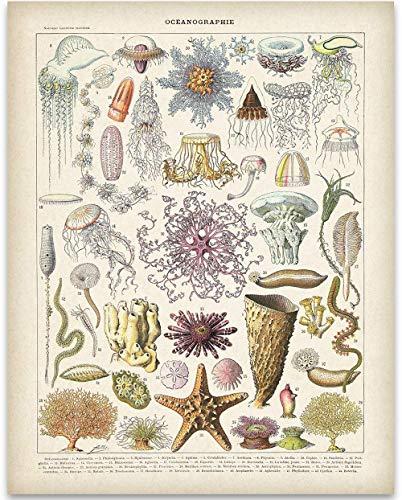
The podcasters discussed an article written by Carl Bantz in a scientific journal that satirically explored mermaids as if they were a real, extinct species. It was suggested that the article is worth reading online.
There's a dude, I love this guy. His name is Carl Bantz.
— Episode: Selects: Mermaids: Not a real thing
The podcasters discussed an article written by Carl Bantz in a scientific journal that satirically explored mermaids as if they were a real, extinct species. It was suggested that the article is worth reading online.
There's a dude, I love this guy. His name is Carl Bantz.
It is an entirely tongue-in-cheek but totally played straight account of the extinct species mermaid.
It's called Mermaids, Their Biology, Culture, and Demise. You can find the full PDF online.
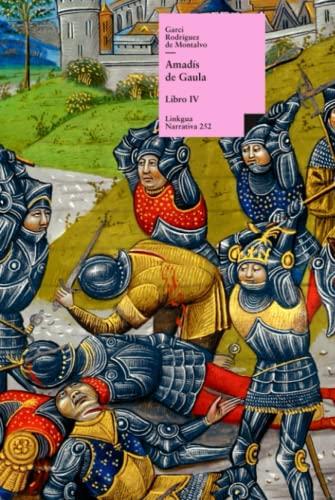
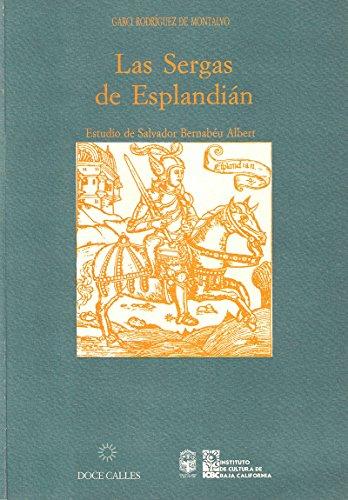
It was a sequel to Amadis de Gaula, featuring the exploits of Esplandian, and it contained the mythical land of California ruled by Queen Califia, which is where the name for the state possibly came from.
And this is just sort of a setup of these books and a very kind of neat little factoid that lies within.
— Episode: Short Stuff: How California Got Its Name
It was a sequel to Amadis de Gaula, featuring the exploits of Esplandian, and it contained the mythical land of California ruled by Queen Califia, which is where the name for the state possibly came from.
And this is just sort of a setup of these books and a very kind of neat little factoid that lies within.
Yeah, like these two books right here were like Tom Clancy and Michael Crichton all rolled together.
They were huge.
Because in Lasergas de Esplandien, a lot of the action is the sacking of the town of Constantinople held then by the Turks, by a bunch of different countries and nations and armies sacking the city together as allies.
So he described their homeland. Apparently, the homeland was called California.
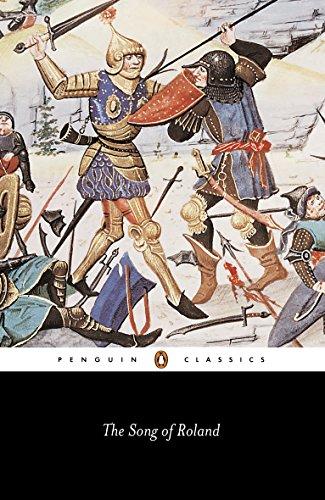
It was a French poem written in the 11th century about Charlemagne, and it is suggested that the author of 'Las Sergas de Esplandian' may have based part of his book on this poem, possibly referencing the name 'Califern' or 'California'.
They think this book was written in 1510, but apparently the author of the book based part of it on the Song of Roland, which is a French poem written in the 11th century about Charlemagne in the 8th...
— Episode: Short Stuff: How California Got Its Name
It was a French poem written in the 11th century about Charlemagne, and it is suggested that the author of 'Las Sergas de Esplandian' may have based part of his book on this poem, possibly referencing the name 'Califern' or 'California'.
They think this book was written in 1510, but apparently the author of the book based part of it on the Song of Roland, which is a French poem written in the 11th century about Charlemagne in the 8th century.
And in this poem, Charlemagne lists a bunch of people that he expected to like combat him and come after him and rebel against him, including men of Africa. This is in quotes, men of Africa and those of Califern. Or California? Either way. C-A-L-I-F-E-R-N-E.
A Blackburn Novel (Bluegrass Empires Book 1)
It was mentioned in relation to the importance of pigs to the families' livelihood in the 19th century, specifically how a pig or two could feed a family for a month. It was discussed in relation to the theft of pigs, which fueled the tension between the families.
There's a book called The Feud by Dean King.
— Episode: Selects: What Was the Deal With the Hatf...
It was mentioned in relation to the importance of pigs to the families' livelihood in the 19th century, specifically how a pig or two could feed a family for a month. It was discussed in relation to the theft of pigs, which fueled the tension between the families.
There's a book called The Feud by Dean King.
And he said where was their next meal going to come from and how could they feed the children in the winter? They were lucky enough to have one pig or razorback for sell or trade.
The Original Unabridged And Complete Edition (Plato Classics)
It was discussed in relation to its influence on St. Augustine and the concept of hell, specifically a story of a man named Er who journeys through the underworld.
And a lot of this is informed by writers and not even like biblical scholars, like people like Plato.
— Episode: Hell! Hell! Hell!
It was discussed in relation to its influence on St. Augustine and the concept of hell, specifically a story of a man named Er who journeys through the underworld.
And a lot of this is informed by writers and not even like biblical scholars, like people like Plato.
There's a story from Plato's Republic where a man named Er, E-R, goes into a coma, journeys through the underworld, and then wakes up and then tells everyone what happened down there.
And he directly influenced St. Augustine.
And Augustine definitely influenced some of these later guys like Drithelm and Tundale.
And their idea of hell, but Augustine was influenced by Plato.
It was recommended as a short story with a disturbing and unsettling take on the afterlife and chaos, with no one in charge.
One of the greatest, one of the other great conceptions of the afterlife, not necessarily hell, but hellish, is found in this, I think I've mentioned it before, Joyce Carol Oates short story called Ni...
— Episode: Hell! Hell! Hell!
It was recommended as a short story with a disturbing and unsettling take on the afterlife and chaos, with no one in charge.
One of the greatest, one of the other great conceptions of the afterlife, not necessarily hell, but hellish, is found in this, I think I've mentioned it before, Joyce Carol Oates short story called Nightside, where there's this seance and like the spirits that are contacted are like all freaked out because there's no, it's all just chaos.
Nobody, I think they keep saying like no one's in charge and like everything's just out of order.
And it's a really like unsettling read, like Joyce Carol Oates is so good with horror, but that particular one is super disturbing.
I highly recommend everybody reading it.
Note: The book recommendations on this page are discovered automatically from podcast transcripts, and may be incorrect or incomplete.
Podcast Name