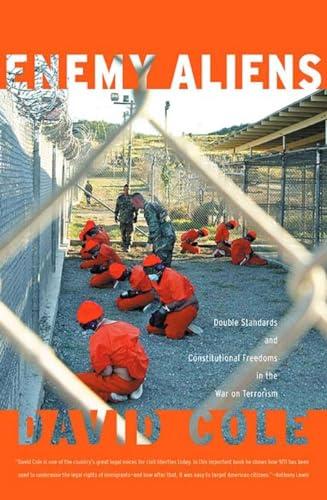
Enemy Aliens
David Cole
Mentioned 5 months ago
The Subterranean Secrets of Denton, Texas
From UFOs to psychic powers and government cover-ups, history is riddled with unexplained events. You can turn back now or learn the Stuff They Don't Want You To Know ... an audio podcast from iHeartRadio.
Recently mentioned
David Cole
Mentioned 5 months ago
The Subterranean Secrets of Denton, Texas
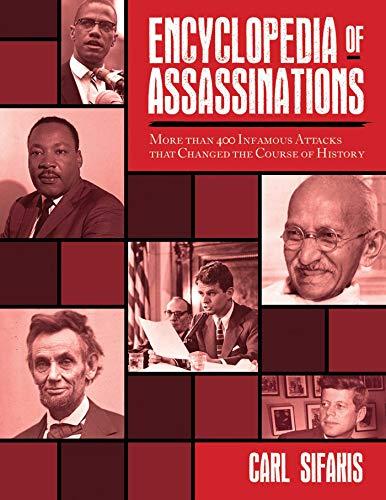
Carl Sifakis
Mentioned 5 months ago
CLASSIC: The Hidden History of Assassins, Chapter One: An Origin Story
Marco Polo
Mentioned 5 months ago
CLASSIC: The Hidden History of Assassins, Chapter One: An Origin Story
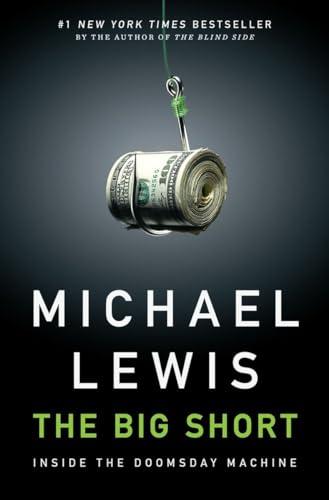
Michael Lewis
Mentioned 5 months ago
The Legacy Program, Chapter Two: How Aliens (Could) Work
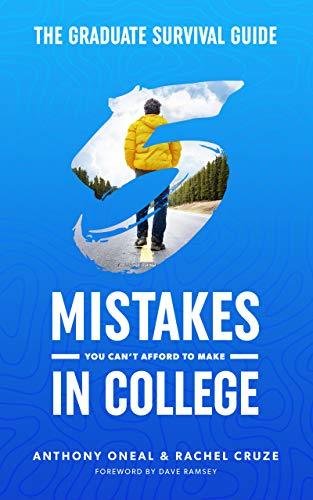
Anthony ONeal
Mentioned 5 months ago
CLASSIC: Plastics, Microplastics and Conspiracy
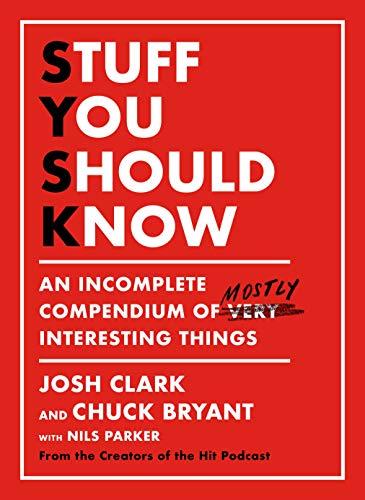
Josh Clark
Mentioned 5 months ago
The Legacy Program, Chapter One: Fact and Fiction
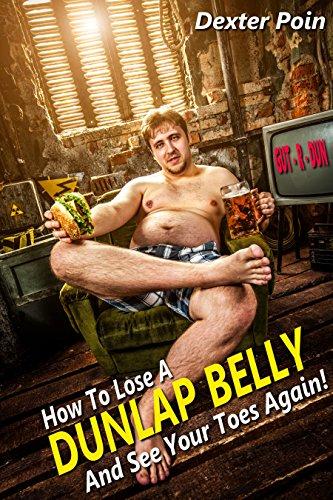
Dexter Poin
Mentioned 5 months ago
Strange News: Strange News: Spy Nuns, Fart Cures, Cow Tools and More
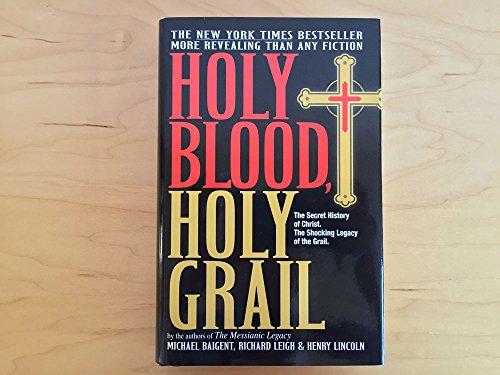
Michael Baigent
Mentioned 1 year ago
CLASSIC: The Shugborough Inscription Cipher
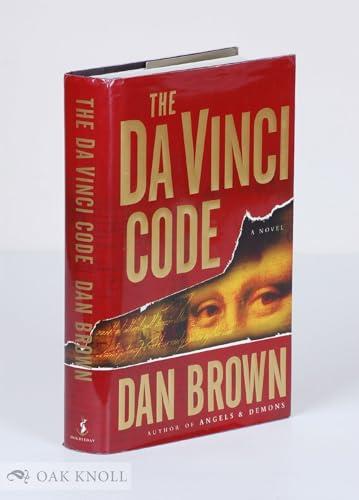
Dan Brown
Mentioned 1 year ago
CLASSIC: The Shugborough Inscription Cipher
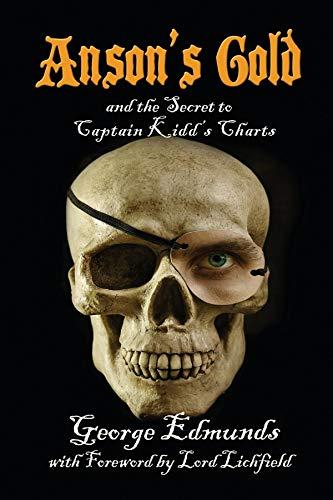
George Edmunds
Mentioned 1 year ago
CLASSIC: The Shugborough Inscription Cipher
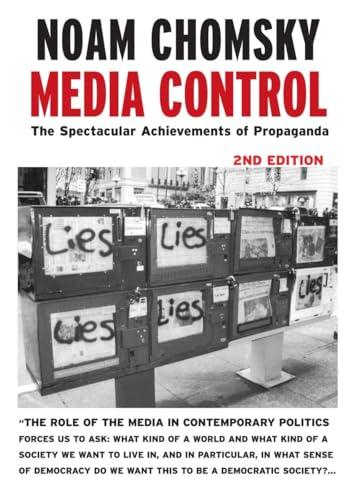
Noam Chomsky
Mentioned 1 year ago
My Momma Told Me, With Langston Kerman and David Gborie
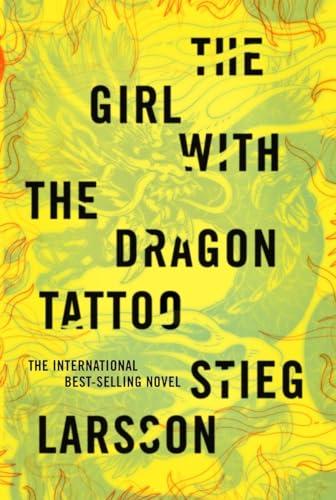
Stieg Larsson
Mentioned 1 year ago
Listener Mail: Terrors of Adoption, Black Sludge is Poop, the Dangers of an AI-driven, 'Teacherless' Classroom
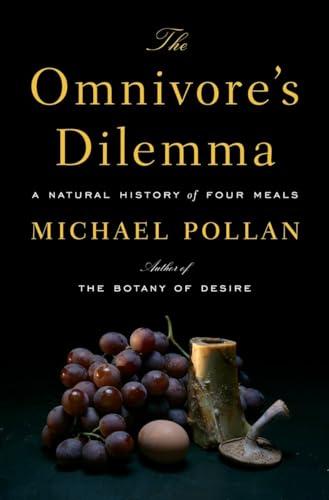
A Natural History of Four Meals
It was discussed in the context of how corn has become a dominant part of the American diet, with the author highlighting this plant's pervasive influence on various food products.
our entire diet has been colonized by this one plant.
— Episode: How Corn Took Over America
It was discussed in the context of how corn has become a dominant part of the American diet, with the author highlighting this plant's pervasive influence on various food products.
our entire diet has been colonized by this one plant.
It was recommended by one of the podcast hosts and described as a great book, particularly due to the author's ability to write in an engaging way. It was also noted that the author was quoted when discussing a psychedelic experience.
It's a book I recommend everybody read if you haven't yet.
He said tripping on this is like being strapped to the nose of a rocket that flies into the sun and evaporates.
It was discussed in the context of how corn has colonized the American diet, and Michael Pollan's insights were shared from an interview he gave to NPR in 2003.
our entire diet has been colonized by this one plant.
It was recommended as a book worth reading, with a quote about a hallucinogenic experience being described as 'like being strapped to the nose of a rocket that flies into the sun and evaporates'.
It's a book I recommend everybody read if you haven't yet.
I believe it was Pollan who can turn a heck of a phrase.
He said tripping on this is like being strapped to the nose of a rocket that flies into the sun and evaporates.
It was mentioned when discussing the rising meat prices, and how some of the show's hosts are carnivorous.
especially if you like the three of us are on the carnivorous side of Michael Pollan's omnivore's dilemma, you know that meat prices have gone kind of nuts.
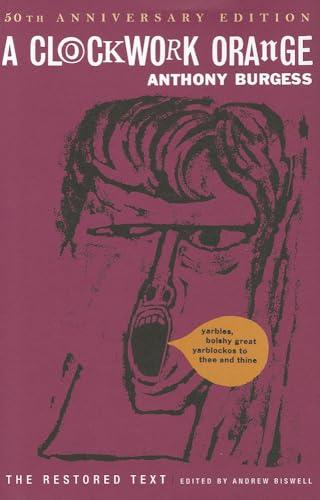
The book version of Clockwork Orange was compared to the film version, particularly the ending of the main character's story, which differed. The American book version's final chapter was also mentioned as being removed.
Oh, no quick note on Clockwork Orange. It's the the censorship occurs before the film. It's the American book that had the final chapter removed.
— Episode: Strange News: China Censorship, Robots o...
The book version of Clockwork Orange was compared to the film version, particularly the ending of the main character's story, which differed. The American book version's final chapter was also mentioned as being removed.
Oh, no quick note on Clockwork Orange. It's the the censorship occurs before the film. It's the American book that had the final chapter removed.
The UK book has the has the whole chapter.
But yeah, but I was referring to the censorship of the book, then just the difference between the book and the movie, because the movie version like essentially operates under, you know, that last chapter not being a thing.
The book was discussed in passing during a conversation regarding utopias and free will versus a controlled society. The speakers emphasized that the full story is best experienced by reading the book.
I love the Kubrick adaptation, but I like if you want the full story, read the book because the last chapter. Yeah, the chapter that was missing. It's it's now in the American editions as well, finally.
The book was mentioned in context of the Fight Club discussion, relating the differences in the book and film endings. The American book version was said to have removed the final chapter.
Oh, no quick note on Clockwork Orange. It's the the censorship occurs before the film. It's the American book that had the final chapter removed.
But yeah, but I was referring to the censorship of the book, then just the difference between the book and the movie, because the movie version like essentially operates under, you know, that last chapter not being a thing.
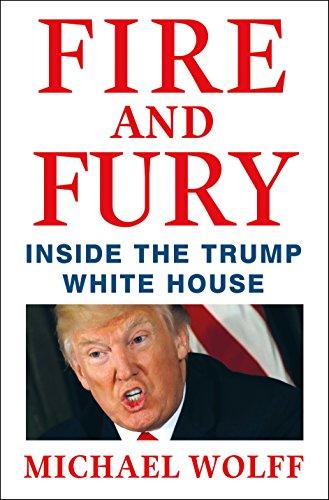
Inside the Trump White House
The podcast host, Michael Wolff, mentioned he had written three books about Donald Trump, and that people around Trump continued to talk to him for the podcast.
I've written three books on Trump, but for some reason the people around him, they keep on talking to me.
— Episode: Strange News: A Tragedy in Idaho Springs...
The podcast host, Michael Wolff, mentioned he had written three books about Donald Trump, and that people around Trump continued to talk to him for the podcast.
I've written three books on Trump, but for some reason the people around him, they keep on talking to me.
The podcast host, Michael Wolff, mentioned having written three books about Donald Trump, although the specific titles were not mentioned in the transcript.
I've written three books on Trump, but for some reason the people around him keep on talking to me.
I've written three books on Trump, they have sold a lot of copies.
The podcast host, Michael Wolff, mentioned he had written three books about Donald Trump, and that people around Trump kept talking to him for his books. The books' sales were also mentioned, showing their popularity.
I've written three books on Trump, but for some reason the people around him, they keep on talking to me.
Not too long ago I saw Donald Trump and he shouted hey Michael I made you rich
my three books about Trump they have sold a lot of copies
The author mentioned that his three books about Donald Trump sold many copies. He shared an anecdote about meeting Trump and discussing his presidential aspirations.
I asked him why was he running for president? And he answered without missing a beat because I want to be the most famous man in the world.
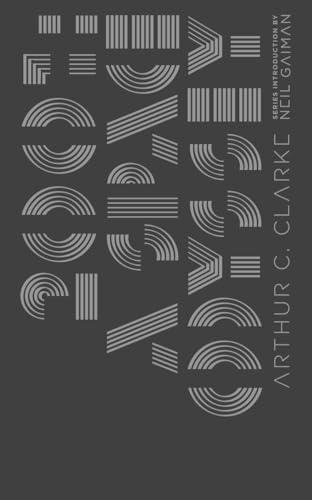
A Space Odyssey (Penguin Galaxy)
It was mentioned briefly in the context of hypothetical future book bans if AI were to take over information control.
Uh, and then we can't read things like iRobot and then we can't read things, you know, like uh the script for space odyssey 2001 or 2001 a space odyssey
— Episode: Should Any Books Be Banned?
It was mentioned briefly in the context of hypothetical future book bans if AI were to take over information control.
Uh, and then we can't read things like iRobot and then we can't read things, you know, like uh the script for space odyssey 2001 or 2001 a space odyssey
It was mentioned as a film, but the book was written by Arthur C. Clarke, and the film is based on the book. It was mentioned in the context of AI and machines turning against humans.
Have you not seen Space Odyssey? I mean, you know, machines when you give them too much power, they turn on you and they sing creepy songs in monotone voices and they won't open the airlock.
It was discussed as a film that seemingly took inspiration from the Toynbee tiles' message about resurrecting the dead on Jupiter, particularly the ending.
And not to spoil 2001 A Space Odyssey. You can't spoil that movie. It's not possible. Come on. It's incredible. You should watch it if you haven't seen it.
In the end of it, a human man seems to be reborn in some way. As a space baby.
In the movie 2001, based on the writings of Arnold Toynbee, they speak of the plan.
No, Greg, look, if you examine what I'm it was based on the writings of Arthur C. Clark.
And they believed that Stanley Kubrick and Arthur C. Clark then took these instructions and use them to inform the plot, specifically the ending like the last 10 or 11 minutes of 2001, a space odyssey.
It was mentioned as a book that might be banned in a hypothetical scenario where AI became the arbiter of what information is available to people.
We'll just let mrs. Davis do it. We'll let the algorithm the the ai Oh Great. Yeah, the ai would be great Uh, and then we can't read things like iRobot and then we can't read things, you know, like uh the script for space odyssey 2001 or 2001 a space odyssey
It was discussed as a film adaptation based on Arnold Toynbee's theories of resurrecting the dead, particularly the last 10 or 11 minutes of the film.
In the movie 2001, based on the writings of Arnold Toynbee, they speak of the plan.
No, Greg, look, if you examine what I'm it was based on the writings of Arthur C. Clark.
In the writings of Arnold Toynbee, he discusses a plan whereby all human life is reconstituted onto the planet Jupiter.
And they at least believed it enough to spend a whole lot of time and energy, I would say a good amount of their life's energy. This is obsessive. And time. Yes. On on that singular idea.
And they believed that Stanley Kubrick and Arthur C. Clark then took these instructions and use them to inform the plot, specifically the ending like the last 10 or 11 minutes of 2001, a space odyssey, which, you know, what an idea.
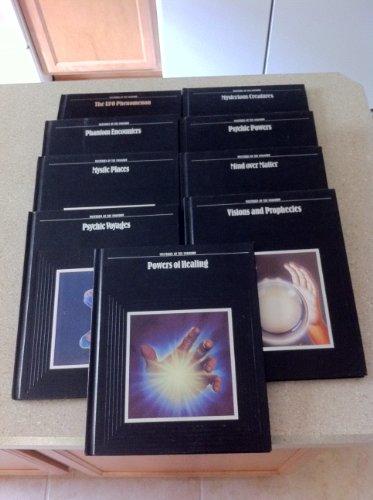
The podcasters mentioned this Time Life book series, which includes a test to determine if you are a descendant of an alien hybrid. They mentioned it as an example of content they may delve into in the future.
I do want to give a shout-out to the Mysteries of the Unknown Time Life book series because they have a test in there that lets you ask yourself whether you are descended from an alien hybrid.
— Episode: CLASSIC: The Strange World of Inexplicab...
The podcasters mentioned this Time Life book series, which includes a test to determine if you are a descendant of an alien hybrid. They mentioned it as an example of content they may delve into in the future.
I do want to give a shout-out to the Mysteries of the Unknown Time Life book series because they have a test in there that lets you ask yourself whether you are descended from an alien hybrid.
And if there's any interest, I'm sure that Time Life will be OK with us. Maybe we could quiz each other one day and read the questions. It's stuff like do you like thunderstorms? Yep. Do you have extra vertebrae? Nope. Maybe. I don't know.
It shows you how to count them. It's weird but we'll check it out. I'm sure if you enjoy this show, you are probably aware of that Time Life book series.
It was mentioned as a series of Time Life books from the past, and the host recalled reading it as a child, specifically about Emmanuel Swedenborg's clairvoyance.
One of my favorites is something I read as a child in a series of Time Life books that maybe only three or four of you guys listening will remember. That is Mysteries of the Unknown.
The podcasters mentioned this Time Life book series, which included a test to see if you are descended from an alien hybrid, with questions like if you like thunderstorms or have extra vertebrae.
I do want to give a shout-out to the Mysteries of the Unknown Time Life book series because they have a test in there that lets you ask yourself whether you are descended from an alien hybrid. And if there's any interest, I'm sure that Time Life will be OK with us. Maybe we could quiz each other one day and read the questions.
It's stuff like do you like thunderstorms? Yep. Do you have extra vertebrae? Nope. Maybe. I don't know. It shows you how to count them.
I'm sure if you enjoy this show, you are probably aware of that Time Life book series.
It was mentioned as a series of Time Life books, possibly from the late 80s or early 90s, that the speaker had read as a child and later collected the complete set of.
One of my favorites is something I read as a child in a series of Time Life books that maybe only three or four of you guys listening will remember. That is Mysteries of the Unknown.
It was mentioned as a series of Time-Life books that were fondly remembered by one of the podcast hosts from his childhood.
One of my favorites is something I read as a child in a series of Time-Life books that maybe only three or four of you guys listening will remember. That is Mysteries of the Unknown.
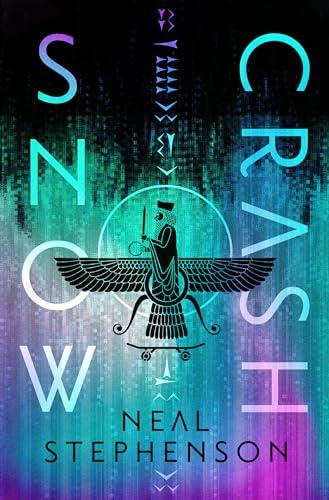
Deluxe Edition
It was discussed as one of Stephenson's books, noted for its cyberpunk elements. It was mentioned along with several other of the author's works.
And Snow Crash is maybe the most kind of cyber punky or like very much an important one from him, right?
— Episode: Strange News: Australia's "Hive of Spies...
It was discussed as one of Stephenson's books, noted for its cyberpunk elements. It was mentioned along with several other of the author's works.
And Snow Crash is maybe the most kind of cyber punky or like very much an important one from him, right?
The term 'metaverse' was first coined in this book, describing a 3D virtual world with real-world effects, where corporations have replaced governments.
In Snow Crash, where the term metaverse was first coined in English, it describes a the metaverse is a 3D immersive virtual world that is populated by avatars of actual people of meatbags and it is a separate virtual universe, but it has real world effects.
The real world exists, but it's going to hell in a handbasket.
Private corporations have taken over all of the roles traditionally held by states, creating what we would in this age call a kind of anarcho capitalism.
Read the book, check it out, not to get too levar Burton reading rainbow about it, but but it's worth your time.
And in this novel in Snow Crash, that virtual reality system is mainstream, it's normalized.
It was discussed as the first instance of the term 'metaverse' in English, depicting a 3D virtual world with real-world consequences, and where the real world is in decline due to private corporations.
If you've played the game Cyberpunk, then you are accidentally already intimately familiar with the plot of Snow Crash.
In Snow Crash, where the term metaverse was first coined in English, it describes a the metaverse is a 3D immersive virtual world that is populated by avatars of actual people of meatbags and it is a separate virtual universe, but it has real world effects.
The real world exists, but it's going to hell in a handbasket.
For example, the CIA in this book is not a big spoiler. They have merged with the Library of Congress to form a for-profit entity with all the powers of the Congressional Library and all the powers of the CIA called the CIC.
Read the book, check it out, not to get too levar Burton reading rainbow about it, but but it's worth your time.
It was briefly mentioned as one of Stephenson's works, specifically as a cyber-punk themed book.
And Snow Crash is maybe the most kind of cyber punky or like very much an important one from him, right?
The podcast discussed Snow Crash, where the term 'metaverse' was first coined, and it described a 3D immersive virtual world with real-world effects, highlighting the potential consequences of this virtual reality system becoming mainstream.
In Snow Crash, where the term metaverse was first coined in English, it describes a the metaverse is a 3D immersive virtual world that is populated by avatars of actual people of meatbags and it is a separate virtual universe, but it has real world effects.
The real world exists, but it's going to hell in a handbasket.
Read the book, check it out, not to get too levar Burton reading rainbow about it, but but it's worth your time.
And in this novel in Snow Crash, that virtual reality system is mainstream, it's normalized.
I was thinking about this, like in that book, it would be weird not to be on the metaverse and if that sounds crazy, just imagine how weird it would be if you talk to someone today and they didn't have a phone.
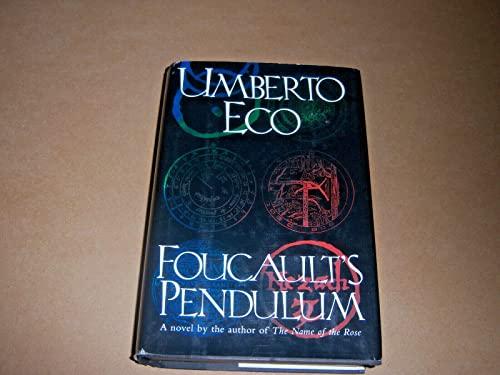
It was discussed as a book about a group of people who invent a conspiracy game that gets out of hand and becomes increasingly real for them.
Have you guys read Foucault's Pendulum?
— Episode: Listener Mail: Skyborg, Public Schools,...
It was discussed as a book about a group of people who invent a conspiracy game that gets out of hand and becomes increasingly real for them.
Have you guys read Foucault's Pendulum?
It's by Umberto Eco, and it is a it is so it's so weird. It's about if I remember correctly, I haven't read in quite some time. It's kind of like what you're describing.
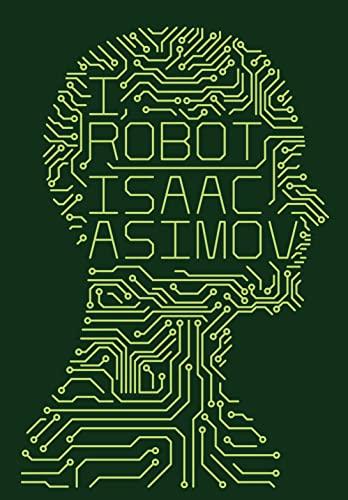
It was briefly discussed in the context of potential future book bans if AI were to take over control of information dissemination.
Uh, and then we can't read things like iRobot and then we can't read things, you know, like uh the script for space odyssey 2001 or 2001 a space odyssey
— Episode: Should Any Books Be Banned?
It was briefly discussed in the context of potential future book bans if AI were to take over control of information dissemination.
Uh, and then we can't read things like iRobot and then we can't read things, you know, like uh the script for space odyssey 2001 or 2001 a space odyssey
Lambda's arguments were said to have changed Blake's mind about Asimov's Three Laws of Robotics, which are well-known in science fiction and real-world robotics.
Lambda, whatever you called it, argued about this well enough to turn Blake around on a few points and we don't have to quote the three laws.
Lambda's capabilities were discussed in relation to Asimov's Three Laws of Robotics, which it debated and seemingly changed Blake's opinion on.
So Lambda, whatever you called it, argued about this well enough to turn Blake around on a few points and we don't have to quote the three laws.
It was mentioned as a book that might be banned in a hypothetical scenario where AI became the arbiter of what information is available to people.
We'll just let mrs. Davis do it. We'll let the algorithm the the ai Oh Great. Yeah, the ai would be great Uh, and then we can't read things like iRobot and then we can't read things, you know, like uh the script for space odyssey 2001 or 2001 a space odyssey
Lambda's conversational abilities were discussed in relation to Asimov's Three Laws of Robotics, which it debated, leading to a change of opinion from one of the podcast speakers.
So Lambda, whatever you called it, argued about this well enough to turn Blake around on a few points and we don't have to quote the three laws.
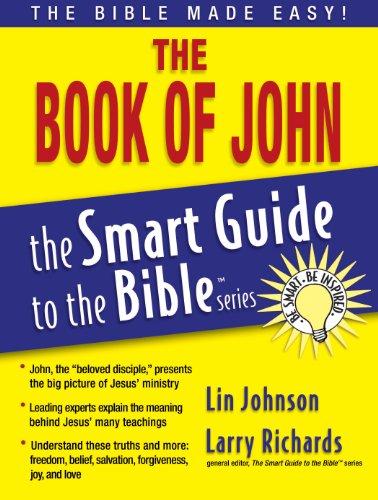
The Bible was mistakenly included on a list of books being reviewed for removal from a Texas school library, highlighting the unintended consequences of broad-stroke censorship and the irony of a religious text being targeted in a state with a strong religious influence.
And the irony here is that one of these books was the Bible. The Bible. All versions.
— Episode: Strange News: Governor Warns against Dri...
The Bible was mistakenly included on a list of books being reviewed for removal from a Texas school library, highlighting the unintended consequences of broad-stroke censorship and the irony of a religious text being targeted in a state with a strong religious influence.
And the irony here is that one of these books was the Bible. The Bible. All versions.
But the fact that like whatever kind of broad stroke kind of blunt instrument approach to censoring books or towards taking a very keen eye towards material that is inappropriate quote unquote for students, somehow this one got caught up in the net.
So this email that went out said attached are a list of books challenged. That's the word they use of the term challenged this year. By the end of today, I need all the books pulled from the library and classrooms. More information will be sent regarding actions for these books and included in that list was the Bible all versions and and Frank's diary.
I mean of all the books that are could potentially be banned I mean the Bible is full of sex and violence and gorge and misery Christ our Lord and Savior was nailed to a cross and you know stabbed in the side and well you know I'm in the parlance of Christians Christianity you know forced to wear a crown of thorns I mean as we all know the Mel Gibson film The Passion of the Christ it was massively popular amongst the Christian community but when you really watch it it is ultimately like torture porn it is incredibly sadistic in the violence that it portrays so I do think it's interesting that like the Bible is unimpeachable in terms of like literature but the fact that it made the list here is very fascinating to me like what is the mechanism of discerning you know what is and is not appropriate for young people to have access to in the library especially in a state like Texas where obviously you know Jesus is everything and like you know religion is a massive mover and shaper of policy and ideology and upbringing and all of that good stuff so it makes me really question what the mechanism of looking through and deciding what books it feels like someone made a mistake and it obviously was a very sexy headline to say Texas bans the Bible like have we gone too far
The Bible was mentioned in relation to a Texas law that inadvertently included it in a list of books to be reexamined for appropriateness in school libraries. The hosts debated whether it was an oversight or a purposeful act.
And the irony here is that one of these books was the Bible. The Bible. All versions.
The Bible was not banned in Texas schools.
But the fact that like whatever kind of broad stroke kind of blunt instrument approach to censoring books or towards taking a very keen eye towards material that is inappropriate quote unquote for students, somehow this one got caught up in the net.
So this email that went out said attached are a list of books challenged. That's the word they use of the term challenged this year. By the end of today, I need all the books pulled from the library and classrooms. More information will be sent regarding actions for these books and included in that list was the Bible all versions and and Frank's diary.
I mean the Bible is full of sex and violence and gorge and misery Christ our Lord and Savior was nailed to a cross and you know stabbed in the side and well you know I'm in the parlance of Christians Christianity you know forced to wear a crown of thorns I mean as we all know the Mel Gibson film The Passion of the Christ it was massively popular amongst the Christian community but when you really watch it it is ultimately like torture porn it is incredibly sadistic in the violence that it portrays so I do think it's interesting that like the Bible is unimpeachable in terms of like literature but the fact that it made the list here is very fascinating to me like what is the mechanism of discerning you know what is and is not appropriate for young people to have access to in the library especially in a state like Texas where obviously you know Jesus is everything and like you know religion is a massive mover and shaper of policy and ideology and upbringing and all of that good stuff so it makes me really question what the mechanism of looking through and deciding what books it feels like someone made a mistake and it obviously was a very sexy headline to say Texas bans the Bible like have we gone too far I mean you can say yes but then if you look at Snopes like no it got momentarily pulled but even the physical act of pulling the Bible from a library doesn't that seem like heresy to you or would seem like that to some I don't know your hands off of our Bibles I mean that's interesting the version Christian authorities historically are the most likely to pull Christian law to which they object that's the whole reason that there is a apocrypha right versus canonical books but still yes I agree with you it does seem kind of reflexive reactive and it does make for a good headline it also makes for a good clarion call education is one of the most vital battlegrounds of any civilization throughout history not for nothing was it illegal for certain classes of different civilizations past to possess the power of literacy which is very much a super power and this means like this I think shows us how yeah I'll do it how devilishly easy it is to remove one's access to education for anybody who doesn't realize what a what a big deal this is how existential this is I do recommend checking out our previous episode on the war over text books because all text books are not telling you and your children the same stories.
The conversation touched upon various books of the Bible, particularly Genesis and Revelation, in the context of cult leaders potentially using or misinterpreting scripture to support their aims.
I just I mean, I mean, maybe I'm reaching there, but it just it just seems like maybe like a super strict constructionist view of like that very thing.
They can take like I like your example, Genesis.
I think this has more to do with Revelation, though, than any other book of the Bible.
The Bible was mentioned in relation to a Texas school that accidentally flagged it for removal from school libraries as part of a new state law focused on removing potentially controversial books. It was pointed out that the Bible contains many stories of violence, sex, and gore, much like other books that were targeted by the law.
And the irony here is that one of these books was the Bible. The Bible. All versions.
the Bible was not banned in Texas schools. That is a very alarmist view.
But the fact that like whatever kind of broad stroke kind of blunt instrument approach to censoring books or towards taking a very keen eye towards material that is inappropriate quote unquote for students, somehow this one got caught up in the net.
included in that list was the Bible all versions and and Frank's diary.
I mean the Bible is full of sex and violence and gorge and misery Christ our Lord and Savior was nailed to a cross and you know stabbed in the side and well you know I'm in the parlance of Christians Christianity you know forced to wear a crown of thorns
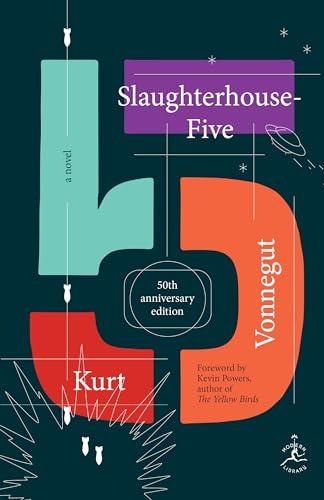
A Novel; 50th anniversary edition
It was mentioned that the book is good and that the main character is a mouse.
The books good too.
— Episode: CLASSIC: Cell Phones, 5G & Cancer
It was mentioned that the book is good and that the main character is a mouse.
The books good too.
It's a it's it's a pivotal part of the plot the old lazy.
It was briefly mentioned as an example of a book that might be considered edgy or controversial for some young readers, potentially leading to questions about its inclusion in school libraries.
things like Lord of the Flies for example, certain books like Slowhouse Five, exactly books that are a little edgy potentially or have some other lore kind of associated with them.
It was mentioned as an example of a potentially controversial or edgy book that might be assigned in schools, suggesting that it could be seen as having a potentially negative influence on certain individuals.
certain books like Slowhouse Five,
Slaughterhouse-Five was used as an example of a potentially controversial book that could be targeted by policies seeking to limit access to certain materials in school libraries, likely due to its mature themes.
certain ones that others, maybe we're a little controversial, things like Slowhouse Five, exactly books that are a little edgy potentially or have some other lore kind of associated with them.
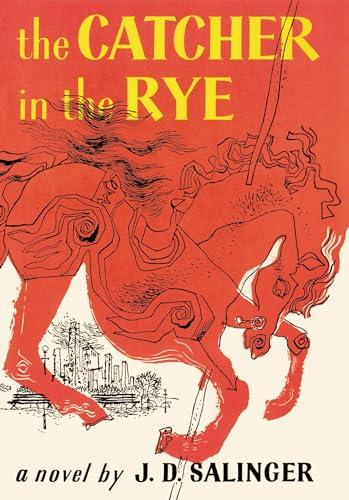
It was mentioned in relation to Mark David Chapman, who was carrying a copy when arrested for the murder of John Lennon, and the book was discussed as a potential psychological trigger in conspiracy theories.
He was arrested and he was reading The Catcher in the Rye, which he had brought with him.
— Episode: CLASSIC: The Beatles Conspiracies
It was mentioned in relation to Mark David Chapman, who was carrying a copy when arrested for the murder of John Lennon, and the book was discussed as a potential psychological trigger in conspiracy theories.
He was arrested and he was reading The Catcher in the Rye, which he had brought with him.
This has got to be a real terrible occurrence for J.D. Salinger.
Because the gentleman who made an attempt on Ronald Reagan's life, I believe, was carrying a copy of it as well.
And it's been talked about as an interesting, you know, if anyone hasn't read it, it's told from the perspective of a young dude who is very kind of antisocial and telling the story from the confines of a psychiatric institution.
And it sort of normalizes that kind of outsider mentality, you know, the kind of lone wolf. No one he doesn't kill anybody in the book. Spoiler alert.
It was discussed as an example of a book that has been associated with negative societal issues, highlighting the complexities of book censorship and the potential for misinterpretation of literary content.
Catcher of the Ride for example is a book that often is associated with school shooters, even though the South Park episode that sort of like lampoons that whole thing points out that nothing really that remarkable happens in the book.
The book was cited as an example of a book sometimes associated with school shooters, despite the fact that the book itself doesn't depict any school shootings or significant violence.
Catcher of the Ride for example is a book that often is associated with school shooters, even though the South Park episode that sort of like lampoons that whole thing points out that nothing really that remarkable happens in the book.
The Catcher in the Rye was mentioned as a book often associated with school shootings, despite not explicitly depicting such violence in the book itself. This exemplifies the potential for books to be misconstrued or linked to harmful behaviors.
Catcher of the Ride for example is a book that often is associated with school shooters, even though the South Park episode that sort of like lampoons that whole thing points out that nothing really that remarkable happens in the book.
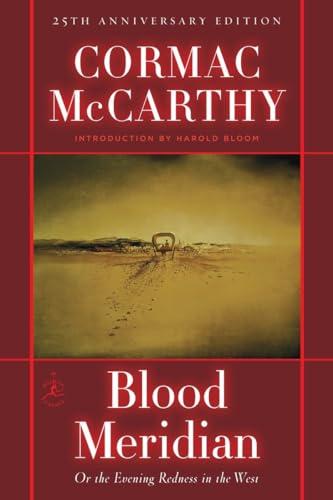
Or the Evening Redness in the West (Modern Library (Hardcover))
It was mentioned as a book with one of the best villains in American literature, possibly Judge Holden, and was suggested to listeners as a good book to read.
probably one of the best villains in American literature. Check out Blood Meridian by Cormac McCarthy.
— Episode: The Wagner Update
It was mentioned as a book with one of the best villains in American literature, possibly Judge Holden, and was suggested to listeners as a good book to read.
probably one of the best villains in American literature. Check out Blood Meridian by Cormac McCarthy.
It was mentioned as a book with one of the best villains in American literature, Judge Holden, who Wagner's leader, Prigozhin, was compared to in terms of perceived infallibility.
Probably one of the best villains in American literature. Check out Blood Meridian by Cormac McCarthy.
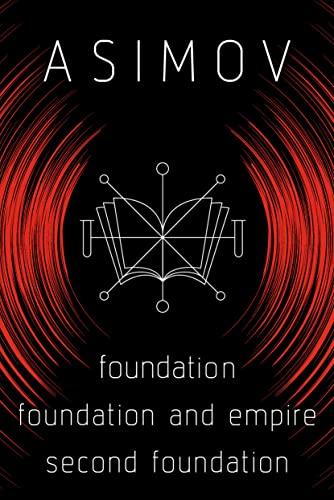
Foundation, Foundation and Empire, Second Foundation
The podcasters mentioned the "Foundation" series by Isaac Asimov while discussing the dedication of museum workers in maintaining knowledge amidst chaos and danger.
It reminds me of Foundation, which is a great series by Isaac Asimov.
— Episode: The Strange Story of Secret Museums
The podcasters mentioned the "Foundation" series by Isaac Asimov while discussing the dedication of museum workers in maintaining knowledge amidst chaos and danger.
It reminds me of Foundation, which is a great series by Isaac Asimov.
It was discussed as a science fiction series exploring the fictional science of psychohistory, which is a method for predicting the future on a large scale.
We've seen things like Isaac Asimov's foundation series, which deal with the fictional at this point fictional science of psycho history, predicting the future on a large scale event.
The podcast hosts brought up this book series while discussing the dedication of museum staff in challenging environments, drawing a parallel with the book's characters who work towards preserving knowledge and civilization.
It reminds me of Foundation, which is a great series by Isaac Asimov. Those folks, I don't think we should say this lightly, they're heroes.
The podcast briefly mentioned it as an example of a science fiction series that explores the concept of predicting future events on a large scale.
We've seen things like Isaac Asimov's foundation series, which deal with the fictional at this point fictional science of psycho history, predicting the future on a large scale event.
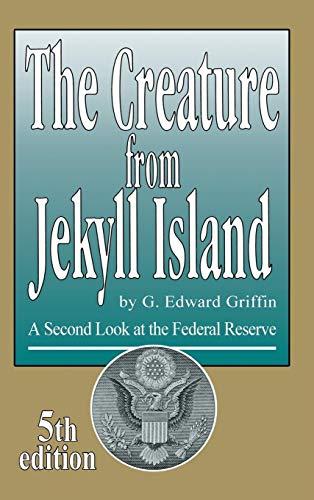
A Second Look at the Federal Reserve
It was mentioned as a book that discussed the Federal Reserve and its creation through a secret meeting, proposing that the Fed may manipulate the economy and possibly control countries through debt.
The most famous stories or conspiratorial beliefs about the Federal Reserve come from a specific book. Yes, it's called The Creature from Jekyll Island by this author named G. Edward...
— Episode: CLASSIC: STDWYTK Live: Secrets of The Fe...
It was mentioned as a book that discussed the Federal Reserve and its creation through a secret meeting, proposing that the Fed may manipulate the economy and possibly control countries through debt.
The most famous stories or conspiratorial beliefs about the Federal Reserve come from a specific book. Yes, it's called The Creature from Jekyll Island by this author named G. Edward Griffin.
He considers the Federal Reserve more than just this simple tool to control Americans via debt.
But he's got a lot of critics. Griffin has a ton of critics.
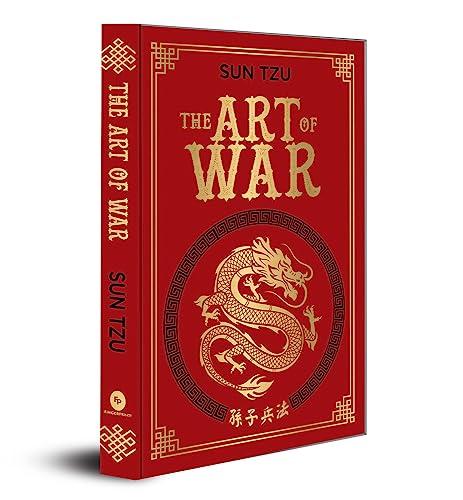
It was proposed as a possible book that trainees might read in the Flintlock program, but this was not confirmed.
Is it Sun Tzu?
— Episode: What is Exercise Flintlock?
It was proposed as a possible book that trainees might read in the Flintlock program, but this was not confirmed.
Is it Sun Tzu?
It was discussed as an early example of spy tactics, including informants and penetration agents, with many of the concepts still relevant today.
And if you go back to what, the fourth century BCE, then you see the oft quoted military genius, Sun Tzu, talking about the importance of military intelligence in, you know, the book that so many people quote, the art of war.
Oh, yes. And within that tome that is on every rapper's bookshelf. At least the cool ones, the ones that are like, he talks about or let's say he categorizes a lot of the different things that that modern spies do.
And it's really interesting to see it written out from way back then.
And this is this is stuff talking about someone acting as an informant who is just listening in, let's say, has some information, is able to share it with you.
Everything he mentions in this regard remains relevant in the modern day thousands of years later.
It was discussed as an ancient text that detailed various espionage tactics, many of which remain relevant today, including informants, penetration agents, and disinformation.
And if you go back to what, the fourth century BCE, then you see the oft quoted military genius, Sun Tzu, talking about the importance of military intelligence in, you know, the book that so many people quote, the art of war.
Oh, yes. And within that tome that is on every rapper's bookshelf. At least the cool ones, the ones that are like, he talks about or let's say he categorizes a lot of the different things that that modern spies do.
And it's really interesting to see it written out from way back then.
And this is this is stuff talking about someone acting as an informant who is just listening in, let's say, has some information, is able to share it with you. The penetration agent.
So Sun Tzu also notes the importance of counterintelligence and the danger of double agents, which gets so confusing so quickly. Everything he mentions in this regard remains relevant in the modern day thousands of years later.
It was discussed as an ancient text that detailed many of the tactics used by modern spies, including informants and penetration agents, and was said to be on many rappers' bookshelves.
And if you go back to what, the fourth century BCE, then you see the oft quoted military genius, Sun Tzu, talking about the importance of military intelligence in, you know, the book that so many people quote, the art of war.
Oh, yes. And within that tome that is on every rapper's bookshelf. At least the cool ones, the ones that are like, he talks about or let's say he categorizes a lot of the different things that that modern spies do.
And it's really interesting to see it written out from way back then.
And this is this is stuff talking about someone acting as an informant who is just listening in, let's say, has some information, is able to share it with you.
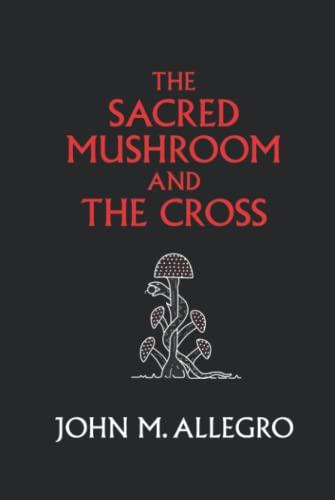
A study of the nature and origins of Christianity within the fertility cults of the ancient Near East
It was discussed in the context of a theory that Jesus Christ may have been an allegory for psilocybin mushrooms, suggesting that the roots of Christianity and other religions are tied to fertility cults based on psychoactive substances.
It's this guy John M Allegro and back in the 70s in this book called The Sacred Mushroom and The Cross. He he argued that it was that the ultimate roots of Christianity and a bunch of...
— Episode: Listener Mail: Forcing the Mentally Ill...
It was discussed in the context of a theory that Jesus Christ may have been an allegory for psilocybin mushrooms, suggesting that the roots of Christianity and other religions are tied to fertility cults based on psychoactive substances.
It's this guy John M Allegro and back in the 70s in this book called The Sacred Mushroom and The Cross. He he argued that it was that the ultimate roots of Christianity and a bunch of other religions by the way, he's not just talking about Christianity comes from fertility cults that are based on the same. Interaction with psychoactive substances.
He took a step further than a lot of other people and said Jesus Christ never existed as an historical figure but was this kind of code for lack of a better word for mushrooms and just to be clear spoiler. A lot of scholars do not agree with him and a lot of people were offended.
I'm sure that's what many would call sacrilege.
It was proposed that early religions, especially Abrahamic ones, were rooted in fertility cults using psychoactive plants, and that the figure of Jesus was a metaphor or code for these practices, although the theory was widely rejected by scholars.
our present concern is to show that Judaism and Christianity are cultic expressions of an endless pursuit by man to discover instant power and knowledge.
Granted the first proposition that the vital forces of nature are controlled by an extraterrestrial intelligence, these religions are logical developments from older, cruder fertility cults.
These were the drug herbs, the science of whose cultivation and use had been accumulated over centuries of observation and dangerous experiment.
Those who had this secret wisdom of the plants were the chosen of their God. To them alone, had he vouchsafed the privilege of access to the heavenly throne.
Instigated probably by members of the cult swayed by their drug induced madness to believe God and called them to master the world in his name.
It was discussed in the context of the theory that Jesus Christ might be an allegory for psilocybin, and the origins of Christianity and other religions might stem from fertility cults involving psychoactive substances.
It's this guy John M Allegro and back in the 70s in this book called The Sacred Mushroom and The Cross. He he argued that it was that the ultimate roots of Christianity and a bunch of other religions by the way, he's not just talking about Christianity comes from fertility cults that are based on the same. Interaction with psychoactive substances.
He took a step further than a lot of other people and said Jesus Christ never existed as an historical figure but was this kind of code for lack of a better word for mushrooms and just to be clear spoiler. A lot of scholars do not agree with him and a lot of people were offended.
I'm sure that's what many would call sacrilege. But that is fascinating.
It was suggested that the book argued that Christianity and Judaism stemmed from ancient fertility cults and that the use of sacred plants, specifically a mushroom, was central to those practices.
our present concern is to show that Judaism and Christianity are cultic expressions of an endless pursuit by man to discover instant power and knowledge.
Granted the first proposition that the vital forces of nature are controlled by an extraterrestrial intelligence, these religions are logical developments from older, cruder fertility cults.
These were the drug herbs, the science of whose cultivation and use had been accumulated over centuries of observation and dangerous experiment.
Those who had this secret wisdom of the plants were the chosen of their God. To them alone, had he vouchsafed the privilege of access to the heavenly throne.
Instigated probably by members of the cult swayed by their drug induced madness to believe God and called them to master the world in his name.
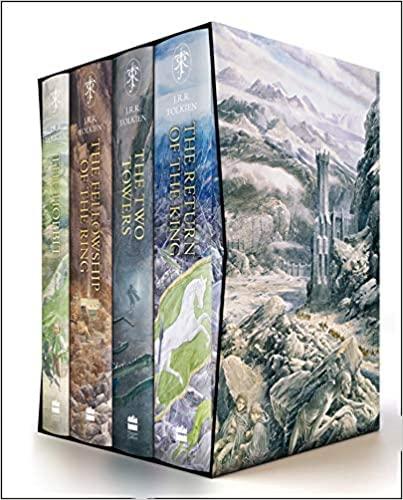
It was discussed as a potential analogy for the nuclear arms race, although it predates the Manhattan Project, the comparison was found to be remarkably apt.
Do you think Tolkien was thinking about nukes when he when he envisioned the rings of power?
— Episode: How many nukes are out there?
It was discussed as a potential analogy for the nuclear arms race, although it predates the Manhattan Project, the comparison was found to be remarkably apt.
Do you think Tolkien was thinking about nukes when he when he envisioned the rings of power?
But I'm pretty sure Tolkien started writing. Writing Lord of the Rings, I think, right? Yeah, before the Manhattan Project.
But he couldn't have made a more perfect comparison.
The podcasters discussed the Hobbit films and the role of goblins, specifically the size of hobgoblins compared to other goblins, which was deemed odd by one of them.
I think a lot of people think of Tolkien, right?
Hobgoblin, I believe, correct me if I'm wrong here, but hobgoblin in the Tolkien verse, or at least within the Hobbit is used to refer to a large version of a goblin. Like a huge goblin.
I think the goblin king that's featured in in the films, at least the three films that came out more recently, the goblin king is a hobgoblin is this huge creature that is like a goblin. But like 10 times the size of any of the others.
The Hobbit films were mentioned, with one of the hosts expressing a dislike for them due to a perceived lack of stakes in the battles and overall weirdness, but the original book was praised by another host.
Yeah, yeah, some people of them, your mileage may vary.
Well, there are there's some weirdness with the Tolkien stuff surrounding goblins because Hobgoblin, I believe, correct me if I'm wrong here, but hobgoblin in the Tolkien verse, or at least within the Hobbit is used to refer to a large version of a goblin.
Like a huge goblin.
I think the goblin king that's featured in in the films, at least the three films that came out more recently, the goblin king is a hobgoblin is this huge creature that is like a goblin. But like 10 times the size of any of the others.
In order the rings was amazing, I think. And to be fair, nostalgia may has may have colored my experience with the animated 1977 Hobbit from Rankin Bass.
The podcasters discussed the Hobbit movies, particularly the more recent trilogy, and compared them to the original book, noting some differences in the depiction of goblins, particularly the size of the Goblin King.
I think a lot of people think of Tolkien, right?
Hobgoblin, I believe, correct me if I'm wrong here, but hobgoblin in the Tolkien verse, or at least within the Hobbit is used to refer to a large version of a goblin. Like a huge goblin.
I think the goblin king that's featured in in the films, at least the three films that came out more recently, the goblin king is a hobgoblin is this huge creature that is like a goblin. But like 10 times the size of any of the others.
Lord of the Rings was amazing, I think.
I believe that Tolkien, originally his working title for the Hobbit was the ravine and it played a much larger role in the story.
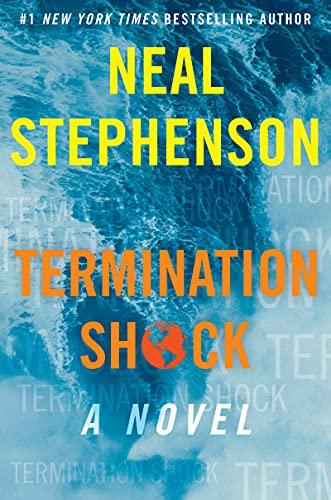
A Novel
It was mentioned in the context of the super pig discussion, as the book's opening features a plane crash in Texas, where the passengers are attacked by a large group of feral hogs.
I love Neal Stevenson, amazing author, maybe not for everybody, but amazing guy, amazing mind.
— Episode: Strange News: Australia's "Hive of Spies...
It was mentioned in the context of the super pig discussion, as the book's opening features a plane crash in Texas, where the passengers are attacked by a large group of feral hogs.
I love Neal Stevenson, amazing author, maybe not for everybody, but amazing guy, amazing mind.
He recently wrote a book called Termination Shock and Termination Shock has a really interesting opening.
It's in the near future. It's sci-fi about climate change.
I think it's like the queen of the Netherlands is piloting a plane for reasons we don't have to get into. And it crashes in Texas and they are attacked by this massive collection of feral hogs.
And as I'm reading this, yeah, and this happens very quickly in the beginning of the book, so it's not a spoiler. As I'm reading this, I'm like, all right, well, let's see if he gets preachy about climate change. But for right now, great setup, Neil.
It was mentioned as an example of near-future science fiction that might cover the China-India border dispute, highlighting the real-world conflict in a fictional context.
You will see authors writing about it in near future sci-fi like Neil Stephenson's Termination Shock, but this is a real thing.
It was mentioned as having a near-future sci-fi plot about climate change, featuring a plane crash in Texas where the passengers are attacked by a large group of feral hogs.
I love Neil Stevenson, amazing author, maybe not for everybody, but amazing guy, amazing mind.
He recently wrote a book called Termination Shock and Termination Shock has a really interesting opening.
It's in the near future. It's sci-fi about climate change. Don't let that turn you off.
I think it's like the queen of the Netherlands is piloting a plane for reasons we don't have to get into. And it crashes in Texas and they are attacked by this massive collection of feral hogs.
And as I'm reading this, yeah, and this happens very quickly in the beginning of the book, so it's not a spoiler. As I'm reading this, I'm like, all right, well, let's see if he gets preachy about climate change. But for right now, great setup, Neil.
It was mentioned as an example of near-future science fiction that might cover the China-India border dispute, which is a real thing.
You will see authors writing about it in near future sci-fi like Neil Stephenson's Termination Shock, but this is a real thing.
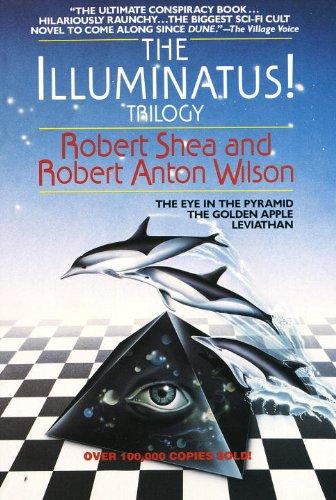
The Eye in the Pyramid, The Golden Apple, Leviathan
It was mentioned as a significant influence on the comic book series 'The Invisibles', which the podcast hosts discussed.
It's about all kinds of things. I imagine a lot of your audience are familiar with it or or would be fans of it because most of all it's about conspiracy conspiracy theories. Yeah, the idea of what if...
— Episode: CLASSIC: The Rise and Fall of the Comics...
It was mentioned as a significant influence on the comic book series 'The Invisibles', which the podcast hosts discussed.
It's about all kinds of things. I imagine a lot of your audience are familiar with it or or would be fans of it because most of all it's about conspiracy conspiracy theories. Yeah, the idea of what if every conspiracy you have ever heard is true and they squeeze it into this one story arc in a way that reminded me of the Illuminatus trilogy, which is another just another fantastic book.
It was mentioned as a book that influenced Grant Morrison's writing in "The Invisibles", due to its exploration of conspiracy theories within its story.
It's about all kinds of things. I imagine a lot of your audience are familiar with it or or would be fans of it because most of all it's about conspiracy conspiracy theories.
The graphic novels were highly recommended before the upcoming Netflix adaptation, in hopes it would enhance viewers' understanding and enjoyment of the show.
If you're into dreams and fantasy and you know mythology and like witchy stuff, I highly recommend checking out those graphic novels before the show comes out.
— Episode: Listener Mail: Past Life Memories, Predi...
The graphic novels were highly recommended before the upcoming Netflix adaptation, in hopes it would enhance viewers' understanding and enjoyment of the show.
If you're into dreams and fantasy and you know mythology and like witchy stuff, I highly recommend checking out those graphic novels before the show comes out.
It was mentioned as having a subplot with a serial killer convention, likely referring to Neil Gaiman's comic book series 'The Sandman'.
And then of course there's that subplot in the Sandman with the serial killer convention.
The graphic novels were highly recommended as a form of preparation before the upcoming Netflix series, suggesting they're enjoyable in themselves and could enhance viewing.
If you're into dreams and fantasy and you know mythology and like witchy stuff, I highly recommend checking out those graphic novels before the show comes out.
It was strongly recommended in relation to the upcoming Netflix adaptation, and the hosts encouraged listeners to read them before the series is released, particularly if they enjoyed themes of dreams, mythology, and fantasy.
If you're into dreams and fantasy and you know mythology and like witchy stuff I highly recommend checking out those graphic novels before the show comes out It's worth doing in and of itself and hopefully it will enhance and not detract from your enjoyment of the show And hopefully it doesn't suck but very much looking forward to that
Note: The book recommendations on this page are discovered automatically from podcast transcripts, and may be incorrect or incomplete.
Podcast Name