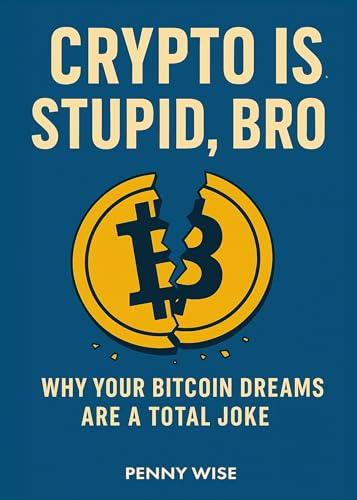
Crypto is Stupid, Bro
Don Penny Wise
Mentioned 4 years ago
S12: "A Death in Cryptoland" E6: The End Game

You think you know the NXIVM story. The secretive self-help empire. The sex cult headlines. The downfall of its leader, Keith Raniere.But the most famous woman at the centre of the story has remained largely silent. Allison after NXIVM tells the story of Allison Mack: former Smallville actress, high...
Recently mentioned
Don Penny Wise
Mentioned 4 years ago
S12: "A Death in Cryptoland" E6: The End Game

David Gerard
Mentioned 4 years ago
S12: "A Death in Cryptoland" E6: The End Game

Dan Irving
Mentioned 5 years ago
S10: "The Village 2" E5: Accountability and Apologies
Aldous Huxley
Mentioned 5 years ago
S8 "Brainwashed" E1: Ravenscrag
Stephen Kinzer
Mentioned 5 years ago
S8 "Brainwashed" E3: Exposing MKULTRA
Ken Kesey
Mentioned 5 years ago
S8 "Brainwashed" E3: Exposing MKULTRA

Richard Condon
Mentioned 5 years ago
S8 "Brainwashed" E3: Exposing MKULTRA

Tom Wolfe
Mentioned 5 years ago
S8 "Brainwashed" E3: Exposing MKULTRA
Carl Bernstein
Mentioned 5 years ago
S8 "Brainwashed" E3: Exposing MKULTRA

George Orwell
Mentioned 5 years ago
S8 "Brainwashed" E4: Suing the CIA
Richard Beck
Mentioned 6 years ago
S6 "Satanic Panic" E5: The Many Martensvilles
Rebecca Brown Yoder
Mentioned 6 years ago
S6 "Satanic Panic" E5: The Many Martensvilles
A Moral Panic in the 1980s
In the episode, the host referenced the book to illustrate that the 1980s experienced multiple social epidemics, including the moral panic over alleged satanic abuse. The citation was used to provide historical context rather than as a recommendation. The overall tone was neutral, treating the title as a factual source.
The book was cited as noting that the 1980s were a time of various epidemics, including the moral panic surrounding alleged satanic abuse.
As Richard Beck points out in his book, We Believe the Children, the 80s were a time of epidemics.
The book was cited as noting that the 1980s were a time of epidemics, providing context for the era's moral panic.
as Richard Beck points out in his book, We Believe the Children, the 80s were a time of epidemics.
The producers thanked Richard Beck for his book, noting it had been an invaluable resource for the episode.
Special thanks for this episode goes to HBO and Andrew Jarecki, The New York Times, CBC's The Fifth Estate, and Richard Beck, whose book, We Believe the Children, has been an invaluable resource.
The producers credited the book as an invaluable resource for the episode, highlighting its role in informing the investigation.
Richard Beck, whose book, We Believe the Children, has been an invaluable resource.
Sidney Gottlieb and the CIA Search for Mind Control
In two episodes, the author Stephen Kinzer appeared and introduced his own work, describing it as an examination of Sidney Gottlieb and the CIA’s pursuit of mind‑control techniques. He noted that the title explored the agency’s secret experiments and their historical impact. The discussion was limited to a brief author introduction, without a strong endorsement, resulting in a casual mention.
Stephen Kinzer identified himself as the author of Poisoner in Chief, a book about Sidney Gottlieb and the CIA's search for mind control.
I'm the author of Poisoner in Chief, Sidney Gottlieb and the CIA Search for Mind Control.
Stephen Kinzer introduced his book Poisoner in Chief, which examines Sidney Gottlieb's role in the CIA's search for mind control.
I'm the author of Poisoner in Chief, Sidney Gottlieb and the CIA Search for Mind Control.
The speaker noted that Stephen Kinzer had written a book about Sidney Gottlieb, referring to him as the PoisonerinChief.
Stephen Kinzer, who wrote the book on Gottlieb, calling him the Poisoner-in-Chief.
The hosts noted that the recording‑playback technique used on patients resembled the conditioning method described in the book, using it as a point of comparison. They referenced the title to illustrate how similar psychological control can appear in both real and fictional contexts.
The hosts compared the recordingplayback technique used on patients to the conditioning method described in Brave New World.
This type of recording, playing the recording back to the patient over and over again sounds something like the conditioning technique in The Brave New World.
The podcast noted that the repeated playback of messages resembled the conditioning technique described in Brave New World.
sounds something like the conditioning technique in The Brave New World.
50th Anniversary Edition
The hosts cited the title while discussing Kesey's involvement in LSD experiments, noting it as a counterculture bible. They highlighted the author's connection to the era's psychedelic research and described the novel as emblematic of that movement. The overall tone was enthusiastic about its cultural significance.
The hosts referenced KenKesey's classic novel while discussing his involvement in LSD experiments.
who went on to write that counterculture Bible, When It Flew Over the Cuckoo's Nest. Ken Kesey, the hero of Tom Wolfe's The Electric Kool-Aid Acid Test.
Ken Kesey was noted as the author of the counterculture novel often called the bible of the era, linking his work to early LSD experiments.
Ken Kesey, who went on to write that counterculture Bible, When It Flew Over the Cuckoo's Nest. Ken Kesey, the hero of Tom Wolfe's The Electric Kool-Aid Acid Test.

In both episodes, the defense lawyer quoted the book during opening arguments, using its themes to urge the jury to empathize with the defendant and view the case from his perspective. The hosts noted the reference but did not present it as a recommendation.
The defense lawyer quoted the novel during opening arguments, using it to illustrate how the jury should empathize with the defendant.
He quoted from To Kill a Mockingbird and said, in order to understand this story, you have to crawl inside the skin of my defendant, of Keith Raniere.
The defense lawyer quoted the novel during his opening statement, using it to illustrate his argument about the defendant's perspective.
And I mean, specifically things like weaving in Winston Churchill and To Kill a Mockingbird.
He quoted from To Kill a Mockingbird and said, in order to understand this story, you have to crawl inside the skin of my defendant, of Keith Raniere.
The book was brought up when Keith handed a copy to Barbara and claimed she was the heroine Dagny while he cast himself as John Galt, using it as a flirtatious pickup line. The hosts noted the reference but did not discuss its content, treating it as a quirky anecdote rather than a recommendation.
Keith gave Barbara a copy of Atlas Shrugged, telling her she was the heroine Dagny and that he was the book's hero John Galt, using it as a flirtatious pickup line.
He said because you're Dagny. You're the heroine. You're Dagny in The Atlas Shrugged. And you have finally come here. And I knew you were coming. He said, you're my Dagny. And I'm the book's hero, John Galt.
She was Keith's girlfriend for eight of the nine years she was in NXIVM. She was the woman who Keith seduced by lending her his copy of Atlas Shrugged.
Keith Raniere handed Barbara Boucher a copy of the novel and told her she was the heroine Dagny, likening himself to John Galt.
He said because you're Dagny. You're the heroine. You're Dagny in The Atlas Shrugged. And you have finally come here. And I knew you were coming. He said, you're my Dagny. And I'm the book's hero, John Galt.
In the episode, the hosts briefly noted that the title of Marks's book was taken from the well‑known novel and film starring Frank Sinatra and others. They cited the work as a cultural reference point but did not provide a detailed assessment, making the mention casual rather than a recommendation.
The hosts mentioned The Manchurian Candidate as the film and novel that inspired the title of Marks's book.
Well, The Manchurian Candidate was a famous movie and book starring Frank Sinatra, Laurence Harvey, and I think Angela Lansbury.
The title was referenced as the inspiration for Marks' book title, linking the fictional brainwashed assassin to real CIA mindcontrol projects.
Well, The Manchurian Candidate was a famous movie and book starring Frank Sinatra, Laurence Harvey, and I think Angela Lansbury.

The hosts referenced the book when describing Jen's harrowing experiment, noting that it sounded like something out of the title's dystopian world. They used the comparison to illustrate the unsettling nature of the experiment rather than to recommend the book itself.
The hosts said the strange experiment Jen experienced sounded like something out of A Clockwork Orange.
But Jen's story is harrowing in its own right, including being involved in this strange experiment that sounds like something out of A Clockwork Orange.
The host noted that Jen's frightening experiment sounded like something out of a Clockwork Orange.
But Jen's story is harrowing in its own right, including being involved in this strange experiment that sounds like something out of A Clockwork Orange.
The hosts referenced the book while discussing the MKULTRA episode, noting that it chronicled the psychedelic era and featured Ken Kesey as its hero, thereby highlighting the cultural impact of psychedelic experimentation. It was brought up to provide historical context rather than as a specific recommendation.
Tom Wolfe's book was mentioned as the work that chronicled the psychedelic era linked to KenKesey.
Ken Kesey, the hero of Tom Wolfe's The Electric Kool-Aid Acid Test.
The book was mentioned as the work that featured Ken Kesey as its hero, underscoring the cultural impact of psychedelic experimentation.
Ken Kesey, the hero of Tom Wolfe's The Electric Kool-Aid Acid Test.
A Manual for Spiritual Warfare
The book was referenced as a widely used resource for law enforcement officials that catalogued various alleged satanic practices and was regarded as a serious training aid at the time. It was cited in a report by Ken, who highlighted its extensive list of so‑called doorways to satanic power. The discussion presented it as a historical artifact rather than a recommendation.
The book was referenced as a popular resource for lawenforcement officials that listed various alleged satanic practices and was considered a serious training aid at the time.
In his report, Ken cites a popular book of the time called Prepare for War. It's written by an MD and it lists among the quote doorways to satanic power things like fortune tellers, horoscopes, fraternity oaths, vegetarianism, yoga, selfhypnosis, relaxation tapes, acupuncture, fantasy roleplaying games, adultery, homosexuality, pornography, judo, karate, and rock music.
A popular book of the time, written by an MD, that was used by lawenforcement as a resource on alleged satanic practices.
In his report, Ken cites a popular book of the time called Prepare for War. It's written by an MD and it lists among the doorways to satanic power things like fortune tellers, horoscopes, fraternity oaths, vegetarianism, yoga, selfhypnosis, relaxation tapes, acupuncture, fantasy roleplaying games, adultery, homosexuality, pornography, judo, karate, and rock music.

National Security as Sexual Regulation (Sexuality Studies)
The book was noted during the episode as a co‑authored work by Gary Kinsman that explored how Canada’s national security apparatus historically regulated queer individuals. Kinsman himself referenced the title while discussing the intersection of sexuality and state policy. The conversation highlighted the book’s focus on sexual regulation within security frameworks, positioning it as a relevant resource for listeners interested in queer history and governmental control.
The book was mentioned as a work coauthored by Gary Kinsman that examines Canada's historical treatment of queer people and national security policies.
I am the coauthor of The Canadian War on Queers, National Security as Sexual Regulation.
Gary Kinsman identified himself as a coauthor of the book while discussing the historical context of RCMP investigations into Peter Broughton.
My name is Gary Kinsman and I am a professor emeritus at Laurentian University. I used to teach there in the sociology department. I am the coauthor of The Canadian War on Queers, National Security as Sexual Regulation.
The host observed that the details about MK‑ULTRA took a page right out of the book, drawing a clear dystopian parallel. This comment was made while discussing brainwashing and CIA activities.
The host noted that the details of MKULTRA resembled a passage from Orwell's novel, implying a dystopian parallel.
the details about MK-ULTRA do take a page right out of George Orwell's novel.
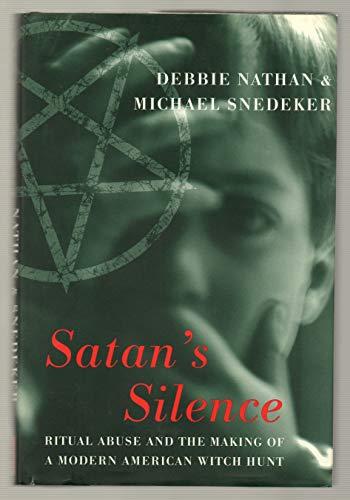
Ritual Abuse And The Making Of A Modern American Witch Hunt
In the episode, Kristen said she had discovered the 1995 work, which compiled 1980s alleged ritual abuse cases and argued they should be re‑examined because of the era’s satanic panic. She explained that reading the book led her to question the accuracy of her own memories, highlighting its role in exposing how social hysteria can shape recollection. The discussion presented the title as a valuable resource for understanding the modern witch‑hunt narrative.
Kristen searched for and found the 1995 book, which listed 1980s cases of alleged satanic ritual abuse and helped her realize many of her memories might have been false.
for a book that Debbie wrote along with a defense attorney. It's called, Satan's Silence, Ritual Abuse and the Making of a Modern American Witch Hunt. And on the first page, she has a list of cases that happened in the 80s that need to be re-examined because of social hysteria around satanic ritual abuse.
Why Your Bitcoin Dreams Are a Total Joke
The hosts explained that a friend had encouraged David Gerard to write a book and suggested the provocative title, which led to the creation of this book. They recounted the suggestion as the catalyst for his entry into publishing, without offering a direct assessment of its content.
The hosts recounted that David Gerard was urged by a friend to write a book, and they suggested the title Why Bitcoin is Stupid, marking his entry into publishing.
David Gerard ... a friend suggested he write a book. I went, that's a good idea. Make it Why Bitcoin is Stupid.
Bitcoin, Blockchain, Ethereum & Smart Contracts
In the episode the hosts explained that the title of the book was derived from the movie Attack of the 50‑Foot Woman, noting the playful reference without further commentary. No recommendation or critique of the book’s content was offered.
The conversation noted that the resulting book was titled Attack of the 50-Foot Blockchain, a name taken from the movie Attack of the 50-Foot Woman.
And that is how Attack of the 50-Foot Blockchain was born. It's named after the movie Attack of the 50-Foot Woman.

Bitcoin, Blockchain, Ethereum & Smart Contracts
The book was brought up when discussing the host's perspective on cryptocurrency, noting that the author, known as a “no‑coiner,” wrote it after a friend suggested he document his skepticism. It was explained that the original working title was “Why Bitcoin is Stupid,” and the final title was inspired by a classic film. The mention served to illustrate the author's critical stance on Bitcoin and blockchain.
David Gerard said a friend suggested he write a book; he first considered the title Why Bitcoin is Stupid, but the project became the published book Attack of the 50-Foot Blockchain.
David Gerard is what crypto enthusiasts call a no-coiner. He'd been following the industry for years when a friend suggested he write a book. I went, that's a good idea.
Make it Why Bitcoin is Stupid. And that is how Attack of the 50-Foot Blockchain was born. It's named after the movie Attack of the 50-Foot Woman.
A Reader
The host introduced the title and read a passage that urged listeners to pause and reflect on transphobia and the humanity of trans people, highlighting its call for empathy and awareness. The excerpt emphasized the personal impact of fear and hate, positioning the book as a meaningful reminder for the audience.
The host introduced the book, noting its subtitle "Pause and Reflect," and read an excerpt urging listeners to pause and reflect on transphobia and the humanity of trans people.
So now I'd like to read from this book, Trans Activism in Canada. It's called Pause and Reflect. Let us pause and reflect for a moment. For transphobia is a mark against humanity. My humanity. Our humanity. For those of us who couldn't come out. For those of us who could not withstand the fear and hate. And for those of us who just had to be themselves no matter what.
The hosts referenced the book while discussing investigative journalism, noting the iconic parking garage scene where a reporter meets Deep Throat. They used it as an illustration of source‑driven reporting. The mention was brief and served as a cultural reference rather than a formal recommendation.
The transcript referenced the famous parkinggarage scene from All the President's Men while describing investigative journalism.
This is the famous parking garage scene from All the President's Men, where Robert Redford is meeting his source, Deep Throat.
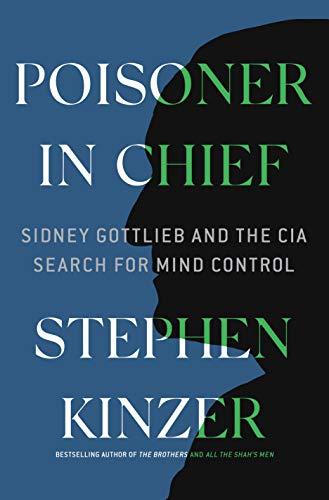
Sidney Gottlieb and the CIA Search for Mind Control
The host mentioned that Stephen Kinzer had written a book about Sidney Gottlieb, labeling him the "Poisoner‑in‑Chief". They referenced it to illustrate the CIA’s mind‑control experiments discussed in the episode. The mention was brief and informational.
The host noted that Stephen Kinzer authored a book about Sidney Gottlieb, referring to him as the Poisoner-in-Chief.
Stephen Kinzer, who wrote the book on Gottlieb, calling him the Poisoner-in-Chief.
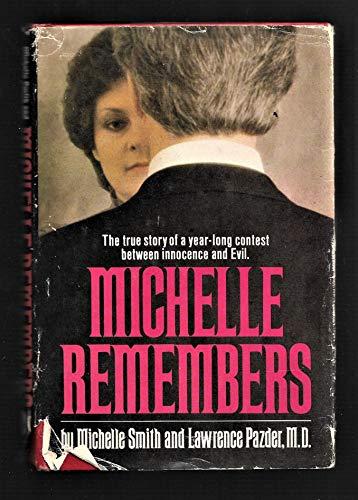
The hosts explained that the memoir was a hugely popular 1980 publication that claimed the author had recovered memories of satanic ritual abuse and later became the central text cited as the spark of the satanic panic era. They noted that many experts referenced the title when pinpointing the origins of the hysteria.
The memoir was described as a hugely popular 1980 publication that claimed the author had recovered memories of satanic ritual abuse, later becoming a central text cited in the satanic panic era.
By 1980, Michelle and Lawrence Pazder had put a book out together called Michelle remembers. And it was hugely popular.
Ken Lanning and just about every other expert, if asked to pinpoint the spark that set off the hellfire, will cite that book. Michelle remembers.
Note: The book recommendations on this page are discovered automatically from podcast transcripts, and may be incorrect or incomplete.
Podcast Name