
Podcast
Behind the Bastards
It was referenced when discussing the CIA's involvement with a neurologist named Harold Wolfe, highlighting Wolfe's theories on mind control and his eagerness for CIA funding.
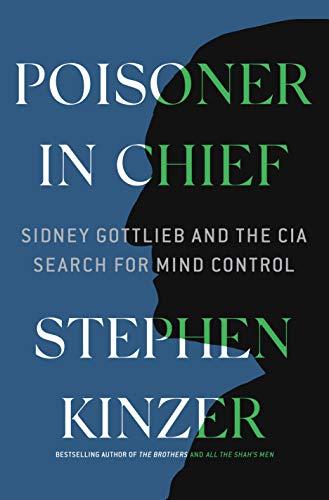
I'm going to quote from Kinzer's Poisoner-in-Chief here.
— Episode: Part Four: MKUltra: When The CIA Tried t...
Episode: Part Four: MKUltra: When The CIA Tried to Destroy...
It was referenced when discussing the CIA's involvement with a neurologist named Harold Wolfe, highlighting Wolfe's theories on mind control and his eagerness for CIA funding.
I'm going to quote from Kinzer's Poisoner-in-Chief here.
Wolfe shared Dulles' fascination with the idea of mind control.
Episode: Part Two: MKUltra: When The CIA Tried to Destroy F...
It was mentioned as providing a detailed analysis of Sidney Gottlieb and his work in the MKUltra program, especially in the context of his perceived patriotism and belief in the urgency of the Cold War.
Stephen Kinzer says that he got them to quote, do things they might not otherwise consider like flirting with strangers or revealing office secrets.
Stephen Kinzer writes that, quote, surviving CIA memos note that heroin was frequently used by police and intelligence officers. And that it and other addictive substances can be useful in reverse because of the stresses they produce when they're withdrawn from those who are addicted to their use.
Stephen Kinzer who writes Poisoner in Chief, which is about Gottlieb, is the guy who I think has done the most detailed workup on Sydney as a man.
I'm gonna quote next from Kinzer's book.
Episode: Part One: MKUltra: When The CIA Tried to Destroy F...
It was mentioned as a source that detailed the CIA's use of traditional interrogation techniques, such as beatings and isolation, on Cardinal Joseph Mindszenty, and how the CIA misinterpreted this as evidence of Soviet mind control.
No evidence of this ever emerged. Minzinty was coerced with traditional techniques like ill treatment, extended isolation, beatings, and repetitive interrogation.
By opening prisons, the agency established its right not only to detain and imprison people in other countries, but to interrogate them harshly while they were in custody without regard for U.S. law.