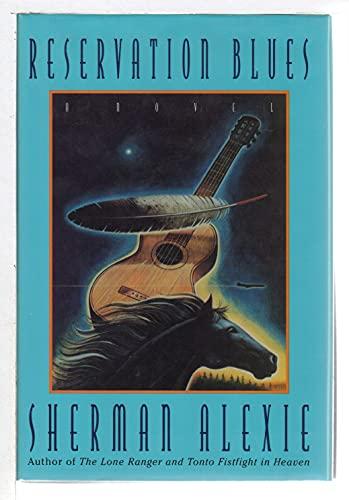
Reservation Blues
Sherman Alexie
Mentioned 3 months ago
‘Eddie and the Cruisers’ With Bill Simmons, Chris Ryan, and Van Lathan
The Rewatchables, a film podcast from the Ringer Podcast Network, features The Ringer’s Bill Simmons and a roundtable of movie lovers from the Ringer universe discussing movies they can’t seem to stop watching. Listen to the complete archives of over 300 movies, including Pulp Fiction, Silence of th...
Recently mentioned
Sherman Alexie
Mentioned 3 months ago
‘Eddie and the Cruisers’ With Bill Simmons, Chris Ryan, and Van Lathan
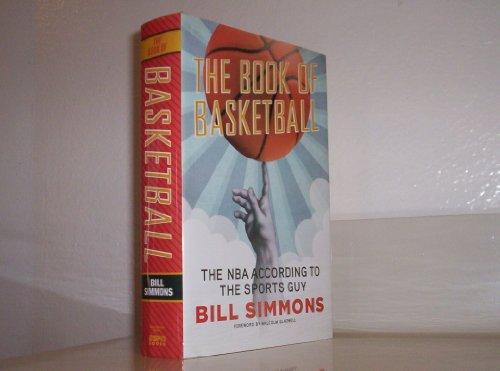
Bill Simmons
Mentioned 5 months ago
‘Zodiac’ With Bill Simmons, Chris Ryan, and Sean Fennessey
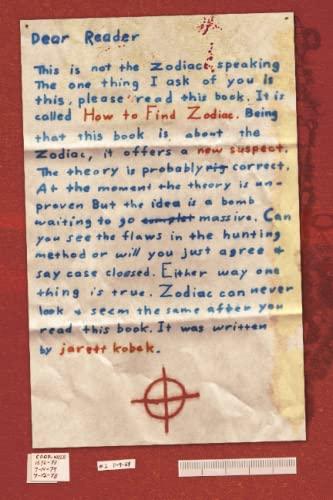
Jarett Kobek
Mentioned 5 months ago
‘Zodiac’ With Bill Simmons, Chris Ryan, and Sean Fennessey
Robert Graysmith
Mentioned 5 months ago
‘Zodiac’ With Bill Simmons, Chris Ryan, and Sean Fennessey
Robert Graysmith
Mentioned 5 months ago
‘Zodiac’ With Bill Simmons, Chris Ryan, and Sean Fennessey
Mat Bradley-Tschirgi
Mentioned 5 months ago
‘Another 48 Hrs’ With Bill Simmons Chris Ryan, and Van Lathan
Yukio Mishima
Mentioned 6 months ago
‘Just One of the Guys’ With Bill Simmons, Kyle Brandt, and Joanna Robinson
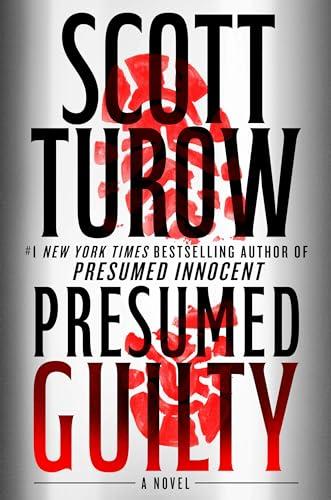
Scott Turow
Mentioned 6 months ago
'What Lies Beneath’ With Bill Simmons, Chris Ryan, and Mallory Rubin
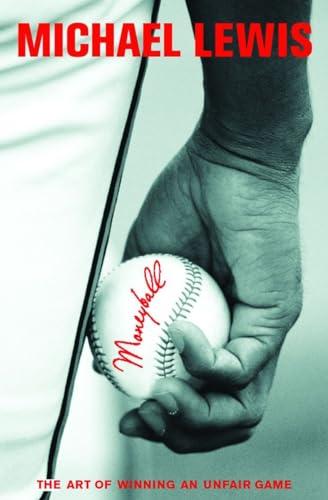
Michael Lewis
Mentioned 6 months ago
‘F1’ With Bill Simmons, Chris Ryan, and Van Lathan
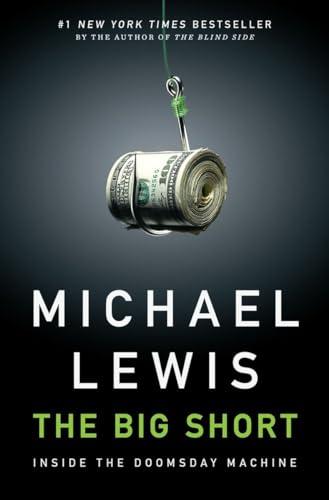
Michael Lewis
Mentioned 6 months ago
‘F1’ With Bill Simmons, Chris Ryan, and Van Lathan
John Steinbeck
Mentioned 7 months ago
‘The Sure Thing’ With Bill Simmons and Chris Ryan
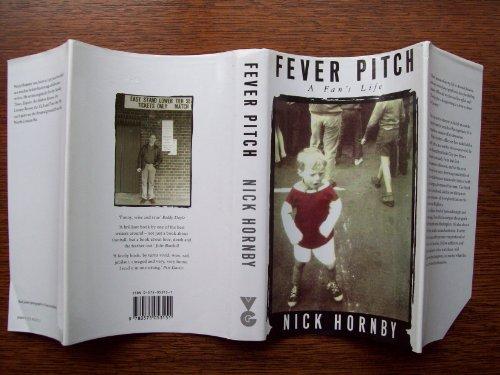
Nick Hornby
Mentioned 7 months ago
‘High Fidelity’ With Bill Simmons, Chris Ryan, Joanna Robinson, and Rob Mahoney
The Art of Winning an Unfair Game
During the episode, Bill Simmons, Chris Ryan, and Cousin Sal referenced the book and highlighted its 0‑2 track record in sports analytics, suggesting it had not proven effective. Their remarks conveyed a critical view of its impact on the field.
They referenced the book and noted its track record of being 02 in the context of sports analytics.
It's also worth noting that Moneyball, the book, is 0-2?
They said the modern sportsmovie era began with Moneyball, noting its impact on how sports stories are told.
It started with Moneyball.
They cited Moneyball as a good example of a story they had discussed, noting its relevance when talking about big movie stars.
Moneyball, that's a good example that they have talked about sometimes where it's like every once in a while, you just wanna see a movie star, a big movie star.
It was listed among classic baseball titles while the hosts discussed their Mount Rushmore of baseball movies, but no further commentary was given.
Bull Durham, Field of Dreams, The Natural, League of Their Own, you know, Moneyball, a couple others just missing the cut.
The hosts mentioned it as a racingmoviestyle film they loved and compared it to other sports movies like Days of Thunder and Ford&Ferrari.
I love racing movies... Moneyball. Cars doing cool shit.
Moneyball was a very cool movie that I like a lot that we've done on the rewatchables.
The hosts referenced the title as a quintessential legal thriller, noting its tight twist and its role in shaping the wave of courtroom movies of the 1990s. Bill Simmons, Chris Ryan, and Sean Fennessey highlighted it as a strong example of the genre that helped inspire many later films.
The podcast participants compared the film's twist to the tension found in Scott Turow's legal thriller, calling it a strong example of the genre.
I think when you watch something like Presumed Innocent or you watch like some of the prestige series where they're like, I'm trying to like stretch this twist out over eight hours.
The hosts mentioned the novel as part of the wave of legal thrillers that inspired many courtroom movies in the 1990s.
To me, it starts there with that and Presumed Innocent. With the Scott Turow book and then Grisham and those books.
They highlighted Bonnie Bedelia's appearance in both the film and the novel "Presumed Innocent."
Bonnie Bedelia ... She's in this and Presumed Innocent, two of the top 12 movies in 1990.
The legal thriller was mentioned as a reference for a fictional book the character might be writing.
He's writing basically his version of Presumed Innocent about Chris Chambers.
The title was brought up in a quick exchange about characters, indicating familiarity with the book's name.
Presumed Innocent? Who's Henry's wife?
The NBA According to The Sports Guy
The hosts praised the book as a favorite, noting its well‑written chapter on the quiz‑show scandal and its engaging coverage of that era. They highlighted how it offered compelling insight into the period.
They highlighted Bill Simmons's book as a favorite that includes a wellwritten chapter on the quizshow scandal and praised its engaging coverage of the era.
Sam's book is fantastic about this, which I haven't read in a while, but the fifties was, uh, really fun and really hit a lot of this has a quiz show chapter in it, uh, about 21.
You can also settle in and catch up with the other ringer favorites, including house of our big picture, even highlights from book of basketball, two point out to watch.
The hosts noted that Brian Koppelman had appeared on The Book of Basketball podcast where they discussed Julia Serving.
He's on The Book of Basketball, me and him talking about Julia Serving.
The host mentioned the book while promoting his own podcast, noting that a new episode would be released later in the week.
Also, The Book of Basketball, my podcast, that has another one coming out on Thursday night.
Don't forget book of basketball is coming at you later this week.
Bill Simmons mentioned that he devoted an entire chapter of his basketball book to KaiserSze, calling it the greatestteam chapter.
I built a chapter of my basketball book built around him. It was the greatest team's chapter
One of the hosts mentioned Book of Basketball 2 as a potential future project, treating it like a source for adaptation.
Book of Basketball 2. I'm going to get Isaiah Thomas. I'm going to be like, hold on. Yeah. Hold on. Wait. What's the secret?
A host noted that the discussed work was the best thing they'd read since the book, using it as a benchmark for quality. This highlighted the title as a highly regarded standard among the show's listeners.
One host claimed the discussed book was the best thing they'd read since this novel, indicating it as a point of comparison.
I think this is the best thing I've read since The Godfather.
The hosts compared The Departed to The Godfather, saying the former was not as good as the classic novel.
Why is this the Irish Godfather? Well, it's by default, really. It's not as good as The Godfather.
The hosts described it as a 1969 "monster book" that spent 67 weeks on the NewYork Times bestseller list and noted that adapting such a popular novel was a major challenge.
Plus this was a monster book. Yeah. So this book came out in 1969. It's been 67 weeks on the New York Times bestseller list. Usually when you make the movie based on the book, people just read the book. It's hard to surprise people.
The novel was described as a "monster book" that debuted in 1969, spent 67 weeks on the New York Times bestseller list, and was considered potboiler trash that Coppola heavily adapted for the film.
Plus this was a monster book. Yeah. So this book came out in 1969. It's been 67 weeks on the New York Times bestseller list.
Coppola clearly, when he read the book and thought about the idea and took a lot out of the book and decided that he wanted to make something that really aspired to serious commentary using old fashioned ideas about story structure and characters.
And also the book was- There's a whole backstory with Puzo, sold the rights. He developed it with Evans.
The hosts referenced the book while discussing the film's themes and script, noting that reading it provided useful context for their analysis. Their mention was brief and served mainly as a point of comparison rather than a strong endorsement.
The hosts mentioned reading the novel Clockers while discussing the film's themes and script.
If you read the novel Clockers, that ...
They recalled that Clockers was a great role for Delroy Lindo and asked if listeners remembered the book.
Clockers. Clockers. Clockers. Great role from him. You remember Clockers, right? Yeah.
The hosts highlighted it as another one of Richard Price's favorite novels.
I mean, he's written two of my favorite books, Lush Life and Clockers.
They compared 25th Hour to Clockers, describing it as the Bside to the novel and noting Clockers as one of Spike Lee's deepest fiction films.
I think it is on, it is the B side to Clockers. I think, I mean, Clockers for me, Clockers for me might be my 25th Hour.
And I think that Clockers is one of his two or three deepest fiction films.
The Story of the American Dream
The classic Stephen King novel was referenced when discussing fullblown creepy moments.
The Shining 7.
— Episode: ‘Hereditary’ With Bill Simmons, Chris Ry...
The classic Stephen King novel was referenced when discussing fullblown creepy moments.
The Shining 7.
The hosts compared watching the film to reading the novel, noting that the movie could be enjoyed on a surface level like the book.
if you just watch The Shining on the surface or even A Clockwork Orange which is a crazy movie but if you just watch ...
The Stephen King novel was mentioned as one of the best adaptations that are not horror.
I think the two best films made out of Stephen King material are the two that are the least horror. They're the ones that are the most real and rooted in human experience... We've already did Rewatchables and The Shining.
The hosts highlighted the book as a suspenseful courtroom thriller worth revisiting, noting its strong legal premise and its role as the source material for the 1992 film. They suggested it could stand alongside other political thrillers and praised Grisham’s continued output. Overall, the discussion was positive, indicating it as a recommended read.
The hosts mentioned JohnGrisham's courtroom thriller as another title that could be revisited for its suspenseful storyline.
The Pelican Brief is when it comes back.
The hosts discussed the 1992 novel as the source material for the film, noting its legalthriller premise and how it could have been swapped with other political thrillers.
Pelican brief instead of all the president's men.
I think they stopped making Grisham movies with runaway jury, but he wrote like 15, 20 more books or whatever.
The Pelican Brief was praised as an incredible idea for both a movie and its original book.
Like Pelican brief is like an incredible idea for a movie and a book.
The hosts reminisced about seeing the book’s adaptation as children, describing it as a terrifying experience that shaped their horror movie conversations. In later discussion they cited it as a benchmark for intense, frightening atmosphere. Both episodes treated it as a cultural reference rather than a formal recommendation.
The hosts recalled watching The Shining as a child, describing it as a frightening experience and noting its influence on their horror movie discussions.
My dad took me to see The Shining.
We saw The Shining.
It reminds me of The Shining.
They referenced the story as a famously frightening movie, using it to illustrate how intense the atmosphere felt.
The people are on edge because it's The Shining, it's one of the most frightening movies.
The book was cited as one of King's top movies, though they noted that King himself didn't particularly like the film adaptation.
Those would be the four best ones. And The Shining he didn't even like.
Like The Shining is just an incredible idea.
A Novel
The hosts noted that the book was a great novel by Tom Wolfe and that it remained on their list of unwatched adaptations. They mentioned they had not yet tackled it but intended to cover it in the future.
The discussion referenced the novel as a work they had not yet tackled, indicating it was on their list of unwatched adaptations.
We haven't done Bonfire of the Vanities yet.
It's a great novel by Tom Wolfe that we still need to cover.
They mentioned that Bruce Willis was miscast in "Bonfire of the Vanities," referring to the noveltofilm adaptation.
Bonfire of the Vanities, in which he's miscast
The hosts referenced "Bonfire of the Vanities" as a notable 80s work they had discussed on the show.
Bonfire of the Vanities is right up there too.
The hosts praised the book as Grisham's best thriller and noted it was his debut novel, inspired by a harrowing courtroom testimony involving a young rape victim. They also referenced it among the pivotal legal‑drama titles that sparked the genre's boom.
The hosts described it as Grisham's best thriller and explained that Grisham wrote it after witnessing a harrowing courtroom testimony, noting it was his first novel.
From the author of The Firm and The Client comes a time audiences will always remember. A riveting thriller. The best Grisham yet.
John Grisham had said he witnessed the harrowing testimony of a 12 year old rape victim and kind of went down the road of what would happen if the girl's father killed the assailants. And that was how he ended up doing a time to kill, which was his, I think the first book he wrote.
The book was referenced in the same enumeration of Grisham titles that fed the legaldrama boom.
The Client, Just Cause, Primal Fear, Time to Kill, Devil's Advocate, 1990. 1997, The Rainmaker, Liar Liar.
One of the speakers expressed love for the book during the conversation.
I love A Time to Kill.
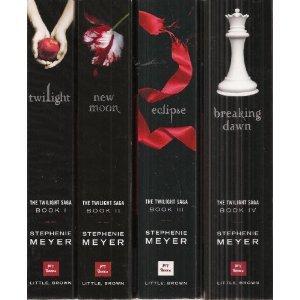
Complete 4 Book Set ( 1 Pb & 3 Hb ) (Twilight (pb) / New Moon (hb) / Eclipse (hb) / Breaking Dawn (hb))
A joke was made about the Bible being placed next to Twilight on a bookstore shelf, highlighting the contrast between the two titles.
The Bible. Oh, that's in bestsellers right next to Twilight.
— Episode: ‘Easy A’ With Juliet Litman, Amanda Dobb...
A joke was made about the Bible being placed next to Twilight on a bookstore shelf, highlighting the contrast between the two titles.
The Bible. Oh, that's in bestsellers right next to Twilight.
The speakers noted that the Twilight books were a massive cultural phenomenon, saying they were really big and had a huge following, even though they themselves hadn't read them.
the Twilight shit was really big. I hate that I'm saying this, Bill, because I don't watch the Twilights or read them, but they were big, they were really big.
Team Jacob, Team Edward
Inside the Doomsday Machine
The panel praised the book for its insight into the financial crisis and compared its impact to the movie, noting it both complemented and eclipsed the film.
I love the book, The Big Short. Big Short as a book.
— Episode: ‘Margin Call’ With Bill Simmons, Ryen Ru...
The panel praised the book for its insight into the financial crisis and compared its impact to the movie, noting it both complemented and eclipsed the film.
I love the book, The Big Short. Big Short as a book.
And then I do think Big Short hurt this movie a little bit because it was so successful.
I want to stay with The Big Short part of it, too, because I mean, look, J.C.'s writing this before.
They referred to it as one of the movies they had rewatched, noting its relevance among other sportsdrama films.
The Big Short was a very cool movie that I like a lot that we've done on the rewatchables.
I think Brad Pitt got $30million for this movie and he's like it's not about the money... The Big Short.
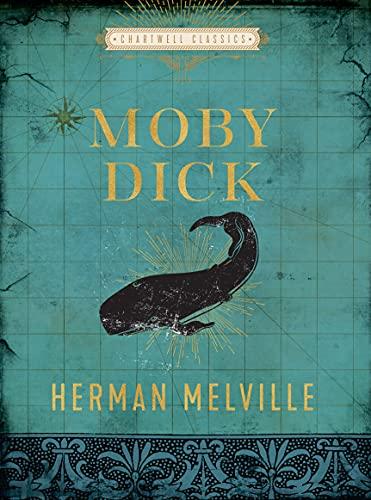
The hosts discussed the book while noting that Herman Melville died poor and was misnamed in his obituary, highlighting his overlooked legacy. They also referenced the title being played on a Walkman to set the atmosphere in a movie scene. Both episodes treated it as a cultural touchstone rather than a direct recommendation.
The hosts noted that Herman Melville wrote the novel, but he died poor and largely forgotten, with his obituary misnaming him.
What's the point of being a writer or an artist anyway? Herman Melville wrote fucking Moby Dick and he was so poor and forgotten by the time he died that in his obituary, they called him Henry Melville.
They mentioned the character listening to Moby Dick on a Walkman, noting the book as part of the movie's atmosphere.
the Walkman with the Moby Dick
Moby Dick on a Walkman
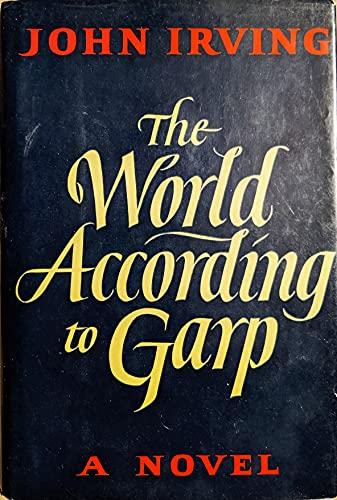
The book was highlighted as one of John Irving's notable works, with the hosts noting it as a favorite of the author’s repertoire. It was also referenced in passing as a beloved film adaptation featuring Robin Williams. The discussion conveyed a positive but brief endorsement of the title.
They mentioned the title as a movie they really loved and placed it among RobinWilliams' notable performances.
World According to Garp, a movie that I really love
They mentioned John Irving's novel The World According to Garp as one of his notable works.
my favorite author is John Irving who wrote, um, world according to Garp and Prayer for Owen Meany
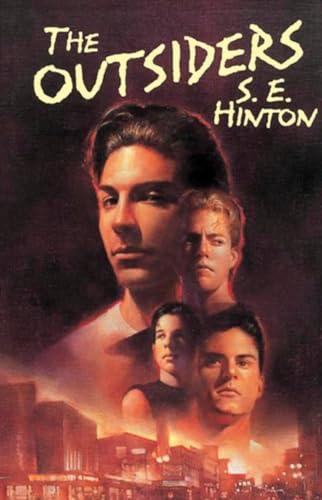
The book was brought up as an example of an 80s teen film featuring a young Rob Lowe, highlighting its role among that era's teenage movies. It later appeared in a quick list of classic teen novels, indicating it was recognized as a notable work of the genre but not deeply discussed. The hosts treated it as a cultural reference rather than a strong recommendation.
They mentioned it as an example of an 80s movie starring a young Rob Lowe, noting it as another teenfilm from that era.
Risky Business is like that too. Cruise is young in that movie, he's like 19. ... or like The Outsiders, like Rob Lowe is like a 15yearold, but this is definitely one of them.
The title was brought up in a quick list of books, paired with Rumble Fish, as part of a casual reference to classic teen novels.
The Outsiders? Rumble Fish? Come on. Rumble Fish sucks.
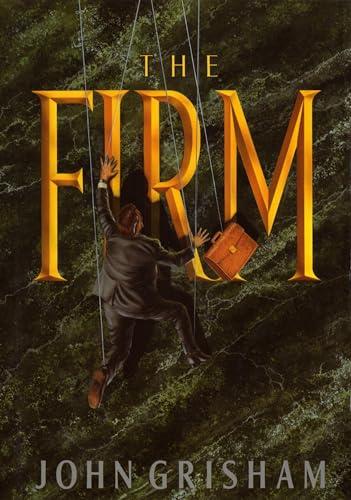
A Novel (The Firm Series)
The hosts highlighted the book as a favorite Grisham novel, recalling it as one of the first rewatchable movies and praising its story. They also noted it among the Grisham titles that helped launch the modern legal‑thriller boom, emphasizing its lasting impact on audiences.
The book was mentioned as a favorite Grisham novel, with the hosts recalling it as one of the first rewatchable movies and praising the story.
From the author of The Firm and The Client comes a time audiences will always remember.
I still really like The Firm. As a movie? As a movie. We did, that was one of the first rewatchables.
John Grisham had said he witnessed the harrowing testimony... and that was how he ended up doing a time to kill, which was his, I think the first book he wrote.
The title appeared in a list of Grisham novels credited with spawning the modern legal thriller boom.
The Client, Just Cause, Primal Fear, Time to Kill, Devil's Advocate, 1990. 1997, The Rainmaker, Liar Liar.
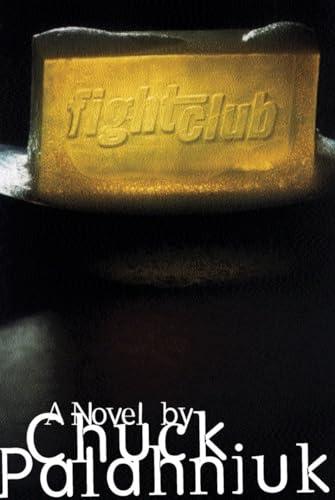
The hosts brought up the novel while analyzing Fincher's penchant for densely layered movies, noting its massive number of scenes and its influence on the film discussed. Bill Simmons and Chris Ryan admitted they had not read the book before seeing the movie, but said the film’s faithfulness inspired them to pick it up afterward, highlighting that while the adaptation tweaked some themes, the core ideas remained intact. They presented the title as a worthwhile read for fans of the movie.
The hosts mentioned the novel while discussing Fincher's penchant for intense, complex movies, noting its massive number of scenes and its influence on PanicRoom.
He did Fight Club and it's an insane movie to make. I think he said Fight Club had 400 scenes in 100 locations is what he said in the DVD commentary, which was nuts.
He thought it would be an easy process to just make a movie set in one location. It turned out it was harder than Fight Club.
The hosts noted that they had not read the novel before seeing the movie, but were prompted to read it afterward; they observed that the film was fairly faithful to the book, though it tweaked some themes.
I remember seeing this movie in the theater. I never read the book. ... It made me read the book after I saw the movie.
Chuck Palahniuk ... writes a book in 96. The movie's pretty faithful to the book.
may be improved on a couple of themes from the book, but the basic themes are these two Tyler Durden quotes, ...
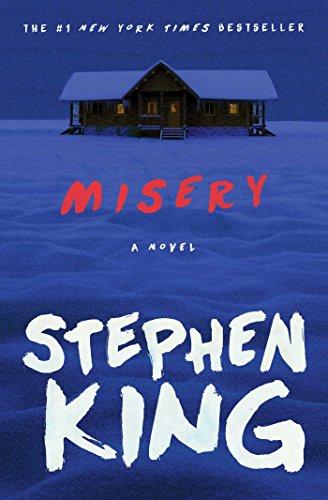
A Novel
The hosts highlighted the novel as a deeply personal work for King, linking its themes to his own addiction struggles and noting that it was the first adaptation he truly liked. They also placed it among the best Stephen King adaptations, mentioning it alongside Shawshank and Stand By Me. Both episodes conveyed strong enthusiasm for the title.
The hosts described the novel as a personal work for King, reflecting his own addiction struggles, and noted it was the first adaptation he truly liked.
From the novel by Stephen King.
When he had Misery, it was such a personal book to him because it's really about his addiction.
I think the movie people who watch this, if they don't know the backstory, they think it's just about a crazed fan, but it's really about the crazed fan in this case is the painkillers and that's in all the shit that he was doing at the time.
I hadn't read the book. Yeah, I had read the book. I can't tell you how horrified the theater was.
The Stephen King novel was mentioned as one of the top King adaptations alongside Shawshank and Stand By Me.
I would put Misery there too though. I think those three.
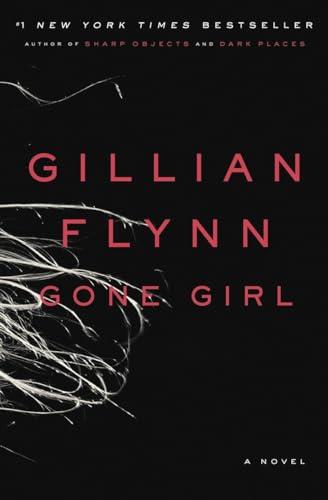
The hosts observed that the twist in the film was widely anticipated because many viewers had already read the novel, and later referenced the title as a major thriller while discussing other projects. Their comments highlighted its cultural prominence rather than offering a specific recommendation.
The hosts noted that the film's twist was widely known because many viewers had already read the novel beforehand.
everyone knew what the twist was because a lot of people had read the book
The novel was mentioned in passing while comparing Affleck's projects to other popular thrillers.
Again, that with Gone Girl where it was like, no, dude, I'm awesome again.
He's in Gone Girl, which was a big one too.
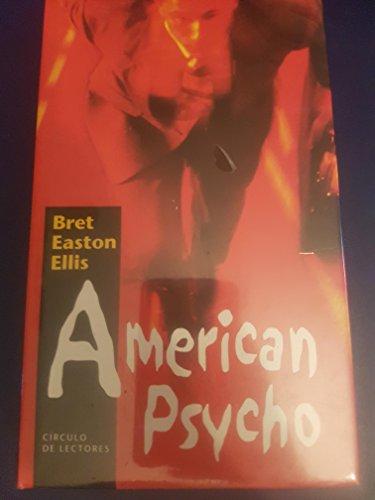
The hosts referenced the book while discussing its cultural footprint, noting that a fictional character had rented it repeatedly as his favorite movie, and later highlighted its status as one of the most frequently challenged titles in school libraries. Both mentions treated the title more as a cultural touchstone than a recommendation, emphasizing its notoriety and impact.
The hosts mentioned the novel American Psycho, noting it was Patrick Bateman's favorite movie and that he rented it 37 times on videocassette, highlighting its cultural impact.
Brett Easton Ellis' American Psycho. This was Patrick Bateman's favorite movie. Talked about it over and over. He rented it 37 times on videocassette.
Mentioned as the 53rd most challenged book, just behind Ordinary People, in a discussion of banned books.
Ordinary People on the list of most banned books in school libraries. Yeah, that's so strange. It was the 52nd most challenged book in schools and libraries from 1999. Narrowly beating out number 53, American Psycho.
Note: The book recommendations on this page are discovered automatically from podcast transcripts, and may be incorrect or incomplete.
Podcast Name