Book Recommendations
The Jordan B. Peterson Podcast
Join intellectual phenomenon Dr. Jordan Peterson for enlightening discourse that will change the way you think. This podcast breaks down the dichotomy of life through interviews and lectures that explain how individuals and culture are shaped by values, music, religion, and beyond. It will give you...
Episodes
464
Books
632
Most Recommended
Friends to Keep in Art and Life
Listen on Audible
7-day free trial
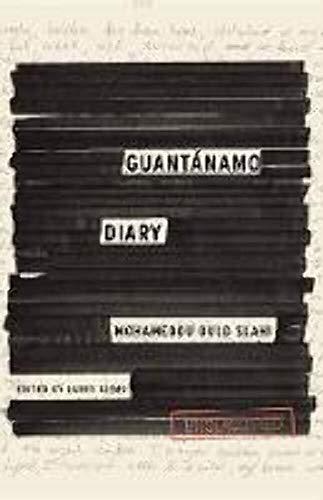
Guantánamo Diary
The book was written while the author was imprisoned in Guantanamo Bay and it details his experiences of being tortured. It was declassified in 2012 by the US government and became an international bestseller in 2015.
"
He wrote a memoir in 2015 while still imprisoned the US government declassified it in 2012 with numerous reductions.
— Episode: 195. Enhanced Interrogation Techniques |...
Listen on Audible
7-day free trial
Episode: 195. Enhanced Interrogation Techniques | Mohamedou...
The book was written while the author was imprisoned in Guantanamo Bay and it details his experiences of being tortured. It was declassified in 2012 by the US government and became an international bestseller in 2015.
"
He wrote a memoir in 2015 while still imprisoned the US government declassified it in 2012 with numerous reductions.
It was the first work by a still imprisoned Guantanamo, Guantanamo detainee published in 2015 became an international bestseller.
It details salahi's experience of being force fed seawater sexually molested subjected to a mock execution repeatedly beaten kicked and smashed across the face.
And all spiced with threats that his mother would be brought to Guantanamo and gang raped prison officials prevented salahi from receiving a copy of his published book.
The Mauritania in a film adaptation of the memoir was released on February 12th this year directed by Kevin McDonald and starring Jodie Foster to hire Rahim Benedict Cumberbatch and Shaline Woodley.
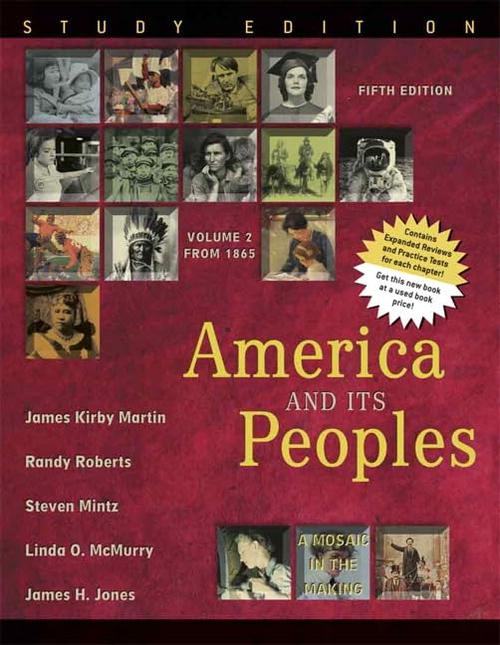
America and Its Peoples
A Mosaic in the Making, Volume 2, Study Edition
It's an academic book about the history of the United States. The author found it useful in learning more about American culture.
"
And the FBI guy, his name was, his name was Rob Sidler. Rob or Sidler, he gave me a book called America and its people.
— Episode: 195. Enhanced Interrogation Techniques |...
Listen on Audible
7-day free trial
Episode: 195. Enhanced Interrogation Techniques | Mohamedou...
It's an academic book about the history of the United States. The author found it useful in learning more about American culture.
"
And the FBI guy, his name was, his name was Rob Sidler. Rob or Sidler, he gave me a book called America and its people.
It's about the history of America you know. You know, it's, you know, and I love history.
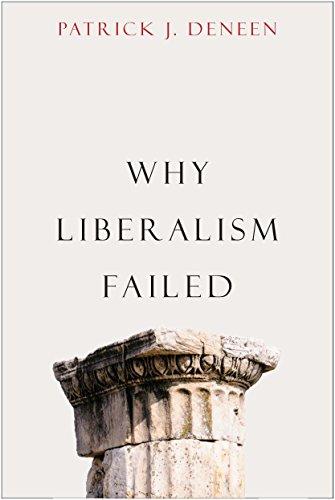
Why Liberalism Failed (Politics and Culture)
The book 'While Liberalism Failed' by Patrick Deneen was mentioned, emphasizing the idea that the success of liberalism might lead to its failure through excessive individualism and the potential erosion of shared culture and values.
"
I don't know if they're familiar with Patrick Deanin and you know some of these. You know like Catholic traditionalists and I he wrote that book while liberalism failed and you know i'm not and it's n...
— Episode: 199. Death, Meaning, and the Power of th...
Listen on Audible
7-day free trial
Episode: 199. Death, Meaning, and the Power of the Invisibl...
The book 'While Liberalism Failed' by Patrick Deneen was mentioned, emphasizing the idea that the success of liberalism might lead to its failure through excessive individualism and the potential erosion of shared culture and values.
"
I don't know if they're familiar with Patrick Deanin and you know some of these. You know like Catholic traditionalists and I he wrote that book while liberalism failed and you know i'm not and it's not my expertise to I don't know anything about like political history and so I can't really you know I can't really like litigate his case form or make a case against it from that perspective but from this perspective of psychology.
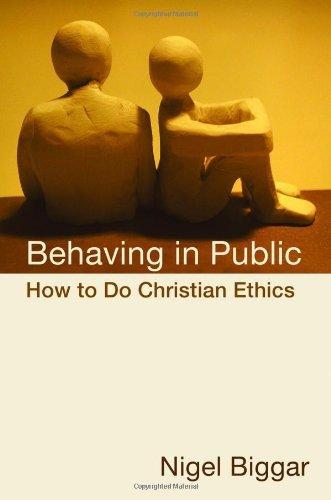
Behaving in Public
How to Do Christian Ethics
This book was published in 2011 and was mentioned as one of Nigel Biggar's publications, alongside What's Wrong with Rights?, Between Kin and Cosmopolis, and In Defense of War. He was described as an Anglican priest, moral and pastoral theology professor, and director of the McDonald Centre for Theology Ethics and Public Life.
"
Among his many books are the recent What's Wrong with Rights? Oxford 2020. Between Ken and Cosmopolus an ethic of the nation 2014 and in defense of war Oxford 2013 as well as Behaving in Publi...
— Episode: 194. Searching for God within Oxford and...
Listen on Audible
7-day free trial
Episode: 194. Searching for God within Oxford and Cambridge...
This book was published in 2011 and was mentioned as one of Nigel Biggar's publications, alongside What's Wrong with Rights?, Between Kin and Cosmopolis, and In Defense of War. He was described as an Anglican priest, moral and pastoral theology professor, and director of the McDonald Centre for Theology Ethics and Public Life.
"
Among his many books are the recent What's Wrong with Rights? Oxford 2020. Between Ken and Cosmopolus an ethic of the nation 2014 and in defense of war Oxford 2013 as well as Behaving in Public how to do Christian ethics 2011 provocative titles.
Biology and Human Behavior
The Neurological Origins of Individuality, Part 1 and Part 2
This book, written by Larry Seedon, was mentioned as a source for the claim that the notion of natural human rights can be found in the 13th century, during the medieval period.
"
I mean this has been established that the notion of natural human rights can be found in the 13th century in the medieval period and Larry Seedon top with Leroy to book called The Origins of Individua...
— Episode: 194. Searching for God within Oxford and...
Listen on Audible
7-day free trial
Episode: 194. Searching for God within Oxford and Cambridge...
This book, written by Larry Seedon, was mentioned as a source for the claim that the notion of natural human rights can be found in the 13th century, during the medieval period.
"
I mean this has been established that the notion of natural human rights can be found in the 13th century in the medieval period and Larry Seedon top with Leroy to book called The Origins of Individuality where he he locates the notion of the value of the human individual in a biblical Christian narrative
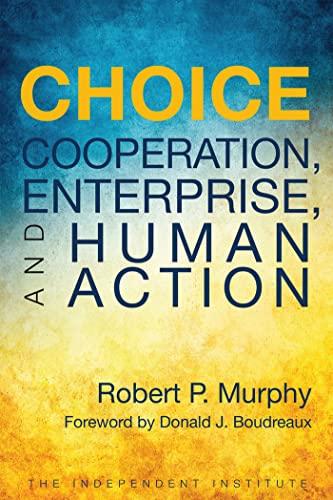
Choice
Cooperation, Enterprise, and Human Action
The author describes this book as a modern distillation of Ludwig von Mises' important treatise on the Austrian school of economics, which focuses on value and human action. He wanted to make the essentials of "Human Action" more accessible for an undergraduate class.
"
And that's really in terms of modern Austrian economics people can read that. But unfortunately, it's something like 900 pages long even though he wrote it in English.
— Episode: 189. Is Property Theft? | Dr. Robert Mur...
Listen on Audible
7-day free trial
Episode: 189. Is Property Theft? | Dr. Robert Murphy
The author describes this book as a modern distillation of Ludwig von Mises' important treatise on the Austrian school of economics, which focuses on value and human action. He wanted to make the essentials of "Human Action" more accessible for an undergraduate class.
"
And that's really in terms of modern Austrian economics people can read that. But unfortunately, it's something like 900 pages long even though he wrote it in English.
And so what I tried to do with my book Choice was to take the essentials of human action and make it about 300 pages or so and the independence to the publisher. They told me make it so that it could be assigned plausibly to an undergraduate class.
Because to me in our times, that's the essential scientific finding of the Austrians that even other free market schools are missing.
So what it is attempting to do is to take saluting van Mises as a giant in the Austrian School of Economics and his magnum opus is called human action. And it's a masterpiece.
And it's a very Germanic formal style of vocabulary is difficult and he assumes the reader is like a Renaissance man or woman and knows lots in various fields.

Lessons for the Young Economist
The author discussed this book as a resource for people who are interested in learning more about economics.
"
He's the author of several other economics books for the lay person as well, including Lessons for the Young Economist and the politically incorrect guide to capitalism in addition to...
— Episode: 189. Is Property Theft? | Dr. Robert Mur...
Listen on Audible
7-day free trial
Episode: 189. Is Property Theft? | Dr. Robert Murphy
The author discussed this book as a resource for people who are interested in learning more about economics.
"
He's the author of several other economics books for the lay person as well, including Lessons for the Young Economist and the politically incorrect guide to capitalism in addition to his scholarly work.
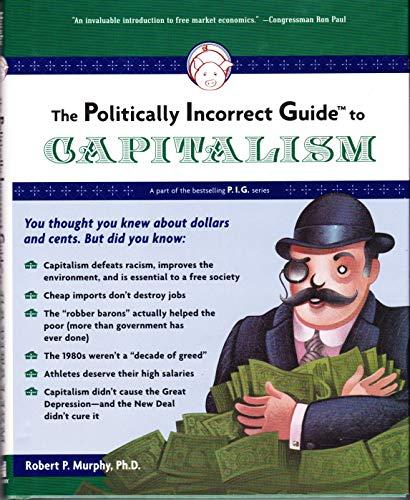
The Politically Incorrect Guide to Capitalism
The author mentioned this book as a resource for people who are interested in learning more about economics.
"
He's the author of several other economics books for the lay person as well, including lessons for the young economist and The Politically Incorrect Guide to Capitalism in addition to...
— Episode: 189. Is Property Theft? | Dr. Robert Mur...
Listen on Audible
7-day free trial
Episode: 189. Is Property Theft? | Dr. Robert Murphy
The author mentioned this book as a resource for people who are interested in learning more about economics.
"
He's the author of several other economics books for the lay person as well, including lessons for the young economist and The Politically Incorrect Guide to Capitalism in addition to his scholarly work.
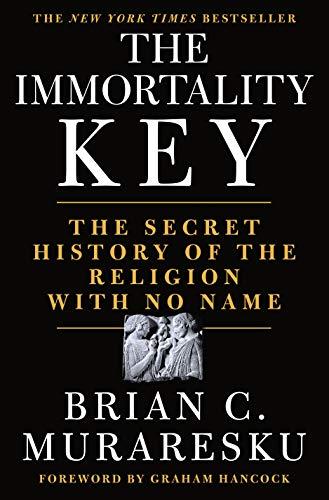
The Immortality Key
The Secret History of the Religion with No Name
The book takes readers on a twelve-year global hunt for evidence to support the theory that ancient Greek sacraments were spiked with mind-altering drugs. It discusses archaeological evidence and the potential influence of these drugs on the development of Western civilization.
"
That's the book here I read it from cover to cover last month. It was as excitingly plotted as Dan Brown's Da Vinci Code which is really saying something given that was a best selling novel and this i...
— Episode: 183. The Immortality Key; Psychedelics a...
Listen on Audible
7-day free trial
Episode: 183. The Immortality Key; Psychedelics and the Anc...
The book takes readers on a twelve-year global hunt for evidence to support the theory that ancient Greek sacraments were spiked with mind-altering drugs. It discusses archaeological evidence and the potential influence of these drugs on the development of Western civilization.
"
That's the book here I read it from cover to cover last month. It was as excitingly plotted as Dan Brown's Da Vinci Code which is really saying something given that was a best selling novel and this is actually a work of adventure, nonfiction, inquiry and scientific exploration all compacted into something that was extraordinarily readable.
The Immortality Key takes its readers on an adventurous 12-year global hunt for evidence.
Mr. Murerscu they author wrote the recent book The Immortality Key, the secret history of the religion with no name which was published by St. Martin's Press in 2020.
And with a single dose of psilocybin the psychopharmacologists said Johns Hopkins and NYU are now producing powerful revelatory religious slash mystical experiences in the lab but the smoking gun remains elusive.
If these sacraments survived for thousands of years in our remote prehistory from the stone age to the ancient Greeks, did they also survive into the age of Jesus was the Eucharist of the earliest Christians in fact a psychedelic Eucharist?
Some Said They Blundered
Breaking My Decades Of Silence On Mike Bickle, The Kansas City Prophets and International House of Prayer- Kansas City
The book, written by Gordon Wasson, argues that the ancient Indo-Aryan people used the fly agaric mushroom, known as *Amanita muscaria*, as their sacred entheogen, Soma. This hypothesis is now widely accepted as a credible explanation for the origins of the Soma rituals.
"
Well certainly compared to the other things he did it was it was very run of the mill occupation and he wrote this famous book Soma which which is well accepted now I think as an authoritative authori...
— Episode: 183. The Immortality Key; Psychedelics a...
Listen on Audible
7-day free trial
Episode: 183. The Immortality Key; Psychedelics and the Anc...
The book, written by Gordon Wasson, argues that the ancient Indo-Aryan people used the fly agaric mushroom, known as *Amanita muscaria*, as their sacred entheogen, Soma. This hypothesis is now widely accepted as a credible explanation for the origins of the Soma rituals.
"
Well certainly compared to the other things he did it was it was very run of the mill occupation and he wrote this famous book Soma which which is well accepted now I think as an authoritative authoritative hypothesis at least that the ancient Hindus in particular were using emanita mascaria the flyagaric the red mushroom with white dots the fairy tale mushroom as an entheogen in your terminology and Albert Hoffman who discovered LSD and you co-authored this book the road to alloysus in 1978 and so first of all like what was that like and why did they pick you and then we can get into what the consequences of that were.
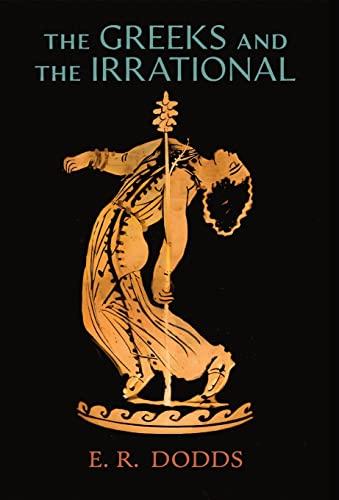
The Greeks and the Irrational
This book, written by E.R. Dodds, explores the presence of irrationality and mystical experience in ancient Greek culture, contradicting the traditional view of the Greeks as purely rational thinkers. It was influential in shifting perspectives on Greek thought and religious practices.
"
And so I was at a chairman's meeting in his office and he was talking to us about we had to stress the fact that publications were necessary for advancement and then he looked at me and he said unless...
— Episode: 183. The Immortality Key; Psychedelics a...
Listen on Audible
7-day free trial
Episode: 183. The Immortality Key; Psychedelics and the Anc...
This book, written by E.R. Dodds, explores the presence of irrationality and mystical experience in ancient Greek culture, contradicting the traditional view of the Greeks as purely rational thinkers. It was influential in shifting perspectives on Greek thought and religious practices.
"
And so I was at a chairman's meeting in his office and he was talking to us about we had to stress the fact that publications were necessary for advancement and then he looked at me and he said unless it's a publication by the vanity press and I had nothing to do with the publication and Harcourt Braze was not a vanity press and Watson didn't pay for the publication so that would be with the definition of man de presses and on Harcourt Braze is certainly not a vanity press I mean there's no doubt about that and Helen Wolfe her son of his very interested in the work he's the classicist and she was our particular editor but I was labeled as publishing with vanity press and he disliked me from that point on
he was not one of those people that was interested in Greek irrationality and so I was at a chairman's meeting in his office and he was talking to us about we had to stress the fact that publications were necessary for advancement and then he looked at me and he said unless it's a publication by the vanity press and I had nothing to do with the publication and Harcourt Braze was not a vanity press and Watson didn't pay for the publication so that would be with the definition of man de presses and on Harcourt Braze is certainly not a vanity press I mean there's no doubt about that and Helen Wolfe her son of his very interested in the work he's the classicist and she was our particular editor but I was labeled as publishing with vanity press and he disliked me from that point on well and you you believe it was because why because of his his belief in the rationality particular rationality of the greed not the Dionysian element he was a very key element yes absolutely and he was a very divisive figure and so it became a way for people who wanted to advance themselves to denigrate me so I call these in my department who turned against me because that way they could climb up on my corpse and and promote themselves it's all changed I mean the people who were involved are no longer there except for a few people who are my friends and they're not hostile to me at all now but it was a very divisive period at passing diversity and to put to put Carl's experiencing context maybe this is in the late 1970s one of Carl's colleagues at the time was Howard Zinn who famously wrote a people's history of the United States published in 1980 you know John Silver who was the president of B.W. at the time this sort of no nonsense no nonsense Texan of conservative Presbyterian roots he didn't have the best relationship with Howard Zinn either he would deny the Marxist as he called him sabbaticals promotions and pay raises and you know Silver was no fan of the anti-war movement or revolutionaries and the idea of you know aligning the psychedelic gospels of enlightenment from Tim Leary and others with this with this anti-war movement was not was not welcome on campus in the late 70s or to suspect that a faculty member was going to introduce students to drugs which was of course not anywhere in the realm of possibility right but there I guess there's that the what would you say the uncertain consequence of taking this sort of hypothesis seriously right which is an uncertain there are uncertain consequences it's a very damage proposition because it opens up to the possibility that religious experience or spiritual realities are a part of our basic nature as humans
I think psychedelics are just one twist on this Gilgamesh goes down to the bottom of the ocean like Pinocchio does and he brings back the herb of immortality but it's stolen it's I believe by a snake on the way back is that that's the case is that's the story there's that a shamanic story as well yes and so we go out to the edge of the world together wisdom but on the way back we lose it and we can't bring it back or we can only bring back fragments of it we're not capable of bringing back at all once you wake up it's hard to remember the dream
I think psychedelics are just one twist on this Gilgamesh goes down to the bottom of the ocean like Pinocchio does and he brings back the herb of immortality but it's stolen it's I believe by a snake on the way back is that that's the case is that's the story there's that a shamanic story as well yes and so we go out to the edge of the world together wisdom but on the way back we lose it and we can't bring it back or we can only bring back fragments of it we're not capable of bringing back at all once you wake up it's hard to remember the dream that's a good place to stop but we could add one thing yes definitely one very important technique is to enter the dream world and when you dream and don't decide you want to wake up but carry consciousness into the dream in which case you've entered this world you're in the spirit world you're in control of everything have you been able to lose a dream yes are you an avid practitioner I used to practice it more than I do now because I came to realize that what I was trying to do was die there's no sense in hurry in the process well I mean once it once you do that once you dissociate your spirit from your body you might decide you don't want to go back in again and that's what happens when you die but the moment when you do that when you bring consciousness into your unconscious reality is extremely orgasmic pleasant feeling thank you very much Brian thank you Jordan much appreciated thank you thank you thank you appreciate your candor to say the least and your work for that matter you know you're you're participating in something that's of staggering significance thank you you

Two Essays on Analytical Psychology
This book, written by Carl Jung, explores the dynamics between the conscious and unconscious parts of the mind. It is a foundational work in Jungian psychology and touches upon themes of symbolism, archetypes, and the process of individuation.
"
do you have you ever read relations between the ego and the unconscious by Carl Jung just out of curiosity I have yes okay okay because he he provides some psychological hygiene tips and precisely tha...
— Episode: 183. The Immortality Key; Psychedelics a...
Listen on Audible
7-day free trial
Episode: 183. The Immortality Key; Psychedelics and the Anc...
This book, written by Carl Jung, explores the dynamics between the conscious and unconscious parts of the mind. It is a foundational work in Jungian psychology and touches upon themes of symbolism, archetypes, and the process of individuation.
"
do you have you ever read relations between the ego and the unconscious by Carl Jung just out of curiosity I have yes okay okay because he he provides some psychological hygiene tips and precisely that regard although for him I don't know if it was a consequence of knowing anything about losing a genocuse but the reason I got into classics I was originally going to be a psychiatrist and I did pre-med but I had a philosophy course at Yale and the philosophy to you was one of those charismatic young guys and he said you're studying psychology psychiatry because you're interested in the soul and you think that psychiatry will give access to the soul but the psychiatry is a doctoring medicine profession it deals with six souls and it's true I was really interested in psychiatry because I was fascinated by the delusional reality is that reported in case history is not very much wondered what they meant and was dying to experience safely that kind of delusional reality but he said if you want to study the soul you have to study the humanities and so I took seriously what he said and thought that classics was the most basic of the humanity so I swished into classics but I was interested in the soul to begin with now so you're you're a trained classist who experimented with psychedelic substances so my presupposition is that you're training as a classist likely influenced and expanded your experiences with psychedelic substances it would provide its structure and content it gave me the I mean I came in withologist mythology gives me a framework for understanding a way of structuring imaginary reality let's call that
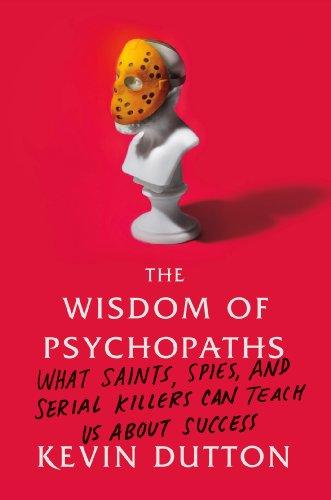
The Wisdom of Psychopaths
What Saints, Spies, and Serial Killers Can Teach Us About Success
This book, written by Kevin Dutton, explores the characteristics of psychopathy and argues that certain psychopathic traits can be beneficial in certain contexts, such as in business or leadership roles. It is a controversial book, challenging traditional views of psychopathy.
"
even Carl and even scholars who don't support the psychedelic hypothesis necessarily and I'm thinking of maybe Peter Kingsley who's also a great inspiration well nonetheless talk about the wisdom yes...
— Episode: 183. The Immortality Key; Psychedelics a...
Listen on Audible
7-day free trial
Episode: 183. The Immortality Key; Psychedelics and the Anc...
This book, written by Kevin Dutton, explores the characteristics of psychopathy and argues that certain psychopathic traits can be beneficial in certain contexts, such as in business or leadership roles. It is a controversial book, challenging traditional views of psychopathy.
"
even Carl and even scholars who don't support the psychedelic hypothesis necessarily and I'm thinking of maybe Peter Kingsley who's also a great inspiration well nonetheless talk about the wisdom yes in the dark places of wisdom or his book reality he gets into Kingsley goes into great detail about these cave techniques and these incubatory techniques practiced by Pythagoras and his basement that he built for these techniques in Italy entering into these these states of trance the these cataleptic states of trance you know beyond time beyond space with this kind of apparently near death state this this was practiced by the likes of Pythagoras parmenides and pediclys the these priestocratics with or without drugs would enter into these states to commune with the goddess and bring back the things that we would call at least part of western civilization so I mean these the these states of non-arachinality you know I think this is relatively accepted by classes as Carl this goes back to ER ER dots the groups and the and the irrational a couple generations ago so I think psychedelics are just one twist on this Gilgamesh goes down to the bottom of the ocean like Pinocchio does and he brings back the herb of immortality but it's stolen it's I believe by a snake on the way back is that that's the case is that's the story there's that a shamanic story as well yes and so we go out to the edge of the world together wisdom but on the way back we lose it and we can't bring it back or we can only bring back fragments of it we're not capable of bringing back at all once you wake up it's hard to remember the dream
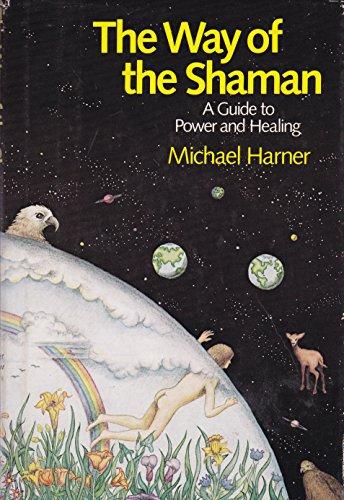
The Way of the Shaman
A Guide to Power and Healing
This book, written by Mircea Eliade, explores the nature and practices of shamanism across various cultures. While the book argues that shamanism is a deviation from the historical norm, it is considered a significant work in the study of religious and spiritual traditions.
"
Merch Eliada who worked with Caranhean also with Jung wrote a great book on shamanism I don't know if you're you know the book you you likely do but Eliada claimed that the use of hallucinogens among...
— Episode: 183. The Immortality Key; Psychedelics a...
Listen on Audible
7-day free trial
Episode: 183. The Immortality Key; Psychedelics and the Anc...
This book, written by Mircea Eliade, explores the nature and practices of shamanism across various cultures. While the book argues that shamanism is a deviation from the historical norm, it is considered a significant work in the study of religious and spiritual traditions.
"
Merch Eliada who worked with Caranhean also with Jung wrote a great book on shamanism I don't know if you're you know the book you you likely do but Eliada claimed that the use of hallucinogens among shaman the shaman practitioners was a deviation from the historical norm but I think the bulk of the evidence that's been accrued since Eliada wrote his great book because it is a great book shamanism it's a great book I think he was wrong about that I think it's absolutely crystal clear that throughout human history for at least 50,000 years perhaps longer than that our spiritual guides especially in the archaic world were using whatever hallucinogenic substances they could get their hands on with their vast knowledge of local biology to produce these mystical experiences and we have no idea to what degree that shaped us culturally or how that shaped our religious structures beliefs presumptions all of that and so that would make elusis a continuation of the shamanic tradition and so I think it fits nicely into the anthropological literature in that manner

Napoleon and His Marshals
It was recommended by his father at age 13, and helped to spark a lifelong interest in Napoleon. It is a well-known book, and a very readable one.
"
He he handed me a book and he said obviously it's not for me to tell you what to read. But I do recommend this and if you just read a few pages in it, I think you will want to continue and it was a G...
— Episode: 181. Baron Black of Crossharbour | Lord...
Listen on Audible
7-day free trial
Episode: 181. Baron Black of Crossharbour | Lord Conrad Bla...
It was recommended by his father at age 13, and helped to spark a lifelong interest in Napoleon. It is a well-known book, and a very readable one.
"
He he handed me a book and he said obviously it's not for me to tell you what to read. But I do recommend this and if you just read a few pages in it, I think you will want to continue and it was a G McDonald's book Napoleon and His Marshals.
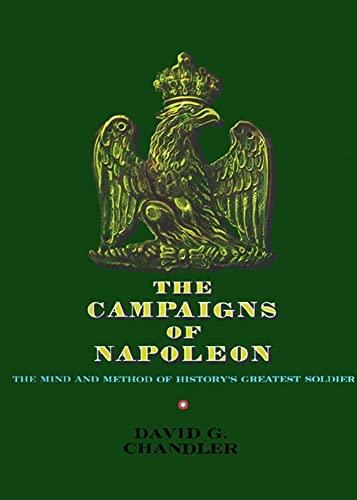
The Campaigns of Napoleon
It was described as a "tremendous work of scholarship and very well written", and was cited alongside EG Macdonald's book, "Napoleon and his Marshals."
"
To people interested in the Poland it's a very famous book and for example one of the great tomes on the podium David Chandler's campaigns in the polio in a book of 1300 pages of tremendous work of sc...
— Episode: 181. Baron Black of Crossharbour | Lord...
Listen on Audible
7-day free trial
Episode: 181. Baron Black of Crossharbour | Lord Conrad Bla...
It was described as a "tremendous work of scholarship and very well written", and was cited alongside EG Macdonald's book, "Napoleon and his Marshals."
"
To people interested in the Poland it's a very famous book and for example one of the great tomes on the podium David Chandler's campaigns in the polio in a book of 1300 pages of tremendous work of scholarship and very well written.

The Pursuit of Love (Folio Society)
This was a novel about real people with the names changed. The author passed away, but Conrad Black met her sisters and was able to connect the book with real people.
"
And in slightly different fields another one some years later of two or three years later he he gave me a copy of Nancy Mithrid's pursuit of love now it's a novel but about real people but the names c...
— Episode: 181. Baron Black of Crossharbour | Lord...
Listen on Audible
7-day free trial
Episode: 181. Baron Black of Crossharbour | Lord Conrad Bla...
This was a novel about real people with the names changed. The author passed away, but Conrad Black met her sisters and was able to connect the book with real people.
"
And in slightly different fields another one some years later of two or three years later he he gave me a copy of Nancy Mithrid's pursuit of love now it's a novel but about real people but the names changed and and it was a particular satisfaction to me.

Windshield Wiper Blades 20" + 21" Wiper Windshield Wiper Blades (set of 2) - Series
HH998HK
This book was written in response to accounts of his career that he found inaccurate, and was designed to set the record straight.
"
And as you kind of mentioned it said i written eight since then they've all been from modestly to very successful and and and i like being right and i wouldn't i absolutely would not have had the time...
— Episode: 181. Baron Black of Crossharbour | Lord...
Listen on Audible
7-day free trial
Episode: 181. Baron Black of Crossharbour | Lord Conrad Bla...
This book was written in response to accounts of his career that he found inaccurate, and was designed to set the record straight.
"
And as you kind of mentioned it said i written eight since then they've all been from modestly to very successful and and and i like being right and i wouldn't i absolutely would not have had the time to do it if i'd had to uh be a functioning chief executive of a two billion dollar a year sales company i mean it is it it is a full-time job and you've got to do it right so when you when you look back what do you think you did right if you're there's lots of people who are watching this interview who are trying to put their lives together one way or another and looking for guidance in their attempts to do that what what is it that you've done or what is it that you've seen other people do that you admired and that were successful that we're was particularly was particularly productive and useful and meaningful let's say and maybe even right well i think people who do what they have an aptitude to do are much happier than that unfortunately very large number of people who are stuck in occupations they don't like so it's been my quick fortune that um either i was able to do what i wanted to do and and had some aptitude to do i was able to make that choice or i i locked into it i didn't realize i had absolutely no idea that i had an aptitude for it but as it turned out i did you see i mean i is it it's like anything else i guess i had always assumed that practically anybody who wrote a book of history really knew a lot about it i was competent writer and did a good job well now that i've done some of them i mean as you said i wrote a book about president franklin d ruswell there's a vast literature about ruswell and some of the people have written about him been very good but a lot of them it's rubbish absolute rubbish it's not well written and it's not accurate and they miss a lot of things it's even more so the case with mr. nix name so terribly controversial and um uh and indeed the reason i wrote about this to man was to fill a gap i never write where i think i have nothing you do add i felt that ruswell was divided between worshipers and the these people uttering this nonsense about him being a communist and the traitor that was class who gave eastern europe way to stalinels kind of nonsense and and and the thing to do was to was to put it out he was neither a saintly man nor a communist he was extremely important and capable and talented political leader and leader of the government but but for for the reasons i enumerated not out of canton the emotionalism and it was with mr. nix and he was he he'd just impillar it as a essentially a man with a clove and feet and horns on his head you know and then he wasn't it was very good president and um and there by the way there's still no probative evidence that he committed to crimes he admitted himself he made some serious mistakes and certainly some of the people most entourage committed crimes but there's no evidence that he did and and and the one term that he served was one of the most successful in the history of the country if you if you take into account that when he came in there were 550,000 american draftees at the ends of the area with no exit plan 200 to 400 coming back dead every week no relations with china no arms control talks riots everywhere in the US every week all of the place he stopped all that i think it's very very good president anyway um so i got it was reassuring to me that i could actually do that because i'd always assumed before that the people who did it did it adequately will some of them do but the lot of them don't and there's always room for improvement or almost always and um so i so i you know i gradually my horizons expanded and now i'm in finance and rebuilding my fortunes somewhat but the exact opposite to how i began in in business where i mean as far as anyone in the public would know where because i took over a company that was made famous by very famous businessman e-p-tailor and bud and mcgold in particular i was in the public eye all the time and as a young man it's naturally going to be irritating to a lot of people well now i'm not i mean i am up to a point but as a commentator no one has a clue what businesses are there private and they're in different countries and and they know you know no one knows and so i don't have that problem of sort wrestling with the public relations monster all the time and um uh yeah i think you mentioned in one of the books that i read that you in retrospect wish that you would have handled the public relations end of things i suppose in a more sophisticated manner or earlier and you didn't realize how critically important it might be is that am i recalling that accurately is that a fair solution with them substantially so yes but my my my view was there's no way to avoid a lot of attention so what i should do is meet it head on and at least uh cause to be discarded the caricature that all business people are fundamentally stumble bombs itself expression i can't actually give a fluent explanation of what i'm doing and secondly to advance the idea that business is in fact not just a bunch of grubby businessmen scruffing for cash it actually isn't an interesting subject and i thought i thought those were correct premises and i was successful at that but but but where what you said is exactly right is i didn't i didn't appreciate as much as i should perhaps should have or would have if i were more experienced uh how tired people can get of someone who doesn't have a natural call in her attention i think this incidentally was one of the chief problems of the immediate former president of the US he he always believed i've known him a long time he always believed that there was no such thing as bad publicity no matter how apparently negative it was well up to a point he was right but not it he it wasn't right once he became president because once he got to be the in Roosevelt's phrase ahead of the American people he didn't need the publicity and he didn't he didn't want to was undignified for him to be seeking a blood alone from the tolerate so much of it to be beating sessions whereas whereas enemies challenged him and he responded i mean he had reached a position where you can safely rise above most of that and just spoke when you have some speak when you have something to say um i win my book about rice belt there's a little piece in a lettery sent to um someone who had been a colleague of his in the Wilson administration where he was saying how how a president has to know when to be in front of the public and when not when it will irritate the public and when not well i i wish i had obviously i never had a position of one percent of the consequence of being president of the US but i i wish i had taken that on board even at the modest scale of where i was you know before i embarked on this but but you know part of surviving and growing older is your learning things i think perhaps that's a good place to stop okay well i i kept you too long i hope i hope uh either people find somebody interesting or if not they should put it on when when they're afraid they may be suffering from insomnia well look thank you extremely for talking with me today and for uh always a pleasure always a pleasure Jordan i appreciate it very much and and i hope we get to do it again there's many things that we didn't talk about i i didn't talk about any of your opinions about current about current affairs or or or about the future many things that i would have like to have discussed but no we can do it another time if you want great
Note: The book recommendations on this page are discovered automatically from podcast transcripts, and may be incorrect or incomplete.