Numbers That Preach
Troy A Brewer
Mentioned 4 months ago
Day 53: The Twelve Tribes of Israel (2026)
In The Bible in a Year podcast, Fr. Mike Schmitz walks you through the entire Bible in 365 episodes, providing commentary, reflection, and prayer along the way. Unlike any other Bible podcast, Ascension’s Bible in a Year podcast follows a reading plan inspired by The Great Adventure Bible Timeline,...
Recently mentioned
Troy A Brewer
Mentioned 4 months ago
Day 53: The Twelve Tribes of Israel (2026)
Wilkan
Mentioned 4 months ago
Day 53: The Twelve Tribes of Israel (2026)
Deborah Madick
Mentioned 4 months ago
Day 53: The Twelve Tribes of Israel (2026)
Lin Johnson
Mentioned 5 months ago
Day 45: Pray for Priests (2026)
Ascension Press
Mentioned 5 months ago
Day 39: Slavery in the Old Testament (2026)
Ryan Whitaker Smith
Mentioned 5 months ago
Day 39: Slavery in the Old Testament (2026)
Scott Hahn
Mentioned 7 months ago
Day 344: The Thorn in Paul's Side (2025)
Scott Hahn
Mentioned 7 months ago
Day 338: Death Defeated (2025)
ESV Bibles
Mentioned 1 year ago
Day 280: The People of the Covenant (2024)
Scott Hahn
Mentioned 1 year ago
Day 280: The People of the Covenant (2024)
Max Lucado
Mentioned 1 year ago
Day 280: The People of the Covenant (2024)
Ken Johnson
Mentioned 1 year ago
Day 268: Rebuilding the Temple (2024)
Lessons in Leadership
It was summarised in the final moments of the book, where the people of Israel were unfaithful and marrying foreign wives, which Fr. Mike connected to our lives.
The book of Nehemiah chapter 13.
— Episode: Day 281: Good and Evil (2023)
It was summarised in the final moments of the book, where the people of Israel were unfaithful and marrying foreign wives, which Fr. Mike connected to our lives.
The book of Nehemiah chapter 13.
So Nehemiah he's finishing strongly what happens what always happens remember I mean golly yesterday we kind of talked about how here's the story and here's how it unfolded all the way back to Abraham Isaac and Jacob and then here's slavery in Egypt and instead being set free here's Moses and Joshua all those folks and unfaithfulness faithlessness essentially and they were doing well I mean yes we had the prophets who had to speak to the people who had come back from exile because they weren't building the temple right away because they weren't building the walls and yet there seemed to be less idolatry there seemed to be less division seemed to be more faithfulness and what happens Nehemiah goes back to spend some time his summers with King Artaxerxes he went back to spend some time with Artaxerxes who had just let him go on alone right it wasn't like he had sent Nehemiah free from his service he had given him the chance to go to Jerusalem and Judah and rebuild the walls to have this project of renewal and he did that so he had to of course go back to Artaxerxes and check in and all those things he comes back and what happens when he comes back and well it seems like the more things change the more things stay the same and so the people had been unfaithful and so what has to happen is he takes charge of all these things and makes sure that people who have corrupted temple worship no longer corrupt temple worship and people who have intermarried are no longer making those steps you know and again even cites King Solomon this is one of those huge pieces for us that just gosh you know Saint Paul's going to say this towards the end of the New Testament as well where that sense of you know if you want to have a family united in faith don't start it out disunited in faith that is not wise it is not a wise thing to do and here is Nehemiah at the very last chapter last section of the last chapter in this whole book of Nehemiah saying did not Solomon king of Israel sin on account of such women on account of such marriage there was no king like him and he was beloved by his God and God made him king over all Israel nevertheless foreign women made even him to sin you know basically that so are we going to do any differently and and that's a key for us later on of course in the book of Malachi
Chapters 5 and 6 of the book were read and discussed. It was mentioned that the rebuilding of the temple was put on hold in chapter 4 and resumed in chapter 5, with the help of the prophets Haggai and Zechariah.
But for Ezra today, we went through a couple of chapters, right? Five and six.
One is that in chapter four, the rebuilding of the temple was put on hold and in chapter five, it's resumed.
Why is it resumed? Well, this is where we have this incredible confluence in the coming together of the book of Ezra as well as the books of the prophets Haggai and Zechariah, because chapter five begins with, 'now the prophets Haggai and Zechariah prophesied to the Jews who were in Jerusalem and Judah that basically go start rebuilding and the prophets of God were helping them.'
It was described as a narrative book that plays a part in detailing the return of the Israelites from exile, including the struggles they faced.
And when you enter this period of the return, the two narrative books that you're going to be really focusing on are Ezra and Nehemiah.
And then in the second wave back from captivity, Ezra, and Ezra is going to bring back, I guess you could say, or revitalize the people with the Word of God. He's going to teach the Word of God.
The book of Nehemiah was discussed, specifically the final chapter where Nehemiah returned to Jerusalem and found the people unfaithful. It was said that he dealt with issues such as corruption of temple worship and intermarriage.
We have the final chapter in Nehemiah.
The book of Nehemiah chapter 13. Foreigners separated from Israel.
Nehemiah goes back to spend some time, his summers with King Artaxerxes.
He comes back and what happens? Well, he comes back and well, it seems like the more things change, the more things stay the same. And so the people had been unfaithful.
And so what has to happen is he takes charge of all these things and makes sure that people who have corrupted temple worship no longer corrupt temple worship, and people who have intermarried are no longer making those steps. And again, he even cites King Solomon.
It is described as one of the books central to understanding the return period, providing a detailed account of the return, the problems faced, and the rebuilding of the temple and walls.
And by the way, you know, when you enter this period of the return, the two narrative books that you're going to be really focusing on are Ezra and Nehemiah.
And so when you read Ezra and Nehemiah, you're going to get a play-by-play of the return, the problems that they faced in returning, the problems that they faced in rebuilding the temple and the walls around Jerusalem.
You have in the second wave back from captivity, Ezra.
It was mentioned as a book that would be discussed later in the podcast in relation to the return of the Israelites to Jerusalem after the 70 years of exile.
but then there's also this prophecy about almost 500 years after this an anointed one is going to come and again this is one of those things where we're like wait a second is that Jesus because the timeline actually depending on how you interpret it right and depending on how you say okay when did this almost 500 years start and when did it end exactly is a prophecy of the anointed one not just an anointed one but the one who would come and establish a kingdom without end.
The reading included Nehemiah Chapter 12, which listed the priests and Levites, and marked the conclusion of the book, reflecting on the resilience of the Jewish people.
Dedication of the Wall of Jerusalem. And at the dedication of the Wall of Jerusalem they sought the Levites in all their places to bring them to Jerusalem to celebrate their dedication with gladness, with thanksgivings and with singing, with symbols, harps and liars.
The joy of Jerusalem was heard afar off.
Genesis
It was mentioned as the first book of the Bible, and the stories from it were described as familiar to many listeners.
I think up to now is a lot of the stories that people are familiar with. They're the stories that people are like, okay, yeah, these are the stories of Adam and Eve and Noah and Abraham and Isaac and...
— Episode: Introduction to Egypt & Exodus (with Jef...
It was mentioned as the first book of the Bible, and the stories from it were described as familiar to many listeners.
I think up to now is a lot of the stories that people are familiar with. They're the stories that people are like, okay, yeah, these are the stories of Adam and Eve and Noah and Abraham and Isaac and Jacob.
It was mentioned as the first book of the Bible, indicating that the podcast would be reading the Bible chronologically from beginning to end.
Using the Great Adventure Bible Timeline, we'll read all the way from Genesis to Revelation, discovering how the story of salvation unfolds and how we fit into that story today.
It was mentioned as the first book in the Bible, where God's law regarding marriage was made clear.
I mean from the very second chapter of the book of Genesis that this is the reason why a man shall leave his father, mother cleave to his wife and they should become one flesh.
It was mentioned as the first book of the Bible and the first book in the reading plan. It was compared to the story of Cleopas and his companion, in a comparison with the story of Adam and Eve and the original tree of life.
we'll read all the way from Genesis to Revelation, discovering how the story of salvation unfolds and how we fit into that story today.
I've heard many people make this claim because there's a sense of this being the undoing of Genesis chapter two and three, where you have the husband and wife in Genesis two and three, who have this fall, right? And they eat the fruit of the tree that leads them to death.

Ezekiel
In the book of Ezekiel, God said that he would come and shepherd his people, which is exactly what Jesus said in Jericho later on.
And God said, I myself will come in the future and shepherd my people, which is what exactly what Jesus said in Jericho later on.
— Episode: Introduction to the Exile (with Jeff Cav...
In the book of Ezekiel, God said that he would come and shepherd his people, which is exactly what Jesus said in Jericho later on.
And God said, I myself will come in the future and shepherd my people, which is what exactly what Jesus said in Jericho later on.
We see this in Ezekiel, for example, the shepherds.
The book of Ezekiel was mentioned in the context of the Israelites' exile, specifically in relation to one of the three waves of exile.
They had Daniel in the first one, Ezekiel in the second one, and then the third Babylonian captivity in 587 is when Jerusalem was destroyed.
The book of Ezekiel, along with Baruch, was said to be part of the second wave of Babylonian captivity in 597 BC, highlighting the shepherds and God's promise to personally shepherd his people in the future.
And then in the second wave of captivity in 597 BC, and remember our numbers are getting smaller because we're headed towards zero, that is going to be Ezekiel. And we have Baruch who is working with Ezekiel.
we see this in Ezekiel for example, the shepherds and God said I myself will come in the future and shepherd my people which is what exactly what Jesus said in Jericho later on.
or Hezekiah or sorry Ezekiel speaking to people of his day
It was mentioned as a book that contained prophecies about the heart, similar to Daniel's prophecies about Jesus.
Daniel has some incredible prophecies for Jesus just like Isaiah had prophecies of the anointed one who would come and Ezekiel talked about you know that the heart in us and same with with Jeremiah.
The speaker described Ezekiel's prophetic actions as a 'performance art' to foreshadow Judah's captivity and the coming exile. He also emphasized Ezekiel's warnings about false prophets who offered comforting lies instead of God's truth.
they shall eat their bread with fearfulness and drink water in dismay because their land will be stripped of all it contains on account of the violence of all those who dwell in it and the inhabited cities shall be laid waste and the land shall become a desolation and you shall know that i am the Lord.
the days grow long and every vision comes to nothing.
the days are at hand and the fulfillment of every vision.
they say peace when there is no peace
they tell people what they want to hear
It was introduced as a book written by a priest and prophet exiled in Babylon, emphasizing God's presence and companionship with his people even during hardship and unfaithfulness.
We've just begun Ezekiel, which is a great thing because we have a long way to go. Ezekiel is one of the longer books of the Bible and not as long as Isaiah, but it is 48 chapters long.
And what does God reveal to Ezekiel? God reveals to Ezekiel that he has gone with his people into exile.
And that is just, oh gosh, if that doesn't touch your heart, I just don't even know. It's incredible.

The book of Song of Solomon was read, specifically chapter 5, which is a love song between a groom and his bride, filled with sensual imagery and metaphors.
And he said to his servant, go up now, look toward the sea. And he went up and looked and said, there is nothing. And he said, go again seven times. And at the seventh time, he said, behold, a little...
— Episode: Day 166: Responding in Faith (2024)
The book of Song of Solomon was read, specifically chapter 5, which is a love song between a groom and his bride, filled with sensual imagery and metaphors.
And he said to his servant, go up now, look toward the sea. And he went up and looked and said, there is nothing. And he said, go again seven times. And at the seventh time, he said, behold, a little cloud, like a man's hand is rising out of the sea.
The Song of Solomon chapter 5, The groom's song of love and the torment of separation. I come to my garden, my sister, my bride.
I slept but my heart was awake. Hark! My beloved is knocking. Open to me, my sister, my love, my dove, my perfect one.
His head is the finest gold. His locks are wavy, black as a raven. His eyes are like doves beside springs of water bathed in milk, fitly set.
His cheeks are like beds of spices yielding fragrance. His lips are lilies distilling liquid myrrh. His arms are rounded gold set with jewels. His body is ivory work encrusted with sapphires. His legs are alabaster columns set upon bases of gold. His appearance is like Lebanon, choice as the cedars.
The podcast read through the third chapter of this book.
As I said, it is day 164. We are reading 1 Kings 14, 2 Chronicles 14-15, Song of Solomon 3.
The Song of Solomon Chapter 3 Love Seeking the Bridegroom Upon my bed at night I sought him whom my soul loves. I sought him, but found him not.
It was explained how there are three basic ways that people have historically read the Song of Solomon: as an allegory, human love poetry, and as a literal sense of the book. It was noted that, as Catholics, they can read it in all those ways. The passage from chapter 1, verses 13-15, was read, including, "Behold, you are beautiful, my love. Behold, you are beautiful, your eyes are doves."
And the first is an allegory, right? It's for the Jews, it was relationship between God and his chosen people Israel. For Christians, it's between Jesus, the bridegroom, and the church, the bride.
And the third way of reading the Song of Solomon is admitting the literal sense of the book.
And so as Catholics, as modern-day Christians, we can read it in all those ways because it is all three of those things.
And in many ways, we want to not only acknowledge the goodness of human love and that's in the Bible, enshrined in the Bible, is that love between man and woman. So, so beautiful, so powerful, so life-defining, but also that love between our God and us, his people.
Behold, you're beautiful, my love. Behold, you're beautiful. That sounds good. That makes sense. Your eyes are doves.
The final chapter of the book was read, it explored metaphors of love and devotion, comparing it to the strength of death, a theme that was reflected in God's love for humanity.
And the final chapter of the Song of Solomon, Song of Solomon Chapter 8.
Love is as strong as death. His devotion is relentless as the netherworld.
And so we recognize that not only is love as strong as death, but love led you, God, to death for us, for our sake, in pursuit of us, so that you could draw us near to your heart, so that you could make us your children, so that you could love us in the way that you desire to love us.
It was introduced as a new book in the reading plan, and Fr. Mike described the various ways it can be interpreted, including as a love story and an allegory for the relationship between God and his people.
And then actually today, we're also introducing a new book, the book of the Song of Solomon chapter one.
We have roughly eight days that we're going to go through the Song of Solomon, one day for each chapter, as well as continuing tomorrow with 1 Kings and 2 Chronicles.
So essentially when it comes to Song of Songs in your Great Adventure Bible, you can see this as the note on the first page, but it says that there are three basic ways that historically people have read the Song of Songs or Song of Solomon.
And the first is an allegory, right? It's for the Jews, it was a relationship between God and his chosen people Israel. For Christians, it's between Jesus, the bridegroom, and the church, the bride.
And so as Catholics, as modern-day Christians, we can read it in all those ways because it is all three of those things.
It was introduced as a new book in the reading plan. It was described as a love story, potentially read allegorically as a relationship between God and his people or Christ and the Church. It was also seen as a type or foreshadowing of that union.
And then actually today, we're also introducing a new book, the book of the Song of Solomon chapter one.
So one last note on the Song of Solomon so essentially when it comes to Song of Songs in your Great Adventure Bible you can you can see this as the note on the first page but it says that there are three basic ways that historically people have read the Song of Songs or Song of Solomon and the first is an allegory right it's for the Jews it was relationship between God and his chosen people Israel for Christians it's between Jesus the bridegroom and the church the bride that's that's the first way of reading the Song of Songs so it's it's God wooing his beloved who is the people of Israel or the church now the second way is it's human love poetry and that is a way to to read this is it's simply it's another way to say it is erotic love poetry which is one of the reasons why people didn't read the Song of Songs or they weren't allowed to read the Song of Songs until they were of a certain age and a certain maturity level because it is somewhat racy in those terms and the third way of reading the Song of Solomon is admitting the literal sense of the book they say that it's to be taken in it's called type which is basically a prefigurement right or a foreshadowing of the union of Christ and his church or God and Israel and so as Catholics as modern-day Christians we can read it in all those ways because it is all three of those things and in many ways we want to not only acknowledge the goodness of human love and that's in the Bible enshrined in the Bible is that love between man and woman so so beautiful so powerful so life-defining but also that love between our God and us his people initially the people of Israel and now in the age of the church all those who belong to him through baptism and so as you read this love story this love poetry it's going to have some really interesting images like they're going to be even more for example there's behold in verse 15 of chapter 1 behold you're beautiful my love behold you're beautiful that sounds good that makes sense your eyes are doves oh okay it's gonna it's gonna get kind of i want to say weirder but it's gonna get a little weirder get a little more poetic we'll say it like that
The Lives of Samuel and Saul (MacArthur Bible Studies)
It was discussed that in the book of 1 Samuel chapter 8, Israel requested a king, which is when they started the journey into the royal kingdom.
And at the beginning of that, in 1 Samuel chapter 8, Israel asked for a king.
— Episode: Introduction to the Divided Kingdom (wit...
It was discussed that in the book of 1 Samuel chapter 8, Israel requested a king, which is when they started the journey into the royal kingdom.
And at the beginning of that, in 1 Samuel chapter 8, Israel asked for a king.
It was the book of the Bible that was being read in this episode, covering chapters 15 and 16, discussing Saul's disobedience and David's anointment as king.
It is day 109 and we are reading from 1 Samuel chapter 15 and 16.
Again, just like yesterday, so many things that are happening. Once again, we see the Achilles heel of Saul and you're going to get so sick of me saying this.
We're reading 1 Samuel 15 and 16.
The episode begins the book of 1 Samuel, focusing on Hannah's fervent prayer for a child and her subsequent dedication of her son, Samuel, to the Lord. It also highlights the contrasting actions of Eli's wicked sons, who disregarded their priestly duties and faced consequences.
We're now starting a new book. The new book is 1 Samuel.
We only have three days of 1 Samuel.
We're reading 1 Samuel chapter one and chapter two.
The first book of Samuel, chapter one.
first Samuel and second Samuel are two different books, but originally they're the same book, right? Kind of like first and second Kings, first and second Chronicles.
It was mentioned as the upcoming book after Judges, with the podcast taking a short break before continuing with its reading.
And the first book of Samuel, uh, the next three days, we're going to get through the first eight chapters of the book of Samuel, but then we're going to take a break.
![The Four Loves (Edition First American Editi) by Lewis, C. S. [Hardcover(1991] Cover](https://media.podcastbookpicks.com/books/1737.jpg)
C.S. Lewis discusses four types of love, including Storge, the love of affection; Eros, the love of desire; Philia, the love of friendship; and Agape, the love of God.
In fact, when it comes to the four loves, I mentioned C.S. Lewis yesterday and the four loves, he spells out four kinds of love the Greeks would talk about. One is called Storghe, right? It's the love...
— Episode: Day 112: True Friendship (2024)
C.S. Lewis discusses four types of love, including Storge, the love of affection; Eros, the love of desire; Philia, the love of friendship; and Agape, the love of God.
In fact, when it comes to the four loves, I mentioned C.S. Lewis yesterday and the four loves, he spells out four kinds of love the Greeks would talk about. One is called Storghe, right? It's the love of affection and it's the love that we'd say if I love pizza, I love my mom, I love home, I love traveling, whatever those things are, all that kind of love, that Storghe. It's, I have an affection and C.S. Lewis at one point he describes Storghe as the rice. He, I have the, the audio book, The Four Loves on audio book, as I said, but, and he's the narrator. And so it's great. I have this like a divorce of C.S. Lewis. That's the sound something that C.S. Lewis, but his British voice saying that Storghe is like the bed of rice that is you put your, I think your pad tie on something like this. He just used this as a great example where it's, it's the, it's the foundation if everyone experiences Storghe is what I'm trying to say. Everyone experiences love of affection.
CS Lewis points out that when it comes to Philia, when it comes to true friendship, that happens maybe once or twice in a person's life, if ever, if ever because it's so rare.
It was described as phenomenal, as the author talked about Philia, which is the love of friendship.
he has a book called The Four Loves which is just absolutely phenomenal
Fr. Mike mentioned listening to the audiobook version of this book and discussed the four types of love detailed within it, like 'storge' (affection) and 'philia' (friendship).
C.S. Lewis at one point, he describes storge as the rice. I have the audio book, The Four Loves on audio book, as I said, but, and he's the narrator.
He just used this as a great example where it's the foundation. Everyone experiences storge, is what I'm trying to say. Everyone experiences love of affection.
Fr. Mike Schmitz mentioned it as a phenomenal book by C.S. Lewis that describes philia (the love of friendship) and how people can be captivated by something bigger than themselves, which they run after.
He has a book called The Four Loves which is just absolutely phenomenal.
It was mentioned as a book containing four kinds of love: storge, eros, philia, and agape. Fr. Mike Schmitz described the audio book and C.S. Lewis's narration of it.
I have an audio book, The Four Loves on audio book, as I said, but, and he's the narrator.
He just used this as a great example where it's, it's the, it's the foundation. Everyone experiences storge is what I'm trying to say.
C.S. Lewis points out that when it comes to philia, when it comes to true friendship, that happens maybe once or twice in a person's life, if ever, if ever, because it's so rare.
Fr. Mike Schmitz mentioned it as a phenomenal book that describes philia, the love of friendship, in the context of being captivated by something greater than oneself, like pursuing God.
C.S. Lewis sometimes he has he's been known to point this out he has a book called The Four Loves which is just absolutely phenomenal when he talks about philia which is the love of friendship he describes it in terms of here's an individual and they're so captivated by something bigger than themselves that they're running after it right
Finding Healing, Wholeness, and Connection through Embodied Living
The book of Wisdom is another Deuterocanonical book that is described as being a gift and one of the seven books that were removed by Martin Luther.
But not only that you guys, when we get to Sirach, oh, it's going to blow your mind, book of wisdom, it's going to just, it's going to knock your socks off. It is, it's a gift.
— Episode: Day 193: The Book of Tobit (2024)
The book of Wisdom is another Deuterocanonical book that is described as being a gift and one of the seven books that were removed by Martin Luther.
But not only that you guys, when we get to Sirach, oh, it's going to blow your mind, book of wisdom, it's going to just, it's going to knock your socks off. It is, it's a gift.
The podcast extensively discussed the book of Wisdom, especially chapters 7 and 8. It highlighted Solomon as the author and discussed the themes of wisdom, including its feminine nature, and God as its source.
So the idea is behind this is that here in the chapter 8 he says yeah so I was given a body and as a mark of insight to know whose gift she was, meaning the gift of wisdom.
Lady wisdom is marked throughout scripture. We heard about wisdom is always feminine in the Hebrew scriptures and in the Christian scriptures. It's just what a gift that is but here he is saying I longed for her but I also know whose gift she is, meaning I don't get wisdom for myself. We only get wisdom from the Lord God himself.
So at the very end of chapter 8 he says but I perceived I would not possess wisdom unless God gave her to me. It was a mark of insight to know whose gift she was right? This comes from God.
it says for wisdom the fashioner of all things taught me for in her there is a spirit that is and then he goes on to list a number of these key words that highlight an aspect of wisdom.
It was mentioned as one of the books they would be reading the following day, as part of the wisdom books.
I'm so excited to read the books of Maccabees first and second Maccabees to read Sirach to read Wisdom so good and then we go to Luke and then we're all living in the New Testament so that's coming up really soon
It was mentioned as one of the seven Deuterocanonical books found in the Catholic Bible that was removed from Protestant Bibles by Martin Luther in the 1500s. Fr. Mike anticipated the listeners would be blown away by this book.
But not only that you guys, when we get to Sirach, oh, it's going to blow your mind, book of wisdom, it's going to just, it's going to knock your socks off. It is, it's a gift.
Baruch is one of the Deuterocanonical books, meaning it is included in the Catholic Bible, but not in the Protestant Bible.
Well, there's seven of them. There's Tobit we just are hearing from right now. Tobit, Judith, Baruch, Ecclesiasticus, Ecclesiasticus also known as Sirach, Wisdom, First and Second Maccabees.
— Episode: Day 193: The Book of Tobit (2024)
Baruch is one of the Deuterocanonical books, meaning it is included in the Catholic Bible, but not in the Protestant Bible.
Well, there's seven of them. There's Tobit we just are hearing from right now. Tobit, Judith, Baruch, Ecclesiasticus, Ecclesiasticus also known as Sirach, Wisdom, First and Second Maccabees.
It was briefly mentioned as a previously discussed Deuterocanonical book, along with Judith, Esther, Daniel, and Tobit, as context for the upcoming Maccabean Revolt period.
We've talked about some of those other deuterocanonical books in the past when we read through Judith and we read through those parts of Esther and Daniel and Tobit and Baruch.
Over 100 Short Stories Full of Wisdom from All Over the World
It was mentioned as one of the four books from the Maccabean Revolt period, which some listeners may not be familiar with, and is part of the Catholic canon.
We have four books during this time period. We have not only 1 and 2 Maccabees, we also have Sirach and the Book of Wisdom that are going to be not necessarily familiar with everyone...
— Episode: Introduction to the Maccabean Revolt (wi...
It was mentioned as one of the four books from the Maccabean Revolt period, which some listeners may not be familiar with, and is part of the Catholic canon.
We have four books during this time period. We have not only 1 and 2 Maccabees, we also have Sirach and the Book of Wisdom that are going to be not necessarily familiar with everyone who's part of this community.
It was mentioned as one of four books related to the Maccabean Revolt period, and it was mentioned alongside 1 and 2 Maccabees and Sirach as potentially less familiar to listeners.
We have not only 1 and 2 Maccabees, we also have Sirach and the Book of Wisdom that are going to be not necessarily familiar with everyone who's part of this community.
It was mentioned that the book discusses God's creation and his desire for life, rather than death, and that it's coming up soon in the reading plan.
it's coming in a little bit uh first we have of course a messianic checkpoint then we have the return then we have maccabean revolt and in the course of that we're going to hear the Book of Wisdom and in the Book of Wisdom it says as i said god did not make death nor does he rejoice in the destruction of the living for he created all things that they might have life
so god his will his perfect will for us is that we have life and not just life in this world but eternal life but his permissible will right that what god allows to happen because of free will and because he knows that he can bring about a greater good is what a lot of us experience on a day-to-day basis and this is what the people of israel experienced the people of jerusalem experienced people of judah experienced with the babylonians
A quote from the book of Wisdom was cited to support the idea that God does not desire violence or death, stating that God does not rejoice in the destruction of the living.
In fact, in the Book of Wisdom, he says, God does not make death, nor does he rejoice in the destruction of the living.

Two Judges, Thousands of Children, and a $2.6 Million Kickback Scheme
It was mentioned as a book that provides another instance of the pattern of exile and return found throughout Scripture.
We see it in the Exodus. We see it in the book of Judges. We see it here.
— Episode: Introduction to the Return (with Jeff Ca...
It was mentioned as a book that provides another instance of the pattern of exile and return found throughout Scripture.
We see it in the Exodus. We see it in the book of Judges. We see it here.
It was discussed as a particularly challenging book due to its depiction of moral decline, and its themes of relativism and consequences were highlighted.
I told you, I told you that this is some of the darkest stuff in the Bible is here in the end of the book of Judges chapter 19, 20 and 21.
Judges 21-25 sums everything up so darn perfectly where it says in those days, there was no King in Israel. Every man did what was right in his own eyes.
That's called relativism. That is who knows what truth is. You have your truth. I have my truth. You have what you think is right. I have what I think is right.
One of the reasons why the book of Judges is so appropriate for us today is because it's so broken and we live in such a broken place, but it brokenness has been chosen because truth had been revealed to the people of Israel.
And truth has been revealed to us and we choose to not pay attention to it. And that's one of the reasons why this book of Judges is so critical to us to never ever forget.
The book of Judges was being read during the episode and was described as powerful and good for listeners because it reveals things about ourselves and about God.
Man, oh man, I love the book of Judges is so powerful and it's so good for us because not because they're all great heroes that save the day and are incredible, but because they reveal us to us.
It was described as a book with a dark and violent history, detailing Israel's cycles of disobedience, distress, repentance, and redemption. The book also includes familiar stories of Deborah, Gideon, and Samson.
The book of Judges begins in the dark and ends even darker.
It's this constant hamster wheel that we're gonna see throughout the entire book of Judges, and it could become a source of frustration for a lot of people because it is this complete, you see it coming.
It's the insane cycle, right? Where you just keep doing the same thing expecting a different result.
There's disobedience which leads to distress. Israel falls away. They are not faithful. They turn to other gods and then God gives the power of the Philistines or the Amorites or the Amalekites or the Moabites into their hand. They call out, they repent. God raises up a redeemer and then they have renewal. It's this pattern again and again.
Don't think judges with gavels. Don't think someone in the long black robe. We're talking about people who are redeemers. We're talking about people who are generals. We're talking about people who lead into battle.
It was a book of the Bible that was read aloud as part of the Bible in a Year podcast and discussed, specifically focusing on the rescue of Peter from prison.
We're reading today Acts of the Apostles chapter 12, as well as St. Paul's first letter to the Corinthians chapter five and six and Proverbs chapter 28 verses one through three.
— Episode: Day 333: Peter Is Rescued from Prison (2...
It was a book of the Bible that was read aloud as part of the Bible in a Year podcast and discussed, specifically focusing on the rescue of Peter from prison.
We're reading today Acts of the Apostles chapter 12, as well as St. Paul's first letter to the Corinthians chapter five and six and Proverbs chapter 28 verses one through three.
So while the Acts of the Apostle, we have James, the brother of John, who was killed by Herod.
So that was chapter 12 of the Acts of the Apostles.
And sometimes just like we saw today in chapter 12 of the Acts of the Apostles, sometimes the way to the destination immediately is that death, that suffering, that pain.
It was read as part of the daily readings in the Bible in a Year podcast, with chapter 1 being highlighted. It was described as the beginning of the age of the church.
We're reading Acts of the Apostles chapter one.
On day 322, reading Acts 1, Romans 1, Proverbs 26, verses 24 through 26. The Acts of the Apostles, Chapter 1. The Promise of the Holy Spirit.
In the first book, O Theophilus, I have dealt with all that Jesus began to do and teach until the day when he was taken up, after he had given commandment through the Holy Spirit to the apostles whom he had chosen.
Okay, so here we are in The Acts of the Apostles and this is the age of the church as we noted before. The Acts of the Apostles written by Luke himself.
And so this is just an extension as Jeff pointed out, I think at the very beginning of the gospel of Luke, he pointed out that Luke and Acts at one point were all one, just complete first book, second book.
It was mentioned as a book that would be discussed in the next episode of the podcast and is a book in the New Testament that extends Luke's Gospel.
We're reading the last few words of Luke's gospel, but do not fret because The Acts of the Apostles is also the extension of Luke's gospel.
But here we are on the final gospel before we launch into The Acts of the Apostles and Romans tomorrow, the greatest letter of St. Paul, maybe one of the greatest works in the new Testament.
The speaker discussed events from chapter 17, including the uproar in Thessalonica caused by Paul and Silas, and their subsequent arrival and reception in Beroia.
Now when they had passed through Amphipolis and Apollonia, they came to Thessalonica, where there was a synagogue of the Jews. And Paul went in, as was his custom, and for three weeks he argued with them from the scriptures...
These men who have turned the world upside down have come here also, and Jason has received them, and they are all acting against the decrees of Caesar, saying that there is another king, Jesus.
Now these Jews were more noble than those in Thessalonica, for they received the word with all eagerness, examining the scriptures daily to see if these things were so.
The reading covered the Council at Jerusalem where the early church debated whether Gentile converts needed to be circumcised according to the custom of Moses to be saved. The council ultimately decided against imposing circumcision, affirming salvation through grace by faith.
But some men came down from Judea and were teaching the brethren, unless you are circumcised according to the custom of Moses, you cannot be saved. And when Paul and Barnabas had no small dissension and debate with them, Paul and Barnabas and some of the others were appointed to go up to Jerusalem to the apostles and the elders about this question. [00:00:33.630 --> 00:01:27.500]
After there had been much debate, Peter rose and said to them, Brethren, you know that in the early days God made choice among you, that by my mouth the Gentiles should hear the word of the gospel and believe. [00:01:53.160 --> 00:02:19.740]
Therefore, my judgment is that we should not trouble those of the Gentiles who turn to God, but should write to them to abstain from the pollution of idols and from unchastity and from what is strangled and from blood. [00:03:16.820 --> 00:03:41.660]
The Story of the World's Most Famous Doll and the Woman Who Created Her
It is a book that takes place during the period of the Judges, though it's not a major focus, highlighting themes of kinship and loyalty in the midst of challenging times.
So, we have really two major sections here. We have the conquest of Canaan and then we enter a very, very difficult period called the Judges. And we'll talk about that in a little bit.
— Episode: Introduction to Conquest & Judges (with...
It is a book that takes place during the period of the Judges, though it's not a major focus, highlighting themes of kinship and loyalty in the midst of challenging times.
So, we have really two major sections here. We have the conquest of Canaan and then we enter a very, very difficult period called the Judges. And we'll talk about that in a little bit.
And then in the midst of Judges, there's Ruth.
It was mentioned as a book that illustrates God's grace even amidst frustrating circumstances, specifically through the Moabite women who show faithfulness despite loss. It also highlighted Ruth's conversion to the Lord's covenant and her role in the lineage of King David and Jesus.
And yet they do that. It's one of those, again, once again, a frustrating moment, but there's always this grace and I mean grace and not just like it's graceful. I mean like grace from God.
There is nothing about ethnic battles that's going on in book of Judges or in the book of Joshua that is actually this ethnicity versus that ethnicity. It's not about that. What it is about is about the true worship of the Lord and belonging to his covenant versus these forms of idolatry and these forms of essentially demon worship that are happening amongst those other people.
It actually is true that Ruth essentially converts. She becomes a member of the covenant and it's through Ruth that we get the great king of Israel, David. And it's through that line that we get the great actual great savior, the great redeemer, the great judge of the universe, Jesus Christ.
This book, found within the book of Judges, was briefly mentioned in the context of the Judges period.
So we have really two major sections here. We have the conquest of Canaan, and then we enter a very, very difficult period called the Judges. And we'll talk about that in a little bit. The main character is Joshua. Moses has died on Mount Nebo on the eastern side of the Jordan in modern day Jordan. And Joshua is the one that's going to take them across in this first book, Joshua. And it's very dramatic. They are going to go across the Jordan River, and the waters are going to be rolled back all the way to a city called Adam. And that's about eight miles upstream. Now, this is interesting because the waters, you know, the Canaanite god system is they're really worshiping Baal. And there's all kinds of derivatives of this. And the two principal gods are Asherah and El. Asherah and El get together. They have a baby god, ain't he cute? And his name is Baal. And Baal is over fertility. Baal is over the waters, over agriculture. And the very first thing that God is going to do in going into the land is He's going to move that water all the way upstream, and everybody in Jericho is going to see this. Now, they're going to go across, and the manna is going to cease. They're going to circumcise the young men who they didn't in the desert. Then they're going to take Jericho, and most people have heard that story. And then they're going to divide and conquer. There's going to be a southern and a northern campaign in the book of Joshua. But they don't utterly take the land. They take the hill countries, and then the Canaanites have the lowlands. Now, if you look at warfare today, you'd say, yay, I mean, we've got the upper hand. We're up on the mountains. But that's not true because it's where the chariots are. That's what counts, and that's down below. And so they settle into the land. And you know what's really happening here, Father, is they've been in boot camp for a year at Mount Sinai in Numbers and Exodus, and it's showtime. Now is the time to put your faith into practice. In fact, those were the last words in Deuteronomy from Moses in chapter 4 and chapter 6. He says basically that you have to live your life as though two things. One, there's only one God. Number two, you've got to teach your children. If you're going to go into this land where they sacrifice children, they want to intermarry, this is the way that you're going to be successful. So they go in, they possess the land, but they don't do what God commanded them to do. And so we have all kinds of interesting stories here. And as people are going to find out, this is the period where all of your questions are going to come about, about why did this happen? Why did that happen? What about the innocent? And so that's the first part of our movement here. That's the conquest. And another interesting thing that happens here in the next few days is that all of the land will be divided up among tribes. So if you look at a map in the back of your Bible, you'll see a tribal allotment of land both on the east and the west side of the Jordan. And there's something peculiar about it. You won't see any land for Joseph and you won't see any land for the Levites. And the reason is because Joseph has two half tribes, Ephraim and Manasseh. Those were his sons. And there is no tribal allotment for the Levites because they have 48 cities distributed throughout the land for them to minister from. So that's the book of Joshua. Then it comes to an end and then we're going to be going into Judges. Yeah. And then the Lord had said to the Levites, he said that you won't have any land to inherit because I'm your inheritance. That the Lord himself is your inheritance.
This book is mentioned as being included in the midst of the book of Judges, but no details or summary were given.
So we have really two major sections here. We have the conquest of Canaan, and then we enter a very, very difficult period called the Judges. And we'll talk about that in a little bit. The main character is Joshua. Moses has died on Mount Nebo on the eastern side of the Jordan in modern day Jordan. And Joshua is the one that's going to take them across in this first book, Joshua. And it's very dramatic. They are going to go across the Jordan River, and the waters are going to be rolled back all the way to a city called Adam. And that's about eight miles upstream.
The book of Job was explored further, with a focus on God's greatness and the questions surrounding His power and actions.
Also, two more chapters from the book of our friend Job, Job 37-38.
— Episode: Day 24: Tears of Joy (2024)
The book of Job was explored further, with a focus on God's greatness and the questions surrounding His power and actions.
Also, two more chapters from the book of our friend Job, Job 37-38.
The Book of Job chapter 37 and 38.
Then the Lord answered Job out of the whirlwind, who is this that darkens counsel by words without knowledge?
And so we're at almost the end, almost the very end of the book of Genesis and almost the very end of the book of Job.
The book of Job was mentioned in the context of today's reading, which covers chapters 27-28, focusing on Job's steadfast integrity despite suffering.
And we're also reading Job chapter 27 and 28 and then Proverbs chapter 3 verses 25 to 27.
Learning to Live by Faith (Flourish Bible Study)
Habakkuk is a book that should be read in the context of the exile.
We have Daniel, we have Ezekiel, Obadiah, Habakkuk, Judith, Zephaniah, Nahum, Jeremiah, Joel. We have all kinds of books that should be read in this particular context.
— Episode: Introduction to the Exile (with Jeff Cav...
Habakkuk is a book that should be read in the context of the exile.
We have Daniel, we have Ezekiel, Obadiah, Habakkuk, Judith, Zephaniah, Nahum, Jeremiah, Joel. We have all kinds of books that should be read in this particular context.
The book of Habakkuk was part of a list of books to read alongside others during the exile period, which covers the fall of Judah and its captivity in Babylon.
We have Daniel, we have Ezekiel, Obadiah, Habakkuk, Judith, Zephaniah, Nahum, Jeremiah, Joel, we have all kinds of books that should be read in this particular context.
It was listed amongst several other books that are relevant to the exile period.
We have Daniel, we have Ezekiel, Obadiah, Habakkuk, Judith, Zephaniah, Nahum, Jeremiah, Joel.
At His Feet Studies
The book of Lamentations was written by a person lamenting that the people are not around the temple anymore.
And the writer of Lamentations is lamenting that they're not around the temple anymore, lamenting that they're not in Jerusalem anymore.
— Episode: Introduction to the Exile (with Jeff Cav...
The book of Lamentations was written by a person lamenting that the people are not around the temple anymore.
And the writer of Lamentations is lamenting that they're not around the temple anymore, lamenting that they're not in Jerusalem anymore.
The book of Lamentations was mentioned as lamenting the people's distance from the temple in Jerusalem during the exile period.
But here's the sad thing. Some of the people in exile kind of liked it.
It was mentioned as an upcoming reading in the podcast, written by Jeremiah, it is described as a book where he laments the suffering of the people of Jerusalem during the Babylonian siege.
In fact, we're going to get to Lamentations relatively soon. It's going to be a couple of weeks away, but Lamentations is also from Jeremiah and it's when Jeremiah walks around the city of Jerusalem during the siege by the Babylonians.
A Journey through the Bible
It was mentioned in the context of Jacob's reconciliation with Esau, highlighting Jacob's shift from deceit to a more compassionate and generous approach.
In Jeff Kavan's book with Tim Gray, it's called Walking With God, a Journey through the Bible. He says, he notes this, he says that when Jacob goes to meet Esau, right, he doesn't jus...
— Episode: Day 17: Jacob Meets Esau (2024)
It was mentioned in the context of Jacob's reconciliation with Esau, highlighting Jacob's shift from deceit to a more compassionate and generous approach.
In Jeff Kavan's book with Tim Gray, it's called Walking With God, a Journey through the Bible. He says, he notes this, he says that when Jacob goes to meet Esau, right, he doesn't just go on his own.
And he points out that Jacob's life had been a life of theft, scheming and deceit, but it's the love of God that blesses Jacob. And Jacob is different moving forward from this.
And this is what Jeff says, the portion of the blessing that relates to material prosperity is now shared with Esau as an act of restoration.
It's an act of restoration. And Jeff goes on to point out, for the first time in the story, there is hope that reconciliation and forgiveness can win the day.
It was described as the best explanation of the 'sons of God' and 'daughters of men' in Genesis, particularly in reference to the Nephilim, using the Great Adventure Bible timeline as a basis.
it says this it says in the book of Walking With God describing the Nephilim it says Adam's genealogy in Genesis chapter 5 we find some important clues while modern readers often find genealogies boring reading they include important details and are often strategically placed to prepare for the narrative that follows
Adam's genealogy as we noted earlier begins with an account of how Seth is born in Adam's image and likeness and is prefaced by a reminder that God made man male and female after his own image and likeness
these important details are recalled not only or only in Genesis chapter 5 with Seth's line but not in Genesis 4 with Cain's line in order to draw a sharp contrast or distinction between the two lines that Cain's line produces murderers and polygamists like Lamech the Nephilim may refer to this fallen line as the word Nephilim comes from the Hebrew word Nafal which means to fall whereas Seth's line produces righteous men like Enoch and Noah who worship God and call upon the name of the Lord
It was mentioned in relation to the story of Jacob and Esau, particularly focusing on Jacob's gifts to Esau as an act of restoration after a history of deceit.
In Jeff Kavan's book with Tim Gray, it's called Walking With God, Journey through the Bible. He says, he notes this.
He says that when Jacob goes to meet Esau, right? He doesn't just go on his own. He doesn't just go with his family. He goes with big gifts. He goes with a lot of gifts that he gives to his brother Esau.
And he points out that Jacob's life had been a life of theft, scheming and deceit, but it's the love of God that blesses Jacob. And Jacob is different moving forward from this.
the term for gift that Jacob offers his brother, that word for gift, that term for gift is literally the word blessing. That Jacob is returning the blessing to Esau.
the portion of the blessing that relates to material prosperity is now shared with Esau as an act of restoration. It's an act of restoration.
It was discussed as a good book to explain the difference between the 'sons of God' and 'daughters of men' in Genesis chapter 6, particularly in relation to the genealogy in Genesis chapter 5.
Here's an answer that comes out of Jeff Kavens and Tim Gray's book called Walking With God. It is a book based off of the Great Adventure Bible timeline and it probably is the best description of what the difference is between who are the sons of God and who are the daughters of men in the book of Genesis today.
It says this, it says in the book of Walking With God describing the Nephilim. It says Adam's genealogy in Genesis chapter five we find some important clues.
![[Operation Fortitude] [By: Levine, Joshua] [March, 2012] Cover](https://media.podcastbookpicks.com/books/284.jpg)
Levine, Joshua] [March, 2012]
It was the first book in a new time period, 'the time of the conquest and judges', and it was discussed that God's presence was shown through the parting of the Jordan River, giving the Israelites a new experience of his power and might.
The book of Joshua chapter one God commissions Joshua after the death of Moses the servant of the Lord the Lord said to Joshua the son of none Moses is minister Moses my servant is dead.
— Episode: Day 81: Israel Crosses the Jordan (2024)
It was the first book in a new time period, 'the time of the conquest and judges', and it was discussed that God's presence was shown through the parting of the Jordan River, giving the Israelites a new experience of his power and might.
The book of Joshua chapter one God commissions Joshua after the death of Moses the servant of the Lord the Lord said to Joshua the son of none Moses is minister Moses my servant is dead.
So he's being installed essentially as the new leader of the people of Israel over the Jordan and into the promised land.
And those words are be strong and of good courage be strong and of good courage repeated often throughout these first couple chapters gonna be repeated again throughout scripture.
And there is something about this that we recognize that when God is with us there is a change there is something completely different that even in the midst of struggles or trials in the midst of battles even in the midst of failure when God is with us we can still be strong and of good courage.
And so what is the command the command is take these stones from the center of the Jordan and stack them up pile up into an altar reminding the people as long as they live where these stones come from they came from the middle of the river that's about deep down the Lord went for us.
It was the first book read in the Conquest and Judges time period, detailing how the Israelites crossed the Jordan and conquered Jericho. God's constant reassurance to Joshua was to 'be strong and of good courage.'
After the death of Moses, the servant of the Lord, the Lord said to Joshua, the son of Nun, Moses' minister, 'Moses, my servant is dead. Now therefore arise, go over this Jordan, you and all this people into the land which I am giving to them, to the sons of Israel.'
Only be strong and very courageous, being careful to do according to the law, all which Moses, my servant commanded you. Turn not from it to the right hand or to the left that you may have good success wherever you go.
Be strong and of good courage. Be not frightened, neither be dismayed for the Lord your God is with you wherever you go.
Be strong and of good courage...repeated often throughout these first couple chapters...in chapter one especially there's this line where God says 'have I not commanded you like listen you're going to do what I've asked you're going to do what I've commanded so be strong and of good courage be not frightened neither be dismayed.'
Why? For the Lord your God is with you wherever you go...when God is with us there is a change...even in the midst of struggles or trials...in the midst of battles even in the midst of failure when God is with us we can still be strong and of good courage.
It was read from, specifically Chapter 19, which details Paul's time in Ephesus, miracles performed, demonic encounters and the destruction of magic books.
Acts of the Apostles chapter 19. Paul goes to Ephesus, right? And here are these people who believe that they're disciples and they are disciples of Jesus. Paul asks them, did you receive the Holy Spi...
— Episode: Day 340: The Power of the Holy Spirit (2...
It was read from, specifically Chapter 19, which details Paul's time in Ephesus, miracles performed, demonic encounters and the destruction of magic books.
Acts of the Apostles chapter 19. Paul goes to Ephesus, right? And here are these people who believe that they're disciples and they are disciples of Jesus. Paul asks them, did you receive the Holy Spirit when you believed?
It was the main book read in this episode, and it covered the story of Philip and the Ethiopian eunuch, where the topic of the importance of the magisterium of the Church was introduced.
And so we have a little piece here of Philip, one of those who were sent and he's sent out and he begins preaching the word in Samaria and it comes upon this man named Simon, who is a magician who amazed everybody.
But the conclusion of chapter eight of the Acts of the Apostles is one of my favorite stories. It's Ethiopian eunuch, Ethiopian eunuch, right?
So here's this man and he's a eunuch. So basically he is unable to become a Jew because, because of his status as being a eunuch, he is not allowed to be a person of the covenant, of the old covenant.
But he is a God fearer. He has come to Jerusalem to worship, even though he can't participate fully in the worship of the people of Israel.
And so he's fascinated by the book of the prophet Isaiah here and Philip. I love this Philip, the Holy Spirit moves Philip to go up to the chariot and Philip asks him the question, do you understand what you're reading?
And the response of the Ethiopian eunuch is, how can I, unless someone guides me?
The podcast discussed the first chapter of the Book of Acts as a pivotal point in the transition from the Gospel of Luke to the beginning of the Age of the Church, with a focus on the Ascension of Jesus and the apostles' role in the spread of the Gospel.
We're reading Acts of the Apostles chapter one.
If you want to download your own Bible in a Year reading plan, you can visit ascensionpress.com/Bible in a Year because then you would know that today is day 322 and we're reading Acts 1, Romans 1, Proverbs 26.
On day 322, reading Acts 1, Romans 1, Proverbs 26, verses 24 through 26.
Okay, so here we are in the Acts of the Apostles and this is the age of the church as we noted before.
And we've separated them of course because it makes sense, but they're still here. And so what do we have? Well, a couple things. We have the ascension of Jesus.
Fourteen
The speakers highlighted that the book of Second Chronicles emphasizes the Southern Kingdom and focuses on the positive aspects of David and the covenant with him. It's important to understand this when comparing Second Chronicles with the books of Samuel and Kings.
And so again, one of the key things to do is to be able to keep in mind, okay, Israel, Ephraim, north, Judah, south. And also one of the things I think you have, you pointed out to me that while there...
— Episode: Introduction to the Divided Kingdom (wit...
The speakers highlighted that the book of Second Chronicles emphasizes the Southern Kingdom and focuses on the positive aspects of David and the covenant with him. It's important to understand this when comparing Second Chronicles with the books of Samuel and Kings.
And so again, one of the key things to do is to be able to keep in mind, okay, Israel, Ephraim, north, Judah, south. And also one of the things I think you have, you pointed out to me that while there are some kings in Judah, some kings out the course of this time who are good,
And that's chronicles. And we mentioned this a few shows ago, but it's worth repeating. And that is that chronicles does chronicle the King of Israel and the King of Judah, but there is a special emphasis on the Southern Kingdom.
So chronicles is really chronicling the South, not the North, but chronicling the South.
And it has a way of really chronicling the good things about David, the positive things that happen. Samuel and Kings, they talk about everything, all the dirty laundry and everything, but chronicles is really establishing that covenant with David.
So when you hear chronicles, understand that we're focused on the South here.
The speaker mentioned this book and its connection to the role of the gatekeepers, explaining how they were needed in the temple and city.
Well, they're going to play a very big role later on in second Chronicles, where as people are coming to the temple, people are coming to Jerusalem, they need to have strong men.
It's going to happen multiple times when under the high priest Jehoiada and Hezekiah and Josiah, those kings that they're going to need to have some of these gatekeepers, these strong people who are able to be doorkeepers.
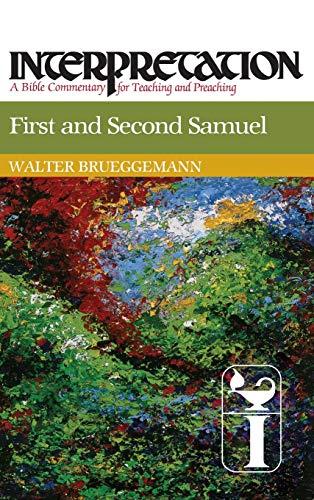
Interpretation
The speaker mentioned this book to explain that the event about Saul killing the Gibeonites was not recorded in the Bible.
Now this is not written in first Samuel. This is not recorded in the Bible, but it must have been the case.
— Episode: Day 139: Reparation to the Gibeonites (2...
The speaker mentioned this book to explain that the event about Saul killing the Gibeonites was not recorded in the Bible.
Now this is not written in first Samuel. This is not recorded in the Bible, but it must have been the case.
The book of 2 Samuel tells the story of King David's conquests, demonstrating how he united the twelve tribes of Israel and established a kingdom.
And that's one of the ways that David is establishing not only himself as a king but Israel as a kingdom, and that is massively important.
Remember under King Saul there was this loose confederation of these 12 types of Israel now David is bringing them together and united he's establishing a kingdom, and he's establishing a kingdom by basically defeating all the nations around them.
Now it's also really unique to notice that, I mentioned yesterday that while 2 Samuel and well you know Samuel the books of Samuel and the books of kings are kind of written, I don't want to say contemporaneously but a lot more a lot closer to the actual events whereas Chronicles is written after the fact it's written far into the future, after the Babylonian exile most likely by Ezra the scribe.
And so we see these lines crossing we see these paths as they unfold in our story and as we follow the story keep this in mind is that everything that's happening in the books called the Bible all that's happening is again not just arbitrary and it's not just kind of incidental but it is for our direction for our education and for vision.
Note: The book recommendations on this page are discovered automatically from podcast transcripts, and may be incorrect or incomplete.
Podcast Name