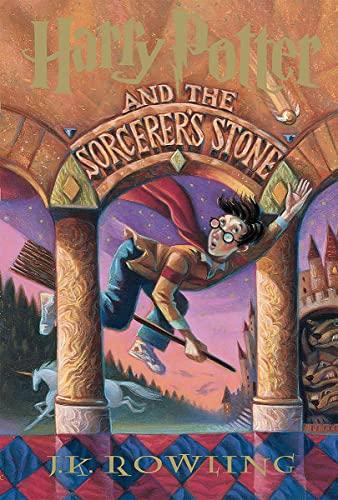
Harry Potter and the Sorcerer's Stone (1)
J.K. Rowling
Mentioned 2 months ago
MYSTICAL: The Aquarian Foundation
Most mysteries can be solved by looking at the facts. But sometimes, the truth lies somewhere in the unknown… Enter the realm of true crime’s most bizarre occurrences, and unravel all the possible explanations. No matter how strange or surreal they get.
Recently mentioned
J.K. Rowling
Mentioned 2 months ago
MYSTICAL: The Aquarian Foundation

Dan Brown
Mentioned 3 months ago
CONSPIRACY: The Denver Airport

Geoffrey Zachary
Mentioned 4 months ago
CONSPIRACY: The Vatican's Chronovisor
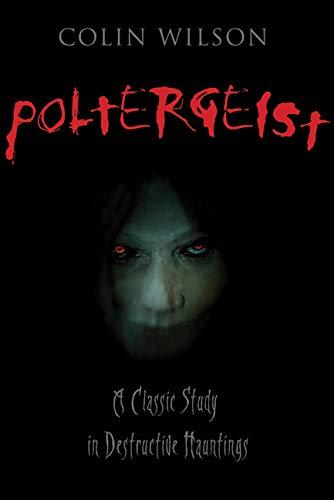
Colin Wilson
Mentioned 4 months ago
HAUNTED: The Black Monk of Pontefract

Michael Teitelbaum
Mentioned 4 months ago
LEGEND: Mermaids
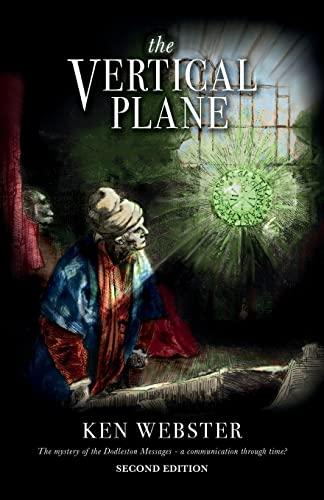
Ken Webster
Mentioned 5 months ago
DARK WEB: The Dodleston Messages
chad lewis
Mentioned 5 months ago
LEGEND: The Van Meter Visitor
Budd Hopkins
Mentioned 6 months ago
ALIEN: 1989 Manhattan Abduction
H. E Bates
Mentioned 6 months ago
HAUNTED: Pluckley Village

Guinness World Records
Mentioned 6 months ago
HAUNTED: Pluckley Village

Sebastian Junger
Mentioned 7 months ago
THE UNKNOWN: Near Death Experiences
Robert Lopaka Kapanui
Mentioned 8 months ago
LEGENDS OF HAWAII: Night Marchers (with Lopaka Kapanui)
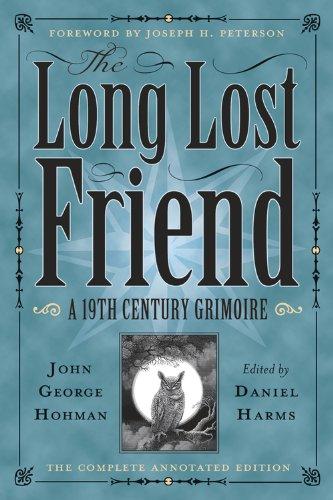
A 19th Century American Grimoire
The Long-Lost Friend, a 19th-century American grimoire, was featured during the discussion of the Hex Hollow Murder, where the hosts detailed its infamous history. The book was discussed not as a literary work, but as a highly sought-after magical object believed to grant incredible supernatural protection. The podcast highlighted historical quotes claiming that whoever carried the book would be safe from all enemies, immune to unnatural death, and protected from unjust legal sentences, explaining why John Blymeier and his accomplices desperately sought to obtain it.
It was described as a spell book that guaranteed protection; those who possessed it were said to be safe from enemies, unable to die by unnatural means, and immune to unjust sentences. John Blymeier and his accomplices sought to obtain this book from Nelson Raymeier's possession.
Whoever carries this book with him is safe from all his enemies, visible or invisible.
And whoever has this book with him cannot die without the holy corpse of Jesus Christ, nor drowned in any water, nor burn up in any fire, nor can any unjust sentence be passed upon him. So help me.
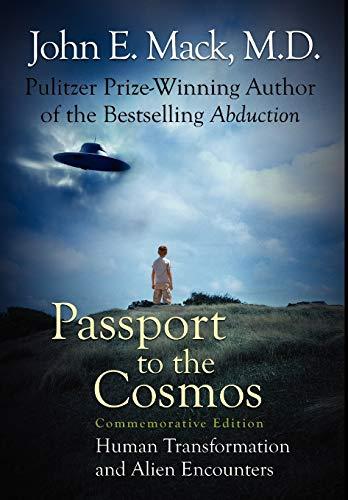
Professor John E Mack's comprehensive work, Passport to the Cosmos, was highlighted as a foundational text investigating extraterrestrial encounters and their psychological impact. The book, published in 1999, included the Ariel School sighting discussed in the episode as part of its sweeping analysis. The hosts noted Mack's investigative approach, which emphasized the need to "listen, sift and consider alternative explanations" when reviewing these profound experiences.
It is a sweeping investigation into extraterrestrial encounters and their possible psychological effects; the Ariel School sighting was not the focus, but was included in the book. It was published in 1999, five years after the events at the Ariel School.
listen, sift and consider alternative explanations
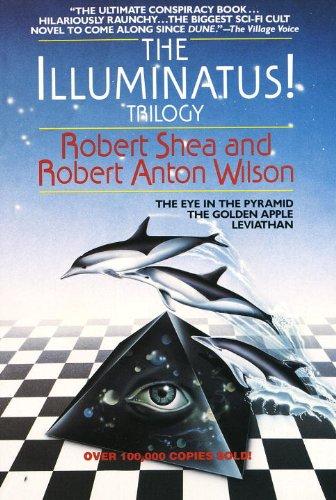
The Eye in the Pyramid, The Golden Apple, Leviathan
The book was brought up during a conspiracy‑focused episode, where the hosts explained that the 1975 trilogy had gathered and exaggerated classic Illuminati lore. They noted that, despite being fiction, it had led many readers to believe the secret society was still manipulating world events. The discussion was neutral, treating the work as a cultural touchstone rather than a recommendation.

The Mystery of the Cathedrals, published under the pen name Fulcanelli, was discussed for its alleged connections to alchemical lore and the historical figure Nicolas Flamel. The podcast noted that the text supposedly encodes ancient secrets through symbolism and metaphor hidden within cathedral architecture. While fascinating in concept, it was described as a notably difficult read.

A Novel
It was Barbara Newhall Follett's first novel, initially titled "The Adventures of Eepersip", about a lonely girl who runs away to find companionship in nature. After a fire destroyed the original manuscript, she rewrote and published it at age 12, receiving significant critical acclaim.
She rose into the air and hovering an instant over a great laurel bush, vanished. She was a fairy, a wood nymph. She would be invisible forever to all mortals, save those few who have minds to believe...
— Episode: DISAPPEARED: Barbara Newhall Follett
It was Barbara Newhall Follett's first novel, initially titled "The Adventures of Eepersip", about a lonely girl who runs away to find companionship in nature. After a fire destroyed the original manuscript, she rewrote and published it at age 12, receiving significant critical acclaim.
She rose into the air and hovering an instant over a great laurel bush, vanished. She was a fairy, a wood nymph. She would be invisible forever to all mortals, save those few who have minds to believe, eyes to see.
A lonely little girl named Eepersip decides that her family's little brown shingled cottage is too restrictive. So she asks her parents to build a garden in their backyard and they do.
The New York Times fawns over Barbara's unbridled imagination. The New York World recommends it to anyone who appreciates, quote, beauty and good writing. The Saturday Review of Literature calls it almost unbearably beautiful.
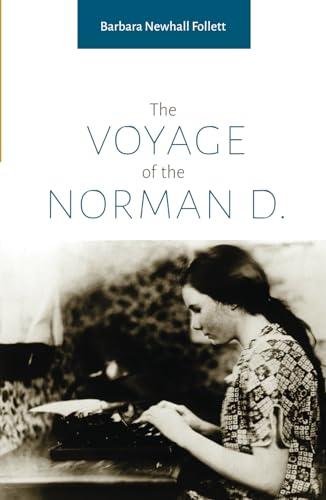
as told by the cabin-boy
The podcast discussed The Voyage of the Norman D. in the context of author Barbara Newhall Follett's unusual life and eventual disappearance. This novel, published when she was just 14, was noted for being based on her real-life experiences serving as a cabin boy aboard a lumber ship. While the book achieved success, the hosts mentioned that Follett was unable to celebrate due to her father’s departure from the family.
Two Landmark Investigations of Ufo Encounters Together in One Volume
Host Ashley Flowers explicitly recommended John G. Fuller's Incident at Exeter, noting it was an extremely helpful resource for their investigation into the famous UFO encounter. The book was highlighted not only for its detailed information but also for its historical significance, having revived national interest in the Exeter case following its 1966 publication.
It was mentioned as an extremely helpful resource for the podcast's research on the Exeter incident, reviving national interest in the case after its 1966 publication.
For more information on the Exeter UFO, we found Incident at Exeter by John G. Fuller extremely helpful to our research.
150th Anniversary Edition
The Origin of Species was mentioned strictly as a historical timestamp during a discussion about paranormal folklore and vampire beliefs. The hosts noted that the book's 1859 publication coincided precisely with the period when Americans began exhuming bodies suspected of being vampires in New England, serving only as a chronological marker.
An intimate record
Robert Fabian's memoir, Fabian of the Yard, was cited as a critical primary source document during the discussion of the Charles Walton murder. Fabian, a Scotland Yard detective on the case, devoted an entire chapter to the investigation. Crucially, the book was noted for being the first public record where a police official mentioned the involvement of witchcraft in the notorious case.
A Pendle Witch Short Story (The Great Northern Witch Hunts)
In the episode, the hosts examined the book's investigation of the Charles Walton murder, noting its 1968 publication and its suggestion of a witchcraft connection supported by a high priestess’s account and an anonymous source. The discussion was informational rather than endorsing, highlighting the book’s unique perspective on the case.
Published in 1968, this book explored the Charles Walton murder case, suggesting a connection to witchcraft and featuring accounts from a high priestess and an anonymous source.
strange kind of psychic power which you get in some countrymen
This folklore guide was highlighted during the discussion of the notorious Charles Walton murder case. The book was crucial to the investigation, as Detective Fabian reportedly utilized its insights into the superstitious beliefs and old customs prevalent in the Cotswolds region. It allowed the detective to understand and interpret the unusual behavior of the local villagers during the inquiry.

And Other Strange Stories
Dennis Deitz's exploration of the famous Greenbrier Ghost case was featured when the podcast covered the murder conviction secured by ghostly testimony. The book was highlighted for its detailed research, particularly the author's discovery that contemporary newspaper articles may have inspired the supernatural elements of the story. It was presented as an essential resource for those interested in the historical specifics of the case.
How Quakers, Hucksters, and Benjamin Franklin Created a Monster
While investigating the origins of the creature, Ashley Flowers cited Brian Regal's book, The Secret History of the Jersey Devil, as a source. The hosts specifically discussed Regal’s theory suggesting the creature might be connected to the Tarsus pterodactyl. However, this claim was brought up mainly to be analyzed and was ultimately noted to have significant inconsistencies.
This book was mentioned as a source of information on the Jersey Devil, specifically regarding the possibility of the creature being a Tarsus pterodactyl. However, the author's theory was found to have inconsistencies.
Interestingly, Brian Riegel, author of The Secret History of the Jersey Devil, claims that the creature called Tarsus pterodactyl may have lived in New Jersey 11,000 years ago.
Mass Hysteria and Many Lives Lost (Tangled History)
The book was referenced as a source on mass hysteria to explain the Jersey Devil sightings as a collective delusion, with the host noting its perspective on how such phenomena affect small, powerless groups. The discussion was brief and used the title mainly to illustrate the concept.
The book is cited regarding the concept of mass hysteria and its relevance to the Jersey Devil sightings. The author's perspective on the sightings as a collective delusion is mentioned.
According to Robert Bartholomew, who wrote a book on mass hysteria, the condition usually strikes a small insular group that is considered to have little social power.
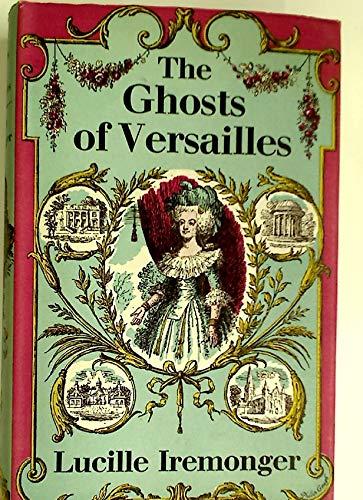
Miss Moberly and Miss Jourdain and Their Adventure
In a single episode, the hosts discussed the title, noting that it was published in 1957 and presented a harsh critique of the original authors, labeling their experience as a delusion tied to their romantic relationship. They highlighted that modern critics viewed the work as homophobic, and it was presented more as a point of criticism than a recommendation.

The episode highlighted the title as a 2019 work that argued the disappearance was the result of a sophisticated hijacking rather than an accident. It noted the author's claim that satellite pings were deliberately misleading, creating a false trail for investigators. The discussion presented these theories without overt endorsement.
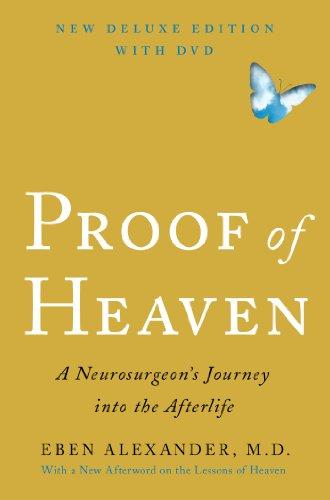
A Neurosurgeon's Journey into the Afterlife
The hosts noted that the title had reached number one on the New York Times bestseller list and that its author, a neurosurgeon, claimed to have spoken with God and interacted with angelic beings while in a medically induced coma. They highlighted these extraordinary claims as the reason it was brought up in the discussion.
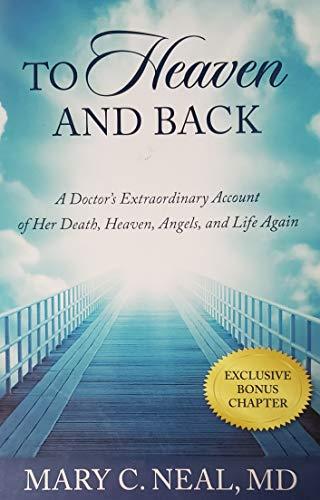
A Doctor's Extraordinary Account of Her Death, Heaven, Angels, and Life Again
In the episode the hosts noted that the book had become a bestseller and recounted the author's claim of communicating with seraphic beings after a near‑fatal kayak accident. They highlighted the near‑death experience as the central focus of the narrative. The overall tone was more of a brief mention rather than a strong endorsement.
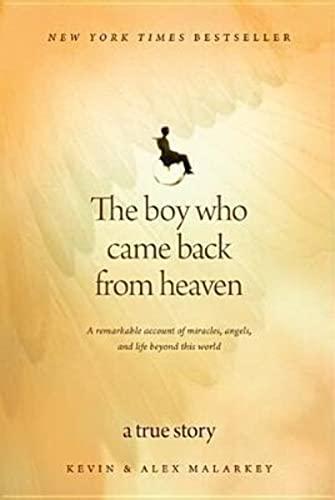
A Remarkable Account of Miracles, Angels, and Life beyond This World
The book was highlighted for its commercial success, noting that it had sold over a million copies and was adapted into a TV movie. However, the discussion turned critical when it was revealed that the author later confessed the entire narrative was fabricated. The episode used this revelation to caution listeners about the credibility of such accounts.
Note: The book recommendations on this page are discovered automatically from podcast transcripts, and may be incorrect or incomplete.
Podcast Name