Pastel Snow Scrapbook Paper Craft Pad
Creative Corner
Mentioned 7 months ago
Are We The Universe’s Way of Knowing Itself? With Brian Cox
Science, pop culture, and comedy collide on StarTalk Radio! Neil deGrasse Tyson, astrophysicist and Director of New York's Hayden Planetarium, and his comic co-hosts, guest celebrities, and scientific experts explore astronomy, physics, and everything else there is to know about life in the universe...
Recently mentioned
Creative Corner
Mentioned 7 months ago
Are We The Universe’s Way of Knowing Itself? With Brian Cox
Carl Sagan
Mentioned 7 months ago
Are We The Universe’s Way of Knowing Itself? With Brian Cox
Richard P. Feynman
Mentioned 7 months ago
Are We The Universe’s Way of Knowing Itself? With Brian Cox
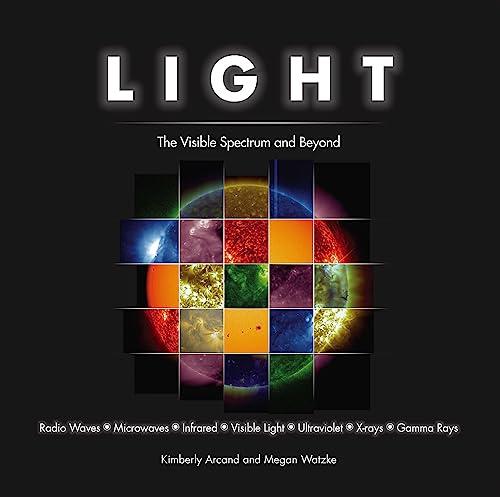
Kimberly Arcand
Mentioned 1 year ago
Listening to the Universe with Kimberly Arcand
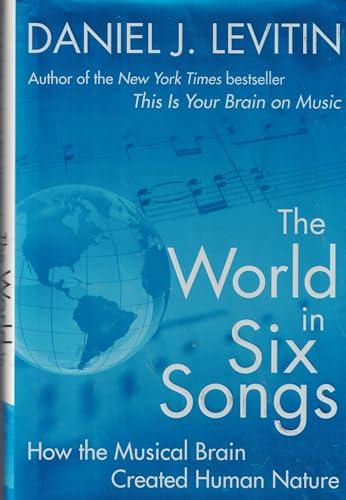
Daniel J. Levitin
Mentioned 1 year ago
Is Music the Language of the Universe? with Daniel Levitin
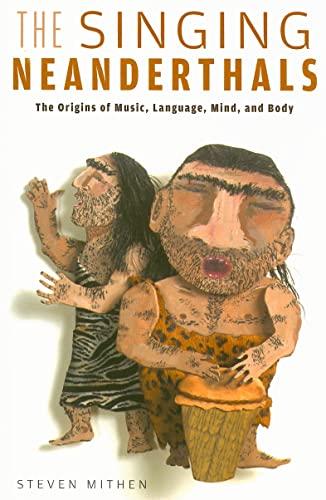
Steven Mithen
Mentioned 1 year ago
Is Music the Language of the Universe? with Daniel Levitin
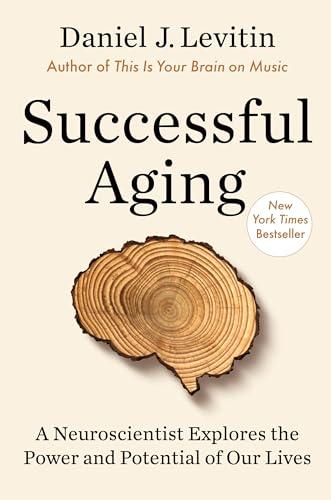
Daniel J. Levitin
Mentioned 1 year ago
Is Music the Language of the Universe? with Daniel Levitin
Daniel J. Levitin
Mentioned 1 year ago
Is Music the Language of the Universe? with Daniel Levitin
Jr. Lyman Spitzer
Mentioned 1 year ago
Dark Comets with Darryl Seligman
Frank H. Shu
Mentioned 1 year ago
Dark Comets with Darryl Seligman
G H Hardy
Mentioned 1 year ago
Our Mathematical Universe with Grant Sanderson (3Blue1Brown)
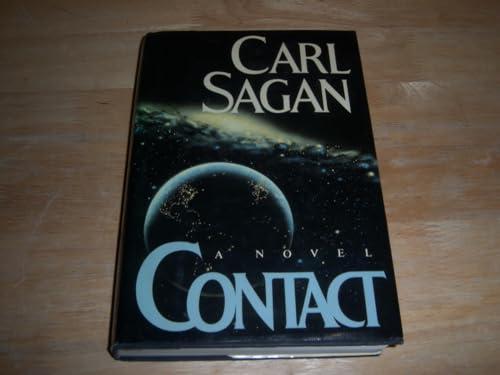
Carl Sagan
Mentioned 1 year ago
Revisiting the Drake Equation with David Grinspoon
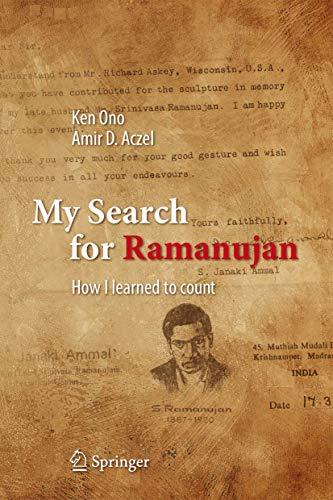
How I Learned to Count
It was described as a memoir by Ken Ono about his own journey and how Ramanujan inspired him to pursue his mathematical passions.
I did. I did. So it's called My Search for Ramanujan.
— Episode: The Beauty of Mathematics, with Jeremy I...
It was described as a memoir by Ken Ono about his own journey and how Ramanujan inspired him to pursue his mathematical passions.
I did. I did. So it's called My Search for Ramanujan.
Oh, wait, wait, wait. Oh, oh. Whoa! It just appeared on my table.
Yes, how I learned to count.
It was mentioned as Ken Ono's memoir about his experiences learning about Ramanujan, in particular, the impact it had on him and his self-confidence.
I did. I did. So it's called My Search for Ramanujan.
Oh, wait, wait, wait. Oh, oh. Whoa!
Wait, My Search for Ramanujan.
Yes, how I learned to count.
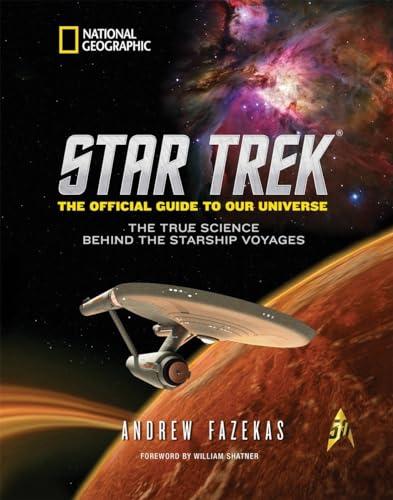
The True Science Behind the Starship Voyages
It was described as a labor of love that Andrew had been working on for around 10 years, cherry-picking episodes and movie scenes that showcased astronomical science and his passion for stargazing.
Yeah, I mean this is a labor of love for me. I mean I'm I am in I'm in heaven with this because this has been a book I've been working on for I guess about 10 years 10 years
— Episode: StarTalk All-Stars at Star Trek Mission...
It was described as a labor of love that Andrew had been working on for around 10 years, cherry-picking episodes and movie scenes that showcased astronomical science and his passion for stargazing.
Yeah, I mean this is a labor of love for me. I mean I'm I am in I'm in heaven with this because this has been a book I've been working on for I guess about 10 years 10 years
I've been working on this thing two years of you know hard labor watching Star Trek episode. Oh hard labor Yeah, yeah movies You know scene by scene and And you know what I've done here is cherry-picked episodes and movie scenes that really reflect I think the the science of the real science so well particularly astronomical science
My my kind of my shtick is really showing people the night sky That's what I've been doing for I don't know about 30 years now And since I was a little kid I've been taking out a telescope and trying to get people excited about the night sky
This Stargazing and Star Trek coming together in one one volume here
It was described as a 'labor of love' that the author had been working on for around 10 years, cherry-picking scenes and episodes that reflected real science, particularly astronomical science.
Yeah, I mean this is a labor of love for me. I mean I'm I am in I'm in heaven with this because this has been a book I've been working on for I guess about 10 years 10 years
I've been working on this thing two years of you know hard labor watching Star Trek episode.
And you know what I've done here is cherry-picked episodes and movie scenes that really reflect I think the the science of the real science so well particularly astronomical science
My my kind of my shtick is really showing people the night sky That's what I've been doing for I don't know about 30 years now And since I was a little kid
Stargazing and Star Trek coming together in one one volume here
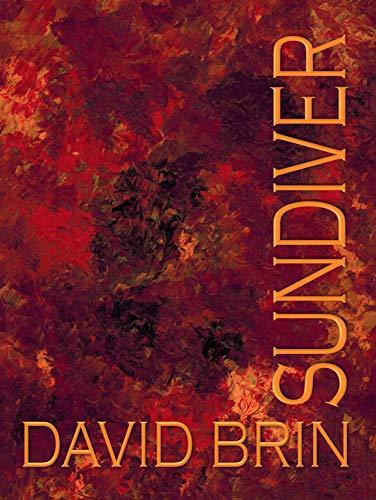
It was mentioned as one of David Brin's novels, with a cover illustrated by Jim Burns. The topic of aliens was introduced, and David Brin's fascination with the subject was discussed.
Well as you can see behind me There is an illustration at Jim beautiful Jim Burns cover of one of my novels called Sundiver
— Episode: Calling ET, with Dr. FunkySpoon – StarTa...
It was mentioned as one of David Brin's novels, with a cover illustrated by Jim Burns. The topic of aliens was introduced, and David Brin's fascination with the subject was discussed.
Well as you can see behind me There is an illustration at Jim beautiful Jim Burns cover of one of my novels called Sundiver
It was mentioned in relation to the podcast host's interest in aliens, as the cover of the book was visible behind him during the podcast.
Well as you can see behind me There is an illustration at Jim beautiful Jim Burns cover of one of my novels called Sundiver
It was mentioned as a novel co-authored with Gregory Benford, which is set in the Oort cloud. It was discussed in the context of exploring the outer reaches of our solar system and the possibility of alien robotic civilizations.
I set a novel out in the orc cloud called Heart of the Comet that i did with greggory benford
— Episode: Calling ET, with Dr. FunkySpoon – StarTa...
It was mentioned as a novel co-authored with Gregory Benford, which is set in the Oort cloud. It was discussed in the context of exploring the outer reaches of our solar system and the possibility of alien robotic civilizations.
I set a novel out in the orc cloud called Heart of the Comet that i did with greggory benford
It was discussed in the context of the Kuiper Belt and Oort Cloud, mentioning it as a novel set in the Oort Cloud and co-authored with Gregory Benford.
I set a novel out in the orc cloud called Heart of the Comet that i did with greggory benford
The Definitive Visual Guide, New Edition (DK Definitive Visual Encyclopedias)
It was mentioned as a novel where David Brin explored the possibility of encountering ancient robotic civilizations in the asteroid belt or Kuiper belt. It was discussed in the context of potential contact scenarios with alien technology.
And I talk about this in my novel Earth. I've no existence where the Possibility is that we would then actually bump into um a very ancient civilization of robotic emissaries
— Episode: Calling ET, with Dr. FunkySpoon – StarTa...
It was mentioned as a novel where David Brin explored the possibility of encountering ancient robotic civilizations in the asteroid belt or Kuiper belt. It was discussed in the context of potential contact scenarios with alien technology.
And I talk about this in my novel Earth. I've no existence where the Possibility is that we would then actually bump into um a very ancient civilization of robotic emissaries
It was mentioned as a novel where the author discusses the possibility of encountering an ancient civilization of robotic emissaries in the asteroid and Kuiper belts.
And I talk about this in my novel Earth. I've no existence where the Possibility is that we would then actually bump into um a very ancient civilization of robotic emissaries
Engineering Life to Reach New Worlds
Chris Mason's book, 'The Next 500 Years,' explores the future of humanity and our responsibilities in the universe, including space exploration and potential ethical dilemmas. It's a treatise of hope for the future of humanity.
Wait, Gary say that with some drama please The Next 500 Years give me some emotion in that my gosh A spectacular read coming to you very shortly The Next 500 Years
— Episode: The Right Stuff with Astronaut Scott Kel...
Chris Mason's book, 'The Next 500 Years,' explores the future of humanity and our responsibilities in the universe, including space exploration and potential ethical dilemmas. It's a treatise of hope for the future of humanity.
Wait, Gary say that with some drama please The Next 500 Years give me some emotion in that my gosh A spectacular read coming to you very shortly The Next 500 Years
The Next 500 Years hmm interesting
Actually you wrote a whole book on thinking about humans and the future The Next 500 Years.
Chris Mason's book, 'The Next 500 Years', explores the future of humanity, focusing on the ethical and physiological considerations of space exploration and the potential for long-term survival and preservation of life.
Scott's got a book out, A Year in Space, A Lifetime of Discovery, but your book, Professor, next 500 years. Interesting.
Yeah, I have. It's a treatise of hope, I guess, if you will. I put it together as what I think humanity can do and also should do and that we have a duty to do.
My Quest for the Ultimate Nature of Reality
It was initially titled 'The Mathematical Universe', but the name was changed at the last minute to avoid sounding arrogant. It explores the idea that everything is math and that someone could have programmed it.
One of my favorites is Our Mathematical Universe, where you argue that everything is math and if everything is math, someone could have programmed it that way.
— Episode: Cosmic Queries–Multiverse Madness with M...
It was initially titled 'The Mathematical Universe', but the name was changed at the last minute to avoid sounding arrogant. It explores the idea that everything is math and that someone could have programmed it.
One of my favorites is Our Mathematical Universe, where you argue that everything is math and if everything is math, someone could have programmed it that way.
The first title was The Mathematical Universe. And then I thought, that's so arrogant.
If we really believe that there are other universes, we shouldn't just say, the universe are ours. We should talk about, be more humble and acknowledge that it might just be our universe might not be the only one.
It was initially titled 'The Mathematical Universe' but was later changed; it explores the idea that the universe is mathematical and could've been programmed.
One of my favorites is Our Mathematical Universe, where you argue that everything is math and if everything is math, someone could have programmed it that way. And so a brilliant exercise there.
The first title was The Mathematical Universe. And then I thought, that's so arrogant. If we really believe that there are other universes, we shouldn't just say, the universe are ours. We should talk about, be more humble and acknowledge that it might just be our universe might not be the only one.
Being Human in the Age of Artificial Intelligence
It explores the future of what we consider life, and was discussed in the podcast along with the concept of the multiverse and the mathematical universe.
And of course, Life 3.0, where you're exploring the future of what we even think of as life.
— Episode: Cosmic Queries–Multiverse Madness with M...
It explores the future of what we consider life, and was discussed in the podcast along with the concept of the multiverse and the mathematical universe.
And of course, Life 3.0, where you're exploring the future of what we even think of as life.
It explores the future of life and was discussed as another one of the author's books.
And of course, Life 3.0, where you're exploring the future of what we even think of as life.
The book described the human neocortex as a society of different factions that often conflict and fight with each other, explaining different aspects of human behaviour.
Marvin Minsky who died recently was my mentor and he wrote a book called The Society of Mind and basically describing our neocortex as a society of different factions that fight each...
— Episode: A Conversation with Ray Kurzweil
The book described the human neocortex as a society of different factions that often conflict and fight with each other, explaining different aspects of human behaviour.
Marvin Minsky who died recently was my mentor and he wrote a book called The Society of Mind and basically describing our neocortex as a society of different factions that fight each other.
![GUARDIANS OF THE GALAXY BY BRIAN MICHAEL BENDIS OMNIBUS VOL. 1 [NEW PRINTING] (Guardians of the Galaxy Omnibus) Cover](https://media.podcastbookpicks.com/books/23477.jpg)
Neil deGrasse Tyson mentioned the book as an example of something that might make someone think aliens are inherently evil or war-mongering, referencing a possible influence on Stephen Hawking's views.
He also read Guardians of the Galaxy before it became a movie.
— Episode: Cosmic Queries: Galactic Grab Bag
Neil deGrasse Tyson mentioned the book as an example of something that might make someone think aliens are inherently evil or war-mongering, referencing a possible influence on Stephen Hawking's views.
He also read Guardians of the Galaxy before it became a movie.
It was mentioned as a book that Neil deGrasse Tyson believes Stephen Hawking may have read, before it was made into a movie.
He also read Guardians of the Galaxy before it became a movie.
Confronting Fate and Family Secrets in the Age of Genetic Testing
It was discussed in relation to genetic testing, fate, and family secrets in the modern era. The book's author was interviewed and provided insights on genetic discrimination and the complexities of genetic information.
Somebody's got to do it. I think the world of astrophysicists. And you authored the book Am I My Genes? I like that. Am I My Genes? Or not. Are you something else?
— Episode: The Promise and Peril of the Genomic Rev...
It was discussed in relation to genetic testing, fate, and family secrets in the modern era. The book's author was interviewed and provided insights on genetic discrimination and the complexities of genetic information.
Somebody's got to do it. I think the world of astrophysicists. And you authored the book Am I My Genes? I like that. Am I My Genes? Or not. Are you something else?
So for the book when I did these interviews for the book, Am I My Genes, the first woman I interviewed with breast cancer said you know I always knew I shouldn't have stayed in that awful relationship all those years.
...and probably get it all the time. We're featuring my interview with Anne Wojcicki and I asked her just to benchmark this segment. I asked her what are some of the most common fears and concerns that people have? And she said, I'm going to go with genetic testing.
...your book am I my genes should be on everybody's shelf Chuck always a pleasure always good to have so not you should be every so it should be everyone's lap as they read it that's how where they should be Chuck always good to have you here I've been your host your personal astrophysicist Neil deGrasse Tyson bidding you as always to keep looking out
It was discussed in the context of genetic testing and the ethical considerations, specifically focusing on confronting fate and family secrets with genetic testing.
Somebody's got to do it. I think the world of astrophysicists. And you authored the book Am I My Genes? I like that.
So it's confronting fate and family secrets in the age of genetic testing.
For the book when I did these interviews for the book, Am I My Genes, the first woman I interviewed with breast cancer said you know I always knew I shouldn't have stayed in that awful relationship all those years.
My most recent book actually is called the ethics police.
thank you Robert Klitzman your your book am I my genes should be on everybody's shelf
How the 21st Century Will Be Made, Not Managed
It was mentioned as a book discussing permissionless innovation, particularly in technology and the internet, with examples of how people use technology to spread ideas and make a difference.
Well Alexis wrote a book, when was this? Back in 2014 called Without Their Permission.
— Episode: Unravelling Reddit with Alexis Ohanian
It was mentioned as a book discussing permissionless innovation, particularly in technology and the internet, with examples of how people use technology to spread ideas and make a difference.
Well Alexis wrote a book, when was this? Back in 2014 called Without Their Permission.
And this idea that someone with a great idea and a laptop and some code can create something that is essentially or arrange something in a way that's never existed before and just do it. You don't need to open a factory, like you just open your laptop.
I mean, when the internet has had its best as a tool, it really enables people to do the amazing stuff that they want to do. Whether you want to learn knowledge or put it out into the world, I mean, I've seen it and I use the book, not only talk about some of the stuff I've been lucky to be a part of, but the people I've gotten to meet and know in philanthropy and activism in the arts who have been able to use technology to spread really, really amazing ideas and do stuff that they simply wouldn't have even 20 years ago.
It was mentioned as a book that discussed permissionless innovation within technology and the internet, with a quote from Grace Hopper about asking for forgiveness instead of permission.
Well Alexis wrote a book, when was this? Back in 2014 called Without Their Permission.
And this idea that someone with a great idea and a laptop and some code can create something that is essentially or arrange something in a way that's never existed before and just do it.
I mean, when the internet has had its best as a tool, it really enables people to do the amazing stuff that they want to do.
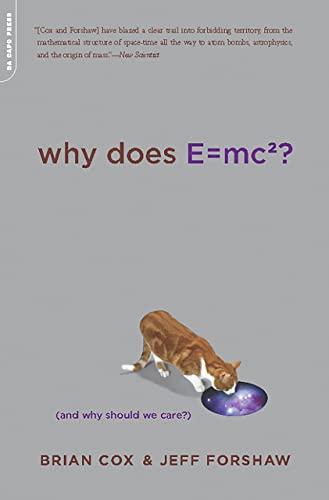
Neil deGrasse Tyson mentioned this book which he co-authored with a friend. It explored special relativity from a geometric perspective, and showed that respecting cause and effect leads to a universal speed limit.
In fact not wishing to promote my own books but the book I wrote I wrote a book called Why Does Equals MC Square
— Episode: The Value of Science, with Brian Cox
Neil deGrasse Tyson mentioned this book which he co-authored with a friend. It explored special relativity from a geometric perspective, and showed that respecting cause and effect leads to a universal speed limit.
In fact not wishing to promote my own books but the book I wrote I wrote a book called Why Does Equals MC Square
Neil deGrasse Tyson mentioned that he wrote a book with a friend, 'Why Does E=mc?', exploring special relativity through a geometric lens and emphasizing the principle of causality.
In fact not wishing to promote my own books but the book I wrote I wrote a book called Why Does Equals MC Square Years ago which is really I love Equals MC Square.
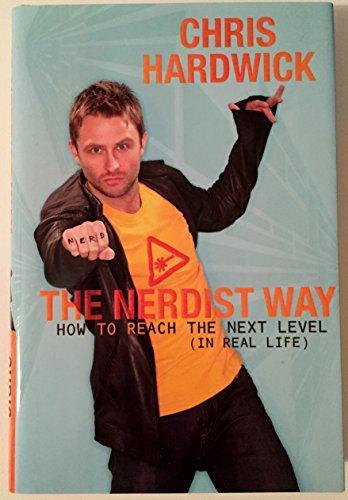
How to Reach the Next Level (In Real Life)
Chris Hardwick mentioned his book, 'The Nerdist Way', and it was briefly described as a productivity guide for nerds.
Yeah, can I plug my book? I wrote a book I bet it's called The Nerdist It's called The Nerdist Way We don't have to linger on it, it's a productivity book for nerds I'm fanged in the...
— Episode: Extended Classic: Time Lords: The Scienc...
Chris Hardwick mentioned his book, 'The Nerdist Way', and it was briefly described as a productivity guide for nerds.
Yeah, can I plug my book? I wrote a book I bet it's called The Nerdist It's called The Nerdist Way We don't have to linger on it, it's a productivity book for nerds I'm fanged in the last page so please
It was briefly mentioned by Chris Hardwick as a productivity book he'd written for nerds, focusing on themes like time management and focus.
I wrote a book I bet it's called The Nerdist It's called The Nerdist Way We don't have to linger on it, it's a productivity book for nerds I'm fanged in the last page so please
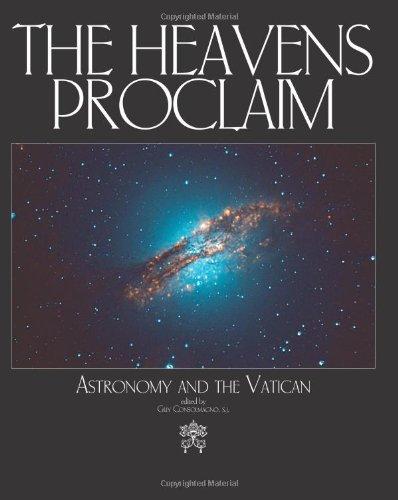
Astronomy and the Vatican
It was mentioned as the most recent book by Brother Guy Consolmagno, covering the history of astronomy supported by the Vatican throughout the years.
Well, we've got a couple of ones. The most recent one came out for the year of astronomy. It was called The Heavens Proclaim.
— Episode: Extended Classic: Holiday Lights
It was mentioned as the most recent book by Brother Guy Consolmagno, covering the history of astronomy supported by the Vatican throughout the years.
Well, we've got a couple of ones. The most recent one came out for the year of astronomy. It was called The Heavens Proclaim.
And it's the history of all the different astronomy that the Vatican supported over the years.
It was mentioned as a book about the history of astronomy that the Vatican has supported throughout the years, published for the International Year of Astronomy in 2009.
Well, we've got a couple of ones. The most recent one came out for the year of astronomy. It was called The Heavens Proclaim.
And it's the history of all the different astronomy that the Vatican supported over the years.
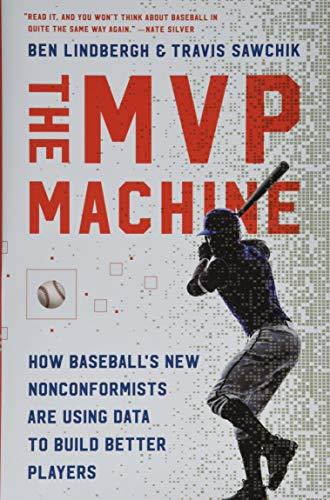
How Baseball's New Nonconformists Are Using Data to Build Better Players
It was mentioned in passing as a baseball book that utilises ultra high-speed cameras, possibly with Rapsodo technology, to analyse the sport.
We did a show not that long ago with the authors of The MVP Machine, which is a baseball book, and they're using the ultra high-speed cameras. I think it's Rapsodo.
— Episode: Revolutionizing Tennis, with Nick Kyrgio...
It was mentioned in passing as a baseball book that utilises ultra high-speed cameras, possibly with Rapsodo technology, to analyse the sport.
We did a show not that long ago with the authors of The MVP Machine, which is a baseball book, and they're using the ultra high-speed cameras. I think it's Rapsodo.
It was described as a superb book that discussed how player development techniques are changing baseball and leaving Moneyball behind. It also highlighted the use of data and technology to improve players.
Ben Lindbergh and Travis Sawchuk, co-authors of The MVP Machine, a superb book that sheds light on how player development techniques are taking baseball into the future and leaving moneyball way, way behind.
The MVP Machine, How Baseball's New Nonconformists Are Using Data to Build Better Players
I think The MVP Machine might be our Bible.
If you've listened to the first part of this show, you'll know that it is fascinating to see what is now happening. If you're doing Moneyball, then you're so way back at the beginning of this century. Things have changed.
Ben Limburg, Thank you. Travis Sorchick, the co-authors of The MVP Machine. If you haven't, get a copy. Go buy it. Find it, read it, think about it because what's happening in this book is out there and it's evolving.
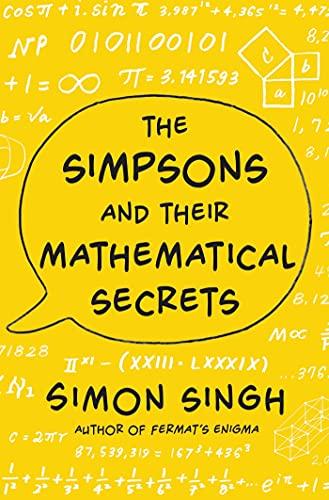
It was discussed as a book that delves into the numerous instances of mathematics and science woven into the popular animated show, The Simpsons.
In fact, we have here a book. It's a whole book called The Simpsons and Their Mathematical Secrets written by Simon Singh.
— Episode: The Science of Family Guy with Seth MacF...
It was discussed as a book that delves into the numerous instances of mathematics and science woven into the popular animated show, The Simpsons.
In fact, we have here a book. It's a whole book called The Simpsons and Their Mathematical Secrets written by Simon Singh.
Well, the first book I'd ever written was a book called Fermat's Last Theorem. In America it was called Fermat's Enigma and it's all about the most notorious problem in the history of mathematics.
It was discussed as an example of how math and science are infused into popular culture, and the book details the many mathematical references hidden in The Simpsons.
In fact, we have here a book. It's a whole book called The Simpsons and Their Mathematical Secrets written by Simon Singh.
Well, the first book I'd ever written was a book called Fermat's Last Theorem.
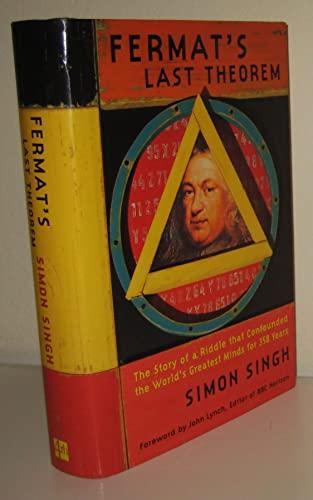
It was mentioned by Simon Singh as his first book, discussing the renowned mathematical problem.
Well, the first book I'd ever written was a book called Fermat's Last Theorem. In America it was called Fermat's Enigma and it's all about the most notorious problem in the history of...
— Episode: The Science of Family Guy with Seth MacF...
It was mentioned by Simon Singh as his first book, discussing the renowned mathematical problem.
Well, the first book I'd ever written was a book called Fermat's Last Theorem. In America it was called Fermat's Enigma and it's all about the most notorious problem in the history of mathematics.
It was mentioned by Simon Singh as his first book, and it covers a famous mathematical problem, which was also referenced in The Simpsons.
Well, the first book I'd ever written was a book called Fermat's Last Theorem. In America it was called Fermat's Enigma and it's all about the most notorious problem in the history of mathematics.
A Self-Murder Mystery
The book, subtitled "The Science of When We Laugh and Why", was discussed in the context of the science of humor and laughter, exploring its psychological and biological underpinnings.
He is the author of a book called HA! Did I pronounce it right? Yes, you did. Subtitled The Science of When We Laugh and Why.
— Episode: Exploring Science and Comedy with Larry...
The book, subtitled "The Science of When We Laugh and Why", was discussed in the context of the science of humor and laughter, exploring its psychological and biological underpinnings.
He is the author of a book called HA! Did I pronounce it right? Yes, you did. Subtitled The Science of When We Laugh and Why.
The Science Behind the Headlines
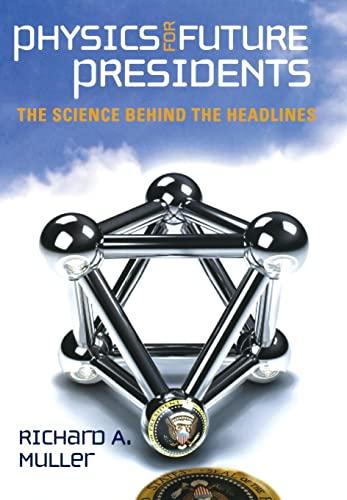
It was mentioned as a book explaining the science needed for world leaders to make decisions, and President Clinton said he'd read it after leaving the White House.
Was it Professor Mueller wrote that, Physics for President?
— Episode: Decoding Science and Politics with Bill...
It was mentioned as a book explaining the science needed for world leaders to make decisions, and President Clinton said he'd read it after leaving the White House.
Was it Professor Mueller wrote that, Physics for President?
Yeah, yeah, yeah, Physics for Future Presidents.
He was... he did something that politicians are terrified to do. He said, you know, I was one of the global climate change skeptics and I've looked at the data and the other guys were right. This is real.
Now we can argue about what the best way to deal with it is, but it is real. There's no point in denying it anymore.
Physics for Future Presidents, I think was the title.
It was mentioned as a book that explains the science needed for world leaders to make decisions, and the president had read it after leaving office.
Was it Professor Mueller wrote that, Physics for President?
Yeah, yeah, yeah, Physics for Future Presidents.
He's the guy who wrote the book that President Clinton mentioned, Physics for Future Presidents, I think was the title.
Note: The book recommendations on this page are discovered automatically from podcast transcripts, and may be incorrect or incomplete.
Podcast Name