THE SCIENCE OF GETTING RICH
Wallace D. Wattles
Mentioned 7 months ago
How to talk (or not talk) politics at family holidays

We try to make sense of the world, one question at a time. No question too big, no question too small. Hosted by PJ Vogt, edited by Sruthi Pinnamaneni. ***Named one of the best podcasts by Vulture, Time, The Economist, & Vogue. (OK, in 2023, but still...)***
Recently mentioned
Wallace D. Wattles
Mentioned 7 months ago
How to talk (or not talk) politics at family holidays
Mark Blyth
Mentioned 1 year ago
Is everyone pretending to understand inflation (or just me)?
Joseph Cox
Mentioned 1 year ago
What's the best phone to do crimes on?
Kamala Harris
Mentioned 1 year ago
Is there a sane way to follow this election?
Eitan Hersh
Mentioned 1 year ago
Is there a sane way to follow this election?
Jon Gertner
Mentioned 1 year ago
The End
Tobias Rapp
Mentioned 2 years ago
Why didn’t Chris and Dan get into Berghain? (Part 1)

Peter Schneider
Mentioned 2 years ago
Why didn’t Chris and Dan get into Berghain? (Part 1)
Val Webb
Mentioned 2 years ago
What does it feel like to believe in God?
Kashmir Hill
Mentioned 2 years ago
Should this creepy search engine exist?
Bryan Appleyard
Mentioned 2 years ago
Where's my flying car?
Glennon Doyle
Mentioned 2 years ago
How do we survive the media apocalypse?
A Perfectly Natural History
In the episode the book was cited as a source for historical information on cannibalism, especially European medical practices. PJ Vogt referenced it while discussing the context behind cannibalistic rituals. The discussion highlighted its usefulness for understanding the background of the topic.
It was mentioned as a source for information on cannibalism, particularly the historical context and European practices of medical cannibalism.
Columbus's prime directive like his mission from Spain was to find gold in the islands.
a mummy had been made of the cadaver of a red headed man aged 24 who'd been hanged.
he is not going to talk about like your Ed Gynes like your serial killers who ate people
The hosts cited the title while exploring a 17th‑century recipe for mummia that detailed preserving a hanged red‑haired man's body with myrrh and aloes. They noted the bizarre nature of the procedure as an example of odd historical medical practices. The book was referenced as the source of this macabre detail.
The 17th-century book included a recipe for mummia, which involved the mummification of a hanged red-haired man.
a mummy had been made of the cadaver of a red headed man aged 24 who'd been hanged. The corpse is to lie in cold water in the air for 24 hours after which the flesh was cut in pieces and sprinkled with a powder of myrrh and aloes.
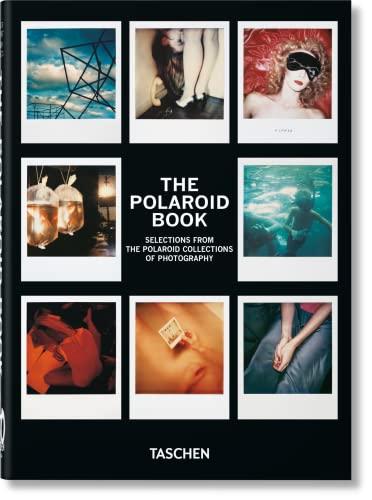
In the episode, the book was mentioned as a history of Polaroid photography, noted to have been written by the city editor of New York Magazine at the time of the podcast. The hosts referenced it as a source for background on the subject without offering a strong endorsement.
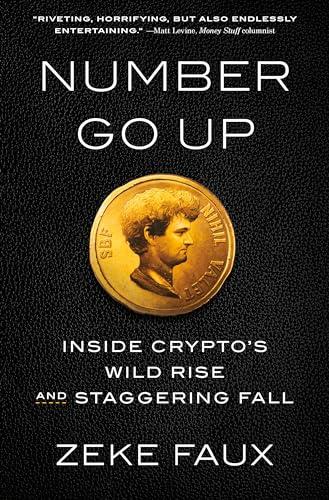
Inside Crypto's Wild Rise and Staggering Fall
The episode highlighted the title as a humorous chronicle of a skeptic observing the rapid ascent and subsequent collapse of cryptocurrency. Host PJ Vogt emphasized its funny perspective on the events and strongly recommended it to listeners. The book was praised for its entertaining account of the crypto boom and bust.
It was described as a funny chronicle of a skeptic's experience watching the rise and fall of cryptocurrency. The book was strongly recommended for its humorous account of the events.
Zeke's I have to say is the funny one. Just a very funny chronicle of what it was like for a skeptic to watch Crypto Rise and then to see it come down. I really recommend it.
How to Move Beyond Political Hobbyism, Take Action, and Make Real Change
In the episode, the book was introduced as a work that defines "political hobbyism" and draws a line between casual observers and those who aim to influence political outcomes. Paige highlighted this distinction, noting the author's focus on moving beyond hobbyist engagement. The mention was informational rather than a strong endorsement.
This book discusses the concept of "political hobbyism," differentiating between those who follow politics as a hobby and those actively seeking to influence outcomes.
he's got this book called Politics Is for Power, and he makes a distinction between hobbyists and people trying to actually affect things in politics
What the Internet Is Doing to Our Brains
Ezra Klein initially dismissed the title but later reread it and concluded it was entirely correct about the flood of information and the effects of algorithmic social media. He noted that the book captured the shift from seeing the informational boost as beneficial to viewing it as overwhelming, and he endorsed its insights for understanding internet use.
Initially dismissed by the speaker, this book, reread years later, was deemed completely correct, particularly regarding the overabundance of information and the impact of algorithmic social media.
In 2010 this book coming up by this guy Nicholas Carr called The Shallows
I was so mad about that book that I had never read right? I had really strong opinions on it I felt like I was getting smarter on the internet and I was like that's ridiculous, you know
And I think along the way I I actually think it did flip like we went from having The informational boost was was great to the informational boost became too much
The Incredible True Story of the Largest Sting Operation Ever
The host highlighted the title as a fascinating account of a smartphone created exclusively for criminal use that was actually part of a multi‑year FBI sting. They noted that the book covered the phone's development, its adoption by offenders, and the eventual takedown, and urged listeners to read it for the full story. The recommendation was enthusiastic, suggesting it offered far more detail than could be covered in the episode.
It was described as a book about AN0M, a smartphone designed exclusively for criminals that turned out to be a multi-year FBI project. The book details the story of the phone's creation, its use by criminals, and the subsequent takedown operation.
This is Joseph Cox. He just published a book called Dark Wire.
His very wonderful book about Anam is called Dark Wire. Go read it, there's a lot more story than we were able to get into here.
The Controversial History of ADHD
In the closing segment of the episode, the hosts thanked the author and mentioned the book as a gesture of appreciation. No specific commentary on its content was provided.
From Benzedrine to Adderall
In the episode, PJ Vogt highlighted the book as a serious scholarly work that traces the history of prescription stimulants in America, noting its cheeky title but rigorous research by a historian of modern life science. He presented it as a noteworthy exploration of the cultural and medical trajectory of drugs like Benzedrine and Adderall.
It is a serious scholarly work that follows the path of prescription stimulants in America. The author, Dr. Rasmussen, is a historian of modern life science whose main research interest is drugs.
On Speed, a cheekily titled but very serious work of scholarship, which follows the path of prescription stimulants in America.
"Section 8" and the Fate of an American Neighborhood
The narrator highlighted the book as an excellent source for deeper insight into Section 8 housing vouchers, recommending it for listeners seeking further reading on the topic. It was presented as a valuable resource for understanding the complexities of housing voucher programs.
The book is mentioned as a great place for further reading on Section 8, suggesting it offers deeper insight into the topic of housing vouchers.
Her book The Voucher Promise is a great place for further reading on Section 8.
The Diamond Network and the Persistence of Relational Exchange
The hosts brought up the title while exploring why diamonds retain their high value, noting that it offers an in‑depth look at the industry's unusual history and relational exchange dynamics. They reached out to the professor author for insight and highlighted that they highly recommended the book for its detailed analysis of the diamond market.
It was described as detailing the diamond industry and how unusual it is; the podcast hosts called the author to discuss the value of diamonds and the history of this valuation.
Noah found this book called Stateless Commerce about the diamond industry and mainly about how strange it is.
So we called the professor who wrote it, Barack Richmond.
His book which we highly recommend is called Stateless Commerce the Diamond Network and the Persistence of Relational Exchange.
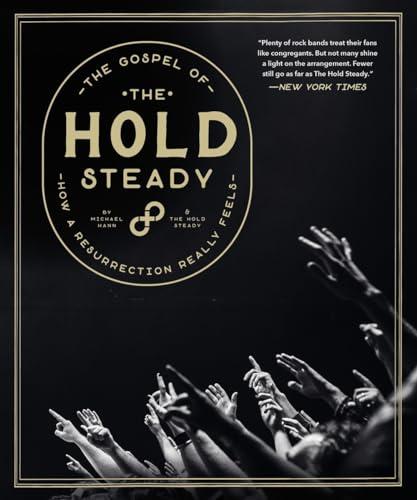
How a Resurrection Really Feels
The book was highlighted during a discussion about job satisfaction, where host PJ Vogt noted that it was a new oral history celebrating the band's 20‑year milestone and suggested listeners could pick up a copy. It was presented as a relevant, timely release for fans, without extensive critique or praise.
This oral history book, written in collaboration with music writer Michael Hahn, celebrates the band's 20th anniversary. It was mentioned as something listeners could pick up.
you can pick up a copy of the band's new oral history book celebrating their 20th anniversary
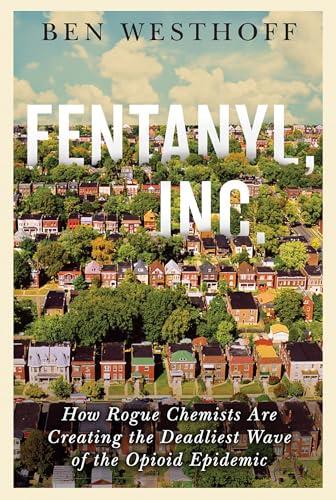
How Rogue Chemists Are Creating the Deadliest Wave of the Opioid Epidemic
The episode explored how the book traced the origins of fentanyl from its 1959 invention by Paul Janssen to its rise as a cheap synthetic street drug, emphasizing the author's firsthand visits to Chinese labs. The hosts highlighted the drug’s rapid onset, potency, and its role in the opioid epidemic, noting alarming overdose statistics. They presented the work as a valuable, eye‑opening account of the crisis.
The author discussed Paul Janssen, the inventor of fentanyl, and its unintended consequences, explaining how fentanyl became a street drug and its impact on the opioid crisis. He also detailed his experiences visiting Chinese fentanyl labs.
Janssen actually invented fentanyl a long time ago, back in 1959.
What made fentanyl superior to morphine is that it comes on faster and it goes away faster.
In 2015, they said that it was so potent that users just didn't want it. The risk of death was too high that we didn't have to worry about it.
In 2016, according to the NIH, almost 20,000 people would die from synthetic opioid overdoses. Most of that fentanyl.
Fentanyl is much cheaper than heroin because it's synthetic. It's made in a lab.
A History of Popular Music in Seven Genres
The book was highlighted as a fascinating, rapid overview of modern popular music history, with the host praising its insightful and engaging writing style. It was recommended to listeners who enjoyed the conversation and were looking for a concise yet thorough look at pop music evolution.
It was described as a fascinating book that provides a rapid overview of the history of modern popular music. The author's writing was praised for its insightful and engaging style.
very fascinating book that basically speed runs through the entire modern history of pop music
It's fascinating if you enjoyed this conversation I think you love it.
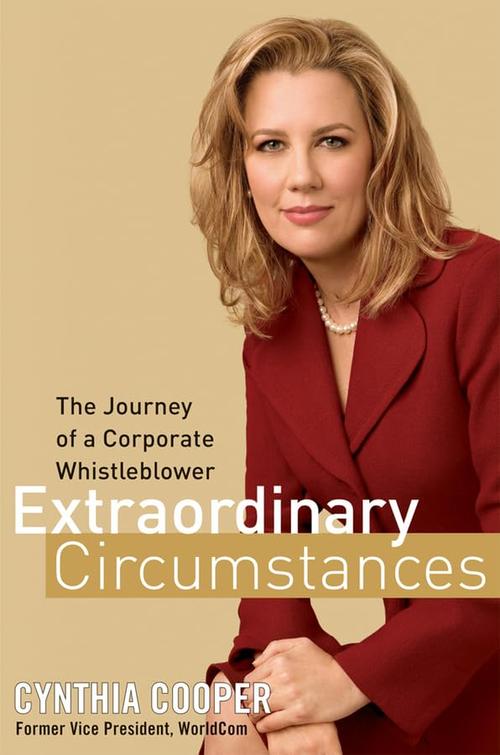
The Journey of a Corporate Whistleblower
The book was highlighted as a memoir that offers a compassionate insider’s view of the WorldCom accounting scandal, illustrating how small unethical steps can snowball into massive fraud. PJ Vogt referenced the work while discussing the gradual nature of corporate scams, emphasizing its relevance to understanding whistleblower experiences.
It's a memoir detailing the construction of a fraud, written from the perspective of a compassionate observer who was involved in the WorldCom accounting scandal. The book starts with a scene at a baby shower for her coworkers, many of whom would later face jail time.
She says that these frauds and these scams, like it never starts out that way. Nobody like goes into a business like this and goes, I'm gonna rip off the whole world. It's not how anyone operates. You take one step in the wrong direction and then it just snowballs after that.
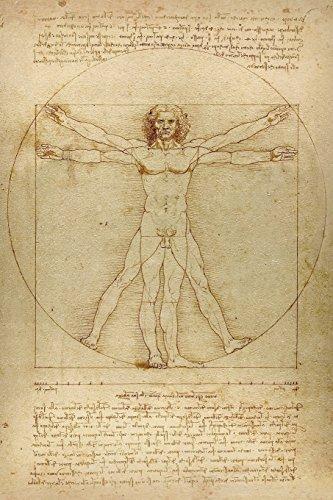
120 College ruled lined pages - Leonardo da Vinci’s Notebook, Journal, Sketchbook, Diary, Manuscript (The Vitruvian Man)
The hosts highlighted the book as a historically significant document, noting its cultural importance and mentioning that its auction price was surpassed by a copy of the United States Constitution. They used the comparison to illustrate the book's value and relevance in historical collections.
A Guide for Users and Losers
The podcast highlighted the title when discussing inflation, noting that political economist Mark Blyth co‑authored it. The hosts said the book challenged conventional wisdom by presenting an alternative view of inflation’s causes and possible solutions. They presented it as a thought‑provoking contribution to the debate.
Note: The book recommendations on this page are discovered automatically from podcast transcripts, and may be incorrect or incomplete.
Podcast Name