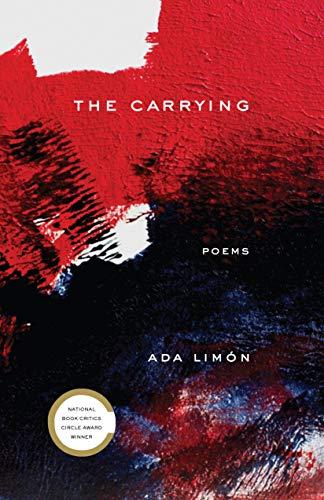
The Carrying
Ada Limón
Mentioned 2 years ago
“The End of Poetry” by Ada Limón
Wisdom to replenish and orient in a tender, tumultuous time to be alive. Spiritual inquiry, science, social healing, and poetry. Conversations to live by. With a 20-year archive featuring luminaries like Mary Oliver, Thich Nhat Hanh, and Desmond Tutu, each episode brings a new discovery about t...
Recently mentioned
Ada Limón
Mentioned 2 years ago
“The End of Poetry” by Ada Limón
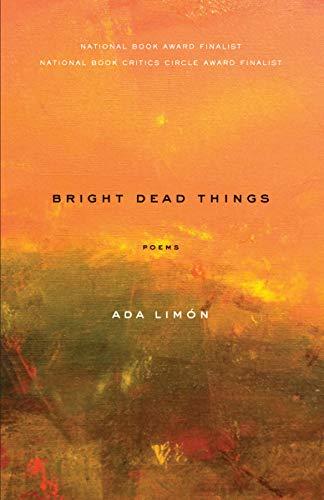
Ada Limón
Mentioned 2 years ago
“The End of Poetry” by Ada Limón
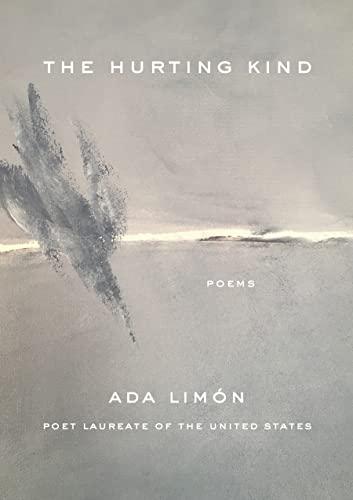
Ada Limón
Mentioned 2 years ago
“The End of Poetry” by Ada Limón
David Nicholls
Mentioned 2 years ago
“The End of Poetry” by Ada Limón
Atul Gawande
Mentioned 2 years ago
Atul Gawande — On Mortality and Meaning
Cixin Liu
Mentioned 2 years ago
Atul Gawande — On Mortality and Meaning
Royce Josiah
Mentioned 2 years ago
Atul Gawande — On Mortality and Meaning
Atul Gawande
Mentioned 2 years ago
Atul Gawande — On Mortality and Meaning
Elizabeth Alexander
Mentioned 2 years ago
“Ars Poetica #100: I Believe” by Elizabeth Alexander
Padmasambhava
Mentioned 2 years ago
Luis Alberto Urrea — On Our Belonging to Each Other
Luis Alberto Urrea
Mentioned 2 years ago
Luis Alberto Urrea — On Our Belonging to Each Other
Luis Alberto Urrea
Mentioned 2 years ago
Luis Alberto Urrea — On Our Belonging to Each Other
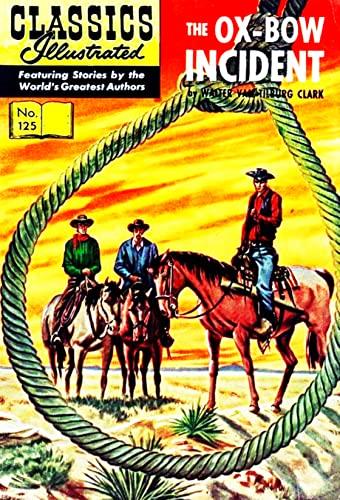
Classics Illustrated 125
This 1943 noir western, about vigilante justice and the dangers of mob mentality, impacted the listener's view on justice. It highlighted the importance of upholding the law and speaking out against injustice, even when facing potential consequences.
I suppose it's no good telling you again that we're innocent. No good. It's not for myself, I'm asking. Other men with families who had to die for this sort of thing, it's too bad, but it's justice.
— Episode: Rubén Blades, Ashley C. Ford, David Gree...
This 1943 noir western, about vigilante justice and the dangers of mob mentality, impacted the listener's view on justice. It highlighted the importance of upholding the law and speaking out against injustice, even when facing potential consequences.
I suppose it's no good telling you again that we're innocent. No good. It's not for myself, I'm asking. Other men with families who had to die for this sort of thing, it's too bad, but it's justice.
Justice? What do you care about justice? You don't even care whether you've got the right men or not. All you know is you've lost something and somebody's got to be punished.
Man just naturally can't take the law into his own hands and hang people without hurting everybody in the world. Because then he's just not breaking one law, but all laws.
Knowledgeable Men, Jew And Gentile, Speak Out Regarding The International Zionist Conspiracy
This book, read by Imam Antepli in his youth, alongside "Mein Kampf," significantly contributed to his anti-Semitic views and beliefs.
The second book was Henry Ford's International Jew. And of course, immediately after it, I read Mein Kampf.
— Episode: [Unedited] Sarah Bassin and Abdullah Ant...
This book, read by Imam Antepli in his youth, alongside "Mein Kampf," significantly contributed to his anti-Semitic views and beliefs.
The second book was Henry Ford's International Jew. And of course, immediately after it, I read Mein Kampf.
Imam Antepli's reading of this book in his youth intensified his anti-Semitic sentiments, leading him to, in his own words, "glorify the Holocaust."
And of course, immediately after it, I read Mein Kampf. And before the age of 15, I was sufficiently anti-Semitic.
— Episode: [Unedited] Sarah Bassin and Abdullah Ant...
Imam Antepli's reading of this book in his youth intensified his anti-Semitic sentiments, leading him to, in his own words, "glorify the Holocaust."
And of course, immediately after it, I read Mein Kampf. And before the age of 15, I was sufficiently anti-Semitic.
When I read Mein Kampf, it made so much sense to me. That my reaction to Mein Kampf was not denying Holocaust, but glorifying Holocaust. Saying this guy had a point. I hope somebody will finish the job, unfortunately.
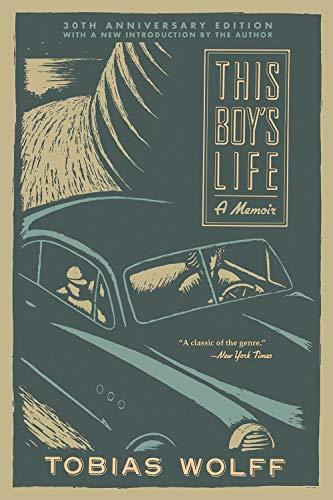
A Memoir
The speaker referenced the movie adaptation of this memoir, focusing on the contrast between the difficult aspects of the story and the more hopeful moments, which were highlighted as particularly impactful.
I remember asking Tobias Wolfe when he saw his movie of This Boy's Life, you know, that great memoir, was it hard to watch? I watched it. I sat behind him and his family and his mother was there and I...
— Episode: [Unedited] Mary Karr with Krista Tippett
The speaker referenced the movie adaptation of this memoir, focusing on the contrast between the difficult aspects of the story and the more hopeful moments, which were highlighted as particularly impactful.
I remember asking Tobias Wolfe when he saw his movie of This Boy's Life, you know, that great memoir, was it hard to watch? I watched it. I sat behind him and his family and his mother was there and I said, boy, that was so, I cried. I said, that was so hard for me. Was it hard for you to watch?
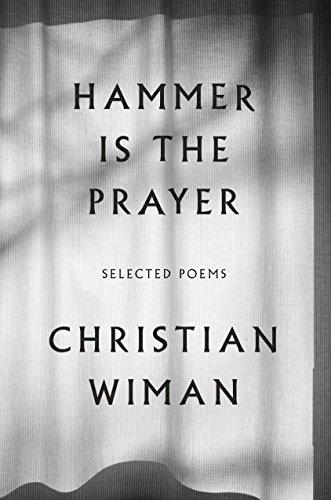
Selected Poems
It was mentioned as Christian Wiman's most recently published book at the time of the interview, in 2012. The podcast host described Wiman's essays as philosophical or theologically reflective, always honest and poetic.
He's published several volumes of poetry and prose, most recently Hammer Is the Prayer.
— Episode: Christian Wiman — How Does One Remember...
It was mentioned as Christian Wiman's most recently published book at the time of the interview, in 2012. The podcast host described Wiman's essays as philosophical or theologically reflective, always honest and poetic.
He's published several volumes of poetry and prose, most recently Hammer Is the Prayer.
There is no consolation in the thought of God, he said, slamming another nail in another house, another havoc had half taken. Grace is not consciousness, nor is it beyond. To hell with remembrance, to hell with heaven, Hammer Is the Prayer of the poor and the dying. And as wind in some lordless random comes to rest and all the disquieted dust within, peace came to the hinterlands of our minds. Too remote to know, but peace nonetheless.
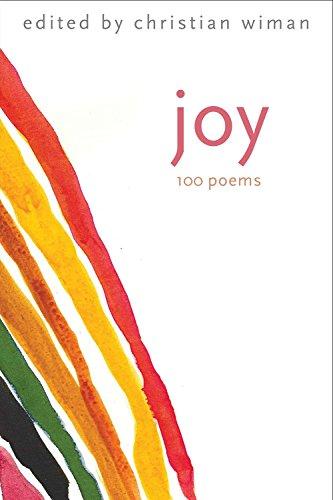
100 Poems
This was mentioned as one of Christian Wiman's two new books published around the time of this 2012 interview.
His two new books are Hammer is the Prayer and Joy, 100 Poems.
— Episode: Christian Wiman — How Does One Remember...
This was mentioned as one of Christian Wiman's two new books published around the time of this 2012 interview.
His two new books are Hammer is the Prayer and Joy, 100 Poems.
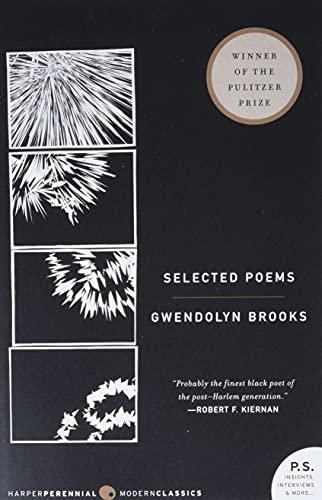
This book of selected poems contains the last poem written by Osip Mandelstam before his death, which speaks of hope and persistence despite dire circumstances. The speaker mentioned having received a copy and that it contained a poem that might fit in well with the conversation.
I was alive in the blizzard of the blossoming pear. Myself I stood in the storm of the bird cherry tree. It was all leaf life and star shower, unerring, self-shattering power. And it was all aimed at...
— Episode: [Unedited] Christian Wiman with Krista T...
This book of selected poems contains the last poem written by Osip Mandelstam before his death, which speaks of hope and persistence despite dire circumstances. The speaker mentioned having received a copy and that it contained a poem that might fit in well with the conversation.
I was alive in the blizzard of the blossoming pear. Myself I stood in the storm of the bird cherry tree. It was all leaf life and star shower, unerring, self-shattering power. And it was all aimed at me.
What is this dire delight flowering, fleeing always earth? What is being? What is truth? Blossoms rupture and rapture the air. All hover and hammer time intensified and time intolerable sweetness. Ravelling rot. It is now. It is not.
Ellen Burstyn read an abridged version of this whimsical and touching story about a doctor and a rabbi, exploring themes of healing, spirituality, and the interconnectedness of life.
The doctor went to see the rabbi. Tell me, rabbi, please, he said. About God.
— Episode: Claire Danes, Ellen Burstyn, Tracy K. Sm...
Ellen Burstyn read an abridged version of this whimsical and touching story about a doctor and a rabbi, exploring themes of healing, spirituality, and the interconnectedness of life.
The doctor went to see the rabbi. Tell me, rabbi, please, he said. About God.
Not for the usual sins, she said, for the sin of living small.
I gave you the blood of other religions, he blurted. She laughed out loud, lifting out the croissant. No problem, she said. I like what you gave me. It's great.
This poem by Auden was described as a significant influence on the speaker's life, exploring the connection between erotic and spiritual experiences.
He saw his own erotic experience, and by extension the mixed up and in every sense screwed up erotic experience that we all have, as one of the ways that spiritual experience is offered to us.
— Episode: Adam Gopnik — Practicing Doubt, Redrawin...
This poem by Auden was described as a significant influence on the speaker's life, exploring the connection between erotic and spiritual experiences.
He saw his own erotic experience, and by extension the mixed up and in every sense screwed up erotic experience that we all have, as one of the ways that spiritual experience is offered to us.
that those of us whose experience of transcendence is rooted in our carnal passions still have a place at this staple.
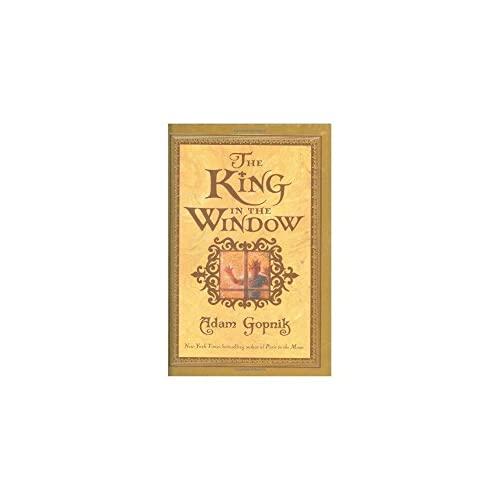
Gopnik described this children's book as the most important he's written, pouring his personal mythology into it to explore the experience of soulfulness. He used the allegory of a father losing his soul to the master of mirrors (transposed to the world of screens) and his son's rescue mission.
Of all the books I've ever written, Krista, the one that was most important for me and to which I poured the most of myself in my own personal mythology was apparently a children's book I wrote called...
— Episode: [Unedited] Adam Gopnik with Krista Tippe...
Gopnik described this children's book as the most important he's written, pouring his personal mythology into it to explore the experience of soulfulness. He used the allegory of a father losing his soul to the master of mirrors (transposed to the world of screens) and his son's rescue mission.
Of all the books I've ever written, Krista, the one that was most important for me and to which I poured the most of myself in my own personal mythology was apparently a children's book I wrote called The King in the Window, which I wrote for my son Luke.
This book was mentioned in a discussion about the question, "Where are you from?" and its various interpretations, particularly how it can be used to gauge someone's racial identity and origins, and was used as an example of how this question can have very different, and sometimes conflicting meanings.
Then this book, the Traumarchan is like the opposite side of that, which is the immigrant. Not me in this case, but an immigrant I was writing about who gets shot in the face by a white supremacist af...
— Episode: [Unedited] Anand Giridharadas and Whitne...
This book was mentioned in a discussion about the question, "Where are you from?" and its various interpretations, particularly how it can be used to gauge someone's racial identity and origins, and was used as an example of how this question can have very different, and sometimes conflicting meanings.
Then this book, the Traumarchan is like the opposite side of that, which is the immigrant. Not me in this case, but an immigrant I was writing about who gets shot in the face by a white supremacist after 9-11. And the only thing he heard from the shooter right before he got shot was where you from.
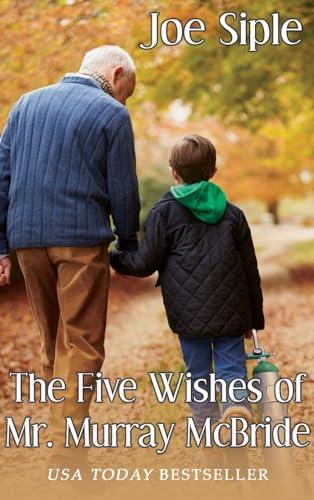
An advanced directive and medical power of attorney, it was mentioned as a helpful document to consider one's end-of-life wishes and treatment. Copies of the book were given to those needing assistance with their end-of-life planning.
When Terry Shiva was dying I became I ordered 20 copies of five wishes and gave them to everyone I know
— Episode: [Unedited] Joan Halifax with Krista Tipp...
An advanced directive and medical power of attorney, it was mentioned as a helpful document to consider one's end-of-life wishes and treatment. Copies of the book were given to those needing assistance with their end-of-life planning.
When Terry Shiva was dying I became I ordered 20 copies of five wishes and gave them to everyone I know
The book explores the social lives of networked teens and how technology intersects with their everyday lives, challenging preconceived notions about the transformative power of the internet.
The topic of her book, it's complicated.
— Episode: danah boyd — The Internet of the Good, t...
The book explores the social lives of networked teens and how technology intersects with their everyday lives, challenging preconceived notions about the transformative power of the internet.
The topic of her book, it's complicated.
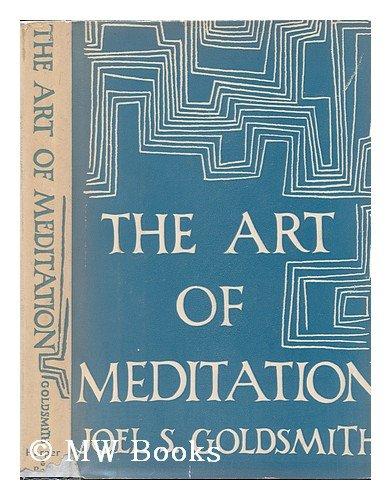
Matthieu Ricard mentioned he had a book on the art of meditation coming out in the UK in January, but did not specify if this was a paperback or hardcover edition.
Have a book on art of meditation coming out. Is it coming out in English? It's coming out in UK in January.
— Episode: [Unedited] Matthieu Ricard with Krista T...
Matthieu Ricard mentioned he had a book on the art of meditation coming out in the UK in January, but did not specify if this was a paperback or hardcover edition.
Have a book on art of meditation coming out. Is it coming out in English? It's coming out in UK in January.
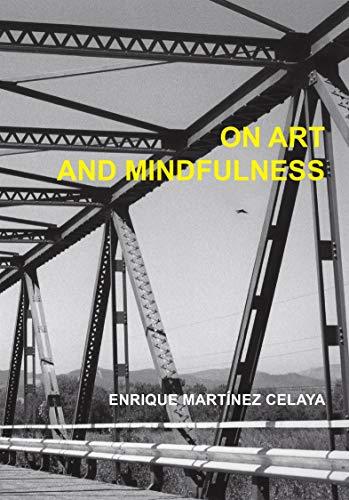
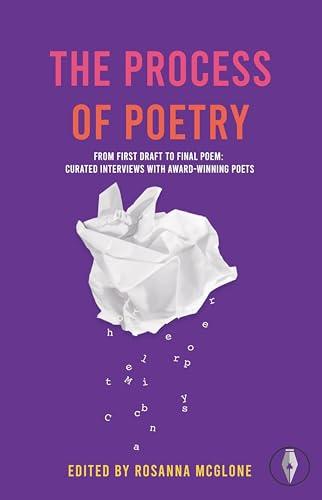
It was a book published around an exhibition of the same name, exploring the idea of poetry's influence on art, not just in content but also in the process of creation itself. The author discussed the book's aim to view poetry as a foundation for truth and metaphor, examining how this perspective shapes the artistic process.
So this was a book that was a symbol around an exhibition called Poetry and Process.
— Episode: [Unedited] Enrique Martínez Celaya with...
It was a book published around an exhibition of the same name, exploring the idea of poetry's influence on art, not just in content but also in the process of creation itself. The author discussed the book's aim to view poetry as a foundation for truth and metaphor, examining how this perspective shapes the artistic process.
So this was a book that was a symbol around an exhibition called Poetry and Process.
And it was an interesting conversation between the creator and I about the idea of poetry when people were not just talk about poetry.
And the work we influenced by poetry, they're almost always mean the content of the work. They work their inspired by a poet and then they make the work that you have, the image, whatever.
I'm interested in poetry as a certain kind of foundation of truth, a certain work in some metaphor.
And we're trying to look at that from the point of view of the very process of making work as suggestive a point in two poetry.
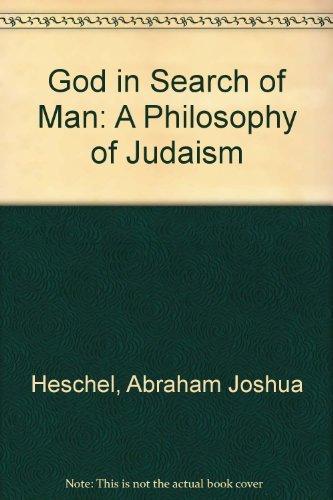
A Philosophy of Judaism
It was first encountered by a 16 year old in a class on contemporary Jewish thinkers. The student found Heschel's critique of irrelevant and dull religious experiences relatable to his own experiences in his synagogue.
It is customary to blame secular science and anti-religious philosophy for the eclipse of religion in modern society. It would be more honest to blame religion for its own defeats.
— Episode: Arnold Eisen -- The Spiritual Audacity o...
It was first encountered by a 16 year old in a class on contemporary Jewish thinkers. The student found Heschel's critique of irrelevant and dull religious experiences relatable to his own experiences in his synagogue.
It is customary to blame secular science and anti-religious philosophy for the eclipse of religion in modern society. It would be more honest to blame religion for its own defeats.
Religion declined not because it was refuted, but because it became irrelevant, dull, oppressive, insipid.
Note: The book recommendations on this page are discovered automatically from podcast transcripts, and may be incorrect or incomplete.
Podcast Name