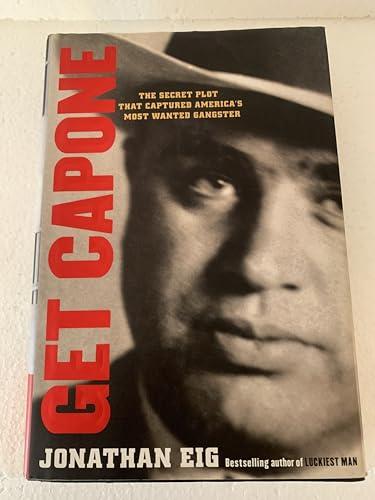
Get Capone
Jonathan Eig
Mentioned 5 months ago
St. Valentines Day Massacre | Public Enemy No. 1 | 2
The Cold War, Prohibition, the Gold Rush, the Space Race. Every part of your life - the words you speak, the ideas you share - can be traced to our history, but how well do you really know the stories that made America? We'll take you to the events, the times and the people that shaped our nation. A...
Recently mentioned
Jonathan Eig
Mentioned 5 months ago
St. Valentines Day Massacre | Public Enemy No. 1 | 2
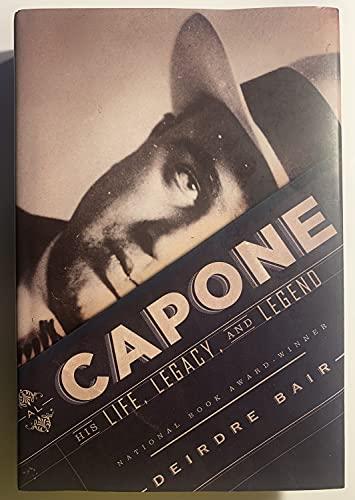
Deirdre Bair
Mentioned 5 months ago
St. Valentines Day Massacre | Public Enemy No. 1 | 2
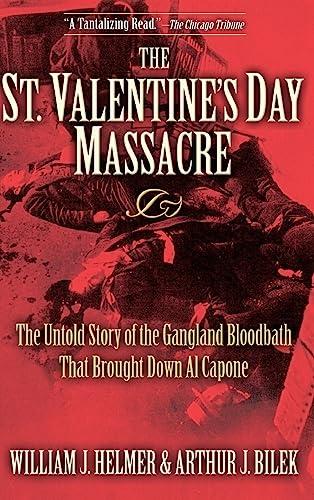
William J. Helmer
Mentioned 5 months ago
St. Valentines Day Massacre | Public Enemy No. 1 | 2
Troy Taylor
Mentioned 5 months ago
St. Valentines Day Massacre | Public Enemy No. 1 | 2
David J. Silverman
Mentioned 7 months ago
The Mayflower | The Thanksgiving Myth | 5
David J. Silverman
Mentioned 7 months ago
The Mayflower | The Thanksgiving Myth | 5
William Bradford
Mentioned 7 months ago
The Mayflower | Cutthroats | 4
Charles Darwin
Mentioned 7 months ago
History Daily: Darwin’s Origin of Species
A. Helwa
Mentioned 7 months ago
History Daily: Darwin’s Origin of Species
Tom Clavin
Mentioned 8 months ago
Shootout at the O.K. Corral | Vendetta | 4
Jeff Guinn
Mentioned 8 months ago
Shootout at the O.K. Corral | Vendetta | 4
John Boessenecker
Mentioned 8 months ago
Shootout at the O.K. Corral | Vendetta | 4

Euclidean, Non-Euclidean, and Relativistic
Moe Berg was seen reading this highly technical book in the bullpen during a doubleheader, which surprised a teammate due to its complexity.
Relativistic non-Euclid... Oh my god, I don't even know what these words mean. Relativistic non-Euclidean space-time. Give it back. Fine, here. What's so great about this book that you can't even talk...
— Episode: The Bastard Brigade - The Strangest Man...
Moe Berg was seen reading this highly technical book in the bullpen during a doubleheader, which surprised a teammate due to its complexity.
Relativistic non-Euclid... Oh my god, I don't even know what these words mean. Relativistic non-Euclidean space-time. Give it back. Fine, here. What's so great about this book that you can't even talk to me?
And no one could ever forget the time he polished off a book on non-Euclidean relativistic space-time in the bullpen during a doubleheader.
Presented by the Hit Podcast American History Tellers
This new book, inspired by the podcast, promised to take readers inside fierce power struggles, world-altering decisions, and shocking scandals that shaped the nation's history related to the White House.
Inspired by the hit podcast, American History Tellers, Wondery and William Morrow present the new book, The Hidden History of the White House.
— Episode: The Bastard Brigade - The Strangest Man...
This new book, inspired by the podcast, promised to take readers inside fierce power struggles, world-altering decisions, and shocking scandals that shaped the nation's history related to the White House.
Inspired by the hit podcast, American History Tellers, Wondery and William Morrow present the new book, The Hidden History of the White House.
Order The Hidden History of the White House now in hardcover or digital edition wherever you get your books.
From Riot to Renaissance in Tulsa's Historic Greenwood District
The Tulsa Riot of 1921
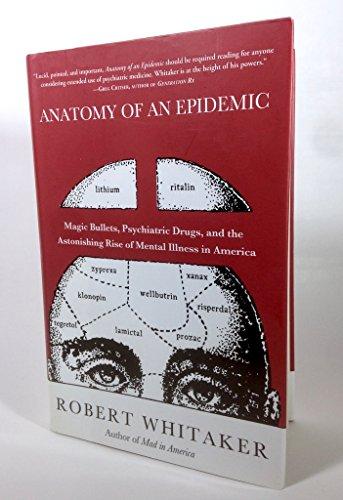
Magic Bullets, Psychiatric Drugs, and the Astonishing Rise of Mental Illness in America
The hosts recommended this book for learning more about Ebola after concluding the episode.
If you'd like to learn more about Ebola, we can recommend a great book we drew on for this episode, Epidemic by Reed Wilson.
— Episode: Sponsored | American Epidemics - Dark Da...
The hosts recommended this book for learning more about Ebola after concluding the episode.
If you'd like to learn more about Ebola, we can recommend a great book we drew on for this episode, Epidemic by Reed Wilson.
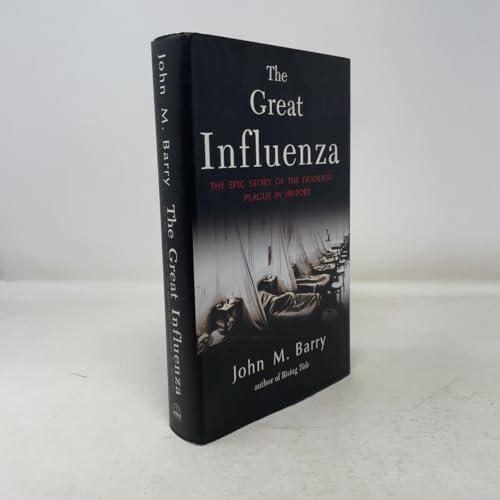
The Epic Story of the Deadliest Plague in History
This book was recommended for listeners who wanted to learn more about the Spanish Influenza. The podcast drew upon this book for details in the episode.
If you'd like to learn more about the Spanish Influenza, we recommend a great book we drew on for this episode. The Great Influenza, the Story of the Deadliest Pandemic in History by...
— Episode: Sponsored | American Epidemics - The Gre...
This book was recommended for listeners who wanted to learn more about the Spanish Influenza. The podcast drew upon this book for details in the episode.
If you'd like to learn more about the Spanish Influenza, we recommend a great book we drew on for this episode. The Great Influenza, the Story of the Deadliest Pandemic in History by John M. Berry.
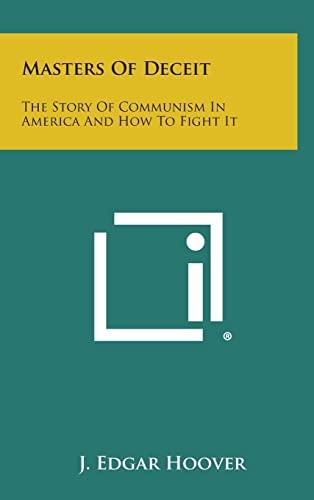
The Story of Communism in America and How to Fight It
The book was mentioned in the context of questions posed by reporter Jack Nelson regarding who really wrote it and where the profits from it went.
Who really wrote Hoover's book, Masters of Deceit, and where did those profits go?
— Episode: J. Edgar Hoover's FBI - Citizens Resista...
The book was mentioned in the context of questions posed by reporter Jack Nelson regarding who really wrote it and where the profits from it went.
Who really wrote Hoover's book, Masters of Deceit, and where did those profits go?
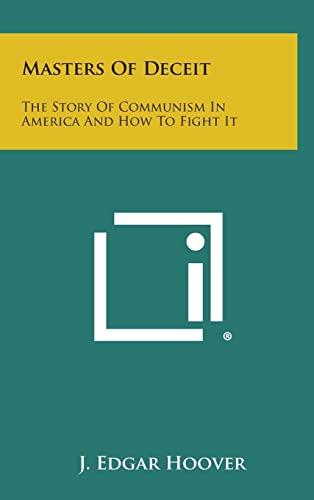
The Story of Communism in America and How to Fight It
This book on communism, published by Hoover in 1958, was reviewed by The New York Times, which accused him of overstating the communist threat within the US.
In 1958, Hoover published a book on communism called Masters of Deceit.
— Episode: J. Edgar Hoover's FBI - Black Bag Job |...
This book on communism, published by Hoover in 1958, was reviewed by The New York Times, which accused him of overstating the communist threat within the US.
In 1958, Hoover published a book on communism called Masters of Deceit.
A New York Times review of the book accused Hoover of overstating the communist threat.
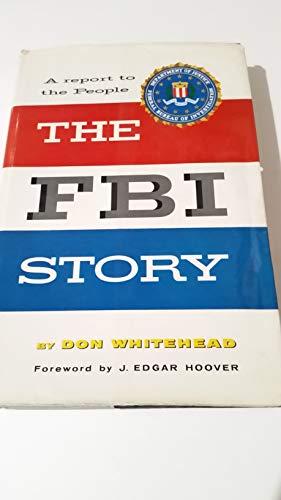
A Report to the People
This was an authorized FBI history published in 1956, which was the basis for a 1959 hit motion picture starring Jimmy Stewart.
They could point to the success of Don Whitehead's best-selling authorized FBI history in 1956 as evidence of the public's thirst for FBI stories, as well as the 1959 hit motion picture The FB...
— Episode: J. Edgar Hoover's FBI - Black Bag Job |...
This was an authorized FBI history published in 1956, which was the basis for a 1959 hit motion picture starring Jimmy Stewart.
They could point to the success of Don Whitehead's best-selling authorized FBI history in 1956 as evidence of the public's thirst for FBI stories, as well as the 1959 hit motion picture The FBI Story based on Whitehead's book and starring Jimmy Stewart.
The Authoritative Guide to Navigating Crime Scenes
This book, written by Max Lowenthal, a friend of President Truman, was considered a 'hit piece' by the FBI, alleging massive spying and public relations campaigns, though the FBI attempted to stop its publication.
Mr. Hoover won't tolerate any more Gestapo talk. I'm sorry, but I don't see what that book has to do with this administration.
— Episode: J. Edgar Hoover's FBI - Controlling the...
This book, written by Max Lowenthal, a friend of President Truman, was considered a 'hit piece' by the FBI, alleging massive spying and public relations campaigns, though the FBI attempted to stop its publication.
Mr. Hoover won't tolerate any more Gestapo talk. I'm sorry, but I don't see what that book has to do with this administration.
I wonder if there is anything that can be done to stop the publication of the book.
Much of what Lowenthal alleged in the book was correct, thanks to his sources in government, including former FBI agents. Lowenthal charged that the Bureau was engaged in massive spying and public relations campaigns.
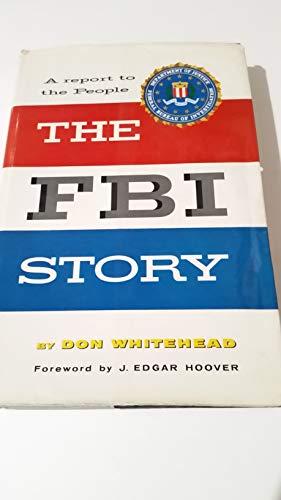
A Report to the People
This was an authorized FBI history, largely written by Bureau staff, that avoided discussing domestic surveillance and was promoted as objective journalism, becoming a New York Times bestseller.
That meeting resulted in one of the most important publications in FBI history. The FBI story, A Report to the People by Don Whitehead, appeared in 1956.
— Episode: J. Edgar Hoover's FBI - Controlling the...
This was an authorized FBI history, largely written by Bureau staff, that avoided discussing domestic surveillance and was promoted as objective journalism, becoming a New York Times bestseller.
That meeting resulted in one of the most important publications in FBI history. The FBI story, A Report to the People by Don Whitehead, appeared in 1956.
In his foreword, Hoover claimed the book was a work of objective journalism by an award-winning reporter. He wrote, This volume, then, is Mr. Whitehead's report. He has selected the material which has been used, and the facts reported are supported by the Bureau's record.
The FBI edited and approved the final product, something no objective journalist would allow.
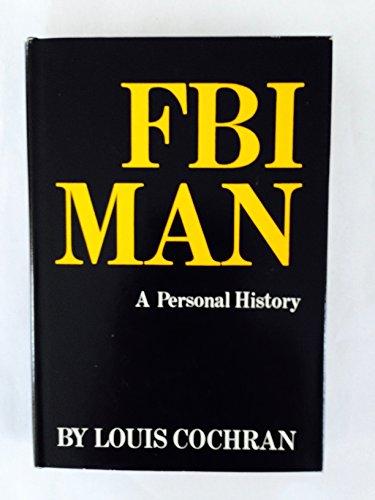
A personal history
This memoir by a former FBI agent described the scene after Ben Dixon was shot, detailing how Dixon lay on his back with his eyes closed and his hat nearby.
Former FBI agent Louis B. Cochran wrote about the couple in his memoir titled FBI Man.
— Episode: J. Edgar Hoover's FBI - The Bobby Sox Ba...
This memoir by a former FBI agent described the scene after Ben Dixon was shot, detailing how Dixon lay on his back with his eyes closed and his hat nearby.
Former FBI agent Louis B. Cochran wrote about the couple in his memoir titled FBI Man.
Cochran was on the scene the day Ben Dixon was shot. But he described how after the shooting, Ben Dixon lay on his back, his eyes closed tight, his hands on his weapons, one leg cramped under him, his hat by his side.
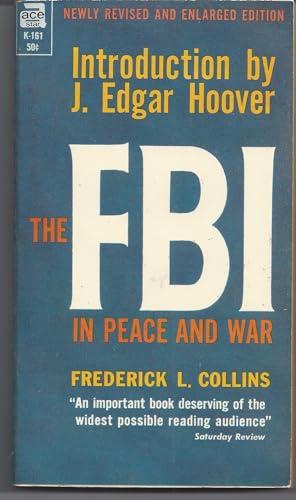
The radio show's title was changed to this after Hoover objected to the original title, and the show was based on this copyrighted book by Frederick Collins.
He changed the title from This Is the FBI to The FBI in Peace and War after the title of his best-selling book.
— Episode: J. Edgar Hoover's FBI - The Bobby Sox Ba...
The radio show's title was changed to this after Hoover objected to the original title, and the show was based on this copyrighted book by Frederick Collins.
He changed the title from This Is the FBI to The FBI in Peace and War after the title of his best-selling book.
Another great story based on Frederick L. Collins' copyrighted book, The FBI in Peace and War.
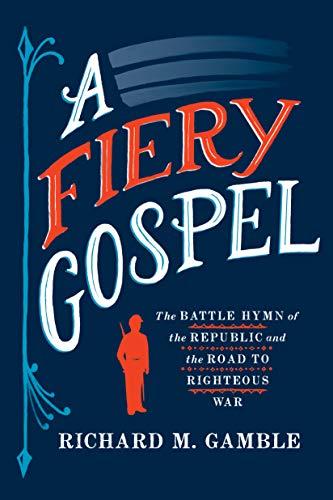
The Battle Hymn of the Republic and the Road to Righteous War (Religion and American Public Life)
The book was the subject of discussion, detailing Richard Gamble's six years of research into the origin of "The Battle Hymn of the Republic," its writer, influences, and its historical use.
On our last special episode of American History Tellers, we ask you a question. If you could be an everyday person at some point in American history, which time period would you choose and why?
— Episode: America's Anthem | 7
The book was the subject of discussion, detailing Richard Gamble's six years of research into the origin of "The Battle Hymn of the Republic," its writer, influences, and its historical use.
On our last special episode of American History Tellers, we ask you a question. If you could be an everyday person at some point in American history, which time period would you choose and why?
Check out his new book, A Fiery Gospel, The Battle Hymn of the Republic and the Road to Righteous War.
The speaker mentioned that this book was located in one of the saddlebags being delivered by the traveling librarian, suggesting it was available for loan.
And I know that Robert Louis Stevenson book's in here somewhere, too.
— Episode: The Great Depression - Progress and Push...
The speaker mentioned that this book was located in one of the saddlebags being delivered by the traveling librarian, suggesting it was available for loan.
And I know that Robert Louis Stevenson book's in here somewhere, too.
I wonder if I can find Treasure Island.
Studs Terkel, a chronicler of the Depression era, reflected on the gradual diminishing of guests at his mother's hotel in his introduction to this book about life during the economic crisis.
In his introduction to the book Hard Times, he reflected that the Wells Grand's 50 rooms had always been occupied through the 20s and there was always a long waiting list to fill.
— Episode: The Great Depression - The Crash | 1
Studs Terkel, a chronicler of the Depression era, reflected on the gradual diminishing of guests at his mother's hotel in his introduction to this book about life during the economic crisis.
In his introduction to the book Hard Times, he reflected that the Wells Grand's 50 rooms had always been occupied through the 20s and there was always a long waiting list to fill.
This new book on peace and foreign policy looked back on the players, politics, and strategies that contributed to the failure to mediate a peace deal in Afghanistan over 20 years.
The Afghan Impasse, a new book on peace and foreign policy, looks back on the players, politics, and strategies that contributed to one of the biggest failures in modern peace negotiations.
— Episode: The Great Depression - The Crash | 1
This new book on peace and foreign policy looked back on the players, politics, and strategies that contributed to the failure to mediate a peace deal in Afghanistan over 20 years.
The Afghan Impasse, a new book on peace and foreign policy, looks back on the players, politics, and strategies that contributed to one of the biggest failures in modern peace negotiations.
An Inside History of the American Presidency
This book was discussed as the guest's latest work, which explores the history of political messaging and the development of the White House spin machine starting in the 20th century with Theodore Roosevelt.
We also talk about his latest book "Republic of Spin: An Inside History of the American Presidency," which explores the history of political messaging inside the White House.
— Episode: Does History Repeat Itself? | 4
This book was discussed as the guest's latest work, which explores the history of political messaging and the development of the White House spin machine starting in the 20th century with Theodore Roosevelt.
We also talk about his latest book "Republic of Spin: An Inside History of the American Presidency," which explores the history of political messaging inside the White House.
We also talk about his most recent book, Republic of Spin, an inside history of the American presidency.
In it, he examines the history of political messaging by the White House.
One of the arguments I make in Republic of Spin, and it is an argument although I try not to present it in kind of relentless, polemical form, is that spin is as old as politics.
And that's really what the book is about.
A Novel
Peggy Trotter Dammond Preacely and her brother learned to read from this book, which collected slave narratives, and it included the story of their ancestors, William and Ellen Craft.
My brother and I both learned to read from a book called Underground Railroad that was written by William Still, who collected slave narratives from around the country.
— Episode: Civil Rights - Interview with Peggy Trot...
Peggy Trotter Dammond Preacely and her brother learned to read from this book, which collected slave narratives, and it included the story of their ancestors, William and Ellen Craft.
My brother and I both learned to read from a book called Underground Railroad that was written by William Still, who collected slave narratives from around the country.
And the story of my ancestors, William and Ellen Craft, who escaped from slavery in 1848 from Macon, Georgia, they have a chapter in that book.
The guest and her brother read the actual words written by her ancestors, William and Ellen Craft, which was noted for its stilted English language style typical of how people spoke in England.
And actually, we were reading from the actual book, Running 1,000 Miles for Freedom by William and Ellen Craft.
— Episode: Civil Rights - Interview with Peggy Trot...
The guest and her brother read the actual words written by her ancestors, William and Ellen Craft, which was noted for its stilted English language style typical of how people spoke in England.
And actually, we were reading from the actual book, Running 1,000 Miles for Freedom by William and Ellen Craft.
And the interesting thing about it is the words were more of like the stilted English language, the way the English speak.
Note: The book recommendations on this page are discovered automatically from podcast transcripts, and may be incorrect or incomplete.
Podcast Name