
Podcast
Conan O’Brien Needs A Friend
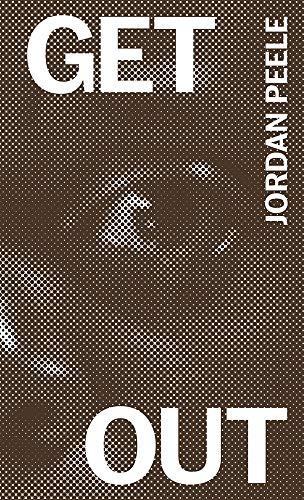
The book was highlighted when Conan and guest Jordan Peele examined how the story built tension by placing a visitor in a seemingly normal family setting before escalating horror. They noted the classic 'guest‑for‑dinner' scenario as a relatable source of dread and praised Peele’s deliberate pacing. The discussion conveyed strong admiration for the work’s storytelling technique.
Episode: Jordan Peele
The movie Get Out was discussed, it was a movie that Jordan Peele wrote and directed, and it was discussed how it carefully builds tension by acclimating the audience to seemingly normal situations before things become increasingly terrifying.
When you did Get Out, it's very important, as you said, if someone shows up, goes away for a weekend with his girlfriend and goes to a house, meet the family, if things are fucked up right away, they're out the door.
Episode: Jordan Peele
It was discussed as a film where Jordan Peele utilized the 'guest who's coming to dinner' setup to create a sense of dread, gradually escalating the tension and horror.
When you did Get Out, it's very important, as you said, if someone shows up, goes away for a weekend with his girlfriend and goes to a house, meet the family, if things are fucked up right away, they're out the door.
So you have all these reasons which I can relate to, which is, no, no, this is okay. This is all right.
I'm gonna stay here.
I'm gonna stay in this.
Okay, I can handle this.
And then things, you can, like you say, turn up the heat on the pot.
But how you do it and how gradually you do it is really important.
And that's the guest who's coming to dinner setup is one that everyone kind of connects to, which is that anxiety of meeting your in-laws for the first time or your potential in-laws and you wanna crawl out of your skin and leave, but you can't.
You're there for a reason.
So we all-
I just love too, there's like, is it Bradley Whiffer? He says, oh man, Obama, greatest president, right?
And you just think, okay, this is- I would have voted for him a third time.
But I was just thinking like, to me that's also a funny comedy situation too, which is this white person is way over, is pushing it.
Do you know what I mean?
Well, yeah, that was the element of it.
And I'm sorry I said that to you when you came in today.
Well, yeah, that you should- Obama, man, right?
A little tone deaf.
It was a little tone deaf.
There's just such a thing as being too colorblind.
You don't-
I'm sorry.
I was trying to get in good with you right away and it was weird.
You're good.
We know each other.
Yeah, but then I was saying he should be a Supreme Court justice and you said, let's let it go.
I like you too.
Yeah, I don't need to be cast as your judge.
I don't need to be president of the United States.
No, but look, I mean, we're obviously joking, but it's this, and it is in its essence, it's kind of a Key and Peele sketch.
It's an observation of being black in white spaces.
And in that time, I don't remember it having sort of been said like that.
And so, I remember just writing that and feeling like, it was the moment I realized I had to direct the film that I was writing.
Because I was like, I don't know anybody who can do that, who can direct that much.