Podcast
Stay Tuned with Preet
It was discussed that people tend to be short-sighted in decision-making, failing to consider future consequences, despite having more information about the future than ever before. The book challenged the notion that humans lack foresight, arguing instead that it's a matter of will and know-how.
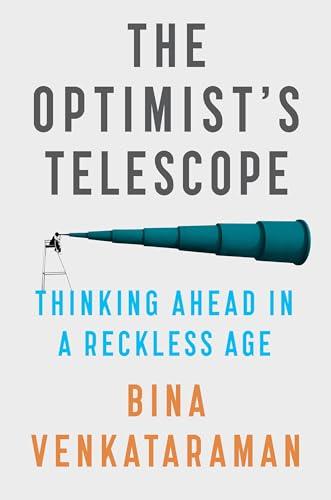
In 2019, she published her book The Optimist's Telescope, Thinking Ahead in a Reckless Age, about how to visualize and plan for the long run.
— Episode: An Optimist's Eye (with Bina Venkatarama...
Episode: An Optimist's Eye (with Bina Venkataraman)
It was discussed that people tend to be short-sighted in decision-making, failing to consider future consequences, despite having more information about the future than ever before. The book challenged the notion that humans lack foresight, arguing instead that it's a matter of will and know-how.
In 2019, she published her book The Optimist's Telescope, Thinking Ahead in a Reckless Age, about how to visualize and plan for the long run.
It's called the optimist's telescope thinking ahead in a reckless age.
One of the central points of your discussion is that people are short-sighted or tend to be short-sighted when they're making decisions and they don't think about future consequences.
And the unfortunate thing about the lack of ability to have foresight and make smart decisions with smart judgments about future consequences based on current actions is that at no time in history before now, have we had such a great ability to have information about the future?
I think what we often lack is the know-how and the will to do it.