Podcast
The Jordan B. Peterson Podcast
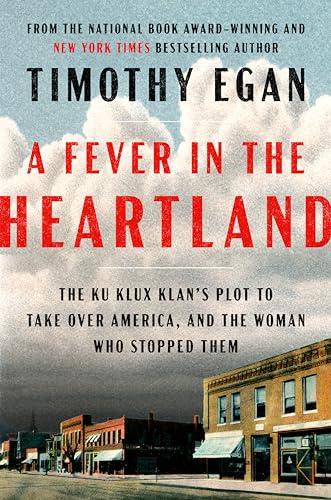
Adam Smith mentioned this book, which is about the Ku Klux Klan taking over Indiana in the early 20th century, as an example of how the history of the United States included not just the founding ideals of equality but also a history of discrimination and white supremacy.
I think I forget the name of it there's a stone mountain Georgia which is this etching of I think four Confederate generals go back to I'm like 1910 when it opened and you listen to the speeches to th...
— Episode: 395. Difficult Conversation as the Preco...
Episode: 395. Difficult Conversation as the Precondition to...
Adam Smith mentioned this book, which is about the Ku Klux Klan taking over Indiana in the early 20th century, as an example of how the history of the United States included not just the founding ideals of equality but also a history of discrimination and white supremacy.
I think I forget the name of it there's a stone mountain Georgia which is this etching of I think four Confederate generals go back to I'm like 1910 when it opened and you listen to the speeches to the people commemorating that it's a lot of white supremacy all right it's the same time the Ku Klux Klan rose up at the same time the Jim Crow got put in place was actually pretty interesting book I forget the name of it I think it's a fever in the heartland by Timmy again about how the clan took over Indiana okay not talking Alabama talking Indiana early 20th century in the fight that had to go to move that back so that history exists all right and we have to wrestle with that history and fear what does it mean how do we better treat people equal and not fall back into that now I have participated in some DEI trainings not that many um and there's two parts that I really like and then I think there's an incredible missed opportunity the parts that I like is we talk about this history because a lot of people don't understand this history I mean they they don't know it's like well okay yeah the Civil War happened the North won and there was discrimination in the South and then everything sort of sorted itself out well well no actually it didn't um well into the 70s 80s 90s okay there were significant problems in all these areas and if we educate ourselves about that history we will better understand our own country and frankly I think we'll better understand how difficult it is to achieve the ideals that you talked about that this is what we're trying to do but it doesn't necessarily come easily so understand that history and then the second piece of what they try to do is and the individual that you're working what's their story who are they okay you know if you are a black person growing up in America you had a different experience than if you were a white person growing up in America and if you're going to work for somebody whether it's in an office or a school or wherever having a conversation and understanding your colleagues I think is a very positive thing now where it goes off the beam in my estimation is it then sort of talks about how discrimination and bigotry is unique to white western culture okay yeah that yeah that's pretty that's that's what well to call that wrong is to barely scrape the surface yeah universal human proclivity it is but understand that under the circumstances and there's a lot of different reasons but white European culture emerged as the dominant culture around a 19th century thereabouts actually I'm reading a book called When China Rules the World it's written in 2009 it's an assumption about how China's coming and what's it going to be like and it sort of walks through this history of you know how and it to some degree was an accident of history you know guns germs and steel right you know whatever played out this particular group of people became dominant it was white men so therefore that discrimination was the discrimination that dominated a significant chunk of the globe it's not irrelevant all right to point out that that came to pass I think it is more helpful in going all the way back and I'll close with this to your identity comment what I find most useful is when we talk about things that talk about our shared humanity as opposed to the things that make us different and of course we're different of course men are different from women of course whatever your cultural background is it's going to make you a little bit different from somebody else it's so much better when we talk about the things that we have in common and I think one of the things we have in common no matter who you are is a feeling that other people don't understand you okay I mean that's a pretty universal thing in my experience so if you want to get together and talk about what here's my experience but we shouldn't segregated it based on race or anything like that we should put humans together and say discrimination bigotry bias these can be problems you know let's talk about how we have things in common instead of how we're different so I think we could do a lot better but again the problem is and I we had this debate in the House Armed Services Committee on this year's defense bill now that the Republicans have retaken the House I was the chairman of the committee for four years when Democrats were in charge now I'm the righty member diversity equity inclusion was a huge part of debate and the debate on the right was we got to get rid of it lock stock and barrel we just got to get rid of it um I just think there's got to be a better answer I don't necessarily not necessarily I don't like the way the far left does diversity equity and inclusion but the idea that we can just say that's all good no racism here no bigotry let's just move forward and not talk about it I am at least equally troubled by