Podcast
Behind the Bastards
It was mentioned in the context of John Wayne's upbringing, specifically the rise of muscular Christianity and its relationship with white American masculinity.
As a young man, Roosevelt had been ridiculed for his high voice, tight pants and fancy clothing, and derided as a weakling and a pumpkin lily. But Roosevelt wanted power, determined to reinvent himsel...
— Episode: Part One: John Wayne: A Dude Who Sucked
Episode: Part One: John Wayne: A Dude Who Sucked
It was mentioned in the context of John Wayne's upbringing, specifically the rise of muscular Christianity and its relationship with white American masculinity.
As a young man, Roosevelt had been ridiculed for his high voice, tight pants and fancy clothing, and derided as a weakling and a pumpkin lily. But Roosevelt wanted power, determined to reinvent himself.
He went west, rechristening himself the cowboy of the Dakotas. It was on the frontier that a new masculinity would be forged, a place where white men brought order to savagery, where men served as armed protectors and providers, where violence achieved a greater good.
If the Wild West could mold the exquisite Mr. Roosevelt into a rugged, masculine specimen, perhaps it could do the same for American manhood generally.
When the war came to a close, no amount of patriotism could obscure the fact that it had been fought at great cost and with little apparent gain. Roosevelt's model of masculinity had been found wanting.
The war, it seemed, had presented Americans with the horror of having myths about blood and fire and mutilation and blindness come true.
Episode: Part One: John Wayne: A Dude Who Sucked
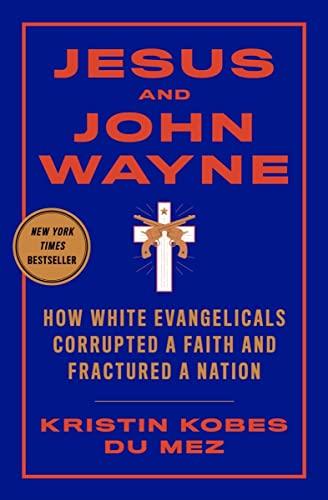
It was mentioned in relation to John Wayne's persona and the rise of Christian masculinity in the United States. The book was referenced several times throughout the episode to support the narrative.
As a young man, Roosevelt had been ridiculed for his high voice, tight pants and fancy clothing, and derided as a weakling and a pumpkin lily.
But Roosevelt wanted power, determined to reinvent himself. He went west, rechristening himself the cowboy of the Dakotas.
It was on the frontier that a new masculinity would be forged, a place where white men brought order to savagery, where men served as armed protectors and providers, where violence achieved a greater good.
If the Wild West could mold the exquisite Mr. Roosevelt into a rugged, masculine specimen, perhaps it could do the same for American manhood generally.
When the war came to a close, no amount of patriotism could obscure the fact that it had been fought at great cost and with little apparent gain.