Podcast
Fresh Air
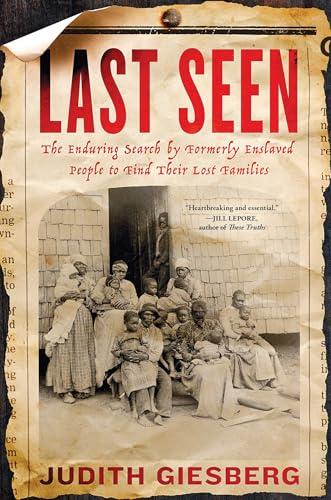
Maureen Corrigan described it as an arresting book that closely reads enslaved people's newspaper ads to give readers deeper insight into the lived experience of slavery and its aftermath.
Historian Judith Geisberg's arresting book, also called Last Seen, closely reads ten of those ads, giving readers a deeper sense of the lived experience of slavery and its aftermath.
— Episode: Best Of: Michael Shannon / ‘Pluribus’ St...
Episode: Best Of: Michael Shannon / ‘Pluribus’ Star Rhea Se...
Maureen Corrigan described it as an arresting book that closely reads enslaved people's newspaper ads to give readers deeper insight into the lived experience of slavery and its aftermath.
Historian Judith Geisberg's arresting book, also called Last Seen, closely reads ten of those ads, giving readers a deeper sense of the lived experience of slavery and its aftermath.
Episode: Best Of: Jazz Clarinetist Doreen Ketchens / 'White...
The book examined newlyfreed Black Americans' postCivil War ads searching for lost family members and explored the low success rate of those advertisements.
And book critic Maureen Corrigan reviews Last Seen, a book about newlyfreed Black Americans in the 1860s who took out ads to find lost family members.
In her new book, Last Seen, historian Judith Giesberg tells us about the stories of people who placed those ads.
Giesberg's new book, called Last Seen, is her more detailed response to the question, reading ads placed in search of lost children, mothers, wives, siblings, and even comrades who served in the United States Colored Troops during the Civil War.
Giesberg tells us the cruel reality was that the success rate of these advertisements may have been as low as 2%.
Giesberg's new book, called Last Seen, is her more detailed response to the question.