
Podcast
The Weekly Show with Jon Stewart
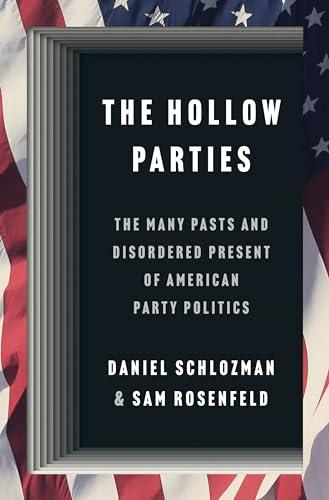
The co-authors explained the reasons for the two-party system's dominance in American politics, citing factors like Duverger's Law and the strategic behavior of voters. They also discussed the impact of institutional design and the role of the Supreme Court.
The core thing I mean, this goes back. There was a political scientist, a Frenchman named Maurice Duverger. Oh, Duverger. I'm so sick of that guy.
— Episode: Two-Party System: Third Parties Need Not...
Episode: Two-Party System: Third Parties Need Not Apply
The co-authors explained the reasons for the two-party system's dominance in American politics, citing factors like Duverger's Law and the strategic behavior of voters. They also discussed the impact of institutional design and the role of the Supreme Court.
The core thing I mean, this goes back. There was a political scientist, a Frenchman named Maurice Duverger. Oh, Duverger. I'm so sick of that guy.
Mid 20th century. And he put forth what political scientists call a law, Duverger's law, that says if you have a system of electoral rules in which you have single member districts.
That combination, plurality voting and single member districts tends to lead to, this is why it's not really a law. It's just a kind of a rule of thumb, tends to lead to stable two party systems and makes it very hard for a kind of equilibrium.
So the intuition in our politics is that in order to win, you have to keep your side intact and fracture the opposition. Both sides see that they have to keep their sides intact, fracture the opposition. That leads to two teams, which we call parties.
The story is a lot of people - Well, tell RFK Jr. that. They're keeping him out of the debates. A lot of people are - more so now than ever because we're in a very ideologically polarized time. People are sincerely motivated in what they're doing.