
Podcast
The Jordan Harbinger Show
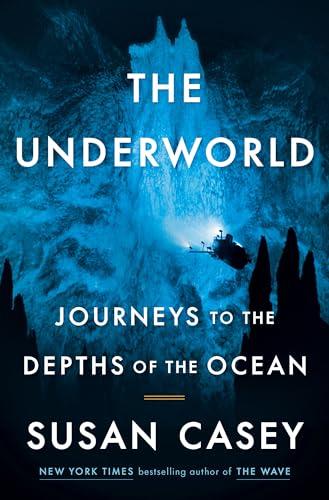
The book is about diving into the ocean and its mysteries. It was described as an adventure with science and other topics, making it engaging and interesting.
I really liked the book. I thought it was so interesting.
— Episode: 984: Susan Casey | Unraveling Mysteries...
Episode: 984: Susan Casey | Unraveling Mysteries in the Oce...
The book is about diving into the ocean and its mysteries. It was described as an adventure with science and other topics, making it engaging and interesting.
I really liked the book. I thought it was so interesting.
And now I'm like oh I should have read the other ones too but I guess I can do that later.
I was like oh it's about diving in history like oh it's not really like I don't usually you know go for this and then I was just like but this is interesting let me just keep doing it.
Then it was over and I was like oh that's I'm done with it.
That's really interesting there's so much cool stuff in there and that's going to be the basis of our conversation today I suppose.
I'm one of those guys who's in this is cliche right but I take the ocean for granted I only see the surface and I'm sort of mildly terrified about what's underneath that part and that's it and I'm just like oh I know we got to take care of it there's so much stuff in there and the animals are amazing.
You write that the search for MH17 that airplane or that airplane crash showed us the bottom of the Indian Ocean in ways that just no one had ever really seen before so tell us about that because that's kind of an interesting point that we spent all this money looking for this airplane and rightfully so there were people on it but then it just maps the ocean floor and it's like well actually the silver lining in this cloud of not finding anything with the plane is look at what we have here and that was surprising.
The other scary element of this is people come back and say, oh yeah, there's sea monsters out there that eat whole boats and stuff like that. And of course ancient sailors believed in monsters. Now we know that either that was apocryphal never happened or it was some kind of giant squid or other animal.
The more you learn about them, the more you realize that this is truly awful.
It's just so clear that they feel emotions. They feel grief.
It makes me feel kind of sick to know that there's this really sensitive group of animals in the ocean that we're literally just throwing our shit into and treating like garbage.
I know we're running a little bit short on time.
You wrote there are some three million shipwrecks.
I would have been off by about 2.9 million if I had to guess how many shipwrecks there were.
I've heard that it's hard to get funding to explore stuff like this, because even if you have funding for archaeology, marine archaeology is kind of like, well, this isn't real archaeology.
I've heard that there are salvage crews from various countries illegally salvaging things like warships. So it's possible.
It's amazing to think that salvagers could get from thousands of feet down a warship. But they do.
But at the same time, I really think it's important to take the first step as like let's look at this magnificence and really revel in it. And isn't this incredibly cool?
I'm still too much of a wimp to dive anytime soon, but I appreciate you taking us on this dive here today on the show. So interesting. This is just fascinating stuff.
I only read one book and you've got a bunch. I'm like, OK, I know what I'm doing next time I get a week off plowing through the rest of your catalog.
We talked about why exploring the ocean is key to stemming climate change, even more important in space exploration that's also covered quite a bit in her book.