Podcast
Fresh Air
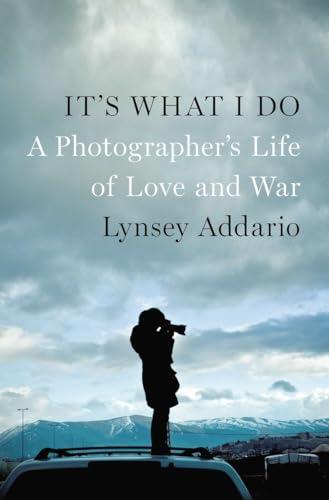
In her memoir, the photojournalist reflected on the risks of her career, noting that while rationally considering the risks back home was difficult, she felt most alive when behind the viewfinder of her camera taking photographs. A passage from this book detailed the shock and devastation she felt after witnessing a mortar attack in Iraq and realizing the reality of death in war zones.
In your memoir, It's What I Do, you write, When I return home and rationally consider the risks, the choices are difficult. But when I'm doing my work, I'm alive. Correct.
— Episode: War Photographer Lynsey Addario Still Ha...
Episode: War Photographer Lynsey Addario Still Has Hope
In her memoir, the photojournalist reflected on the risks of her career, noting that while rationally considering the risks back home was difficult, she felt most alive when behind the viewfinder of her camera taking photographs. A passage from this book detailed the shock and devastation she felt after witnessing a mortar attack in Iraq and realizing the reality of death in war zones.
In your memoir, It's What I Do, you write, When I return home and rationally consider the risks, the choices are difficult. But when I'm doing my work, I'm alive. Correct.
How did one transfer the body of a friend out of a country we all snuck into illegally when there were no functioning embassies, no police, no diplomats, and the only open border accessible from northern Iraq was Iran? It seemed so obvious, but I didn't know that war meant death, that journalists might also get killed in the war.