Podcast
The Bulwark Podcast
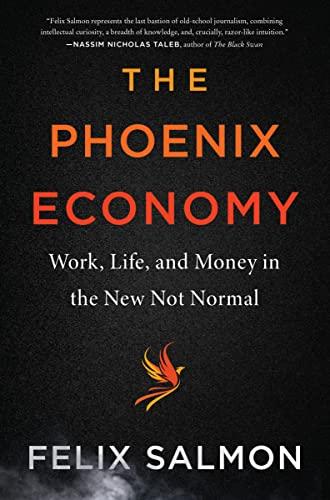
The book discussed the shift to a "new not normal" economy following the pandemic, suggesting that while there were reasons for optimism and improvements in areas like work life and mental health approaches, there was also a sense of dislocation and loss of trust in institutions.
I think the way we work now is better than it was. I think the way we live now is better than it was. I think the way that we approach mental health issues is better than it was.
— Episode: Felix Salmon: The New Not Normal Economy
Episode: Felix Salmon: The New Not Normal Economy
The book discussed the shift to a "new not normal" economy following the pandemic, suggesting that while there were reasons for optimism and improvements in areas like work life and mental health approaches, there was also a sense of dislocation and loss of trust in institutions.
I think the way we work now is better than it was. I think the way we live now is better than it was. I think the way that we approach mental health issues is better than it was.
What the pandemic did was it caused what I call the epistemic COVID crisis. People didn't know what was true. People didn't know what to believe.
I make the argument in the book that that's probably good for the United States because it is this like single continent sized market and other countries aren't so big or so frictionless, but it's definitely uncomfortable.
We also saw a massive increase in risk appetite. I write about this at some length in the book. And a lot of that risk appetite was positive, but a lot of it was negative.
So we have killed globalism. It is not coming back. I know a lot of economists and political scientists who would dearly love for it to come back. And that is wishful thinking, frankly. It is not coming back.