Podcast
The Bulwark Podcast
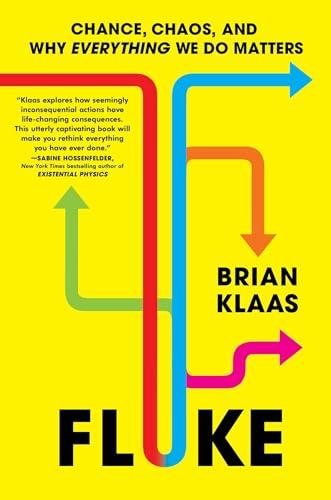
The book discussed the concept of chaos theory, suggesting that small changes can have large, unforeseen effects over time, exemplified by historical events. Klaas claimed the book, despite discussing alarming topics like rising black swan events, was ultimately uplifting by showing that individual actions matter due to these ripple effects.
I want to talk about your new mind bending book, Fluke, Chance, Chaos and Why Everything We Do Matters, which I found a little bit alarming and scary, but you claim is uplifting.
— Episode: Brian Klaas: Why Everything We Do Matter...
Episode: Brian Klaas: Why Everything We Do Matters
The book discussed the concept of chaos theory, suggesting that small changes can have large, unforeseen effects over time, exemplified by historical events. Klaas claimed the book, despite discussing alarming topics like rising black swan events, was ultimately uplifting by showing that individual actions matter due to these ripple effects.
I want to talk about your new mind bending book, Fluke, Chance, Chaos and Why Everything We Do Matters, which I found a little bit alarming and scary, but you claim is uplifting.
The formal definition is basically it's called sensitivity on initial conditions, which is a academic way of saying that small changes can have really big effects over time.
The idea that you know, a vacation 19 years earlier can cause this massive shift in who lives and who dies in World War Two is the way that world actually works as part of chaos theory.
The third part of is why everything we do matters.
I think one of the things that's really cool about chaos theory, and I think this is demonstrable scientific fact, not just some, you know, new age theory or anything, is that because of the ripple effects of all the things that we do, it is totally wrong to say that we're unimportant.