
Podcast
On Being with Krista Tippett
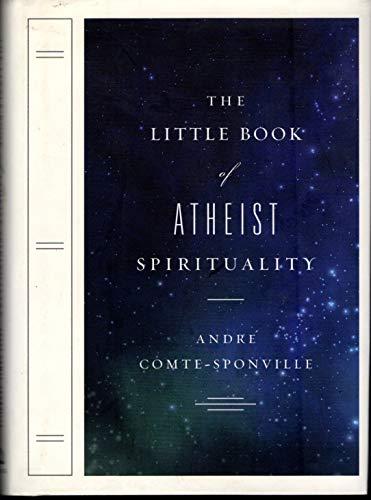
This book, mentioned by Krista Tippett, explores the intersection of atheism and spirituality, arguing that the loss of faith doesn't diminish moral values and that ethics are autonomous.
where knowledge is concerned the loss of faith changes nothing where morals are concerned the loss of faith changes nothing or next to nothing that you have lost your faith does not mean that you will...
— Episode: Greg Epstein — Exploring a New Humanism
Episode: Greg Epstein — Exploring a New Humanism
This book, mentioned by Krista Tippett, explores the intersection of atheism and spirituality, arguing that the loss of faith doesn't diminish moral values and that ethics are autonomous.
where knowledge is concerned the loss of faith changes nothing where morals are concerned the loss of faith changes nothing or next to nothing that you have lost your faith does not mean that you will suddenly decide to betray your friends or indulge in robbery rape assassination and torture
if God does not exist says Dostoevsky's Ivan Karamazov everything is allowed not at all for the simple reason that I will not allow myself everything as Kant demonstrated either morals are autonomous or they do not exist at all
if a person refrains from murdering his neighbor only out of fear of divine retribution his behavior is dictated not by moral values but by caution fear of the holy policeman egoism and if a person does good only with an eye to salvation she is not doing good since her behavior is dictated by self-interest rather than by duty or by love and will thus not be saved this is Kant the enlightenment and humanity at their best
Episode: Greg Epstein — Exploring a New Humanism
A passage from this book was read, exploring the idea that the loss of faith doesn't change much regarding morals or knowledge, and emphasizing the autonomy of morals.
where knowledge is concerned the loss of faith changes nothing where morals are concerned the loss of faith changes nothing or next to nothing that you have lost your faith does not mean that you will suddenly decide to betray your friends or indulge in robbery rape assassination and torture if God does not exist says Dostoevsky's Ivan Karamazov everything is allowed not at all for the simple reason that I will not allow myself everything as Kant demonstrated either morals are autonomous or they do not exist at all if a person refrains from murdering his neighbor only out of fear of divine retribution his behavior is dictated not by moral values but by caution fear of the holy policeman egoism and if a person does good only with an eye to salvation she is not doing good since her behavior is dictated by self-interest rather than by duty or by love and will thus not be saved this is Kant the enlightenment and humanity at their best Alain puts it beautifully in his letters to Sergio Solmi on the philosophy of Kant ethics means knowing that we are spirit and thus have certain obligations for no bless oblige ethics is neither more nor less than a sense of dignity there is no need to believe in God one need believe only in one's parents and mentors one's friends provided they are well chosen and one's conscience