
Podcast
On Being with Krista Tippett
It details the author's investigation into Noah's flood, exploring the intersection of geology and religious narratives. The book examines how the biblical flood story was once a foundational theory in early geology.
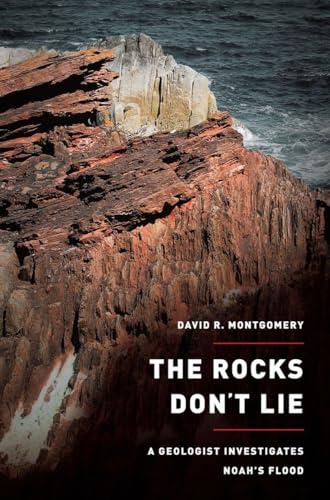
His book The Rocks Don't Lie. A geologist investigates Noah's flood.
— Episode: David Montgomery — Reading the Rocks: Fl...
Episode: David Montgomery — Reading the Rocks: Flood Storie...
It details the author's investigation into Noah's flood, exploring the intersection of geology and religious narratives. The book examines how the biblical flood story was once a foundational theory in early geology.
His book The Rocks Don't Lie. A geologist investigates Noah's flood.
In part because of that that essence of an intellectual challenge in a puzzle of trying to figure out how the world works.
When you look back into the relationship between science and religion, one doesn't really often hear these days the story of how they cross-pollinated and informed each other in ways that led to sort of intellectual growth in both theology and in science.
When you look back to the, what we view today is the founding fathers of geology that folks in the 17th and 18th century who started to put the pieces of the global puzzle together. Many of them were motivated by trying to explain the story of Noah's flood because that was essentially the theory of the times.
And I think that, what's very clear when you speak about this and I just did never thought about it this way is that this inquiry about geology, about how landscapes formed. You know, as you said, it's also pursuing this question of how the world was put together, how it came together. So this is also about origins, you know, this is one of these origin stories but we don't necessarily think about landscape and geology in those terms.
Episode: David Montgomery — Reading the Rocks: Flood Storie...
This book details the author's investigation into Noah's flood, exploring the connection between human stories and geological findings. He uses the biblical flood as a lens to discuss the development of geology as a science and how it interacted with religion.
The story of Noah's flood was right in there among all the other ones that I absorbed as a child and becoming a geologist later in life, that one obviously stuck with me in a special way.
Yeah, it really was. When you look back into the relationship between science and religion, one doesn't really often hear these days the story of how they cross-pollinated and informed each other in ways that led to sort of intellectual growth in both theology and in science.
When you look back to the, what we view today is the founding fathers of geology that folks in the 17th and 18th century who started to put the pieces of the global puzzle together. Many of them were motivated by trying to explain the story of Noah's flood because that was essentially the theory of the times.
And what I came to understand and how you wrote about that is as you say those people hundreds of years ago who starting point was just looking at what they could see in the landscape. I mean there were marine fossils, shells of sea creatures on tops of mountains and one way to explain that quite inexplicable occurrence would be that at one point that was all covered with water.
Reading that book, reading the Genesis Flood was it was a real eye opener to me in terms of understanding how modern creation is essentially arose because if you look at the theology of the early 20th century the idea of creationism was pretty well put to bed in both scientific and theological worlds until that book came out it really revived what we now to know today is modern creationism.