
Podcast
On Being with Krista Tippett
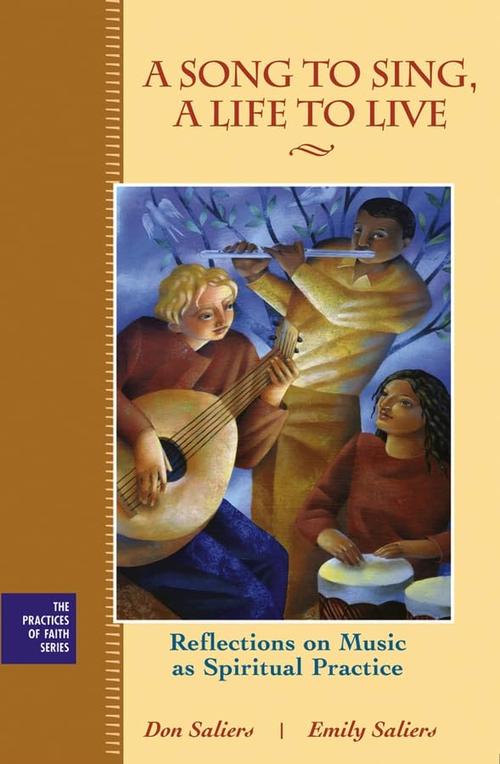
Emily Saliers co-authored this book with her father; it explores the intersection of music and spiritual practice, emphasizing music's physical and mystical aspects, and its role in shaping a sense of humanity and the image of God. The podcast discussed the book's exploration of music's power and its connection to personal and collective experiences of spirituality.
It's interesting about that fear of the body. Yeah. I mean, I think it just goes back to control, especially controlling women.
— Episode: [Unedited] Amy Ray and Emily Saliers of...
Episode: [Unedited] Amy Ray and Emily Saliers of the Indigo...
Emily Saliers co-authored this book with her father; it explores the intersection of music and spiritual practice, emphasizing music's physical and mystical aspects, and its role in shaping a sense of humanity and the image of God. The podcast discussed the book's exploration of music's power and its connection to personal and collective experiences of spirituality.
It's interesting about that fear of the body. Yeah. I mean, I think it just goes back to control, especially controlling women.
And the truth is that men have been controlling women for a long time, especially when they get organized.
I think about... It's like church. You know more than we do about it. I mean, I think it's an excellent, excellent thing to think about and talk about.
Religious music is an attempt to convey that which is within our reach, but beyond our grasp.
Music is physical. It's got, you know, your heartbeat. It's got rhythms. It's got space. It's it's a physiological reality along with a mystical reality. So it's metaphysical.
Episode: Indigo Girls — No Separation: On Music and Transce...
Emily Saliers co-authored this book with her father in 2006; it reflects on music as a spiritual practice. The book was mentioned in relation to the power of music and its connection to spirituality.
I remember reading the book that you wrote with your father.
In the book that I wrote with my dad, we talk a lot about that because like he cut his teeth on jazz, which is deemed secular, you know, but it really informed his musicality, which then he got the calling to faith and then he focused on, you know, church music and hymnals and things like that.