
Podcast
The Weekly Show with Jon Stewart
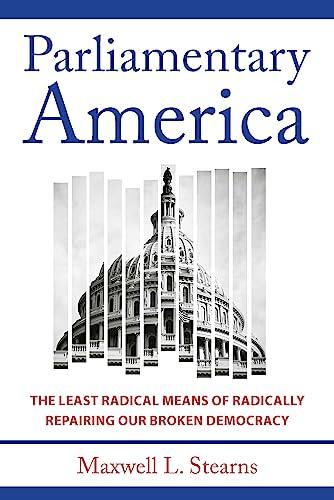
The author explained that the book argued institutional design penalizes third‑party voters and called for reforms to reward them, while also challenging the myth of American exceptionalism and exposing flaws in the founders’ design. He highlighted two central threats to democracy—too few parties in the U.S. and too many elsewhere—and presented the book’s proposals as a compelling roadmap for repairing democracy. The discussion conveyed strong endorsement of the book’s ideas.
Episode: Two-Party System: Third Parties Need Not Apply
The author discussed the third party dilemma and how current institutions do not allow third parties to thrive, suggesting restructuring to reward voters who choose them. He also touched on the need to move beyond American exceptionalism and acknowledge the flaws in the founding fathers' design.
I think the really important thing for voters to understand is it's not a problem of our individual will. It's not like we have a problem because we're not voting for third parties. Our institutions do not create space for third parties to play a significant beneficial role.
Instead, it punishes voters when they vote for third parties rather than rewards them. And the question becomes, how do we restructure our institutions to change that?
One of the things that we have to get over is American exceptionalism. The idea that there was a group of geniuses who happened to meet at a particular time and place who solved all the problems of democracy. That's not true.
They actually messed up in pretty significant ways. The system that they constructed isn't the system that we have, or at least the ones that they thought they constructed. And so it's really important to recognize that.
The central lesson of that tour - there's two central lessons of the tour. There are two threats to democracy, too few parties like the U.S., too many parties.