Podcast
Pivot
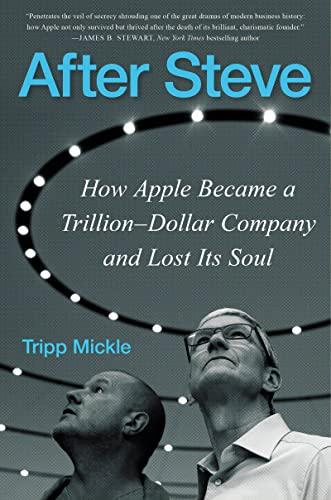
The book discusses the challenges Apple faced after Steve Jobs' death, focusing on the tensions between Tim Cook and Jony Ive and the shift from a creatively driven company to one driven by commerce and operations. It highlights Apple's remarkable financial success but also explores the potential loss of creative vision.
Apple's never been bigger, never been more powerful, never been more profitable. They've created a company out of the software and services business. It's been nothing short of a miracle what they've...
— Episode: Tech Stock Slump, Staff Morale Down at t...
Episode: Tech Stock Slump, Staff Morale Down at the FTC, an...
The book discusses the challenges Apple faced after Steve Jobs' death, focusing on the tensions between Tim Cook and Jony Ive and the shift from a creatively driven company to one driven by commerce and operations. It highlights Apple's remarkable financial success but also explores the potential loss of creative vision.
Apple's never been bigger, never been more powerful, never been more profitable. They've created a company out of the software and services business. It's been nothing short of a miracle what they've done there.
The results are largely rooted in the past. It's taking the iPhone and saying, well, what can we bolt onto this and create more sales opportunities out of?
If you talk to people who work at the company, they feel this more than people maybe externally feel it. And if you talk to some of the people who have worked on designing some of these products that have been so influential in all of our lives, if you ask them, okay, well, what's Steve Jobs' legacy? They'll say it was making amazing products that really changed the world. And if you ask them, well, what's been the legacy of the past decade? They'll say making a ton of money.
The biggest surprise for me writing this book was just getting such a deep appreciation for how after Steve Jobs died, the creative heart of the company wound up having the people who were on the outside, the operators kind of come into the middle. And just how confusing that was for everybody.
All signs and all reporting indicate that glasses are first and car is second. And that's largely because of the challenges with each one and the technology that they have to bring along.