
Podcast
Huberman Lab
In two episodes, the host highlighted the book as a masterfully written work that blended rigorous neuroscience with hopeful optimism. He noted that the author, a psychiatrist and researcher, used patient narratives to explain brain function in health and disease and described the discovery of channelrhodopsins and related therapies. The overall tone was strongly positive, recommending the book for anyone interested in neuroscience, regardless of scientific background.
Episode: Dr. Karl Deisseroth: Understanding & Healing the M...
It was described as a masterfully written book that used patient stories to explain how the brain works in both health and disease. It highlighted the channelrhodopsins discovery and related technologies for treating nervous system disorders.
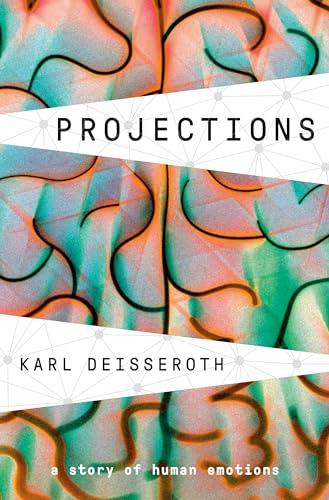
We also discuss Dr. Deisseroth's newly released book which is entitled Projections, a Story of Human Emotions.
This is an absolutely remarkable book that uses stories about his interactions with his patients to teach you how the brain works in the healthy and disease state and also reveals the motivation for and discovery of these channel options and other technologies by Carl's laboratory that are being used now to treat various disorders of the nervous system
I found our conversation to be an absolutely fascinating one about how the brain functions in the healthy state and why and how it breaks down in disorders of the mind.
Projections is absolutely masterfully written. It's just beautiful and it's accessible to anybody even if you don't have a science background.
I learned through the course of reading Carl's book, Projections, that not only is he an accomplished psychiatrist and obviously an accomplished research scientist and a family man but he's also a phenomenal writer.
Episode: Essentials: Understanding & Healing the Mind | Dr....
The host praised the book for blending rigorous science with optimism, noting its masterful storytelling and accessibility for a wide audience.
One of the things that I took from reading your book, in addition to learning so much science and the future of psychiatry and brain science, was amidst these very tragic cases and sadness, and a lot of the weight that that puts on the clinician, on you also, that there's a central cord of optimism, that where we're headed is not just possible, but very likely and better.
I wanted it to be for everybody, literally everybody in the world who wants to read it. I kept these two goals in mind the entire time, balancing rigorous science with hopeful optimism.
It's a wonderful, it's a masterful book, really, and one that as a scientist and somebody who is a fellow brain explorer, hits all the marks of rigor and is incredibly interesting. Definitely check out the book.