Podcast
Huberman Lab
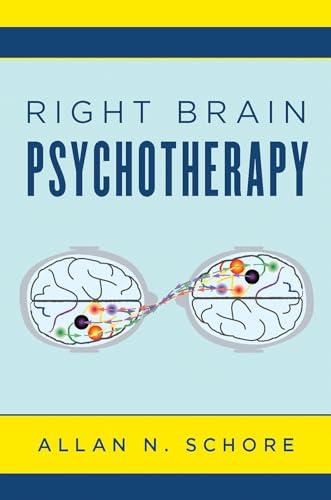
The title was highlighted by Andrew Huberman as a technically detailed yet readable source on how caregiver‑child interactions shape the autonomic nervous system and later attachment patterns. He noted that it covered topics from nursing and play to assessments like the Strange Situation, linking them to adult relational dynamics. Huberman expressed a strong endorsement, calling it an excellent and accessible read for listeners interested in the neurobiology of attachment.
Episode: The Science of Love, Desire and Attachment
This book delves into the ways that interactions between children and caregivers can shape a child's autonomic nervous system, impacting their later attachment styles.
He has a wonderful book called Right Brain Psychotherapy, it's a little bit technical but if you're interested in some of the studies this book right brain psychotherapy details how everything from nursing of children to play time behavior to strange situation type task behavior that we talked about before which of course occurs when children get dropped off at daycare or nursery school or with babysitters etc and indeed all types of caregiver child interactions tune up that autonomic nervous system so that the child ends up with an autonomic nervous system that either tends to lean more towards alert and anxious or can be very alert but calm or can be very calm and hard to budge again it's the tightness of that hinge that really underlies these attachment styles that we were talking about earlier.
Episode: Science of Social Bonding in Family, Friendship &...
It was discussed as an accessible read for understanding the neurobiology of attachment, particularly in childhood and how it affects adult relationships.
And if you want to check out his work, he's actually got a few YouTube videos out there. Again it's Alan Shore spelled SCHORI. I'd love to get him as a guest on the podcast. He also has a book, it's called Right Brain Psychotherapy and it's an excellent book. It's actually pretty accessible even if you don't have a background in biology or psychology.