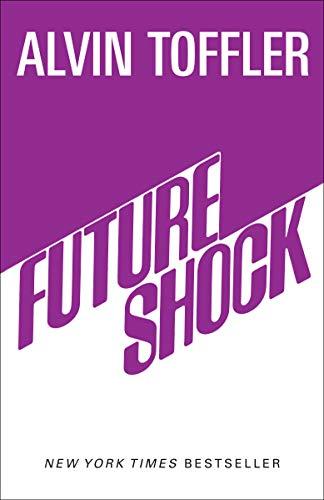
Future Shock Cover
Podcast Mentions

Future Shock

Alvin Toffler

NEW YORK TIMES Future Shock

Podcasts 5
Quotes 7
Stuff You Should Know

Published in 1970, it predicted that rapid technological advancement would overwhelm individuals, leading to stress, exhaustion, and adverse reactions.

"

The one that I ran across in this article that I had heard of but I didn't know anything about was Alvin Toffler's Future Shock.

— Episode: Selects: How Futurology Works

Episode: Selects: How Futurology Works

Published in 1970, it predicted that rapid technological advancement would overwhelm individuals, leading to stress, exhaustion, and adverse reactions.

"

The one that I ran across in this article that I had heard of but I didn't know anything about was Alvin Toffler's Future Shock.

But it came out in 1970 and it predicts a future where too much rapid change, technological change and advancement, it happens too quickly and people get all sorts of stressed and just worn out and basically have all manner of terrible reactions to it.

I'm like, well, that guy predicted 2015.

The Ezra Klein Show

They mentioned Future Shock as a famous 1970s book that popularized the phrase "information overload."

"

there was that famous book from the 70s called Future Shock that sold like millions of copies and popularized the phrase information overload

— Episode: Hard Fork: Elon’s Hidden Motives + A Mee...

Episode: Hard Fork: Elon’s Hidden Motives + A Meetup in the...

They mentioned Future Shock as a famous 1970s book that popularized the phrase "information overload."

"

there was that famous book from the 70s called Future Shock that sold like millions of copies and popularized the phrase information overload

The Megyn Kelly Show

Dr. Drew mentioned it in relation to the idea of relationships becoming disposable, particularly because of technology, which is something explored in the book.

"

Somebody put Future Shock, the video, the Future Shock documentary about the book by Alvin Toffler back in the day. And one of the things that I was sort of scanning through, but one of the things tha...

— Episode: Dr. Drew Pinsky on COVID Hysteria, The R...

Episode: Dr. Drew Pinsky on COVID Hysteria, The Rise of Nar...

Dr. Drew mentioned it in relation to the idea of relationships becoming disposable, particularly because of technology, which is something explored in the book.

"

Somebody put Future Shock, the video, the Future Shock documentary about the book by Alvin Toffler back in the day. And one of the things that I was sort of scanning through, but one of the things that popped out was this idea, very prominent piece of his thesis is that relationships become disposable. And he didn't get into the consequence of that. And now we're living it.

The Breakfast Club

The book, published in 1970, was mentioned in relation to the accelerating pace of technological advancement and its impact on society; the speaker reflected on how technology has outpaced human adaptation, citing Google's role in replacing the advice column 'Dear Abby'.

"

That's right. And in a way, the fact that Google has replaced Dear Abby as part of our big problem, people are going to screens instead of going to each other.

— Episode: INTERVIEW: Dean Phillips On Our Governme...

Episode: INTERVIEW: Dean Phillips On Our Government's Lack...

The book, published in 1970, was mentioned in relation to the accelerating pace of technological advancement and its impact on society; the speaker reflected on how technology has outpaced human adaptation, citing Google's role in replacing the advice column 'Dear Abby'.

"

That's right. And in a way, the fact that Google has replaced Dear Abby as part of our big problem, people are going to screens instead of going to each other.

Episode: INTERVIEW: Dean Phillips On Our Government's Lack...

The book, published in 1970, was mentioned in relation to the idea that technology advances too quickly for humans to keep up, and how this relates to Google replacing Dear Abby as a source of advice.

"

He said that technology is going to go so fast that humans will never be able to catch up.

Note: The book recommendations on this page are discovered automatically from podcast transcripts, and may be incorrect or incomplete.