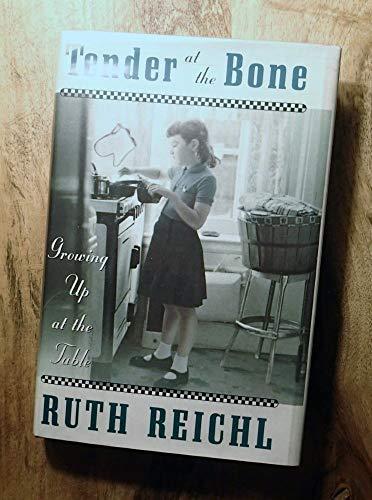
Tender at the Bone
Ruth Reichl
Mentioned 7 months ago
Listen Again: Julia Gets Wise with Ruth Reichl
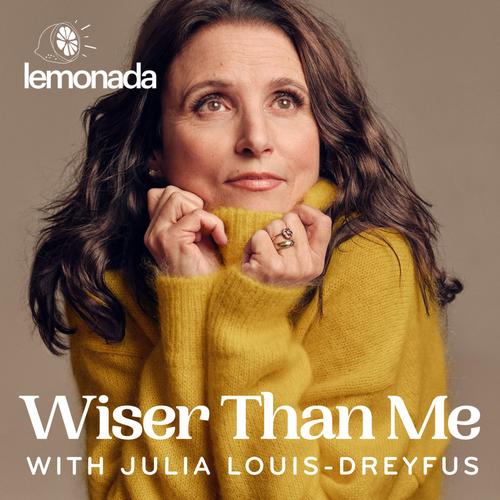
Julia Louis-Dreyfus returns for Season 4 of her award-winning podcast, Wiser Than Me™. Each week, she has funny, touching, personal conversations with iconic older women who are brimming with the kind of unapologetic attitude and wisdom that only comes with age. Julia sits at the feet of some extrao...
Recently mentioned
Ruth Reichl
Mentioned 7 months ago
Listen Again: Julia Gets Wise with Ruth Reichl
Poetry House
Mentioned 1 year ago
Presenting: Julia on Podcrushed
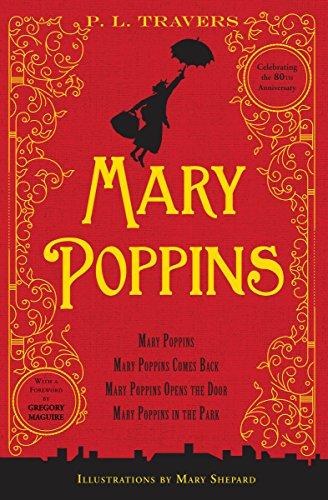
P. L. Travers
Mentioned 2 years ago
Julia Gets Wise with Julie Andrews
Gloria Steinem
Mentioned 2 years ago
Julia Gets Wise with Gloria Steinem
Maira Kalman
Mentioned 2 years ago
Julia Gets Wise with Gloria Steinem
Anne Lamott
Mentioned 2 years ago
Julia Gets Wise with Anne Lamott
Anne Lamott
Mentioned 2 years ago
Julia Gets Wise with Anne Lamott
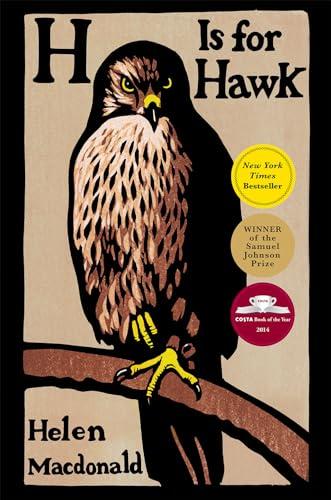
Helen Macdonald
Mentioned 2 years ago
Julia Gets Wise with Debbie Allen
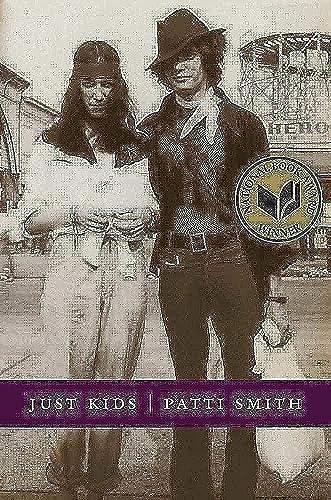
Patti Smith
Mentioned 2 years ago
Julia Gets Wise with Patti Smith
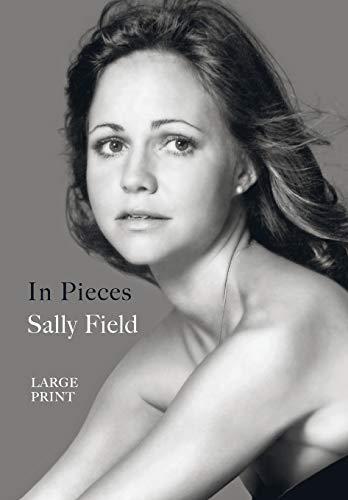
Sally Field
Mentioned 2 years ago
Julia Gets Wise with Sally Field
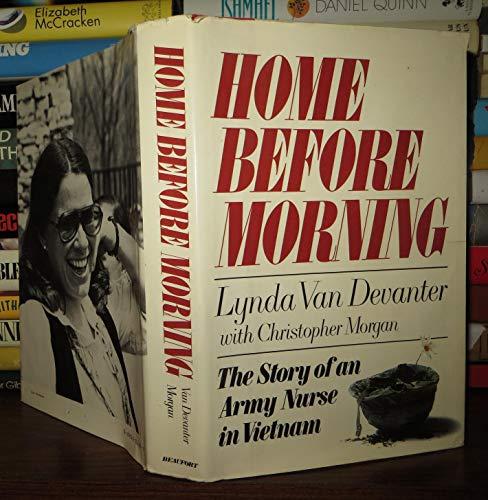
Christopher Van Devanter, Lynn; Morgan
Mentioned 2 years ago
Julia Gets Wise with Sally Field
John
Mentioned 3 years ago
Julia Gets Wise with Rhea Perlman
Mary Poppins, Mary Poppins Comes Back, Mary Poppins Opens the Door, and Mary Poppins in the Park
The title was brought up as the source material for the classic film, with Julie Andrews recounting how she was cast as the lead. Host Julia Louis‑Dreyfus recalled a friend who had read the books and described the story’s whimsical setting. The discussion highlighted the books' influence on the movie without recommending them directly.
Julie Andrews originated the iconic role of Mary Poppins in the movie based on the book.
She's been working professionally since she was just 10 years old, performing in a vaudeville act with her family singing all over England even performing at age 13 for King George the sixth and the future Queen Elizabeth.
She originated the leading roles in the Broadway productions of My Fair Lady and Camelot, the latter of which put her in front of the eyes of Walt Disney himself who cast her in the iconic role of Mary Poppins and off she went to do all these other incredible films.
She's a prolific author who's written dozens of children's books with her daughter Emma.
And I hid the Oscar away, didn't want to show off. Didn't want to parade it in my office or anything like that, but I hope it's out of the attic.
But I did have a hunch maybe that perhaps it was given in lieu of not, getting the role of Eliza in the movie of My Fair Lady and I had been passed up for that.
I didn't want to show off. Yeah, I, I was very new to this lovely craft that we're all in, in terms of movies and things, and also I did have a hunch maybe that perhaps it was given in lieu of not. Um getting the role of Eliza in the movie of My Fair Lady and I had been passed up for that and I understood it perfectly well, but, uh, of course it it made me sad that I couldn't have a good crack at it on film. Though I'd never done a movie before when I made Mary Poppins, so thank goodness Walt saw something that was appropriate for Mary and and I didn't mind not doing My Fair Lady, but, but I wish I'd had a chance of some kind to put it down on record.
And I was so struck because first of all my favorite things the lyrics for that tune are great, aren't they?
But my friend Judy A used to read all the Mary Poppins books and then she would tell me about them, so I had in my image of this Mary Poppins it was always sort of around in the trees and so forth and she was a perfect Mary Poppins.
She looked perfect. She spoke perfectly and she sang perfectly.
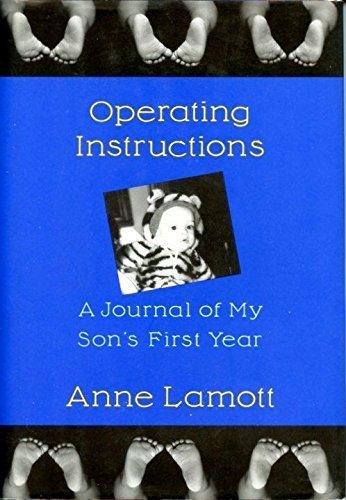
A Journal of My Son's First Year
Julia Louis-Dreyfus explained that she had read Anne Lamott's "Operating Instructions" during the first year of her son's life. She found the book's honest and transparent approach to parenting, particularly the struggles with colic, to be relatable and comforting.
The first book of hers that I read was OPERATING INSTRUCTIONS which she wrote about the first year of her son's life in which I read in the first year of my son's life and I guarantee...
— Episode: Julia Gets Wise with Anne Lamott
Julia Louis-Dreyfus explained that she had read Anne Lamott's "Operating Instructions" during the first year of her son's life. She found the book's honest and transparent approach to parenting, particularly the struggles with colic, to be relatable and comforting.
The first book of hers that I read was OPERATING INSTRUCTIONS which she wrote about the first year of her son's life in which I read in the first year of my son's life and I guarantee you we're gonna talk about that today because it was a game-changer for me her straightforward open honest daring approach to her work is just unique and she's not writing about easy stuff either her words on addiction shaped by her own struggles carry immense significance within the recovery community and have truly shifted perceptions on how we view sobriety and substance abuse.
I just reread it and I was I was reliving it and it was so difficult and I of course thought it was because of me and I my bad mothering or bad something you know you will talk about shame right and there was a me too part of that book comforted me away from all of it and there was a quote that I pulled where is it? Yeah my heart is so huge with love I feel like it is about to go off at the same time I feel that he has completely ruined my life.
Yeah yeah and I know it's like all truth is paradox and I would feel like I literally would sacrifice my life for him and then I'd look over and think of him raising his ugly reptilian head you know and then there's a part I don't know if you remember it where the colic was so bad and I just thought casually about bundling him up and putting him on the porch for the night so I could get one night sleep and every mother worth her weight in salt said me too.
Oh yeah just not so you're not supposed to say that you're not supposed to say it there was so much you weren't supposed to say that had to be said in that book it was critical it was urgent that it was said and it is such a shock to have a child in so many ways in in the most beautiful of ways and in the most difficult of ways too.
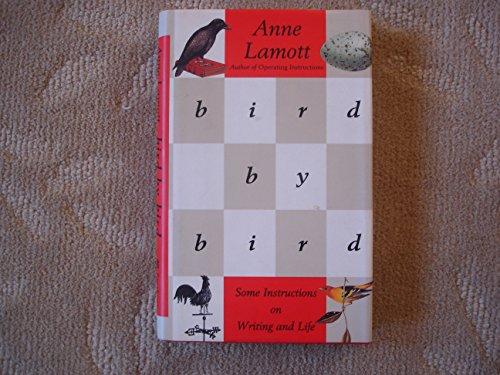
Some Instructions on Writing and Life
Anne Lamott spoke about the origin of the book title, "Bird by Bird", which came from her father who encouraged her brother to complete his school paper by focusing on small, manageable steps.
My older brother hated school and wasn't very good at it because he didn't care and he had his bird paper and you have the whole semester to do that and it was due the next day. This was a Sunday and...
— Episode: Julia Gets Wise with Anne Lamott
Anne Lamott spoke about the origin of the book title, "Bird by Bird", which came from her father who encouraged her brother to complete his school paper by focusing on small, manageable steps.
My older brother hated school and wasn't very good at it because he didn't care and he had his bird paper and you have the whole semester to do that and it was due the next day. This was a Sunday and it was due on Monday and he hadn't started he couldn't start it was too much like any writing project you start it's it's like an unassaulted ice flow and he was in tears.
So my older brother's a tough guy was a tough fourth grader and my dad who was a writer sat down with him and put his arm around him and said just take it Bird by Bird buddy.
And he taught him to read a little bit about chickadees for instance and then in one in his own words, which is the only way you can share what's inside of you to share with us yeah you write tell us about chickadees and then find an illustration. Okay next we're gonna do great blue herons I want you to read a couple pages of Audubon on great blue herons and then I want you to tell me in your own words about great blue herons.
So that's where it comes from.
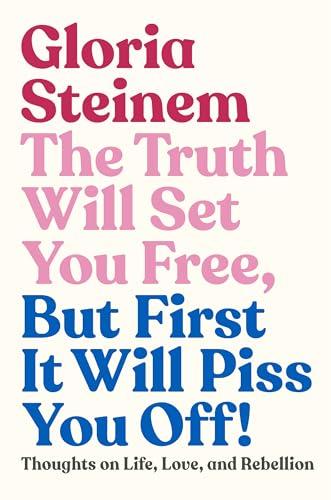
Thoughts on Life, Love, and Rebellion
It was one of Gloria Steinem's books. It contains a poem that Julia read, 'Dear Goddess, I pray for the courage to walk naked at any age, to wear red and purple, to be unladylike, inappropriate, scandalous and incorrect, to the very end.'
I want to read, Gloria, a poem that you've written that is in one of your books, The Truth Will Set You Free But First It Will Piss You Off, is the title of the book. And I would like to read this poe...
— Episode: Julia Gets Wise with Gloria Steinem
It was one of Gloria Steinem's books. It contains a poem that Julia read, 'Dear Goddess, I pray for the courage to walk naked at any age, to wear red and purple, to be unladylike, inappropriate, scandalous and incorrect, to the very end.'
I want to read, Gloria, a poem that you've written that is in one of your books, The Truth Will Set You Free But First It Will Piss You Off, is the title of the book. And I would like to read this poem that you wrote. Dear Goddess, I pray for the courage to walk naked at any age, to wear red and purple, to be unladylike, inappropriate, scandalous and incorrect, to the very end.
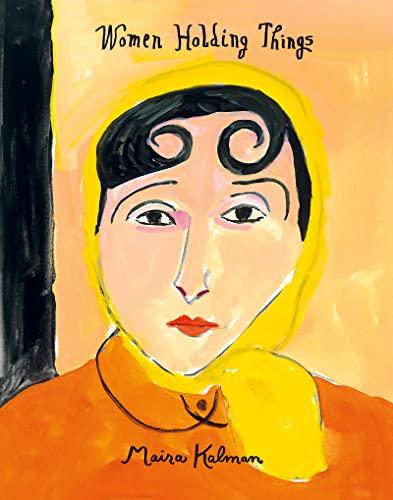
A Visual Celebration of Women's Lives and Roles
It was given to Julia by her friends Yoji and Janice. It's a collection of her illustrations and writing. It's drawings of women holding things.
There's a spectacular book that my friends Yoji and Janice gave us. It's by Myra Kalman, and it's called Women Holding Things.
— Episode: Julia Gets Wise with Gloria Steinem
It was given to Julia by her friends Yoji and Janice. It's a collection of her illustrations and writing. It's drawings of women holding things.
There's a spectacular book that my friends Yoji and Janice gave us. It's by Myra Kalman, and it's called Women Holding Things.
It's an extraordinary book of her illustrations and writing. And it's just what the title describes. It's drawings of Women Holding Things.
It was a book of poetry written by Debbie Allen's mother in 1957. It's about a man's transcendence to a higher level of existence, and it was her story, an allegory with various characters.
Her poetry, her book Hawk, which you can get on amazon.com, yes, her legacy work, which she wrote in 1957, is about man's transcendence to a higher level of existence and being man's search for freedo...
— Episode: Julia Gets Wise with Debbie Allen
It was a book of poetry written by Debbie Allen's mother in 1957. It's about a man's transcendence to a higher level of existence, and it was her story, an allegory with various characters.
Her poetry, her book Hawk, which you can get on amazon.com, yes, her legacy work, which she wrote in 1957, is about man's transcendence to a higher level of existence and being man's search for freedom. It's really her story.
An Autobiography
Julia highlighted the title as a work of art and a love story rather than a conventional memoir, noting its poetic and cinematic qualities. Patti explained that she wrote it to honor a promise to Robert Maplethorpe, aiming to create something both literary and accessible. The discussion conveyed strong enthusiasm for the book's unique approach.
It was described as a work of art and a love story, more than a memoir. Patti Smith promised Robert Maplethorpe before his death that she would write their story down, which she finally did in 2010.
What a work of art. What a work of art.
And then in 2010, you completed it? Is that right?
I wanted to write fiction, not nonfiction, but I had promised Robert and he asked me to write our story.
And I knew what our story was. I knew it backwards and forwards, but I wanted to present it in a way that would make him happy, that he'd be proud of.
But Robert was not a reader, so I wanted to write something that would have a cinematic feel so that readers would like, that it would be poetic enough, that readers would be fulfilled, but also non-readers could also enjoy as sort of almost like a movie.
In the episode, Julia Louis‑Dreyfus highlighted the memoir as an extraordinary account where the author pieces together her childhood and life, noting that writing it felt liberating. She emphasized that the narrative reveals how performing remains the author’s most confident and comfortable state. The host presented the work as a compelling, insightful memoir worth exploring.
She talked about putting the puzzle pieces together of her childhood and her life. It was interesting because writing the memoir really freed something up for her, after the fact.
She wrote the most extraordinary memoir called "In Pieces" and in this book it's an autobiography and she talks about her putting the puzzle pieces together of her childhood and her life um it's interesting because writing the memoir really freed something up for her you know sort of after the fact and she talks about this in the memoir and she talked about it in conversation to about the fact that when she's playing a character when she's performing that's when she is I think most confident and most at ease with herself and that's even I think still the case to this day.
And in this book it's an autobiography and she talks about her putting the puzzle pieces together of her childhood and her life um it's interesting because writing the memoir really freed something up for her, you know, sort of after the fact.
She talks about this in the memoir and she talked about it in conversation to about the fact that when she's playing a character when she's performing that's when she is I think most confident and most at ease with herself and that's even I think still the case to this day.
The story of an army nurse in Vietnam
Julia Louis-Dreyfus highlighted the book during her conversation with Sally Field, describing it as a jaw‑dropping account of frontline nurses in Vietnam that first exposed the trauma of war. She noted its significance in shedding light on women's experiences at a time when serious films about them were scarce. The discussion conveyed strong admiration for the work.
The book was about nurses on the front line of Vietnam, a jaw dropping story about the trauma of war.
And we had these projects and one of them was so good and it was before the films really started to come out about Vietnam and we had this book um called "Home before morning" which was about nurses on the front line of Vietnam and it was jaw dropping it was Kunu and it was the first time you took a look at the trauma of war and of course we would go to these studios and they would go well we don't want to see our little sadly do this what uh huh and you just it was so hard to get any serious films about women made
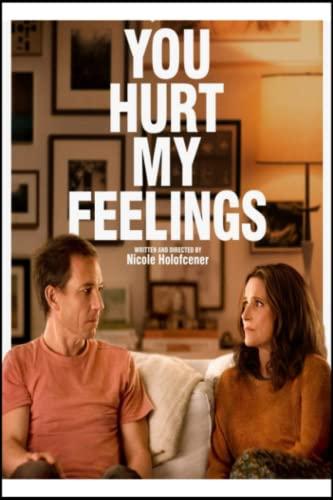
Julia Louis-Dreyfus highlighted the title as a comedic exploration of the little white lies we tell loved ones, noting its premise of a writer discovering her husband's insincere praise for her latest work. She expressed enthusiasm for the project, praising the cast and director and encouraging listeners to see it. The discussion framed the book as a witty, thought‑provoking piece worth checking out.
The book was about the little white lies we tell to the people we love the most.
It's a little comedy about the little white lies we tell to the people we love the most.
I play a writer who discovers that her long time adoring husband, who said he loved her latest book, actually hates her latest book.
Can you imagine that mind-fuck?
It was so superb to work again with Nicole Hall of Center, who is the writer and director.
The entire cast is truly unbelievable. I'm so proud of the damn thing. You Hurt My Feelings. It's out now in theaters everywhere.
A Novel (Penguin Drop Caps)
During a conversation with Amy Tan, the host explored how the book propelled her from anonymity to sudden fame, creating intense public expectations that later made her writing process more challenging. Tan reflected on the pressure of reviews, the weight of audience anticipation, and how those experiences shaped her subsequent work and personal growth.
Amy Tan discussed how her writing has evolved since writing "The Joy Luck Club", specifically how the expectations following its success made it more difficult to write.
In the beginning, in the beginning, and then the key difference is that when I started writing "The Joy Luck Club" I was unknown, completely unknown. I've never been published, not even a short story or anything, or one short story in a very tiny circulation magazine, and after "The Joy Luck Club", suddenly it just felt like everybody was watching, and there were the reviews, good and bad reviews, and people saying all the time, "I can't wait for the next one." And suddenly, it wasn't a private undertaking, yeah it was no longer private and I had all these expectations weighing on me and it's taken a long time to undo those expectations. And I try to get back into that place where nobody is watching over my shoulder. So that makes it difficult.
And then my friend was murdered, and I realized this was a really selfish way to look at my life, and I should do what he was going to do, and work with people with disabilities. So I talked my way into a job to do that. And then it went from there. I've had different jobs leading up to my becoming a fiction writer, none of that was planned in a particular way. Certainly not the murder of my friend, not the thing that led me to leave that field five years later or never was planned that I would get published. So many things just came to me. And I would tell myself that there would be, there will be things that come to you without your even asking for it consciously, that actually are about what's important to you, they will come up and that will happen. On the other hand, I wouldn't say it to myself at age 21 because I think it was incredibly good practice to go through all those different stages because all the even the bad stuff, even the death of my father and my brother when I was young, or even the things that my mother and I went through, those were all what made me who I am. Those are the things that I write about, yeah, where I have to look deep inside of me of, you know, what's the, what's the meaning of this, that in this narrative of my life, there's nothing I would take out and say, "Gosh, if I could have I would have thrown this away." Right, it's led to this moment, it's led to who I am and how I think, but that ultimately also means that I have to love who I am. You know, if I didn't like who I am, then I'd say, "Gosh, if I didn't have this, if this hadn't happened, you know, then I could fix it and I would be the person I would have wanted to be." But I am the person I want to be. So I don't, I don't have those feelings of going back and changing them, because I don't have control over it anyway.
You know, I'm somebody who has a problem with forgiveness. So, oh, really? Oh, yeah. You know, when somebody has betrayed me, I have a hard time with that and, and I usually what I do is I just let go of that relationship and I don't really give it a second chance. Um, it's not the one little thing, you know, it's not that one person said, "I really think her book stinks." That would not be enough for me to, you know, give up that relationship, but it would be something a little bit bigger and much more hurtful, and I won't get into those things. But I do sometimes look back and think, "Well, maybe I've cut off so many relationships, because I know so many people, or maybe it's because people see me as a target and so they will, more people will do things like that. I think it's a, not a huge problem, but I think it's an issue that I have to pay attention to.
In the episode, Amy Tan explained that she still reads reviews but tries to avoid the negative ones, describing a bad review as having a lingering "capy" feeling in her brain. She noted that while negative feedback can stick, it’s also important not to overvalue positive reviews, suggesting a balanced approach. The discussion was more about her review habits than a direct endorsement of the title.
Amy Tan shared that she still reads reviews, but tries to avoid negative ones. She likened reading a bad review to having a "capy" feeling in her brain, because it can stick with her and take up space.
You know, I do make the mistake of reading reviews, I, I try not to read bad ones, but it is interesting because when I get a bad review, it has a capy like quality in that it is, it's here to stay in my brain, it takes up some space in my brain, and not welcome space, but it's invaded, and, and so therefore the opposite has to be true too, you can't give too much credit to the good reviews, the read the whatever, exactly discard as well, all of them right.
Julia Louis-Dreyfus highlighted the upcoming 2024 release of the title, expressing enthusiasm for its arrival and asking Amy Tan about how her writing has evolved since her early works. She conveyed anticipation for the new adventure and framed the discussion around the author's growth.
Amy Tan's upcoming book, "The Backyard Bird Chronicles", was mentioned and Julia Louis-Dreyfus expressed excitement for its release in 2024.
Her latest adventure will be the much awaited, and I am so awaiting it, 2024 book, "The Backyard Bird Chronicles."
And I have to ask you about it, "The Backyard Bird Chronicles", and this may be an unfair, and sort of ridiculous question, but can you talk about how your writing has evolved since those early days?
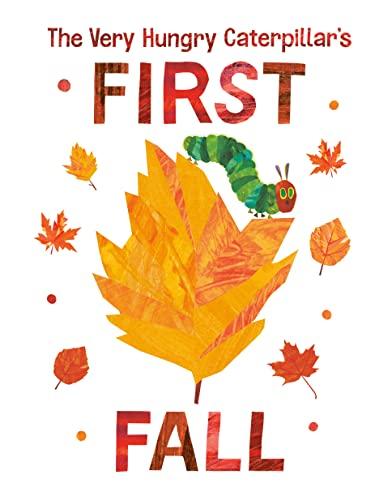
Julia Louis-Dreyfus read a poem titled "First Fall" by Maggie Smith, and found it resonated with her experience as a parent and the connection between parent and child.
First Fall." "I'm your guide here in the evening dark morning streets. I point and name. Look the sycamores, they're modeled paint by number bark. Look the leaves resting and crisping at the edges. I...
— Episode: Julia Gets Wise with Amy Tan
Julia Louis-Dreyfus read a poem titled "First Fall" by Maggie Smith, and found it resonated with her experience as a parent and the connection between parent and child.
First Fall." "I'm your guide here in the evening dark morning streets. I point and name. Look the sycamores, they're modeled paint by number bark. Look the leaves resting and crisping at the edges. I walk through Schiller Park with you on my chest. Stars smolder well into daylight. Look the pond, the ducks, the dogs paddling after their prized sticks. Fall is when the only things you know because I've named them begin to end. Soon I'll have another season to offer you frost, soft on the window and a port hole side there. Ice-sleeving the bear-gray branches. The first time you see something die, you won't know it might come back. I'm desperate for you to love the world because I brought you here.
The Crisis of Global Warming
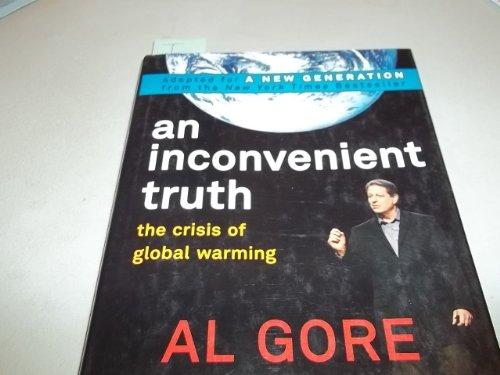
The hosts noted that the book, written by Al Gore, addressed global warming and climate change. They referenced the related documentary that won an Academy Award, highlighting its impact on public awareness. The book was mentioned as a source of insight into the climate crisis.
The book was written by Al Gore and talks about global warming and climate change.
She was thinking she was going to do a documentary about global warming, which ultimately turned into AN Inconvenient Truth and won an Academy Award.
A Novel (Chief Inspector Gamache Novel, 19)
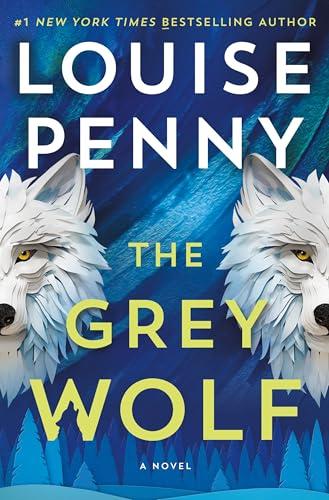
In the episode, the guest expressed enthusiasm for the mystery series, noting that she had read every installment and found the author's writing style particularly compelling. She mentioned being an avid fan and even highlighted a recent collaboration involving the author. The discussion conveyed strong appreciation for the title.
The book was written by Louise Penny and is a mystery series that the guest enjoys reading and finds the author's writing style very interesting.
She does the Gamache books. It's a mystery. It can be complex. And I think she's on her maybe 12th book. And I've read every single one of them. And I thought I was the only freak that was obsessed with this woman.
She just did a book with Hillary Clinton.
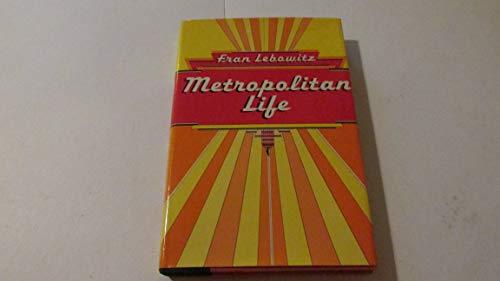
In the episode, Julia Louis-Dreyfus highlighted the title as one of Fran Lebowitz's notable satirical works, noting she had been reading more of Lebowitz's pieces in various publications. She described the book as fabulous, emphasizing its witty take on modern life. The discussion positioned the book as a standout example of Lebowitz's humor and insight.
Fran Lebowitz's satirical book, Metropolitan Life, was mentioned by Julia Louis-Dreyfus as one of Fran's books.
And as I read more and more of her work in The Village Voice, Interview Magazine, her two fabulous satirical books, Metropolitan Life and Social Studies, and listened to a
Fran Lebowitz's satirical book, Social Studies, was mentioned by Julia Louis-Dreyfus as one of Fran's books.
And as I read more and more of her work in The Village Voice, Interview Magazine, her two fabulous satirical books, Metropolitan Life and Social Studies, and listened to a
— Episode: Julia Gets Wise with Fran Lebowitz
Fran Lebowitz's satirical book, Social Studies, was mentioned by Julia Louis-Dreyfus as one of Fran's books.
And as I read more and more of her work in The Village Voice, Interview Magazine, her two fabulous satirical books, Metropolitan Life and Social Studies, and listened to a
Jane Fonda recommended the title to Julia, noting that a quotation from it would have made a better choice for her senior yearbook page. She highlighted the line about continual exploration and returning to the starting point with fresh understanding, suggesting the book’s poetic insight was especially resonant. The recommendation was presented positively, emphasizing the book’s relevance and depth.
Jane Fonda recommended this book to Julia, saying the quote from it would have been a better choice for her senior yearbook page.
This is T.S. Eliot, Little Gidding from Four Quartets. We shall not cease from exploration, and the end of all our exploring will be to arrive where we started and know the place for the first time.
Julia Louis-Dreyfus highlighted a quote from the book, expressing that she liked it and intended to use it herself.
Julia Louis-Dreyfus says she likes the quote from this book and is going to use it.
We shall not cease from exploration and the end of all our exploring will be to arrive where we started and know the place for the first time.
Note: The book recommendations on this page are discovered automatically from podcast transcripts, and may be incorrect or incomplete.
Podcast Name