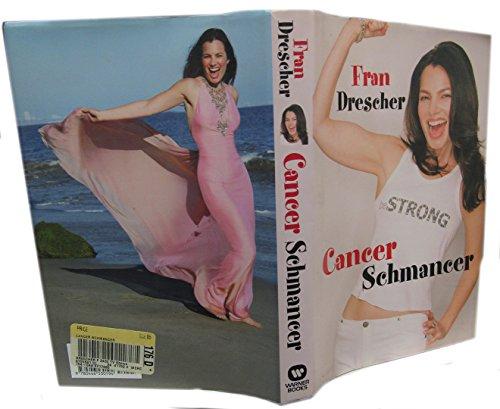
Cancer Schmancer
Fran Drescher
Mentioned 5 months ago
Fran Drescher
Ted Danson and Woody Harrelson are total opposites with an unbreakable bond since meeting on the hit sitcom “Cheers.” But after that show wrapped, life took them in different directions. This podcast is a chance to reconnect, both with each other and the amazing friends they’ve each met over the dec...
Recently mentioned
Fran Drescher
Mentioned 5 months ago
Fran Drescher
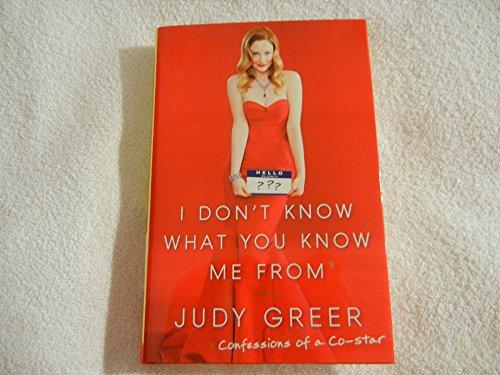
Judy Greer
Mentioned 5 months ago
Judy Greer
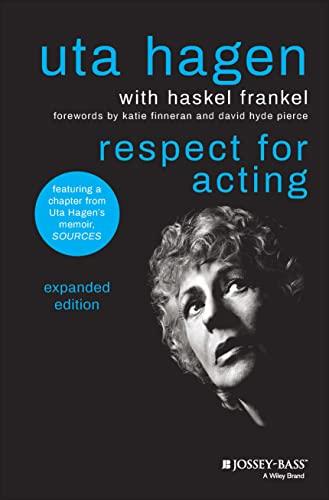
Uta Hagen
Mentioned 5 months ago
Judy Greer
Andy Mulligan
Mentioned 5 months ago
Judy Greer
James Van Praagh
Mentioned 5 months ago
James Van Praagh
James Van Praagh
Mentioned 5 months ago
James Van Praagh
White Eagle
Mentioned 5 months ago
James Van Praagh
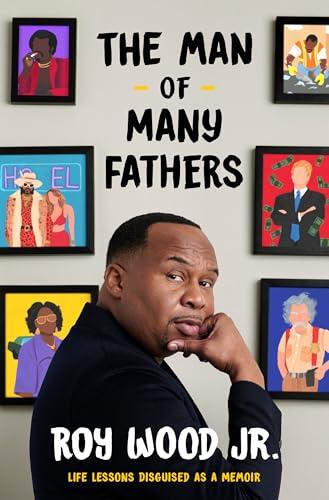
Roy Wood Jr.
Mentioned 6 months ago
Roy Wood Jr.
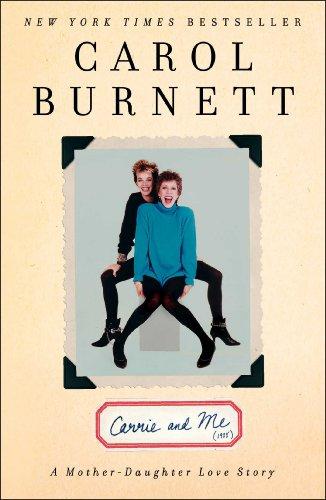
Carol Burnett
Mentioned 7 months ago
Carol Burnett
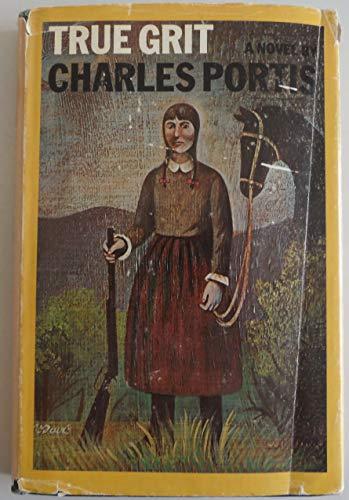
Charles Portis
Mentioned 1 year ago
Jeff Bridges
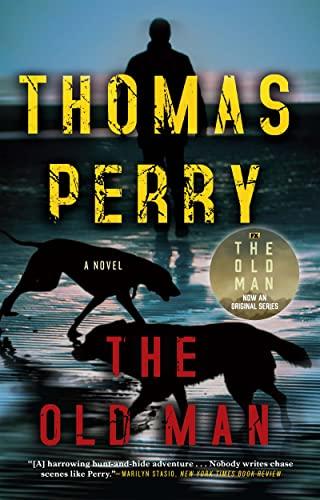
Thomas Perry
Mentioned 1 year ago
Jeff Bridges
Anonymous
Mentioned 1 year ago
Dax Shepard
A Medium's Message of Life After Death
The host expressed his enthusiasm for the book, noting that he and his wife had loosely adapted his life into a film after it was optioned on an airplane. He urged listeners to check out the title, highlighting its spiritual insights. Both episodes featured the host’s personal connection, presenting the work as a noteworthy recommendation.
James Von Prague, a medium who wrote several books, including one mentioned, was discussed in the context of spiritual experiences. The host and his wife had a film loosely based on him.
We're having a James Von Prague. I don't know if you know who he is. He's written several--he's a medium. Oh. And he's written several books called Talking to Heaven, I think, or something like that.
The host loved this book and mentioned that he and his wife based a film loosely on James Van Praagh's life after Mary Steenburgen optioned the book for a script she encountered on an airplane.
I love his book, Talking to Heaven, and I had the honor of making a film with my wife Mary based on his life.
Well, I just optioned a book by James Von Prague, Talking to Heaven.
Please check out his book, Talking to Heaven, among his many others.
A Way of Being
In a bonus episode, Rick Rubin discussed the title, describing it as an exploration of creativity as a universal skill and a way of being rather than just a music‑focused guide. He emphasized that the book invites readers to become the artist in each story, encouraging a mindful approach to problem‑solving and creative practice. The conversation highlighted the book’s broad applicability and the author’s years of insight into the creative act.
It explores the creative process, suggesting that creativity is a universal skill and a way of being, not solely about music. The author spent seven to eight years understanding the principles at play in the creative act and sharing them in this book.
It's a way of being in the world, a way of paying attention.
It started with the idea of...I've worked with a lot of artists over the time that I've been doing this.
It's not about music. It's a way of being.
So by never mentioning the artists, the reader is the artist in all of the stories in the book.
It's to know how would I do? How could I do this? How could I look at this problem?
Ted Danson mentioned this film as one of his favorites and said he loved Woody Harrelson's performance in it.
One of my favorite movies as I told you is old country No Country for Old Men and I Loved you in that movie so much and I talked specifically about that scene
— Episode: Conan O'Brien
Ted Danson mentioned this film as one of his favorites and said he loved Woody Harrelson's performance in it.
One of my favorite movies as I told you is old country No Country for Old Men and I Loved you in that movie so much and I talked specifically about that scene
The Big Book
It was mentioned that the book's author, Bill Wilson, was experimenting with LSD therapy while sober and writing the book, which was described as almost godlike.
Bill Wilson, the founder of AA famously was doing LSD therapy while sober and writing this book.
— Episode: Dax Shepard
It was mentioned that the book's author, Bill Wilson, was experimenting with LSD therapy while sober and writing the book, which was described as almost godlike.
Bill Wilson, the founder of AA famously was doing LSD therapy while sober and writing this book.
That's in the Michael Pollan documentary.
Which is almost godlike, that book is like, wait, where did that come from?
In the episode with Jane Fonda, the play was described as being performed in Vietnamese by a traveling troupe after a bombing, illustrating its story set in World II about a factory owner who hides faulty bomber parts and the resulting tragedy. The discussion highlighted the work’s exploration of good and evil in America and its call for post‑war reconciliation. The mention was presented as an example of the play’s enduring relevance rather than a direct recommendation.
The play was performed in Vietnamese by a troupe of actors who traveled from village to village after a bombing. It told a story of good and evil in America during World War II and emphasized the need for eventual reconciliation.
And so I was seated next to the director and my translator. It's all in Vietnamese. And for people listening who might not know anything about the play, All My Sons, it takes place during the Second World War.
The lead man, the father, he owns a factory that makes parts for American bombers. And he knows that the factory is making faulty parts and he doesn't say anything because he doesn't want to lose his government contract.
But one of his sons knows that he's lying and accused him of being greedy and his other son is a pilot in a bomber and ends up crashing and dying, possibly because there were faulty parts in his plane. At any rate, it's about good and evil in America.
And after the play is over, I said, I asked the director, okay, you're under bombs, you're at war, why are you performing an English play, I mean, an American play, All My Sons? He said, this is a troop of, through the translator, this is a troop of actors who travel from village to village after a bombing has taken place and performed this play.
The play shows that there are bad Americans and there are good Americans. One day this war will end and our countries have to be friends. We don't want our people to hate you.
A Novel
Jeff Bridges mentioned that he read the title before starring in the film and observed that it reads like a Coen brothers script. He highlighted the novel's cinematic quality, noting its suitability for adaptation. The discussion reflected a positive, though informal, endorsement of the book.
Jeff Bridges read the book before starring in the movie and noted that it read like a Coen brothers script.
Have you read the Charles Porter's book?
I said, read it.
It's like, oh, it reads like a Cullen brothers script.
A Memoir
In the episode, Tom Selleck talked about writing his memoir, noting that the process required him to revisit many past experiences and that it was emotionally taxing, leading to moments of exhaustion and tears. He explained that the book involved a great deal of emotional investment and that he hoped listeners would understand the depth of his reflections.
Tom Selleck discussed the process of writing his memoir, which was released after this podcast recording. He mentioned that it involved reliving many experiences and emotional investment, resulting in moments of exhaustion and tears.
I've been working on a book.
It's called You Never Know.
So I've been thinking about a lot of that stuff.
I put it in the book, so I hope this.
So it involved a lot of emotional investment.
A Memoir
During the episode, Flea talked about having written a memoir a few years earlier, describing how it forced him to confront his troubled childhood and search for the deeper reasons behind his experiences. He highlighted that despite the hardships, he always found a guiding light in moments of joy, such as music, sport, or love, which he explored in the book. The discussion presented the title as a personal, introspective work that offered insight into his resilience and creative journey.
Flea mentioned that he wrote a memoir a couple of years before this podcast episode was recorded, discussing his difficult childhood and the positive influences in his life. He reflected on how, despite hardship, there was always a guiding light or beautiful things that brought him joy.
I wrote a book, I put out a memoir a couple years ago
I went through like when I started writing about my childhood, I didn't like realize how fucked up it was until I really started like putting it together and not only like writing the things that happened like but really trying to get underneath them and understand like why and what it did and how it shaped me and why did things happen and trying to understand like in a deeper way
one thing I realized that like that I'm so lucky about is that like and I think maybe you know I don't know you Ted but I know you would maybe you can relate to this like no matter what happened there was always this fucking light like this thing that like was so beautiful also like the things that made me happy made me so happy like just you know the concept of maybe loving you know what I mean like like or sex or you know the like playing basketball being in the moment that freedom that feeling of like when I was in the moment and then when I started playing music like that feeling of being gone or belonging connecting with other people whatever it was like the things that I found beautiful were always so beautiful to me like not just like O'Funn or whatever but like fucking Providence, you know
Jeff Bridges recalled that his friend Tim Stack gave him the book, and he read it while evaluating a television project, mentioning it in passing without a strong endorsement.
Jeff Bridges was given the book by his friend Tim Stack several years before filming the show. He initially resisted doing the television series but eventually decided to do the show after meeting with the creators and seeing other successful television shows.
Tim Stack, he's a friend. And he gave me the book, The Old Man by Thomas Perry.
And I read the script and like you, I liked it, the script.
So I read the script, dug it up again.
A Mother and Daughter Talk Life, Death, Love (and Banana Pudding)
The book was highlighted by host Ted Danson, who called it sweet, funny, poignant and a generous act of love after reading about a hundred pages. He noted that the conversation between Laura Dern and her mother Diane Ladd explored life, death, love and even banana pudding, encouraging courage to speak unsaid truths. The overall tone was very positive, indicating a strong recommendation.
It was described as a sweet, funny, and poignant conversation between Laura Dern and her mother, Diane Ladd, exploring life, death, love, and banana pudding. The book originated from conversations they recorded while walking together, as a way to cope with Diane Ladd's health diagnosis and strengthen their bond.
It is sweet, funny, poignant and just really lovely.
I've read about 100 pages and it is so beautiful.
It was such a generous act of child to mom. Really, really loving.
It was the most loving thing. I grown to love you even more as a result of reading this book.
It's about having the courage to have the conversations it's about speaking what has been unsaid it's about listening to each other it's not about agreeing it's not even about forgiving
The Mind-Body Connection
Ted Danson explained that the book helped him overcome chronic back pain by recognizing it as a stress reaction, and he said it saved his life. He strongly recommended the book to everyone.
Ted Danson mentioned that John Sarno's book, "Healing Back Pain," helped him overcome his chronic back pain by recognizing it as a stress reaction. He highly recommended the book to others.
Those books saved my life. I had back pain for years. And till you recognize, oh, this is... Oh, it's a stress reaction.
Those books saved my life. I recommend them to everybody.
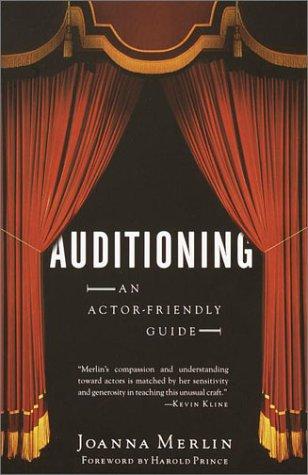
An Actor-Friendly Guide
Eric Andre mentioned that he had read the book to demystify the audition process and gain a clearer understanding of the complexities involved in acting auditions. He highlighted its usefulness for actors seeking practical guidance, indicating a positive view of its content.
Eric Andre mentioned reading Joanna Merlin's book on auditioning to demystify the process and better understand the complexities involved in the world of acting auditions.
I read that Joanna Merlin book, Auditioning.
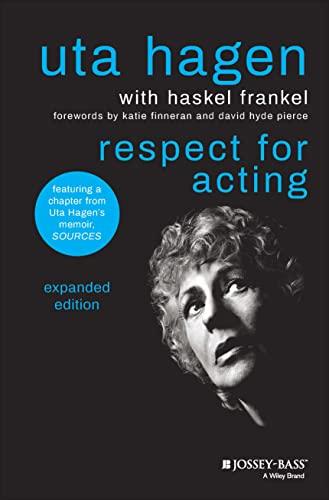
Expanded Version
Eric Andre discussed reading the book, noting that it clarified the craft of acting and proved more practical than other theoretical texts. He said it helped him grasp the process but also realized he needed to learn by doing rather than just reading. His remarks conveyed a strong endorsement of its usefulness for actors.
Eric Andre discussed reading Uta Hagen's book on acting, which helped him understand the craft and the process of acting. He found it more helpful than other theoretical works.
I read Uda Hagen's book.
But after reading Uda Hagen it felt like- I was like, I think I need to learn by doing more than continuing to read.
A Mother-Daughter Love Story
The host highlighted the memoir about the comedian's late daughter, describing it as a poignant mother‑daughter love story and urged listeners to read it. The discussion framed the title as a heartfelt, best‑selling work worth picking up.
The book Carol Burnett wrote about her late daughter, Carrie, was discussed during the interview. The host encouraged listeners to pick up this book.
a best-selling author and I want to talk to her about a book she wrote about her late daughter called Carrie and Mead.
It's called Carrie and Me, A Mother and Daughter Story.
Life Lessons Disguised as a Memoir
The title was brought up during Roy Wood Jr.'s appearance, with Ted Danson noting its recent release and the author explaining that it was written to share life lessons with his son. Roy described the memoir as a fun and reflective project that pieces together his own experiences after losing his father, positioning it as a personal guide for his child. The discussion highlighted the book’s purpose and tone without an explicit endorsement.
This memoir was described as being out in bookstores now and was written with the intention of imparting life lessons to the author's son, Henry.
He's also written a memoir called The Man of Many Fathers, which is out now.
Can we jump into your book? I know there's so much else to talk about, but A Man of Many Fathers.
Well, but I mean, my father, for what you delayed until your 40s, I never got because my dad passed when I was 16. Right. So you have to start piecing things together.
And it was a really, really fun journey to put together. Like it really was.
You've written this book. The Man of Many Fathers. So, obviously aimed also at your son Henry in a way, right? Hoping that this is something that, not aimed at, but something that he can read.
Reclaiming Life After Any Loss
The book was highlighted by guest James Van Praagh, who suggested it as a valuable resource for anyone coping with loss. He described it as a good guide to reclaiming life after any loss and encouraged listeners to check it out. The overall tone was supportive and endorsing.
James Van Praagh recommended this book as a good resource for people who have experienced loss.
I've written some great books. Healing Grief. Good book. Check me out.
In the episode with James Van Praagh, Ted Danson highlighted the book, calling it a source of profound truth and urging listeners to seek its quiet reflection. He noted that it was especially valuable for anyone looking to calm their mind. The discussion presented the title as a highly recommended read.
The book, written in the 1930s by Grace Cook, was described as containing profound truth and was highly recommended for those seeking quiet reflection.
There's a great book called The Quiet Mind by White Eagle. Everybody should just run for that book.
Confessions of a Co-Star
The hosts highlighted the title as a reflection of Judy Greer's extensive work as a character actor across sitcoms and films, noting that she authored the book to chronicle her co‑star experiences. Their discussion was brief and appreciative but did not constitute a strong endorsement.
Judy Greer wrote a book detailing her prolific career as a character actor in hit sitcoms and blockbuster films.
So prolific that she wrote a book about it. It's called I Don't Know What You Know Me From, My Life as a Co-Star.
Expanded Version
In the episode, Judy Greer recalled that during her training at DePaul, the class relied on the Uta Hagen text as a core resource. She noted that the book was part of the curriculum, highlighting its role in shaping her early acting education. The discussion was brief and factual, without a strong endorsement or critique.
Judy Greer mentioned that during her acting training at DePaul, they used a specific book by Uta Hagen.
We had that book, the Uta Hagen book.
The speaker mentioned loving David Sedaris's books, especially because he reads them himself, and recalled his stories about doing 'trash walks' where he picked up garbage on the side of the road during his walks.
I love his books and I love to listen to them because he reads them, but he talks about like doing his Trash walks, um, and just picking up garbage on the side of the road when he doe...
— Episode: Judy Greer
The speaker mentioned loving David Sedaris's books, especially because he reads them himself, and recalled his stories about doing 'trash walks' where he picked up garbage on the side of the road during his walks.
I love his books and I love to listen to them because he reads them, but he talks about like doing his Trash walks, um, and just picking up garbage on the side of the road when he does his walk.
Note: The book recommendations on this page are discovered automatically from podcast transcripts, and may be incorrect or incomplete.
Podcast Name