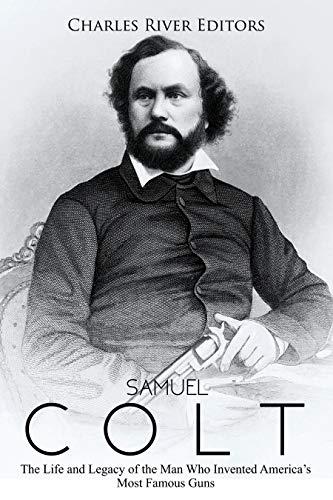
Samuel Colt
Charles River Editors
Mentioned 1 year ago
653 - Samuel Colt
Comedians Dave Anthony and Gareth Reynolds picks a subject from history and examine it.
Recently mentioned
Charles River Editors
Mentioned 1 year ago
653 - Samuel Colt
Harold Schechter
Mentioned 1 year ago
653 - Samuel Colt
Robert McCarthy
Mentioned 1 year ago
653 - Samuel Colt
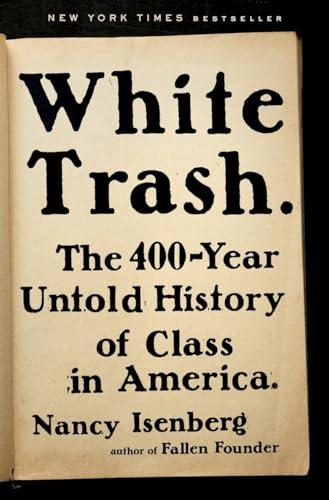
Nancy Isenberg
Mentioned 1 year ago
652 - Davy Crockett
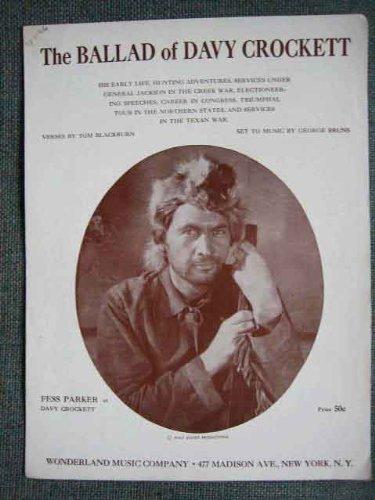
BALLAD OF DAVY CROCKETT G. BRUNS 1954 SHEET MUSIC SHEET MUSIC 449
Mentioned 1 year ago
652 - Davy Crockett
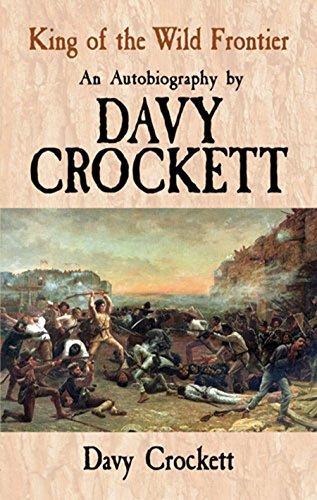
Davy Crockett
Mentioned 1 year ago
652 - Davy Crockett

J.D. Vance
Mentioned 1 year ago
651 - James Donald Vance - Part 2

J.R.R. Tolkien
Mentioned 1 year ago
650 - James Donald Vance - Part 1
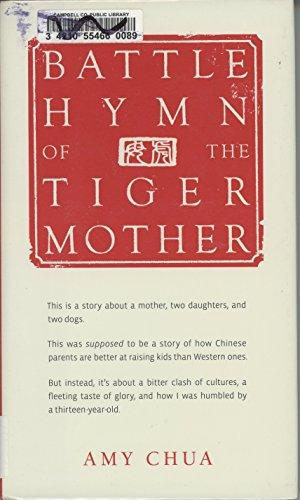
Amy Chua
Mentioned 1 year ago
650 - James Donald Vance - Part 1

Blake Snyder
Mentioned 1 year ago
90 - The Past Times with Brooks Wheelan

Leon Kennedy
Mentioned 1 year ago
90 - The Past Times with Brooks Wheelan
Avon Lovell
Mentioned 1 year ago
649 - The Mickelberg Affair - live w/Xavier Michelides
Race, Resistance, and the Rise of the LAPD (Justice, Power, and Politics)
The Rivalries, Clashes, and Conflicts That Forged a Nation
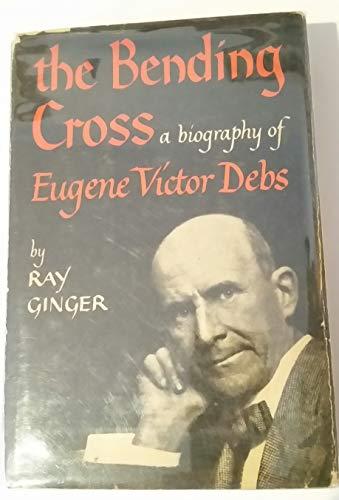
Citizen and Socialist (Working Class in American History)
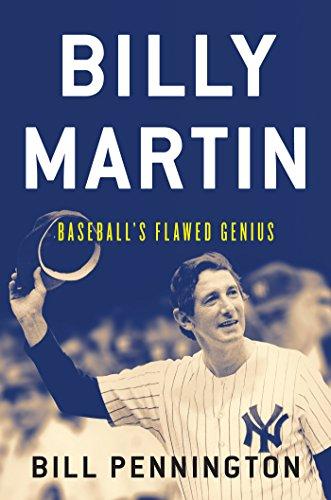
Baseball's Flawed Genius
It was a main source for the podcast episode, and helped contextualize Billy Martin's life and career within the world of baseball during the 70s and 80s.
Main book by Bill Pennington, Billy Martin, baseball's flawed genius.
— Episode: 492 - Billy Martin - Part II
It was a main source for the podcast episode, and helped contextualize Billy Martin's life and career within the world of baseball during the 70s and 80s.
Main book by Bill Pennington, Billy Martin, baseball's flawed genius.
The episode's main source material was this book, which was mentioned at the very end of part one. It was likely used to inform many of the details and anecdotes about Billy Martin's life and career.
The main source for this episode Was The book Billy Martin Baseball's Flawed Genius By Bill Pennington
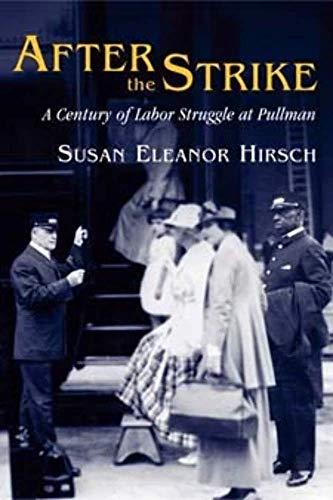
A Century of Labor Struggle at Pullman (Working Class in American History)
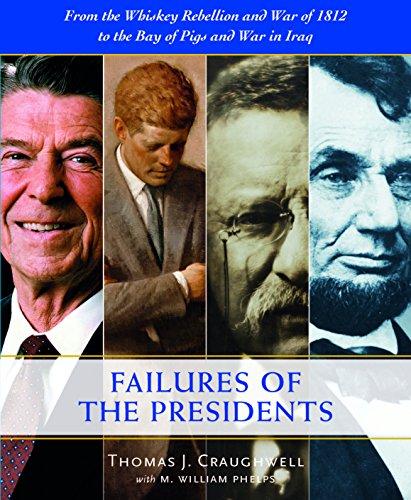
From the Whiskey Rebellion and War of 1812 to the Bay of Pigs and War in Iraq
Good Food and Simple Pleasures in the South of France
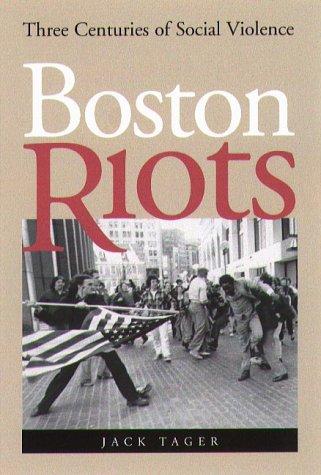
Three Centuries of Social Violence
It was mentioned as a source of information and included a quote about how Boston had higher levels of violence and roughness than other towns, a characteristic it has seemingly held onto.
they often included some form of communal violence that resulted in the punishment of social outcasts.
— Episode: 480 - Pope Day
It was mentioned as a source of information and included a quote about how Boston had higher levels of violence and roughness than other towns, a characteristic it has seemingly held onto.
they often included some form of communal violence that resulted in the punishment of social outcasts.
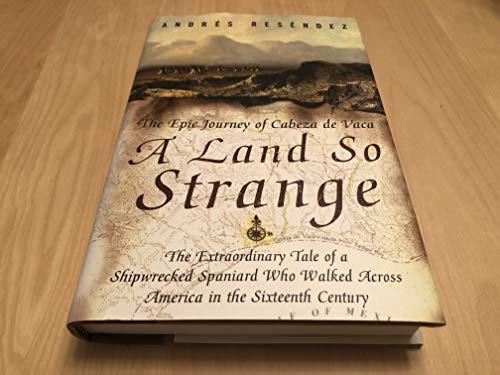
The Epic Journey of Cabeza de Vaca
It was used as a source for the podcast, detailing Cabeza de Vaca's journey through the Americas, and his interactions with the indigenous peoples.
So any quotes that I use are from Andres Resendez.
— Episode: 475 - Cabeza de Vaca - Part 2
It was used as a source for the podcast, detailing Cabeza de Vaca's journey through the Americas, and his interactions with the indigenous peoples.
So any quotes that I use are from Andres Resendez.
So the source on this is A Land So Strange, the epic journey of Cabiza de Vaca by Andres Resendez.
The book was referenced as a source of information for the podcast episode. It was used as a basis to describe the events of Cabeza de Vaca's journey through Florida and Texas, including the hardships faced by the Spanish explorers.
So the ships have taken off and they they go to Cuba they come back they're searching one of the vessels sailed inside of the bay where they noticed a cane was stuck in the ground and it was clearly stuck there by people it was split at the top and there's a letter perched on the top so they're like oh well this is a letter from Narvaez right
in short time of us 80 men who arrived there from both uh rafts only 15 remained alive
it was november and the cold was very great and we were so thin that with little difficulty our bones could be counted and we appeared like the very image of death
other things that I refrain from mentioning and I believe assuredly that if in that land there were stones they would eat them
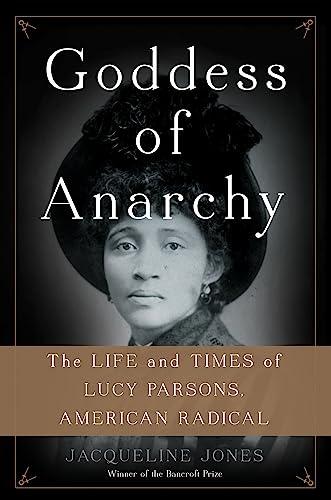
The Life and Times of Lucy Parsons, American Radical
The podcasters drew heavily from this book when discussing Lucy Parsons and Albert Parsons, it was a main source of information for the episode.
All the sources were from this book, Goddess of Anarchy by Jacqueline Jones. It's a very, very good book about Lucy Parsons and obviously a lot of it includes Albert. It's where both...
— Episode: 463 - Lucy Parsons
The podcasters drew heavily from this book when discussing Lucy Parsons and Albert Parsons, it was a main source of information for the episode.
All the sources were from this book, Goddess of Anarchy by Jacqueline Jones. It's a very, very good book about Lucy Parsons and obviously a lot of it includes Albert. It's where both episodes came from.
It was the main source for the podcast episode, and it focuses on Albert Parsons' wife, Lucy Parsons, who also became a prominent anarchist.
Indeed, in their view, people so lacking in self-respect as to apply for aid automatically rendered themselves unworthy of it.
They were now convinced that no matter how peaceable their meetings, they would remain vulnerable to ambushes from authorities.
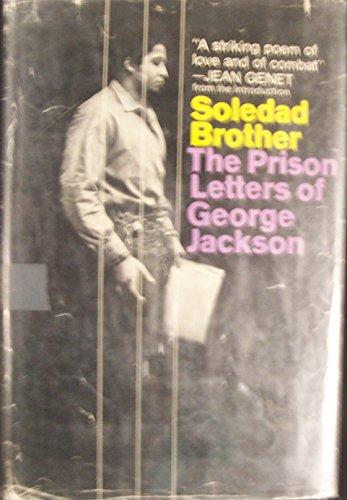
The Prison Letters of George Jackson
It was George Jackson's first book, a collection of letters from prison, and became a popular text amongst radicals and supporters of his cause.
In 1970, George had his first book published, which was called Soledad Brother, and it was just a collection of letters he'd written while in prison in a condemnation of racism of whi...
— Episode: 422 - George Jackson (live)
It was George Jackson's first book, a collection of letters from prison, and became a popular text amongst radicals and supporters of his cause.
In 1970, George had his first book published, which was called Soledad Brother, and it was just a collection of letters he'd written while in prison in a condemnation of racism of white America.
It was mentioned that the book described Byron Kilbourn as an intellectual giant, shrewd, and possessing a strong will and personal magnetism.
Byron is an intellectual, giant, keen, shrewd, aggressive with a will of iron and possessed a personal magnetism that few whoever came under its influence were able to resist. Neither was it often tha...
— Episode: 401 - The Bridges of Milwaukee (Live)
It was mentioned that the book described Byron Kilbourn as an intellectual giant, shrewd, and possessing a strong will and personal magnetism.
Byron is an intellectual, giant, keen, shrewd, aggressive with a will of iron and possessed a personal magnetism that few whoever came under its influence were able to resist. Neither was it often that he drew a blank in a fortunes lottery.
It was mentioned multiple times as a source for information about Byron Kilbourn, describing him as an 'intellectual giant' and a 'ruthless businessman'.
Byron is an intellectual, giant, keen, shrewd, aggressive with a will of iron and possessed a personal magnetism that few whoever came under its influence were able to resist. Neither was it often that he drew a blank in a fortunes lottery.
Mr. Kilbourne intended that the western bank of the Milwaukee should mark the eastern boundary of the embryo city upon whose reedy sedges... Those who were foolish enough to pitch their tents upon the east side might gaze with longing eyes but should not pass to except in a boat.
Kilbourne from the first start never intended that any communication by bridges should exist between east and west side and acting upon that principle made his survey in such a manner as to prevent the streets upon the two sides from matching each other always insisting that the west side did not want and if he could prevent it should never have any communication with the east except by boats. This for a man of Mr. Kilbourne's ability was the most stupendous piece of folly.
It contained a quote suggesting that the west side, where Kilbourn Town was located, believed the east side, Junotown, was unhealthy and that its inhabitants lived on frogs and held midnight funerals.
Those on the west side had all along proclaimed that the east side was unhealthy, that foul miasms hung over the houses.
— Episode: 401 - The Bridges of Milwaukee (Live)
It contained a quote suggesting that the west side, where Kilbourn Town was located, believed the east side, Junotown, was unhealthy and that its inhabitants lived on frogs and held midnight funerals.
Those on the west side had all along proclaimed that the east side was unhealthy, that foul miasms hung over the houses.
That the inhabitants lived on eating frogs, which the Frenchman had learned then to do.
And that many of them had died and were buried at night so that the world should not see their depletion.
I saw that Byron Kilborn was the obnoxious person to whom the unthinking populace attributed all their mischief.
I knew too that the mob, if once put in motion, would shrink from no deed of violence, that the crowd would commit every unlawful act, perhaps even murder as a mob.
It was used as a source to explain the rivalry between the east and west sides of Milwaukee, with quotes about the unhealthy conditions of the east side.
those on the west side had all along proclaimed that the east side was unhealthy, that foul miasms hung over the houses. Foul miasms? Smell, odors, bad odors.
That the inhabitants lived on eating frogs, which the Frenchman had learned then to do.
And that many of them had died and were buried at night so that the world should not see their depletion.
I saw that Byron Kilborn was the obnoxious person to whom the unthinking populace attributed all their mischief. I knew too that the mob, if once put in motion, would shrink from no deed of violence, that the crowd would commit every unlawful act, perhaps even murder as a mob.
having vented their spite in the inoffensive timbers, this crowd of citizens immediately felt better. Some of them laughed, others joked. All of them came out in the best of spirits as though they felt ashamed of themselves.
it was averred that to cross it safely, the teams had to start halfway up the hill and dash across with all possible seed before it sunk under them.

Patton Oswalt mentioned reading it and described it as horrifying and that Flynn was potentially one of the worst humans. This was in reference to his debauched lifestyle and behaviour.
It's horrifying. It's he say he was a Maybe one of the worst humans.
— Episode: 400 - Ronald Reagan w/ guest Patton Os...
Patton Oswalt mentioned reading it and described it as horrifying and that Flynn was potentially one of the worst humans. This was in reference to his debauched lifestyle and behaviour.
It's horrifying. It's he say he was a Maybe one of the worst humans.
The Discovery of Cortes Bank and the Biggest Wave on Earth
The podcast episode was based on this book, which detailed the discovery of Cortez Bank and the biggest wave on earth, including the Abalonia incident.
This episode was based on a book by Chris Dixon called Ghost Wave, The Discovery of Cortez Bank and the Biggest Wave on Earth.
— Episode: 398 - Abalonia (Live)
The podcast episode was based on this book, which detailed the discovery of Cortez Bank and the biggest wave on earth, including the Abalonia incident.
This episode was based on a book by Chris Dixon called Ghost Wave, The Discovery of Cortez Bank and the Biggest Wave on Earth.
The podcast episode was based on this book, which details the discovery of Cortez Bank and the largest waves found there, and the failed attempt to build a nation on the bank.
This episode was based on a book by Chris Dixon called Ghost Wave, The Discovery of Cortez Bank and the Biggest Wave on Earth.
Note: The book recommendations on this page are discovered automatically from podcast transcripts, and may be incorrect or incomplete.
Podcast Name