Podcast
Freakonomics Radio
It was discussed as an example of how the English language has many words for negative emotions but not so many specific words for positive ones, and how it makes negativity a more frequent default. It was mentioned in the context of the podcast topic.
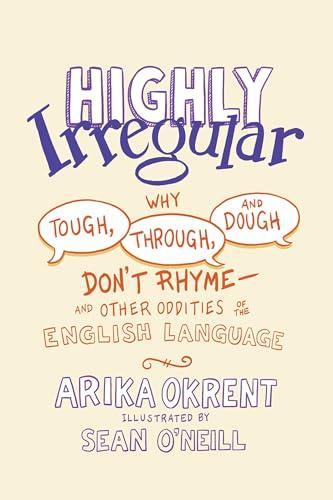
I'm a linguist. I write about language and I'm the author of Highly Irregular about why English is so weird.
— Episode: Why Is U.S. Media So Negative? (Ep. 477...
Episode: Why Is U.S. Media So Negative? (Ep. 477 Replay)
It was discussed as an example of how the English language has many words for negative emotions but not so many specific words for positive ones, and how it makes negativity a more frequent default. It was mentioned in the context of the podcast topic.
I'm a linguist. I write about language and I'm the author of Highly Irregular about why English is so weird.
Why Tough, Through and Doe Don't Rhyme and Other Oddities of the English Language.
Episode: 477. Why Is U.S. Media So Negative?
The book was discussed in the context of the English language's negativity bias and how it impacts the way we communicate, particularly in the media, which was explored by looking at spelling and vocabulary.
It's certainly the case in language that negativity heightens emotion and it heightens the impact of what you're saying.
Well, we have more ways of being negative. We have a lot of words for types of bad feelings. We have guilt. We have shame. Those are very specific. They're different from sad. They're different from down and depressed.
But the vocabulary you have for it, there aren't very specific ones that are like that particular type of joy you feel when you sit down to a meal that looks really good or something very specific like that.
Why Tough, Through and Doe Don't Rhyme and Other Oddities of the English Language.