
Podcast
Crime Stories with Nancy Grace
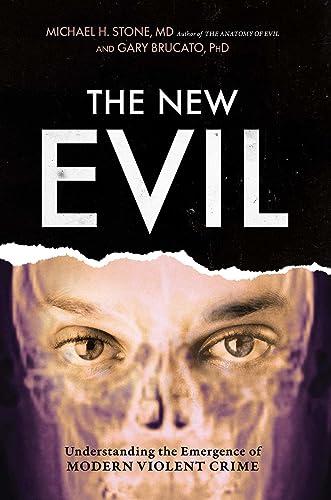
Dr. Gary Brucato, a clinical psychologist, discussed his book "The New Evil: Understanding the Emergence of Modern Violent Crime". He explained the distinction between dismemberment and mutilation, and how dismemberment is often done to get rid of body parts to avoid capture. He also stated his expertise in mass murder and the motives behind it, specifically in cases involving knives, which he said often indicates an individual who is "unwell" in some way.
Now that is a read.
— Episode: Accused Murderer Sam Haskell Trial Delay
Episode: Accused Murderer Sam Haskell Trial Delay
Dr. Gary Brucato, a clinical psychologist, discussed his book "The New Evil: Understanding the Emergence of Modern Violent Crime". He explained the distinction between dismemberment and mutilation, and how dismemberment is often done to get rid of body parts to avoid capture. He also stated his expertise in mass murder and the motives behind it, specifically in cases involving knives, which he said often indicates an individual who is "unwell" in some way.
Now that is a read.
It's important for people to understand that dismemberment, according to our work, really means the destruction or removal of a large part of the body. The torso, the arms, hand, pelvis, legs or feet. And any destruction or elimination of a smaller part thereof would be mutilation.
And with dismemberment, we found in our research that the vast majority of offenders are doing that to get rid of body parts because of concern about capture.
The outside looking in makes it seem like it's some kind of bizarre, psychotic, crazy thing to do. But the reality is it's a pretty organized thing to do that's done by a person that's trying to clean up after they've eliminated people.
If a gun is used, there's a very low likelihood that the person was seriously disturbed or mentally ill.