Podcast
Today, Explained
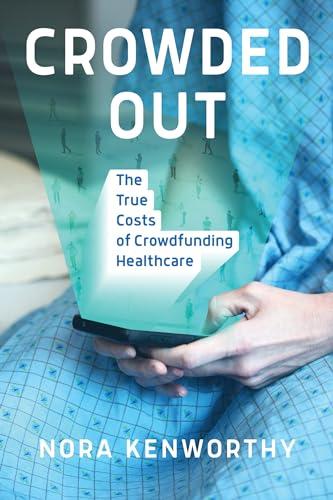
Author Nora Kenworthy was featured on the podcast to discuss her critical analysis, Crowded Out, which investigates the experiences of people using crowdfunding to cover medical debt. She explained that while these platforms offer some individual relief, the outcomes are often mixed or unsuccessful, arguing that relying on crowdfunding acts as a profound distraction from fixing the broken healthcare system. Kenworthy concluded that this reliance erodes the collective sense of duty needed to ensure everyone is entitled to basic medical care.
Episode: What fixes medical debt
Nora Kenworthy, the author of 'Crowded Out', discusses the experiences of people using crowdfunding platforms to deal with medical debt, showing how it's often a mixed experience, sometimes successful, but often not. She argues that crowdfunding for medical debt may not be the most effective solution and can erode our sense of collective duty to provide universal healthcare.
My name is Nora Kenworthy and I'm an associate professor at the University of Washington, Bothell. And I'm the author of a new book called Crowded Out, The True Costs of Crowdfunding Healthcare.
I think that what we're all responding to is a recognition of the brokenness of our systems, right? That like how is it possible that we're reduced to this and yet sort of also caught up in the feel good collective action of helping one person.
And I think that that can be a really profound distraction from some of the other things that we could be doing in order to change things.
And so I think we got to figure out how we can reorganize each other around the idea that everyone is entitled to a certain amount of basic medical care.
The book is Crowded Out, the true cost of crowdfunding healthcare.